




Filter and sort 73 products

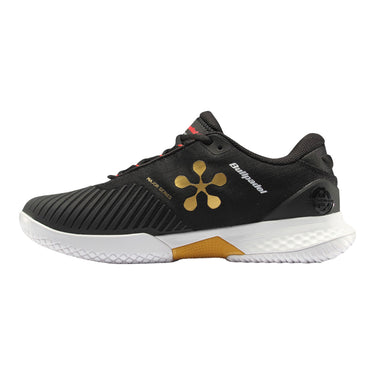
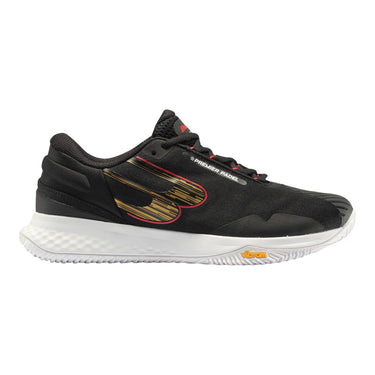
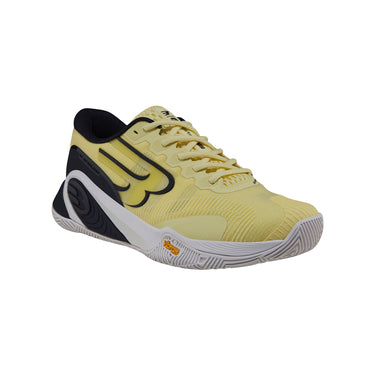
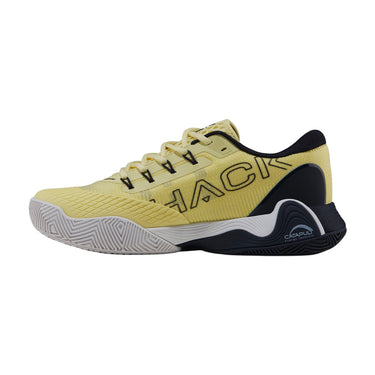

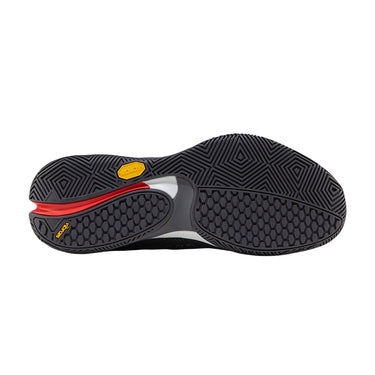
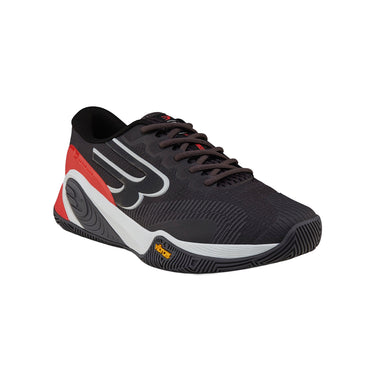
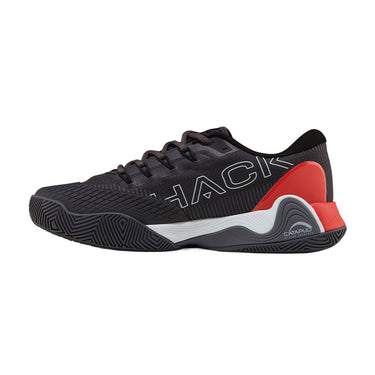


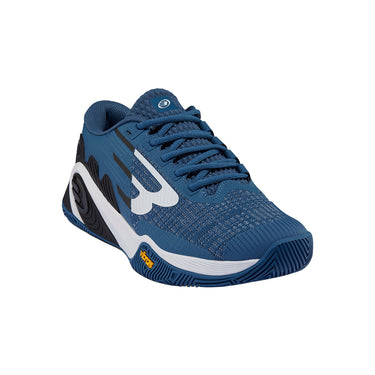
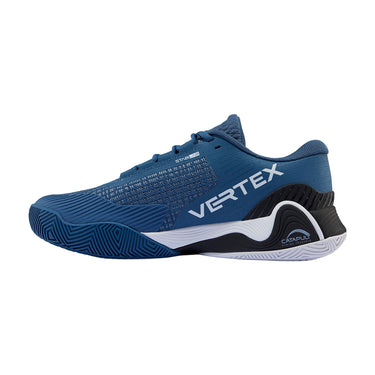

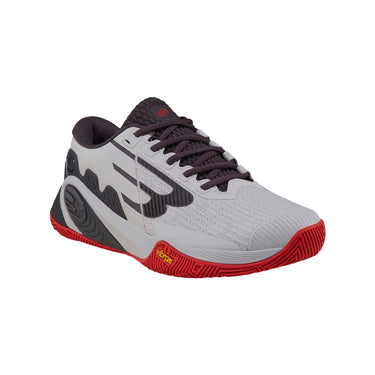
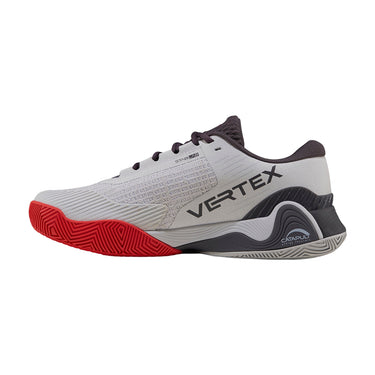

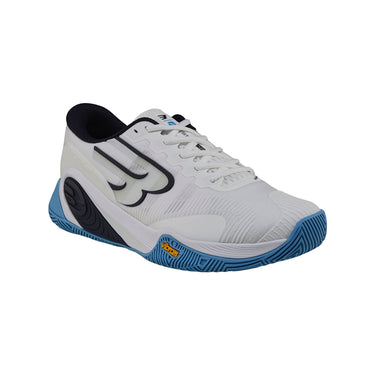
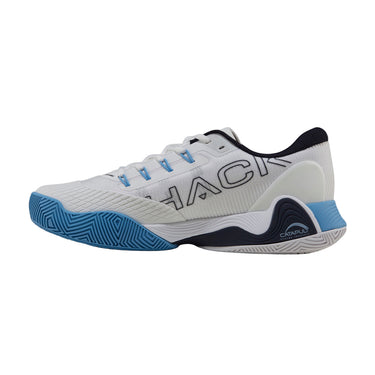


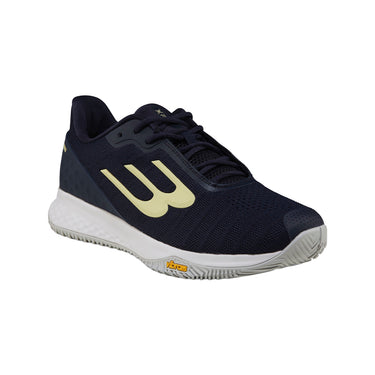
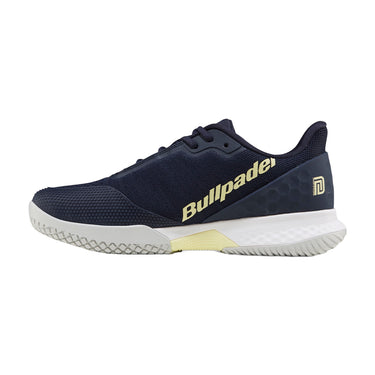

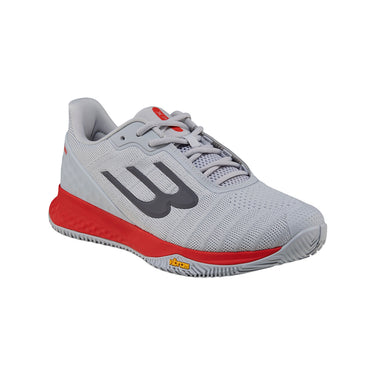
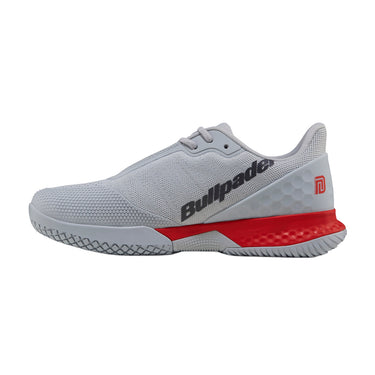

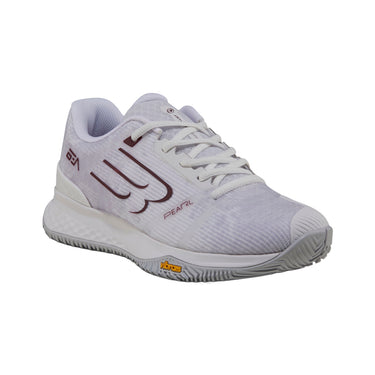
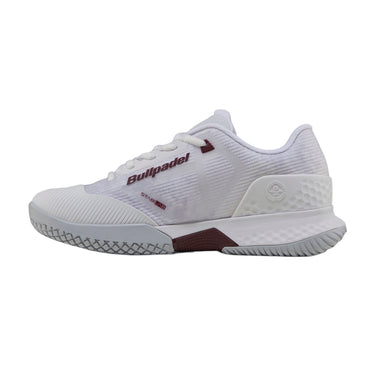


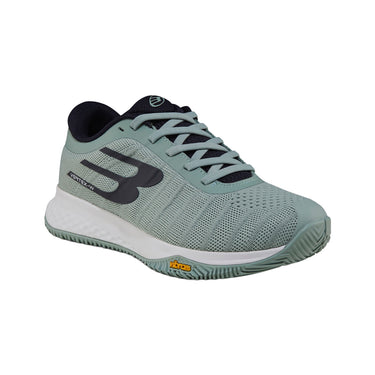
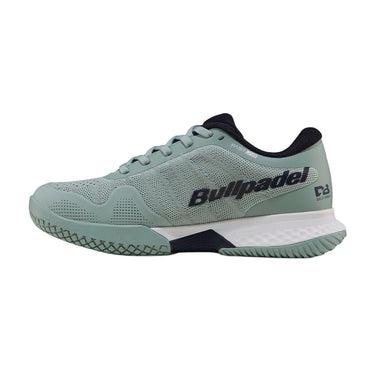

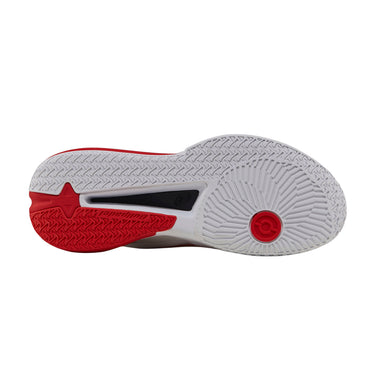
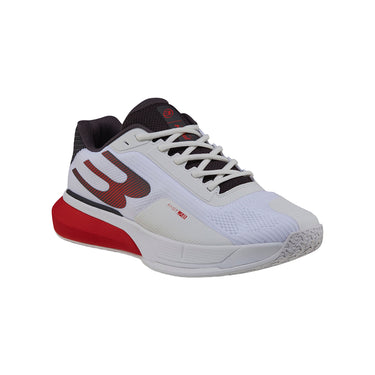
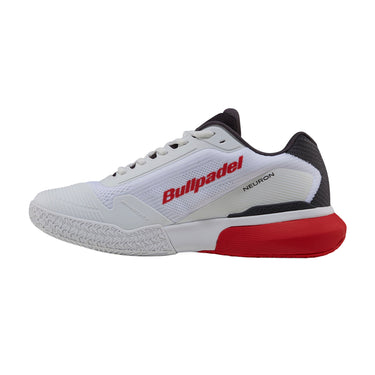

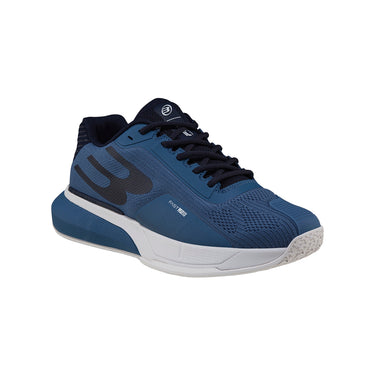
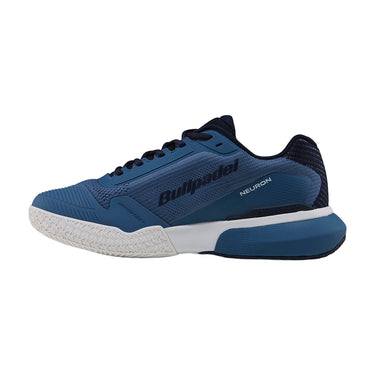


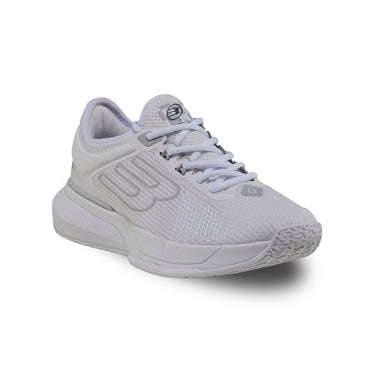
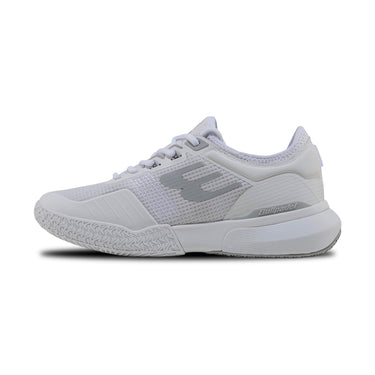

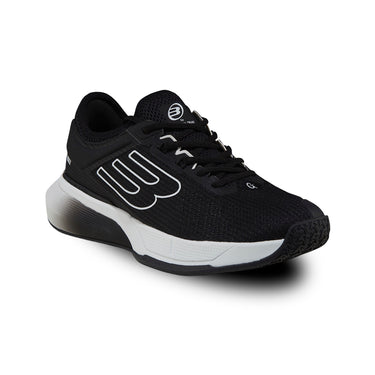
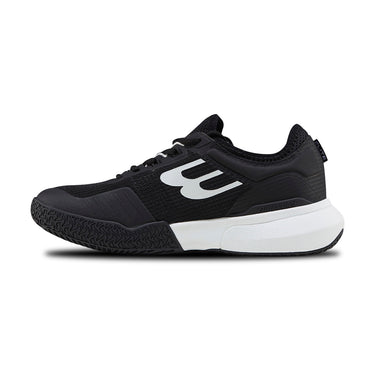

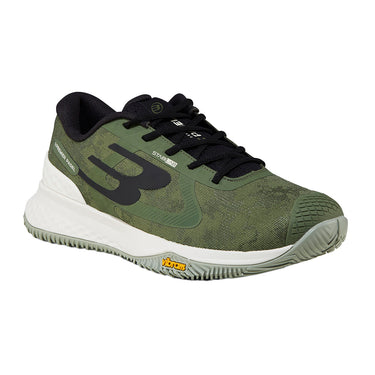
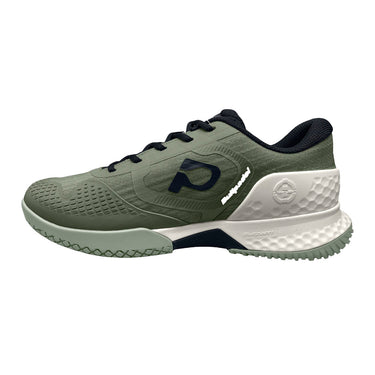
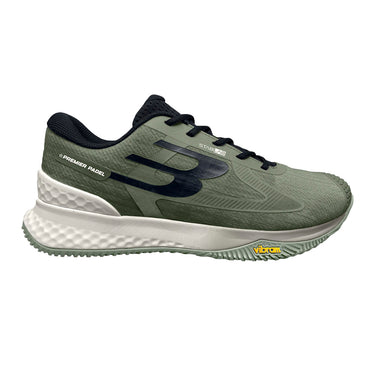
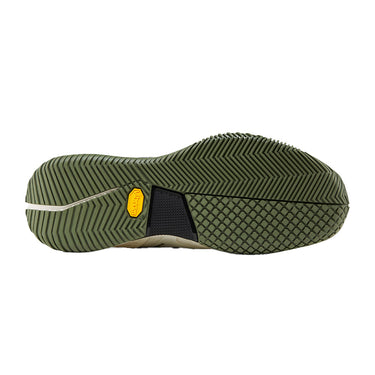
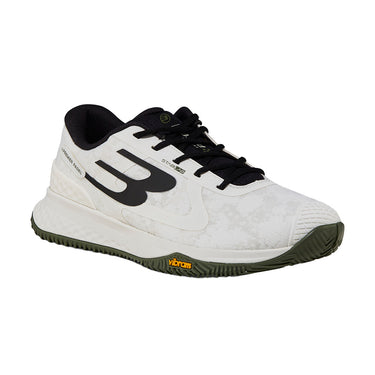
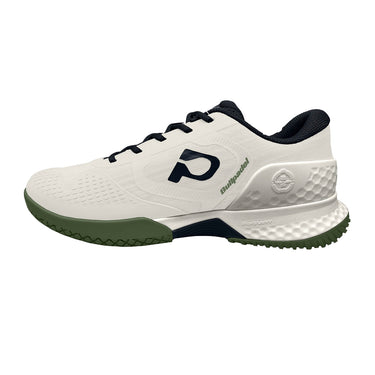
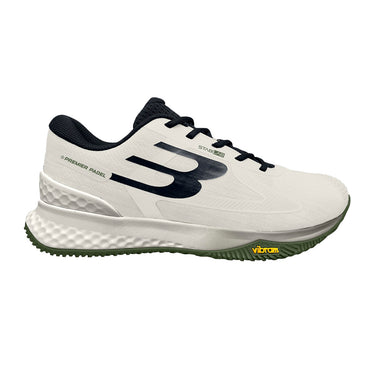
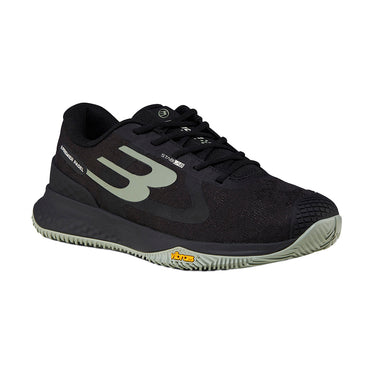
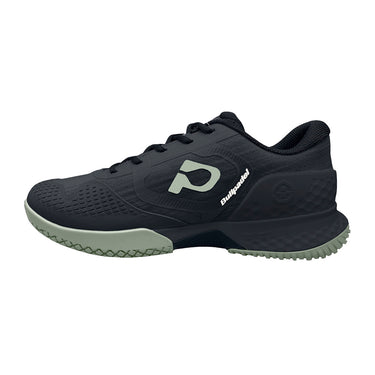
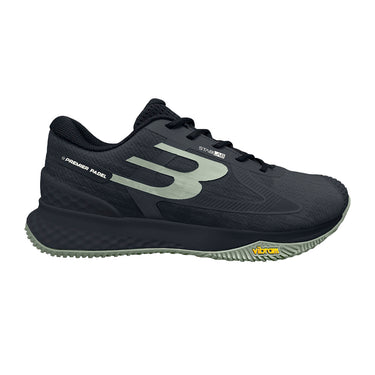
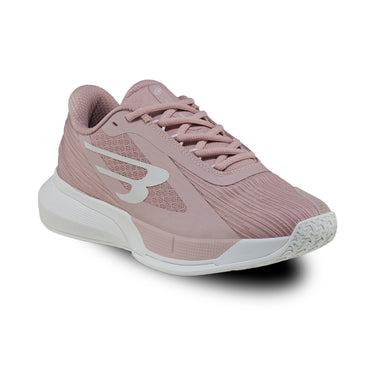
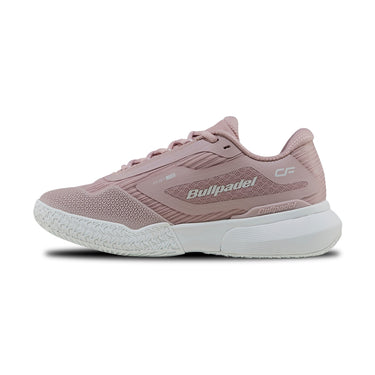


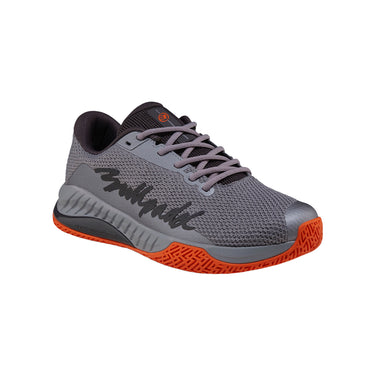
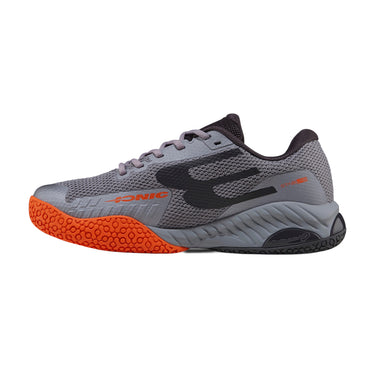
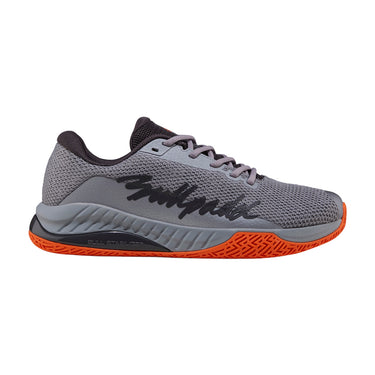
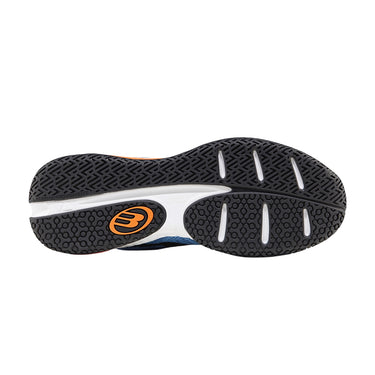
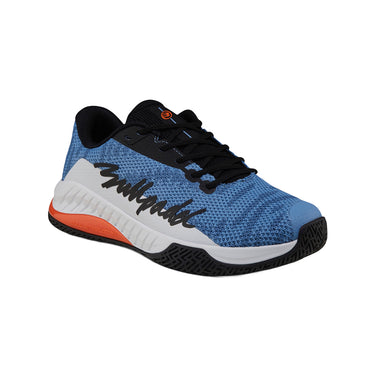
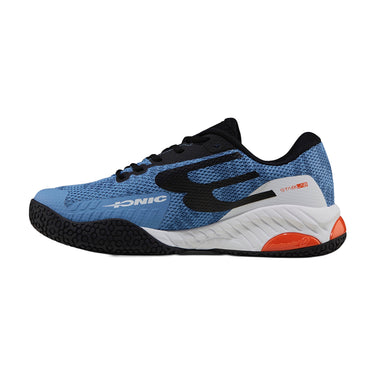
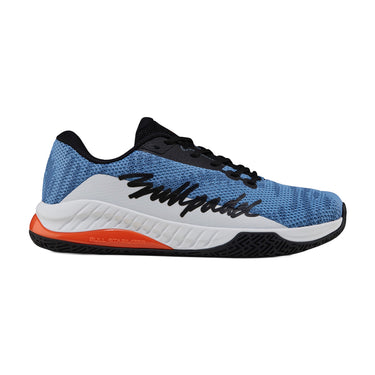
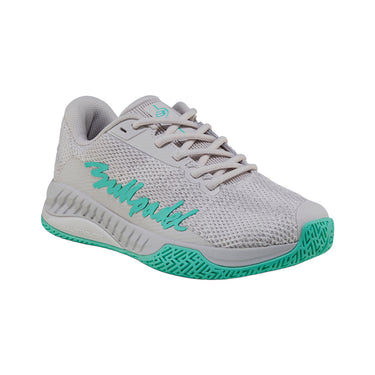
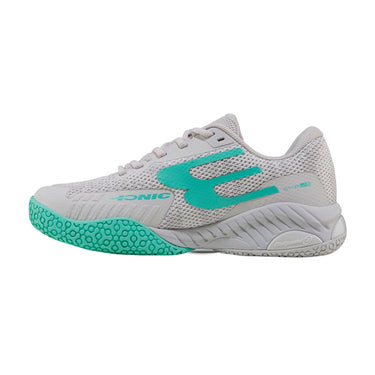
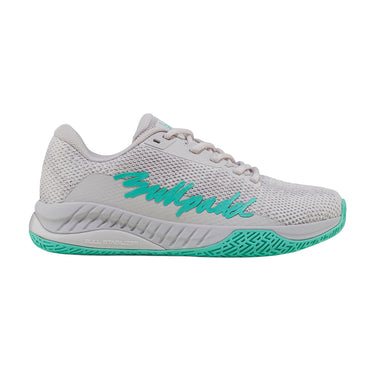
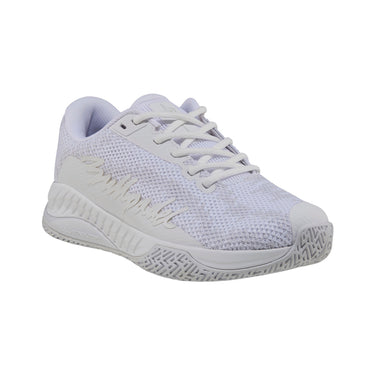
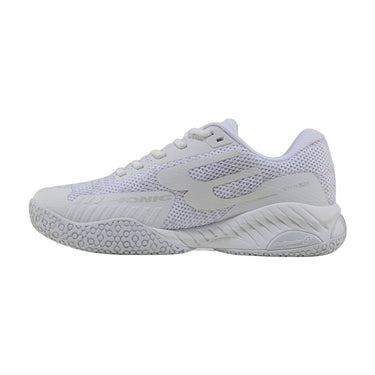
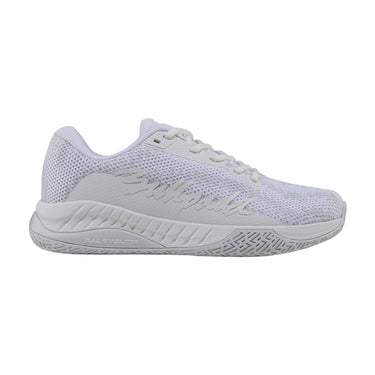
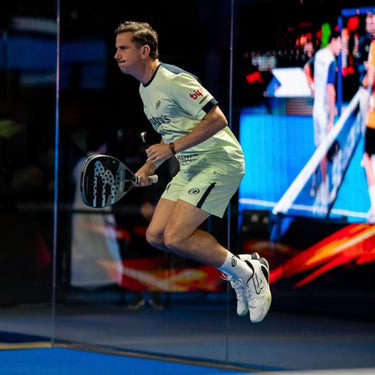


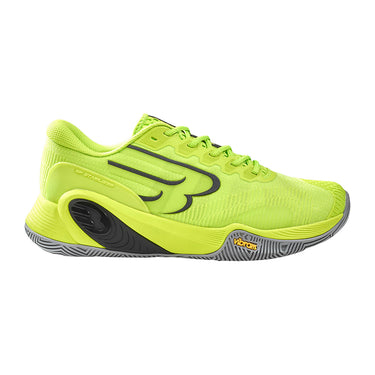


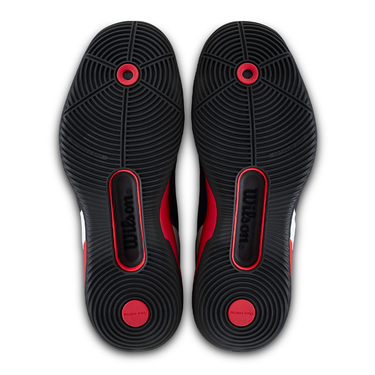
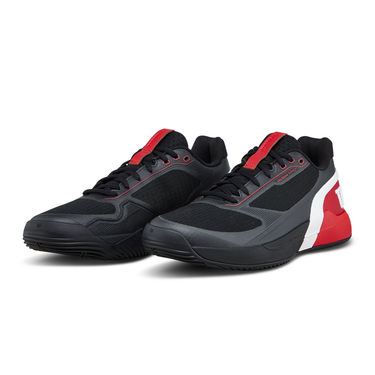
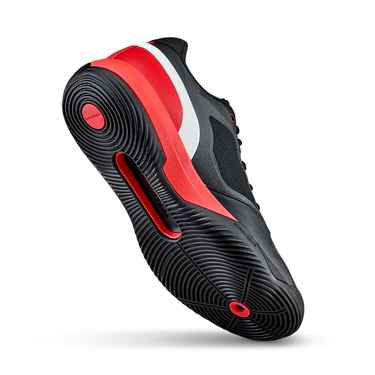

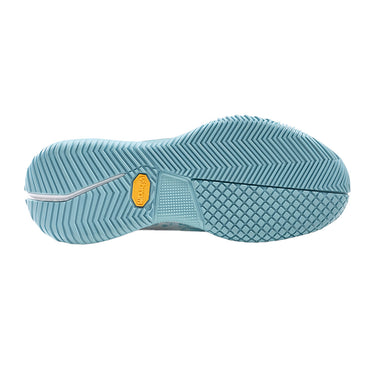
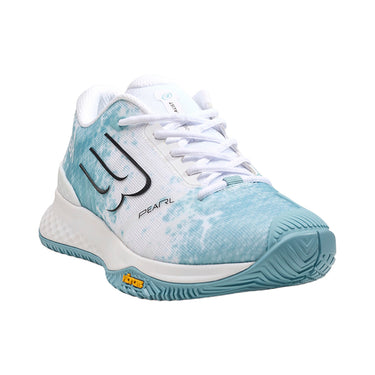
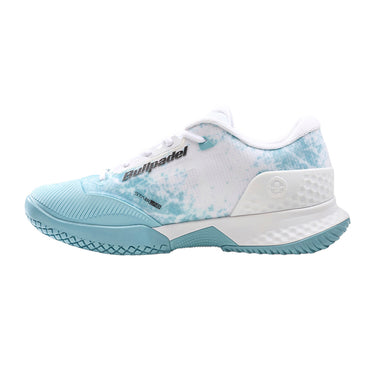
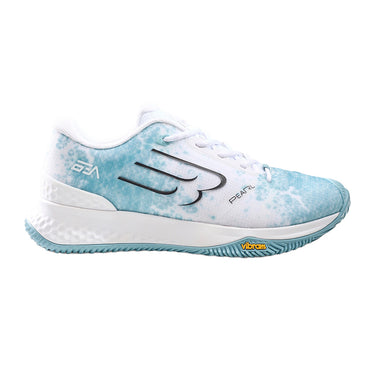



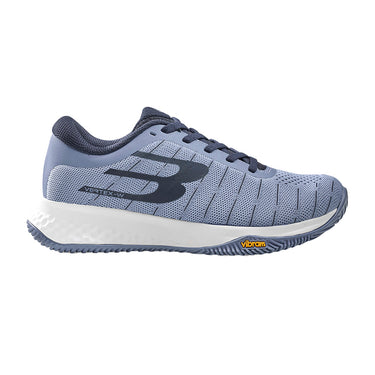
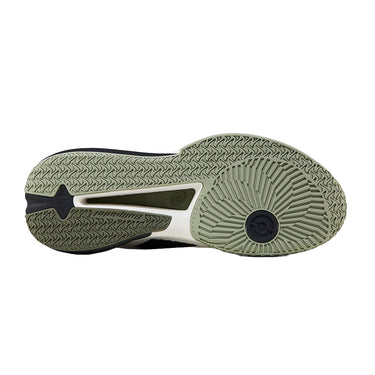
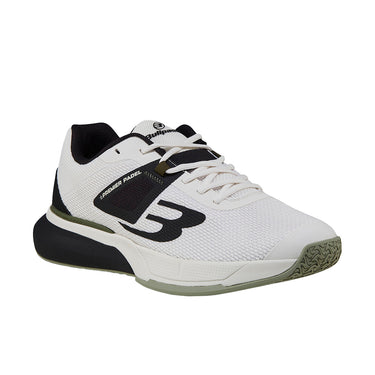
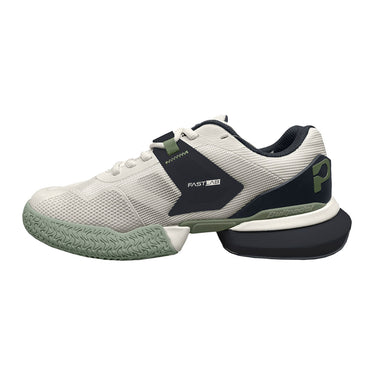
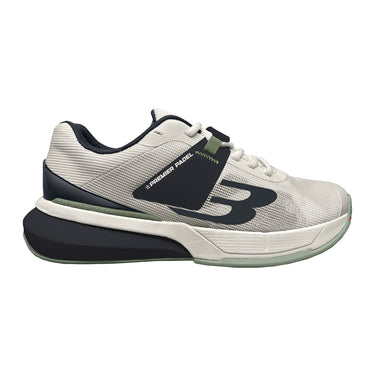
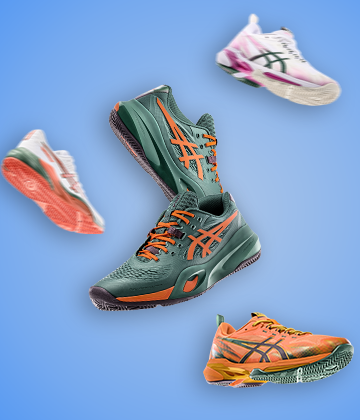
Padel shoes with an all court sole
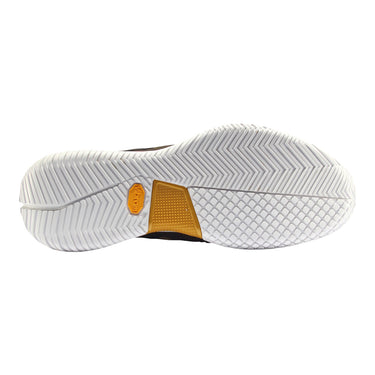
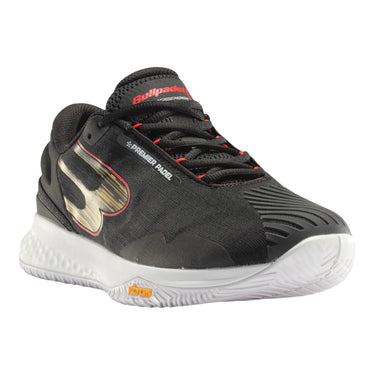
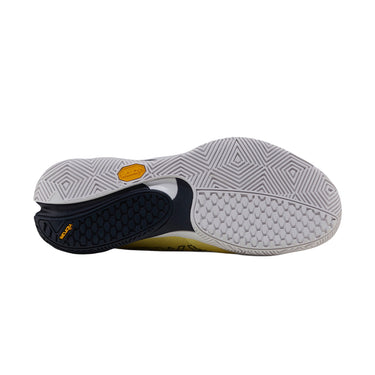
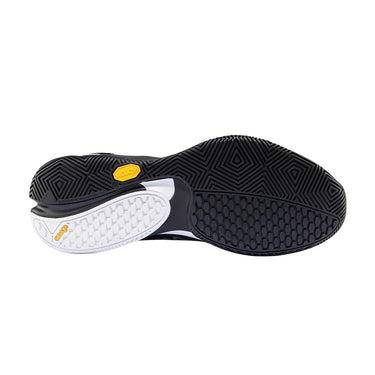
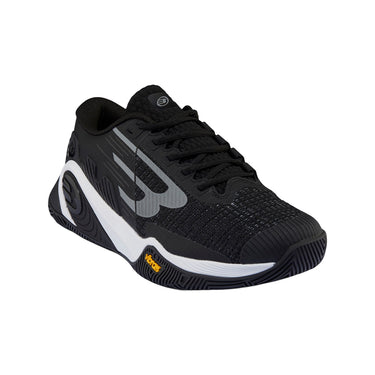
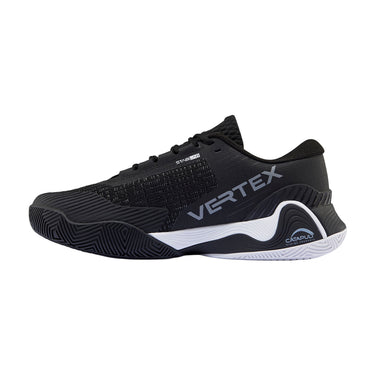
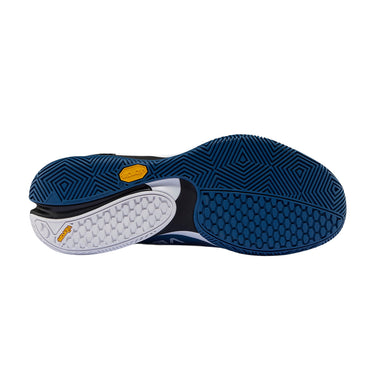
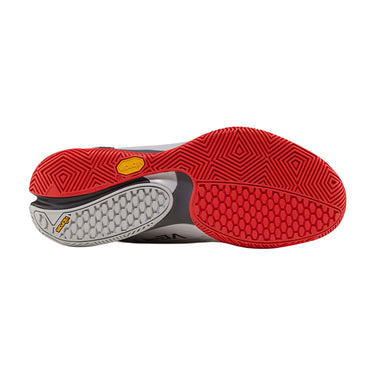
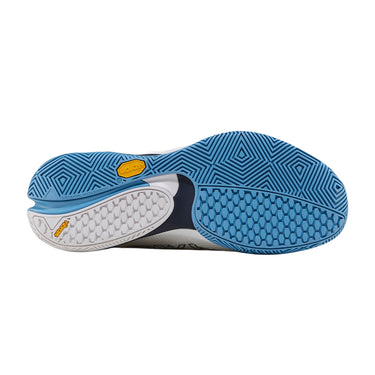
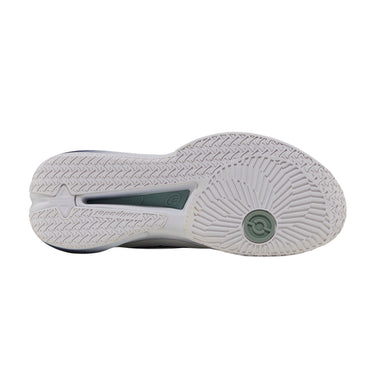
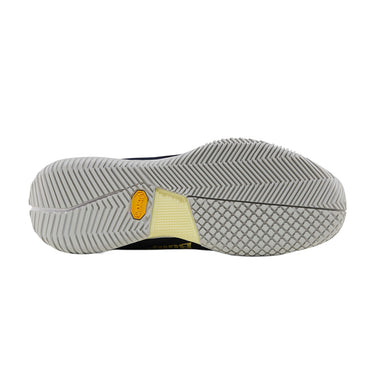
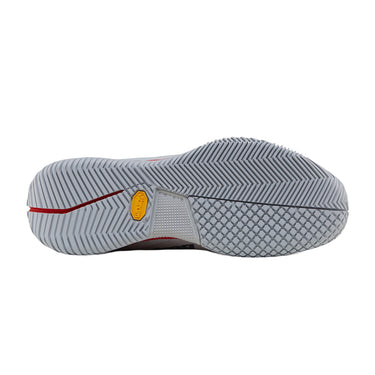
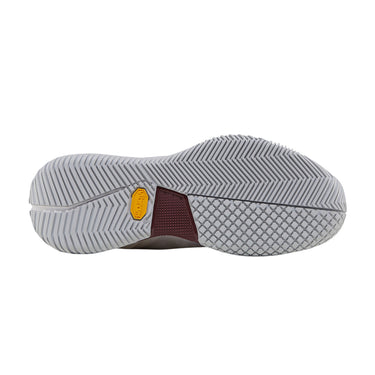
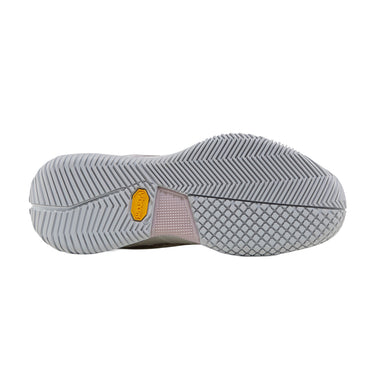
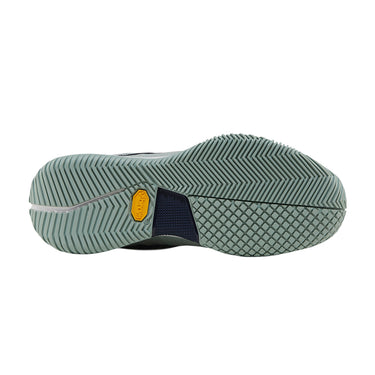
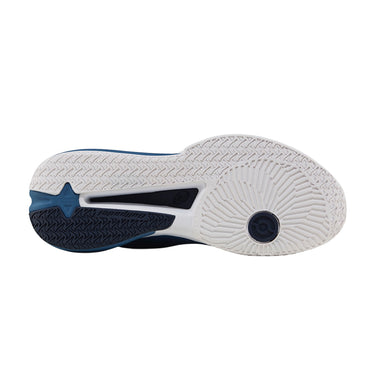
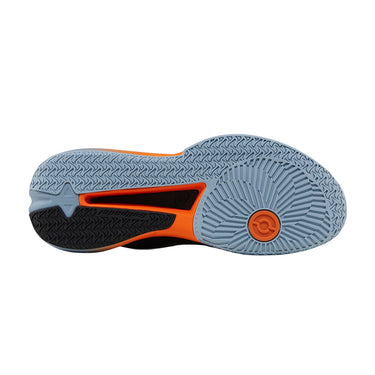
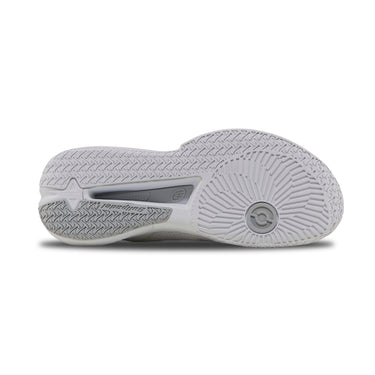
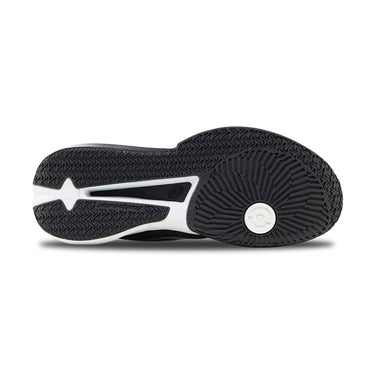
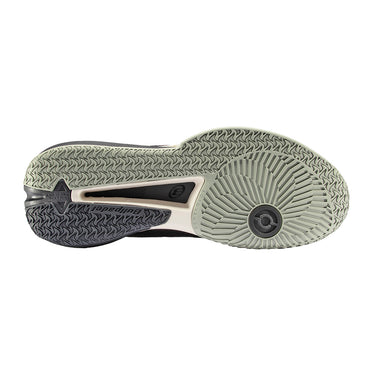
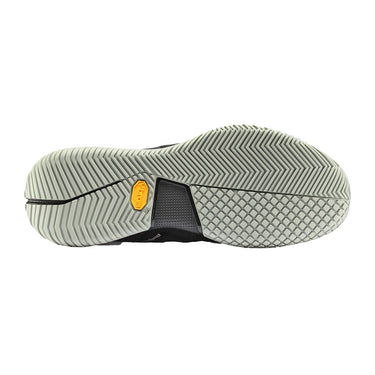
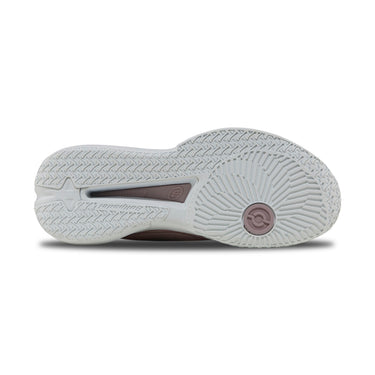
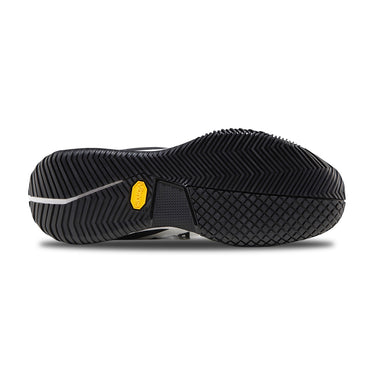
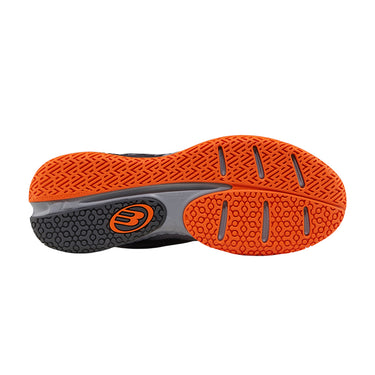
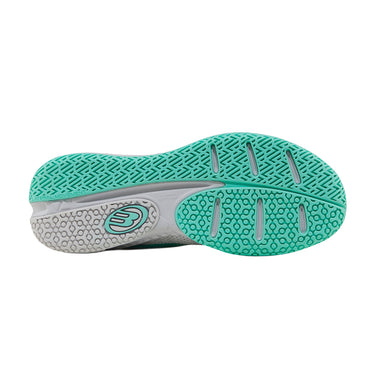
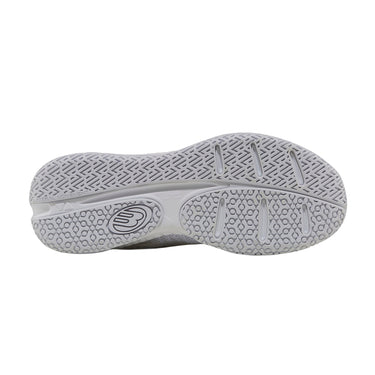
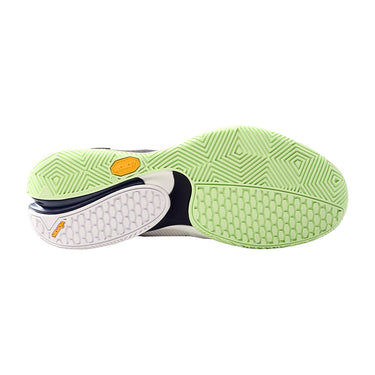
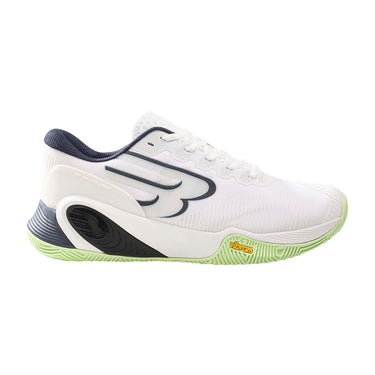
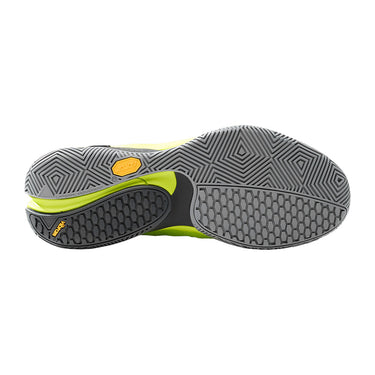
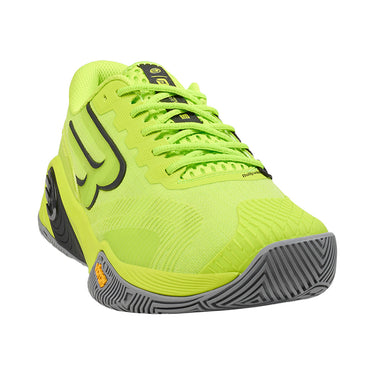
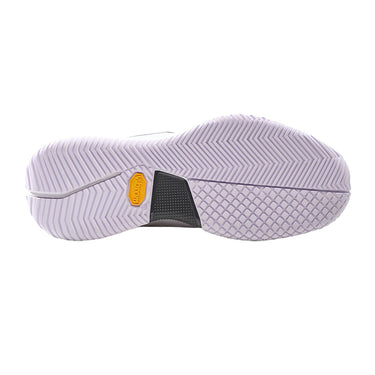
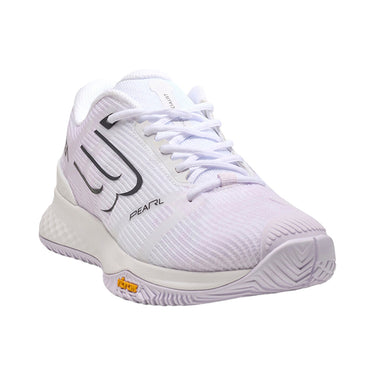
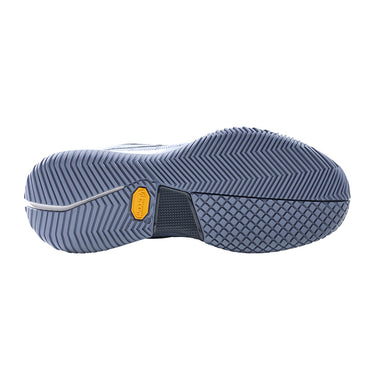
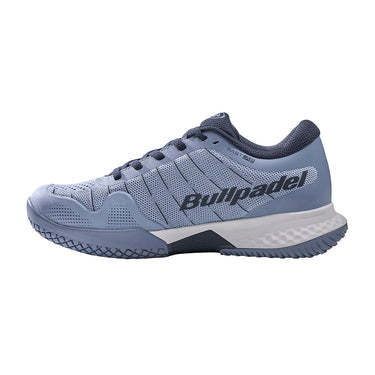
The all court sole —also called all court— combines clay zones and continuous-pattern zones in the same tread. It is a versatile choice for players who do not always play on the same court.
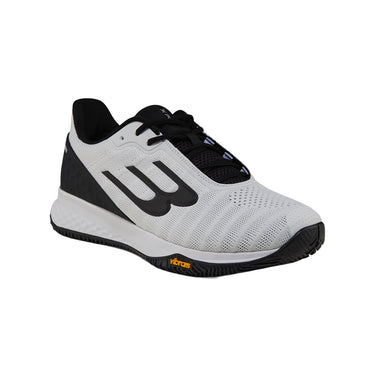
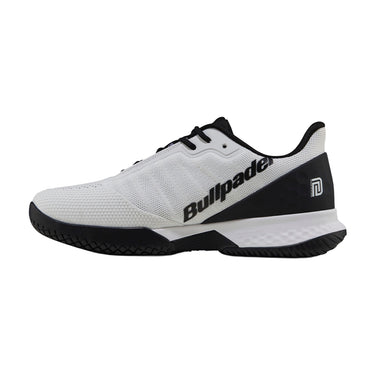
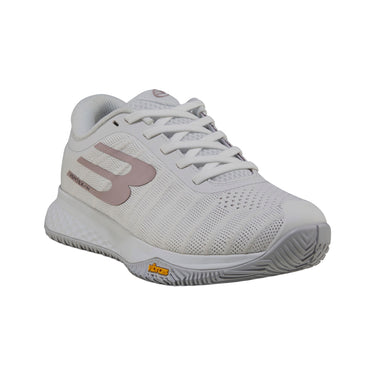
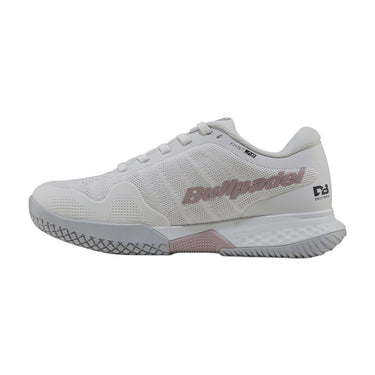
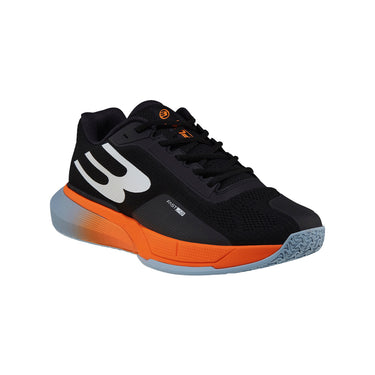
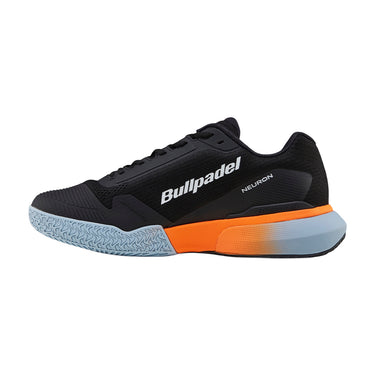
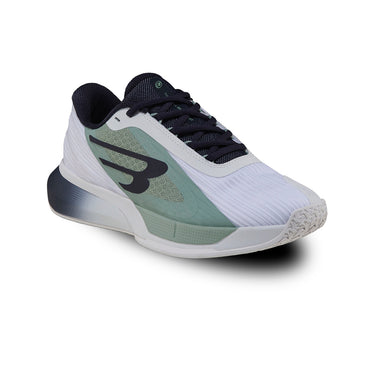
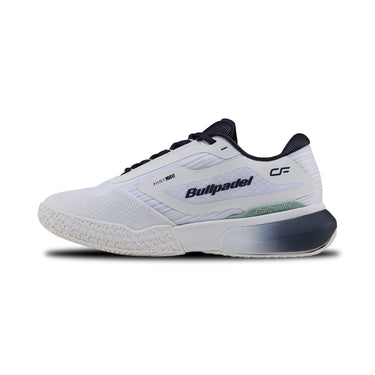
This collection filters the footwear catalogue by that specific sole type, with models for men, women and junior from various brands.
When the all court sole is the right choice
A pure clay sole is optimised for surfaces with loose sand: the zigzag expels it and provides grip. A continuous sole bites better on cleaner, more compact courts. The all court distributes: it places clay where traction is most needed for braking and continuous pattern where stability and contact matter.
It’s a good choice if:
- You play at different clubs and can’t control the condition of the court.
- You alternate between indoor and outdoor courts, where the amount of sand varies a great deal.
- You play on artificial grass courts with little sand, where a pure clay sole can skid more than it appears.
- You want one pair for everything and would rather not be perfect on any surface than fail outright on one.
And it’s less suitable if you always play in the same place and that court has a lot of sand: there a specific clay sole will give more grip.
What to look at besides the tread pattern
The type of sole is the first filter, but not the only one. Check the lateral support — reinforcements that prevent the foot from moving inside the shoe on impact — and the toe reinforcement, which is the area that wears first when dragging the foot on the volley. Cushioning decides how you finish a long match, and the fit varies considerably between manufacturers.
The midsole: where the cushioning lives
Between the sole and the foot there is a layer that almost nobody looks at and that matters a lot: the midsole, usually made of EVA-type foams. It is what absorbs the impact and determines whether you finish the match with your legs fresh or fatigued. A denser midsole returns more energy and feels quicker; a softer one cushions better and tires less in long sessions.
Another detail appreciated in summer is ventilation: mesh and perforations on the upper improve breathability and prevent the foot from overheating, at the expense of a little less containment.
Versatility: what you gain and what you give up
The all court sole is a compromise, and it helps to know in which direction that compromise leans. You gain versatility: a single pair responds acceptably on sandy courts, swept courts and indoors. You give up specialisation: on a very sandy court, a pure clay sole grips a little more, and on a very compact surface a continuous sole bites a little better.
For most players, that trade-off is favourable. Changing clubs, playing tournaments away or alternating morning and evening sessions are common situations, and in all of them the combination of patterns performs better than betting on a single surface.
How it performs in movement
Padel is played with short movements and constant changes of direction, and that is where the mixed tread is most appreciated. The clay zones bite on braking and evacuate sand; the continuous-pattern zones provide contact on lateral support and on controlled slides, those where the foot slides a few centimetres before locking.
That distribution has a practical consequence for injuries: footwear that neither slips nor digs in excessively reduces the strain absorbed by the ankle and knee at each change of support. Repeated impacts are what ultimately take their toll, and the balance between grip and slide is one of the variables that most influences this.
Support, stabiliser and fit
The performance of an all court shoe does not end with the sole. The heel stabiliser and lateral reinforcements are what prevent the foot from moving inside the shoe on a sudden landing; without them, the best tread in the world won’t hold. And the overall fit depends on each brand’s last, so two models of the same size can fit very differently.
A simple check when trying them on: the heel should not lift when walking and there should be approximately a finger’s width between the longest toe and the toe cap.
Lightness versus durability
Each manufacturer’s technologies concentrate on two fronts that pull in opposite directions. A lighter, more breathable upper fabric gives agility and comfort in heat; more reinforcements and more rubber give durability and containment at the cost of weight. Neither option is superior: it depends on how many hours you play and how aggressive your support is.
According to your level and how often you play
If you are just starting or play occasionally, the all court is probably the safest choice in the catalogue, because it is more forgiving and works on any court. If you train several times a week and always compete at the same club, it makes sense to consider a sole specific to that surface and keep the all court as a second pair.
And if you accumulate training and matches, check the toe reinforcement closely: it is the first area to fail when dragging the foot on the volley, and it marks the difference between shoes that last one season and those that last two.
Relation with the rest of your equipment
A frequently overlooked point: footwear influences performance as much or more than the padel racket. There is little use in a racket that suits you if you arrive late to the ball because your foot slips on the first step. If you are renewing gear and need to prioritise, suitable padel shoes for your court usually add more to your game than upgrading the racket.
Design, aesthetics and sizes
This collection contains models from various brands and quite a variety of design and colour. It is a legitimate decision to choose by aesthetics once the technical characteristics fit, but the order matters: first sole, support and fit; then design.
The audience filter allows narrowing to men, women or junior, and the size filter avoids the most frustrating step of online shopping, which is falling in love with a model that isn’t available in your size.
Brands and audience
The brand filter in the footwear category includes Adidas, Asics, Babolat, Bullpadel, Drop Shot, Head, Joma, Lacoste, Nox and Wilson, and the audience filter separates men, women, junior and unisex, so the collection can also be narrowed for children. Alongside the all court, the other patterns available are clay, omni and Padel Sole.
Where to go next
If you want to compare with the other sole patterns, the general category of padel shoes lets you change filters without leaving the catalogue. By gender, the most searched entry is padel shoes for men.
Frequently asked questions about the all court sole
What is the difference between an all court sole and a clay sole?
The clay is a continuous zigzag designed to evacuate sand; the all court combines that clay with stretches of smooth tread or studs. Clay gives more grip on loose surfaces; the all court performs better across a wider range of courts.
Does the all court sole last longer?
Not necessarily. Durability depends on the rubber compound and how you step, not on the tread. What does happen is that on very abrasive courts a sole with more contact surface can distribute wear better.
Is a tennis shoe with an all court sole suitable for padel?
It can be used occasionally, but it is not the same. Tennis soles for hard courts are not designed to evacuate sand and can grip too much, which increases strain on the knee during changes of direction.
Is the all court the best option if I only want one pair of shoes?
For most players, yes. It is the least likely to be wrong when you don’t always control the type of court, and for that reason it is also the most recommendable option as a first specific padel shoe.
Is it suitable for indoor glass courts?
Yes, and it is often a good choice precisely there, because indoor glass courts accumulate less sand and a very marked clay tread makes less use of its pattern.
Top Ventas
Padel Market’s best-selling products.