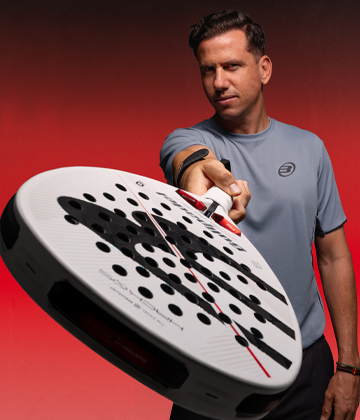
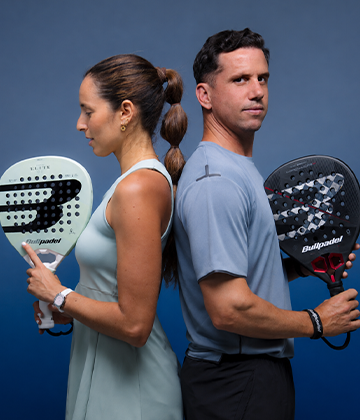
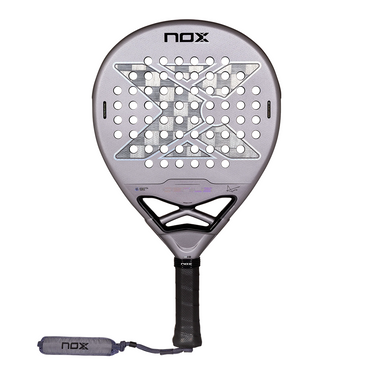
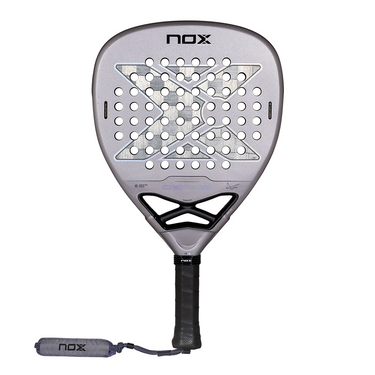
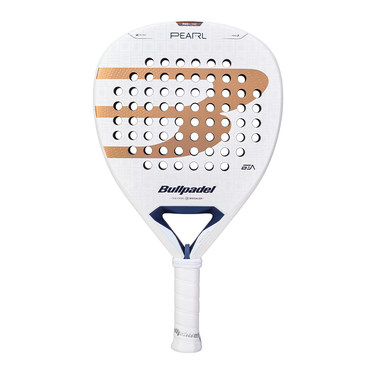
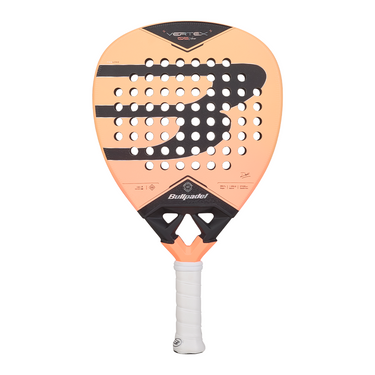
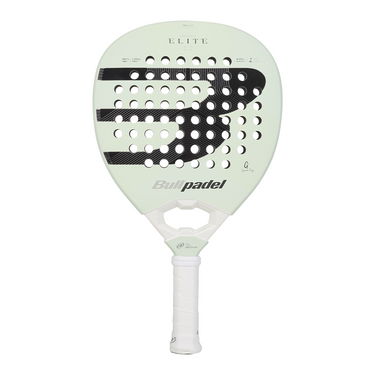
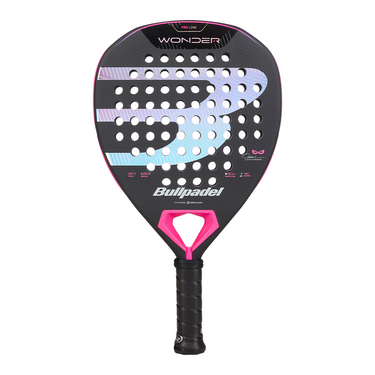
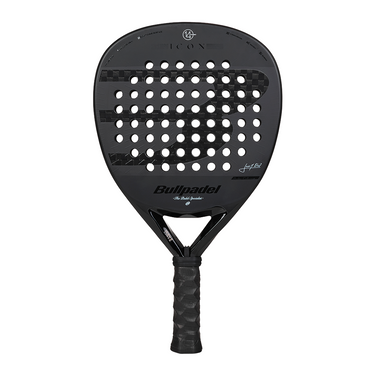
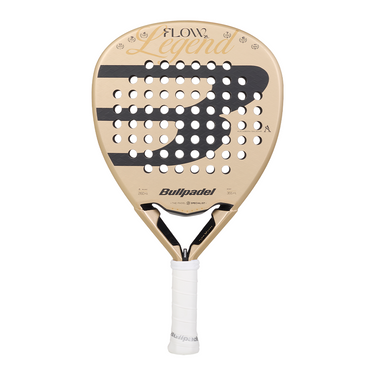
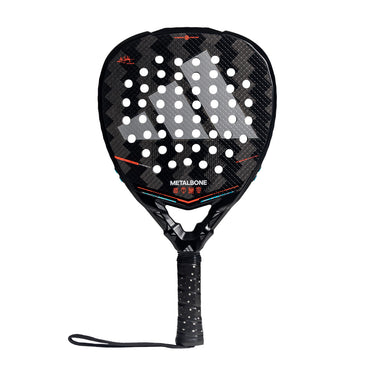
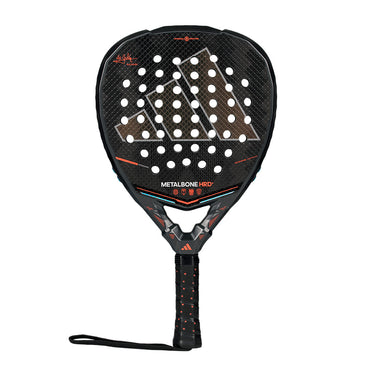
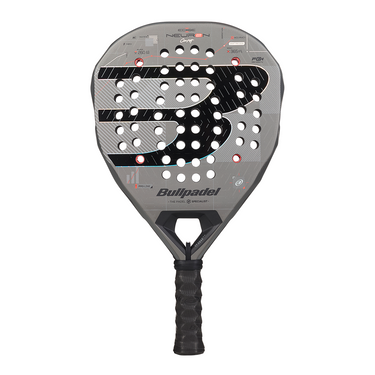
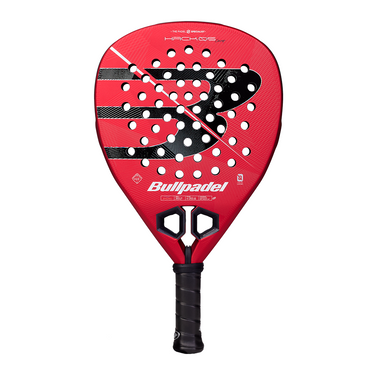
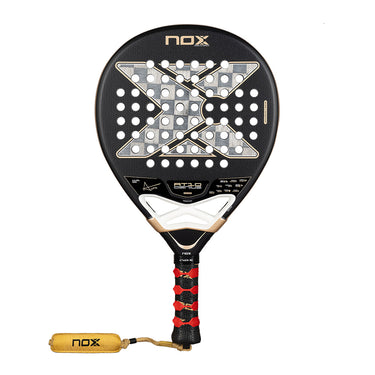
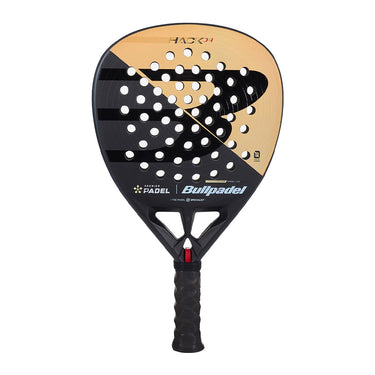
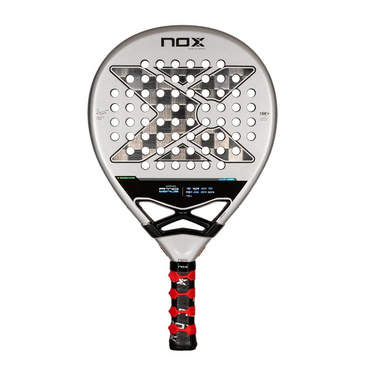
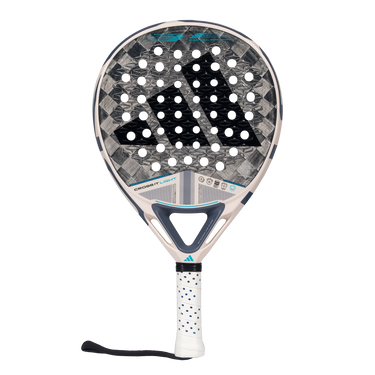
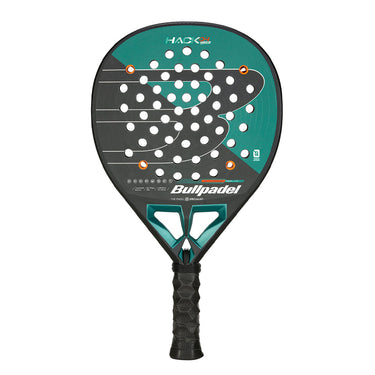
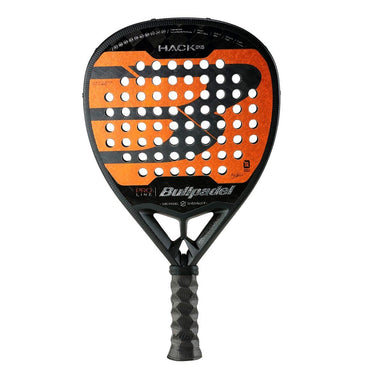
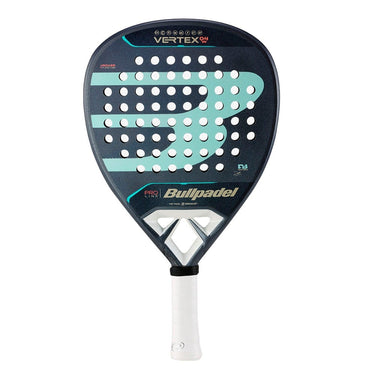
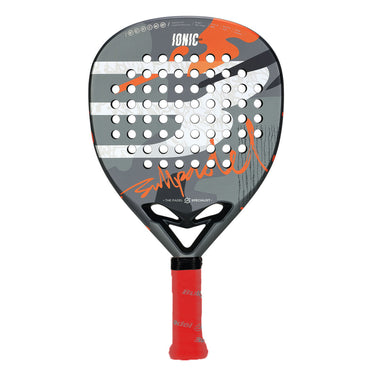
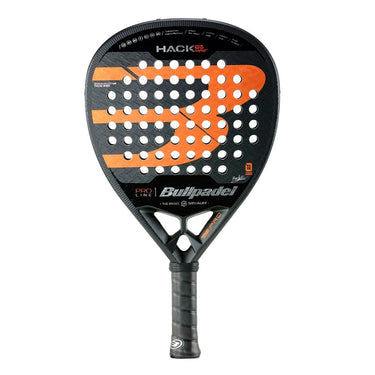
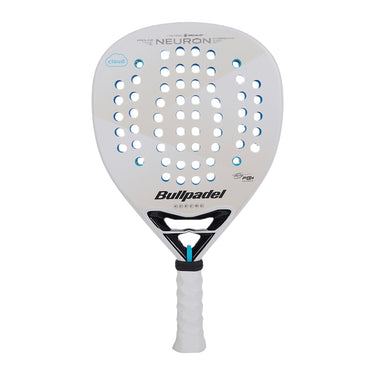
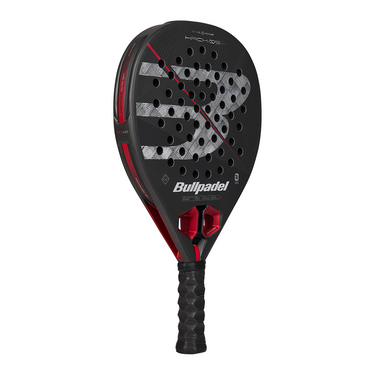
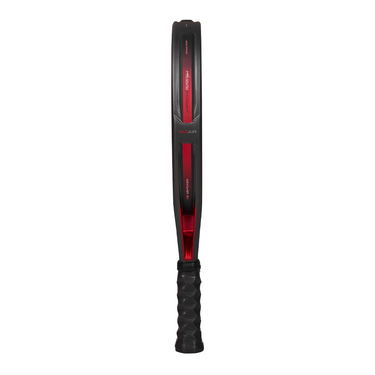
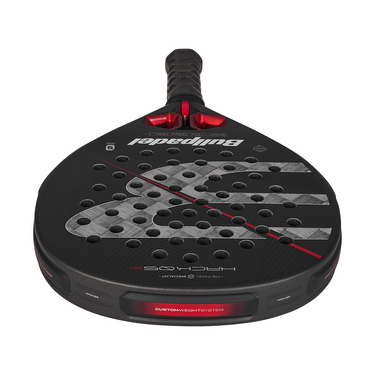
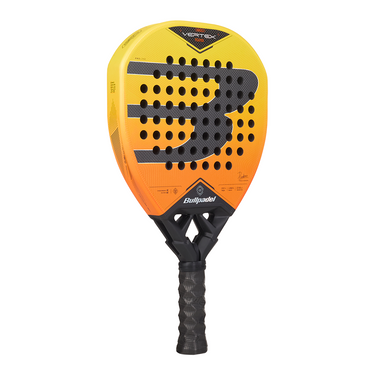
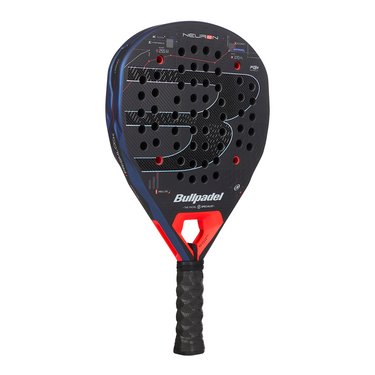
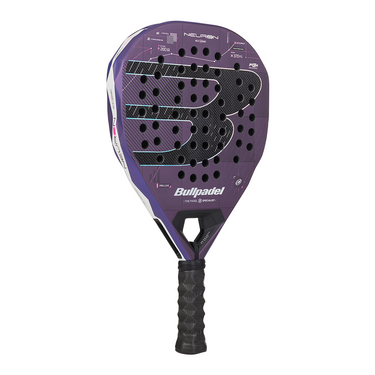
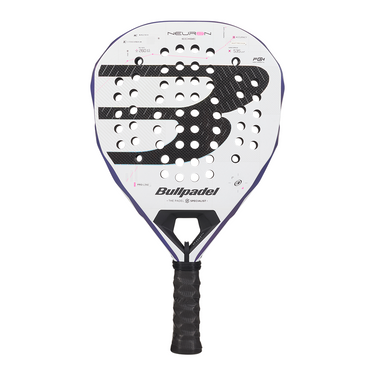
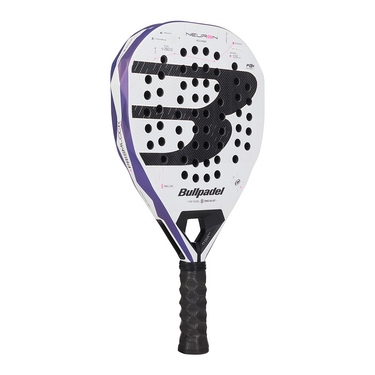
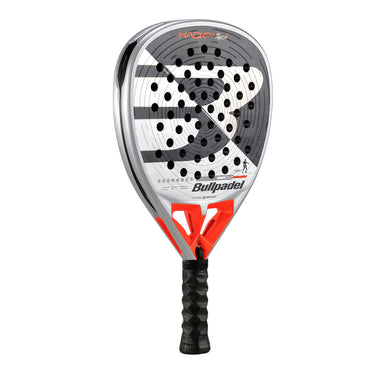
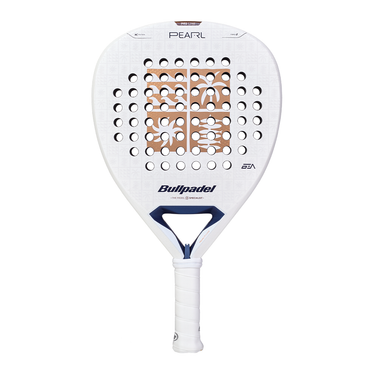
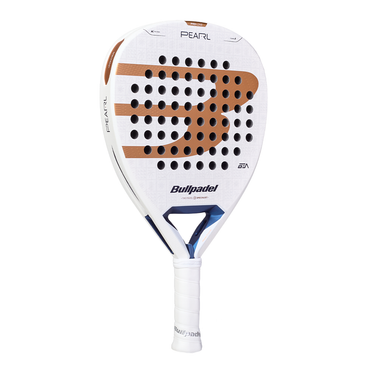
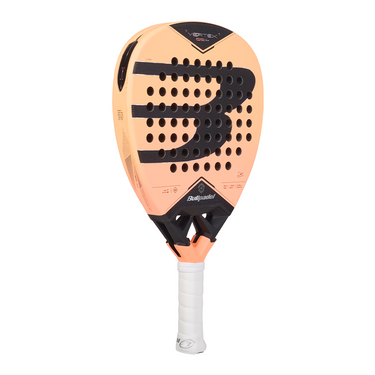
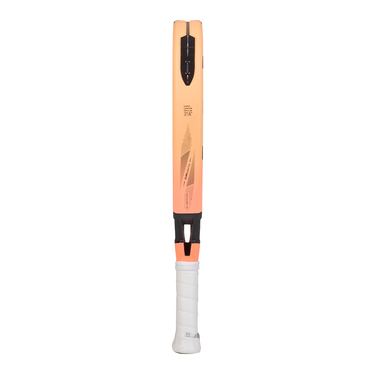
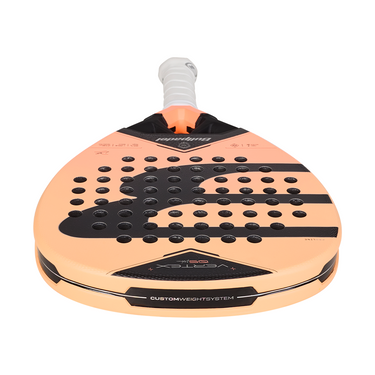
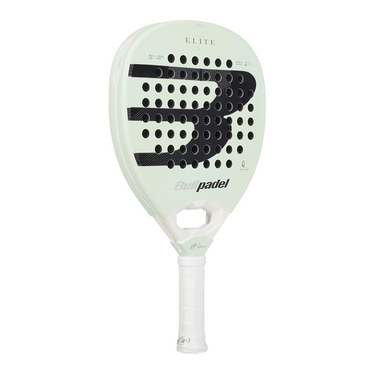
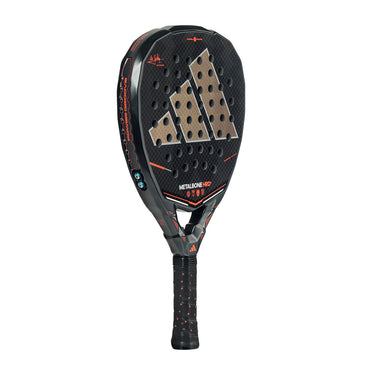
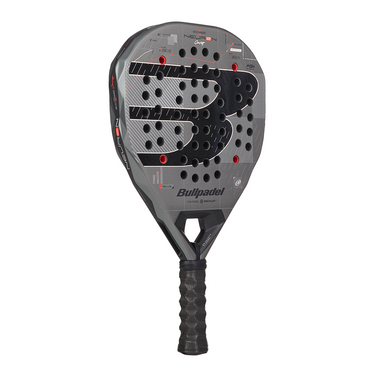
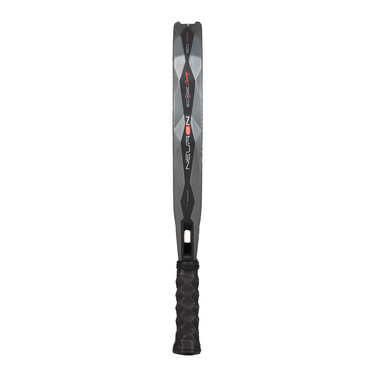
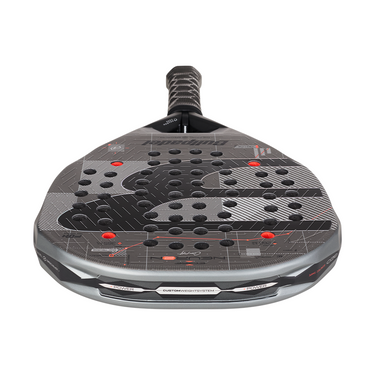
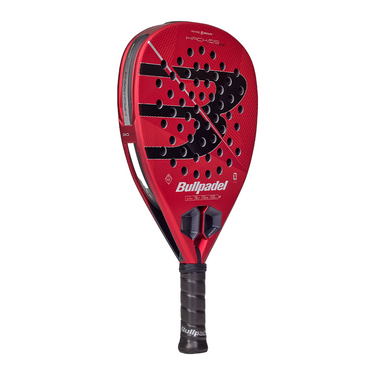
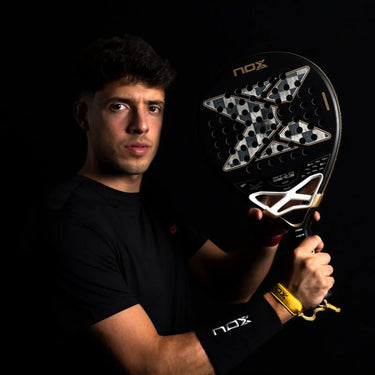
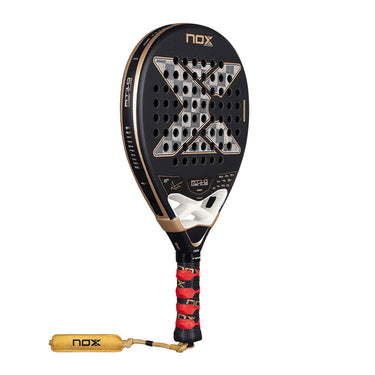
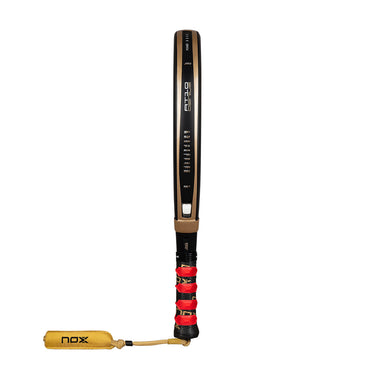
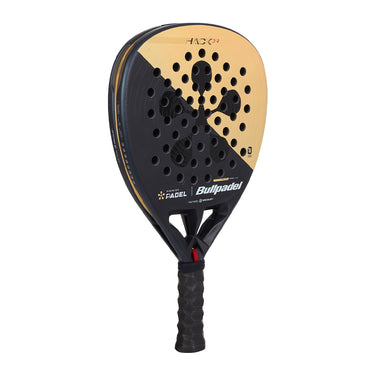
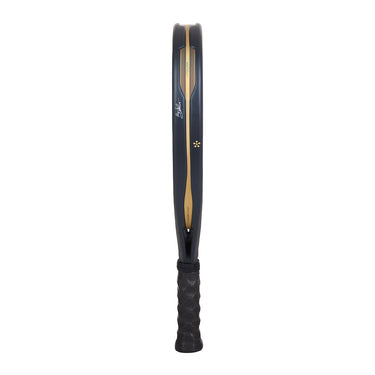
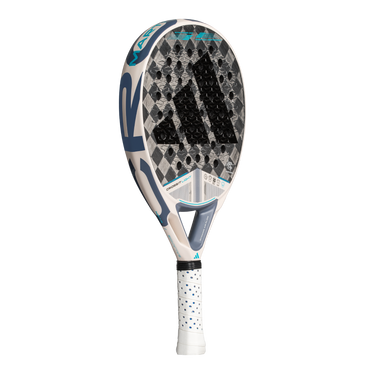
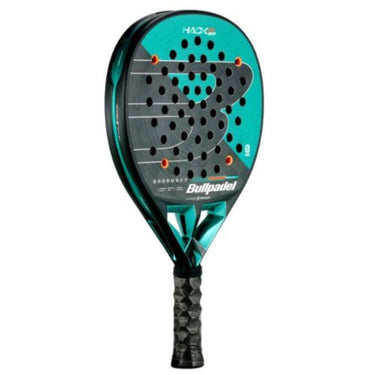
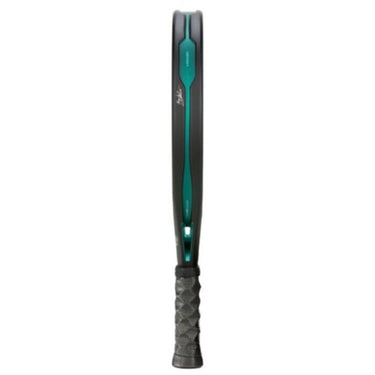
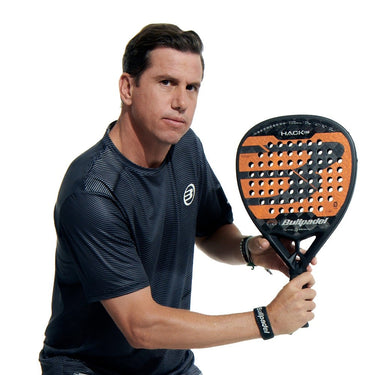
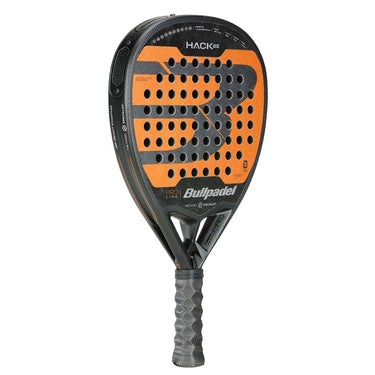
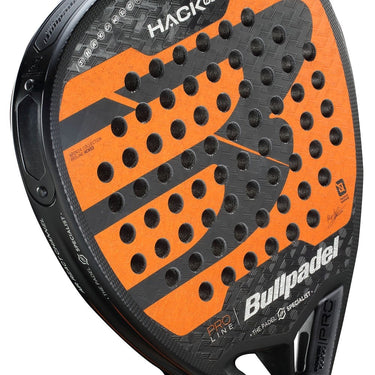
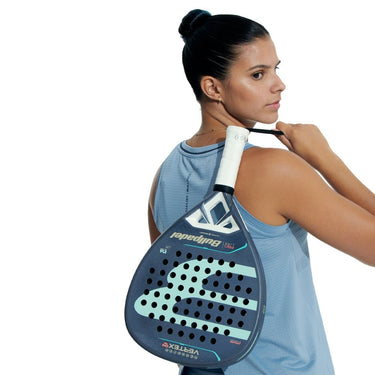
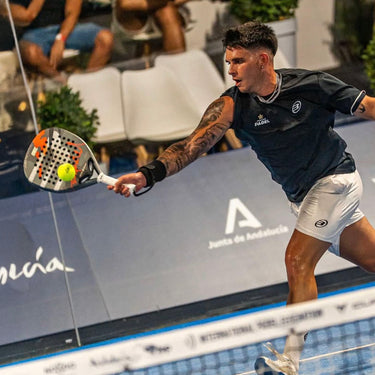
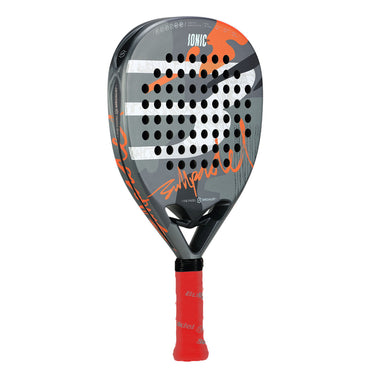
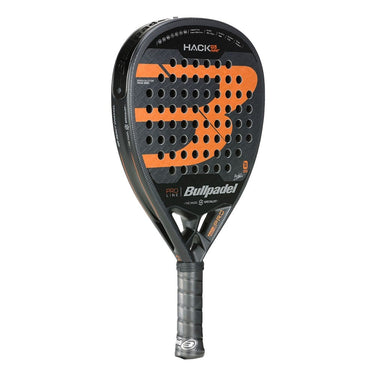
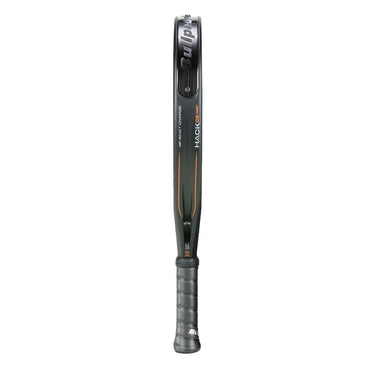
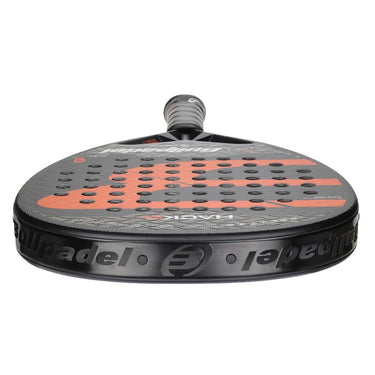
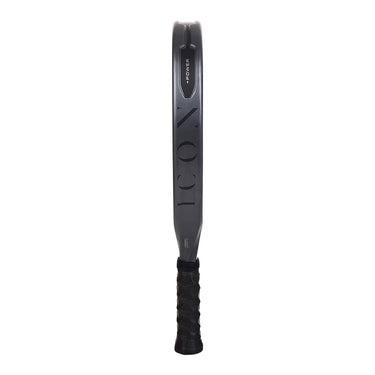
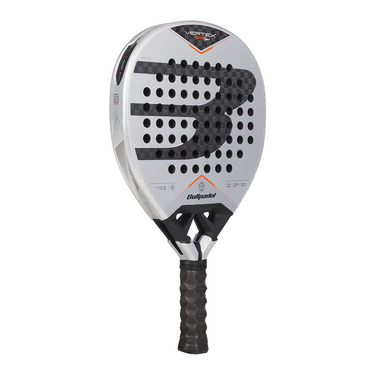
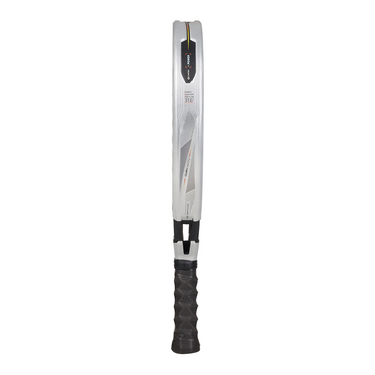
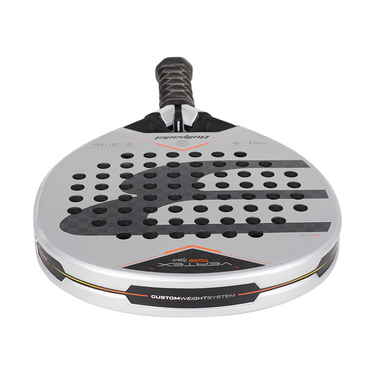
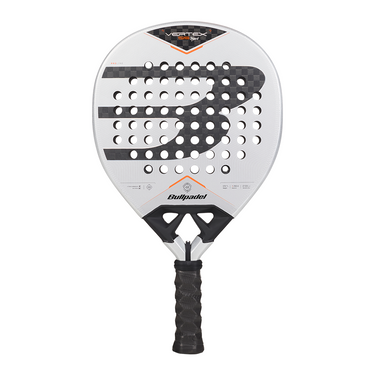
This collection brings together the padel rackets associated with players from the professional circuit. It offers a different way to browse the catalogue: instead of starting from shape or balance, you start from the professional whose game feels closest to yours.
It works well as a shortcut, but it should be used with a clear idea in mind: the collection name guides you towards a style, not whether that racket will perform for you.
What these padel rackets have in common
Less than it seems. Professionals on the circuit play in very different ways — there are baseline profiles, net players, finishers — and their equipment reflects that. What is common is that these models often sit at the demanding end of the catalogue: higher balances, medium to high hardness and constructions designed for fast, consolidated striking.
That has a practical consequence. If your technique is still being built, a more forgiving racket will give you better on-court results than the racket of the player you follow, no matter who endorses it.
Who appears in the filter
The professional filter in the racket catalogue includes familiar Premier Padel names such as Agustín Tapia, Ale Galán, Arturo Coello, Juan Lebrón, Paquito Navarro, Fede Chingotto, Martín Di Nenno and Juan Tello, and also players like Bea González, Gemma Triay, Alejandra Salazar, Delfi Brea and Marta Ortega. Each has their own collection within the catalogue.
In materials, what you will repeatedly see in these product sheets is a high proportion of carbon fibre on the face, sometimes combined with fibreglass, and a core of medium- or high-density rubber. It’s the combination that gives stability and precision on fast strikes, and also the one that demands most from the player.
What characterises an elite racket
References linked to professionals are almost always in the top tier of the catalogue, and that translates into four concrete traits worth knowing before buying.
Higher-grade materials. A high proportion of carbon fibre on the face, sometimes with fabrics of different K notations, and selected rubber cores.
Stiffer construction. Returns more energy on a fast strike, but also transmits more vibrations to the arm.
Higher balance. More mass at the head, more inertia on the finish and a greater requirement for arm speed.
Less margin for error. The sweet spot is smaller, so off-centre hits are penalised.
That combination defines their performance and their audience. An elite racket in the hands of a player who is still building their striking technique will perform worse than a forgiving racket, not better.
Shapes and strokes: which racket for which game
Shape is the datum that best translates a player’s style into a technical spec.
The diamond concentrates mass at the top and moves the sweet spot upwards: it’s the shape of players who live off finishing shots and aggressive net play. The teardrop distributes mass more evenly and suits the versatile player who needs to both retrieve balls from the back and close points. And the round centralises the sweet spot and prioritises control, which is what a placing and defensive baseline game requires.
Within the professional collections all three shapes coexist, because players on the circuit do not all play the same way: there are attacking profiles and constructing profiles, and their equipment reflects that.
Brands present in this collection
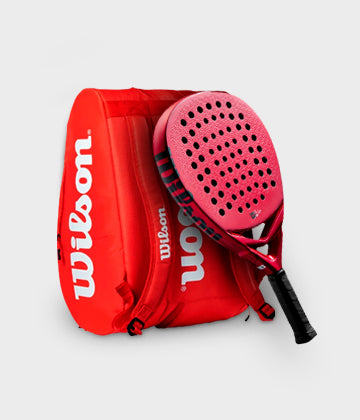
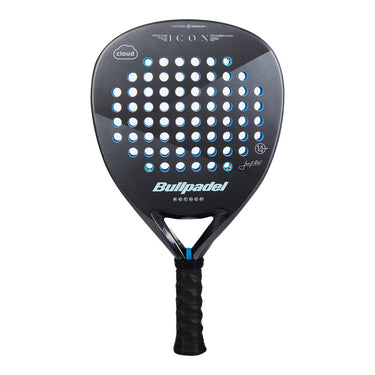
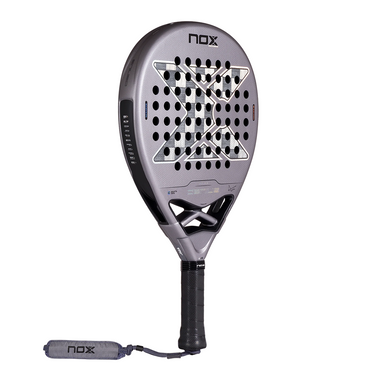
The rackets associated with professionals belong to the brands that sponsor those players, and the catalogue includes manufacturers such as Adidas, Bullpadel, Dunlop, Head, Nox, StarVie and Wilson, among others. Each organises its high-end range around its own frame and core technologies, with commercial names that change by season.
A tip to avoid getting lost among those names: always compare the objective data — shape, weight, balance, hardness and face material — before the commercial designations. They are what allow you to place two models from different brands on the same table.
Are you ready for a high-end padel racket?
Three questions answer the doubt better than any ranking. Do you strike cleanly and quickly, or do you still mis-hit quite a few balls? Do you play at least three times a week? Have you had any elbow or shoulder discomfort?
If the answer is consolidated striking, high frequency and no discomfort, a demanding racket will give you performance. If any of the three answers goes the other way, within those same lines there are often versions with lower hardness and balance that keep the look and feel of the family without punishing the arm.
Try before you buy
When two demanding models tie on paper, the only way to decide is on court. The collection of test padel rackets lets you try before committing to the purchase, and is especially useful in this segment, where differences between references are subtle and the price is high.
How to use the player’s name as a criterion
There is a way to make it work: use the player’s style as a shortcut to a racket profile. If you identify with a defensive, placement-based game, the equipment associated with players who play that way will tend towards round shapes and lower balances. If you are a finisher, a different player profile will get you to what you’re looking for faster.
Once there, the decision returns to the usual data: shape, balance, hardness and face material, with the level filter as the final check.
Where to follow
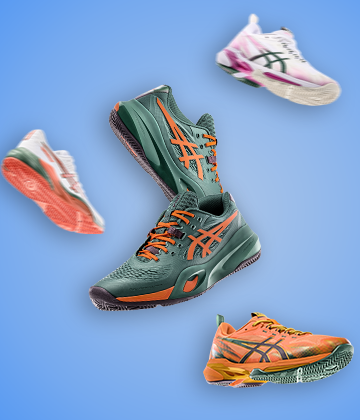
For the full catalogue with filtering by characteristics, the entry is padel rackets. If you are interested in other categories of professional equipment, you have pro players' trainers and the general entry Pro Players. And if you are undecided between two demanding models, test padel rackets is the way to resolve doubts without risking the purchase.
Frequently asked questions
Are these the rackets they use in tournaments?
They are the commercial versions of the lines associated with each player. The kit taken to competition usually incorporates personal adjustments to weight and grip that are not part of the standard product.
Can I play with a professional player's racket if I am intermediate level?
You can, but check the product sheet first. If the level filter places it at advanced and its balance is high, it will demand arm speed and clean striking; there are references within those same lines that are more manageable.
What do I gain by buying a professional player's racket?
The construction and materials of the line, which are the highest-level items in the catalogue. You do not gain their game or results: performance depends on those characteristics matching your technique.
Do these rackets transmit more vibrations?
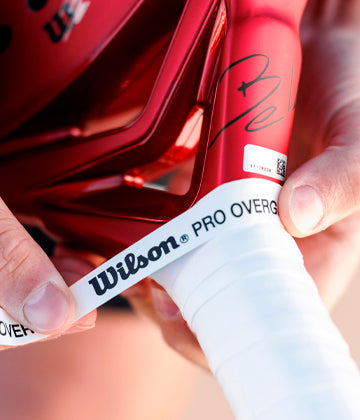
In general yes, because they are stiffer constructions. If you are sensitive to elbow issues, prioritise within the same family the medium-hardness versions and keep the overgrip in good condition.
Why do not all the rackets in this collection look alike?
Because players on the circuit do not all play the same way. Each line is built around the profile of the player who signs it, and those profiles differ from one another.