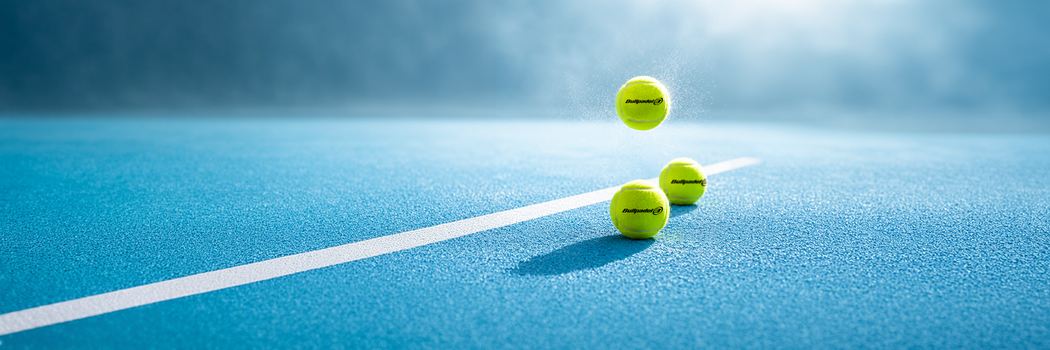
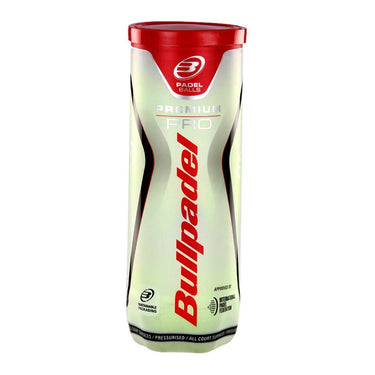
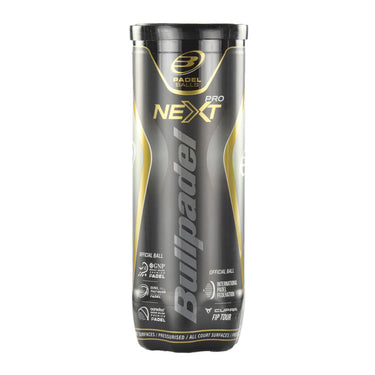
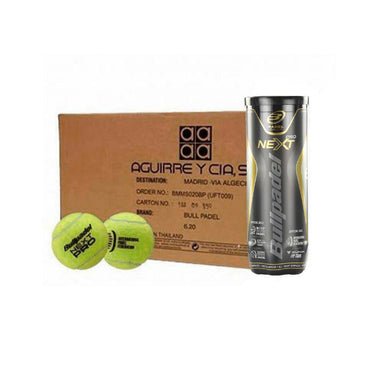
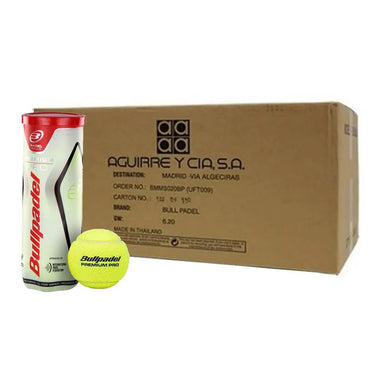
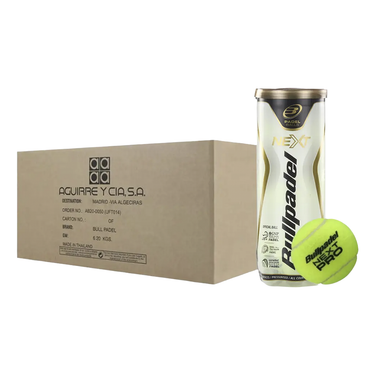
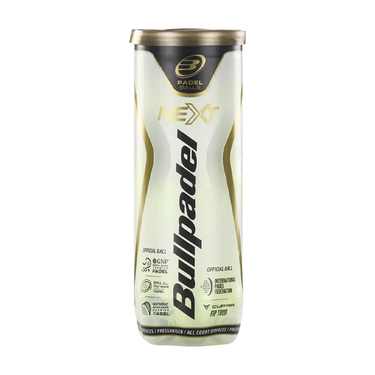
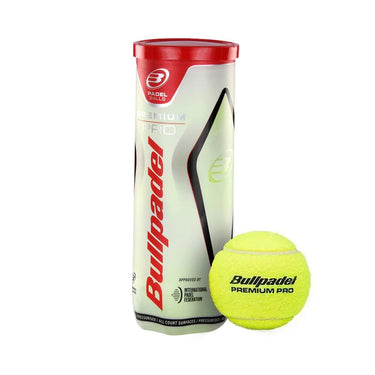
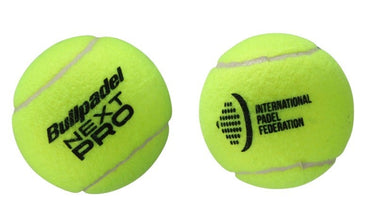
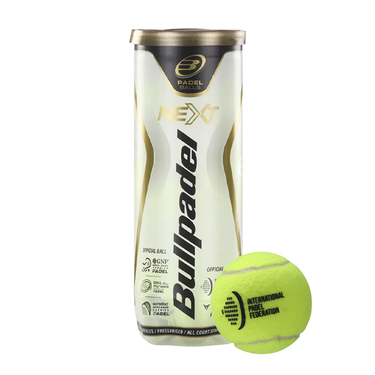
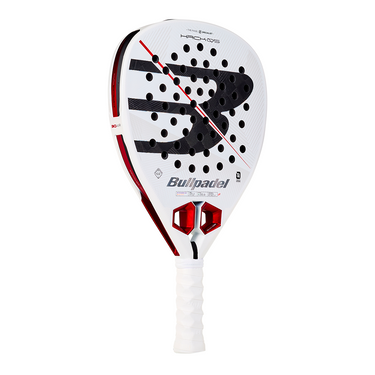
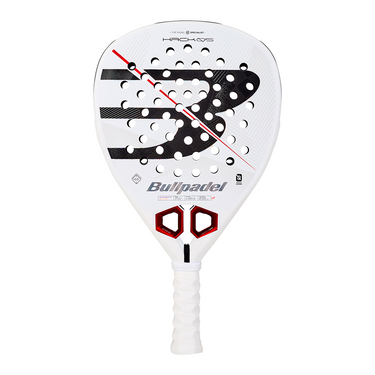
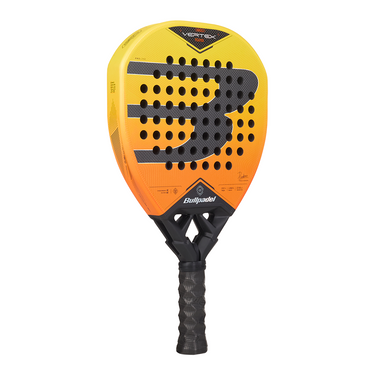
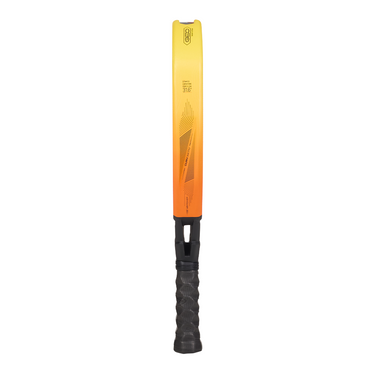
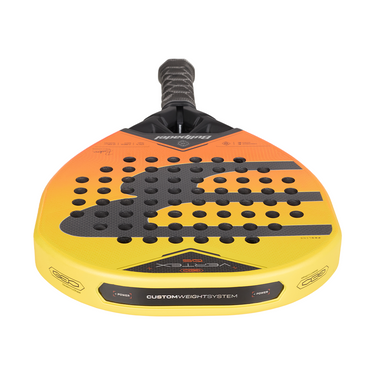
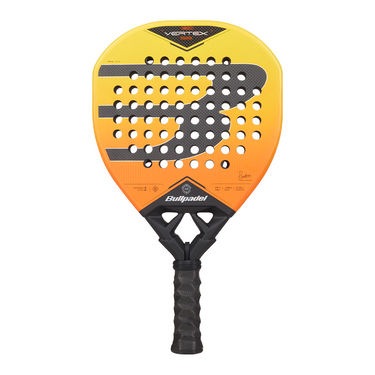
Bullpadel appears in the balls category filter of the catalogue with a limited selection of references. This collection groups them together for viewing.
It is one of the most recognisable brands in padel, and many people come here looking for balls from the same brand as their padel racket or their racket bag. That is a legitimate preference; what is advisable is not to stop at that alone, because within the same brand there are balls designed for quite different uses.
The decision that really matters: what you'll be using them for
Training
They prioritise felt that withstands more sessions. They bounce slightly less lively from the start and that difference remains stable for longer. This is sensible for weekly matches with friends, lessons and hitting practice.
Competition
They prioritise response and consistency of the bounce from the first point. They perform better and last for less time. They make sense when the playing level is high or when playing a tournament, where uniformity of the bounce does decide points.
Buying competition balls for Thursday's match is not a serious mistake, but it is paying for a response that degrades sooner than training balls would last you.
What makes a ball fast
Two things that are rarely explained. The first is the core rubber: its density and thickness determine how much energy the ball returns on the bounce and, with it, the speed of the point. The second is the internal pressure, which sustains that behaviour over time. When a ball loses pressure, the bounce drops and you have to hit harder to achieve the same depth.
The felt comes into the equation in another way: it determines how much the spin grips and how much consistency the whole keeps as it wears. A ball with correct pressure but frayed felt becomes unpredictable, even if it bounces well.
Format
The balls catalogue offers an individual can or tube, a three-can tripack and a box of twenty-four. The choice depends on frequency: a single can for occasional use, a tripack if you play every week, and a box for clubs, academies and groups that consume continuously.
Approval and use in competition
Balls used in official competition must comply with the regulations of the International Padel Federation, which sets ranges for diameter, weight and bounce height. Within those ranges there is considerable variation, and that is why two approved items can feel different: one livelier and another more controlled.
For tournaments and federated competitions, the important thing is to use the same model throughout the event, because consistency of bounce between matches directly affects play. For training, the priority changes and the durability of the material prevails.
How this translates to your game
A ball's performance is noticed mainly in two moments. On the shot after the bounce, where a high-pressure ball forces you to anticipate and a lower-pressure one gives more time to get into position. And on smashes, where the ball's ability to maintain speed determines whether the point finishes or is returned.
With use, that capacity is lost gradually. First the bounce height falls, then the felt opens up and control on the rebound off the glass becomes irregular. When you notice you need more power for the same result, the material is already affecting your technique more than you think.
How much budget to allocate
They are the cheapest consumable in the sport and the one that most influences the match experience. Compared with what a padel racket or a pair of trainers costs, replacing balls frequently is a small investment with an immediate effect on the quality of play. If you play every week, the tripack format usually covers a month's needs without having to think about it.
A note on storage
An unopened can is pressurised and that is why the ball maintains its bounce. From the moment it is opened, the pressure begins to fall even if you do not play, so it is not worthwhile to open several cans in advance. If you play a lot, a pressuriser extends the life of cans already opened and is available in accessories.
Where to find more
For the complete balls catalogue with format and usage filters, the entry point is padel balls. And if you want to compare manufacturers, you have balls by brand.
Frequently asked questions
How many balls are in a can?
The standard format in padel is three balls per can. The exact number for each item appears on its product page.
How long do they last?
It depends on the level of play and the surface. In fast-paced matches the felt opens earlier and the pressure falls faster. The practical sign is having to hit harder to reach the back of the court.
Can the same balls be used for training and competition?
You can, but it is advisable not to take worn balls into a serious match: irregular bounce changes the rhythm of the point and penalises especially players who play from the back.