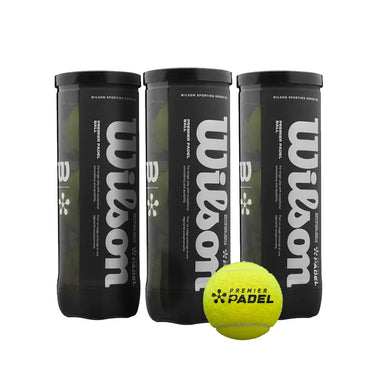
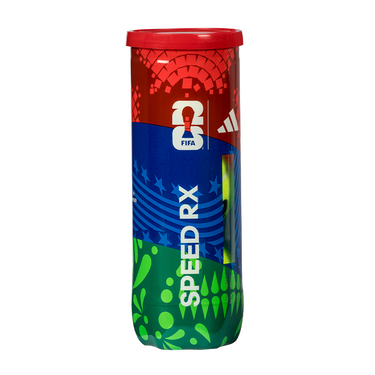
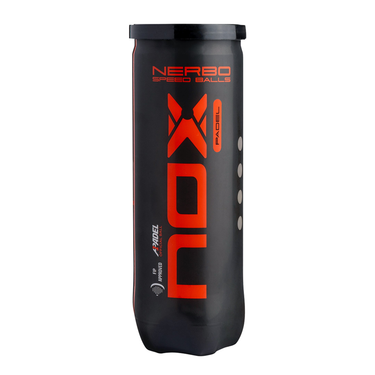
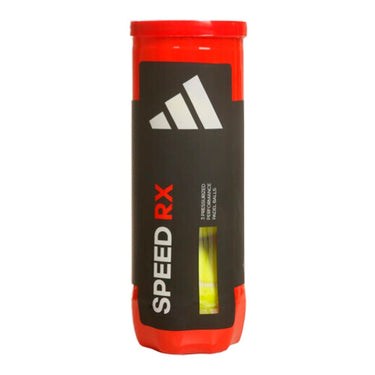
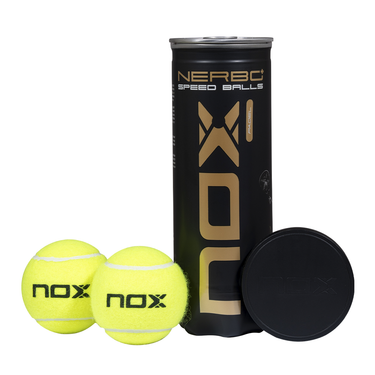
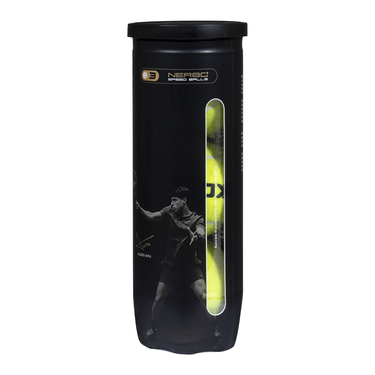
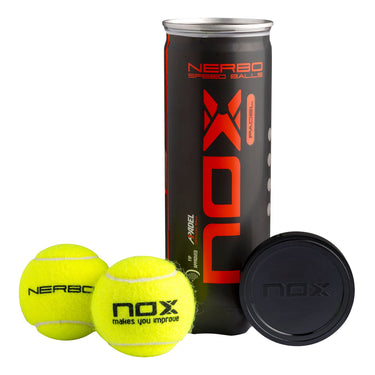
Padel balls are the consumable of the sport: they are bought often, cost little compared with the rest of the kit and affect the match more than it seems. A ball that has lost pressure bounces low, forces you to hit harder to achieve the same depth and completely changes the rhythm of the point.
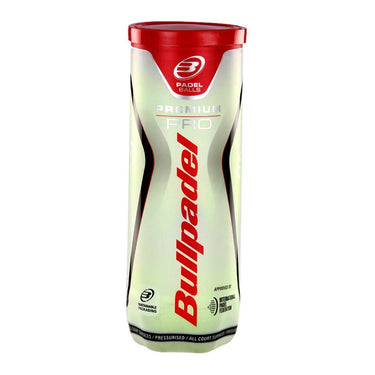
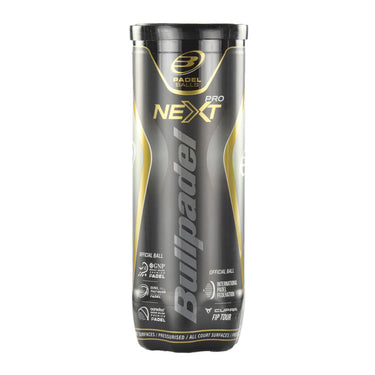
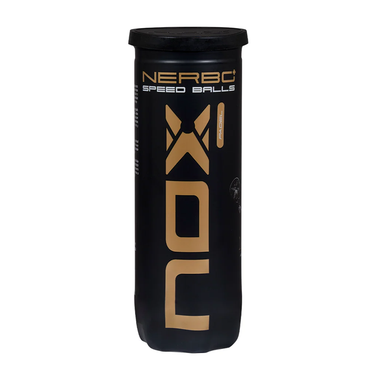
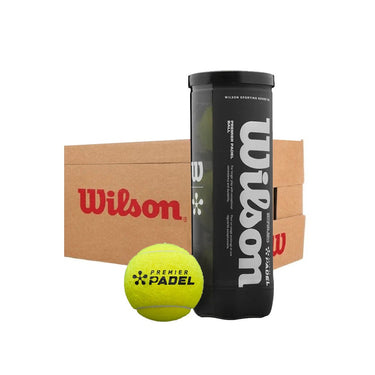
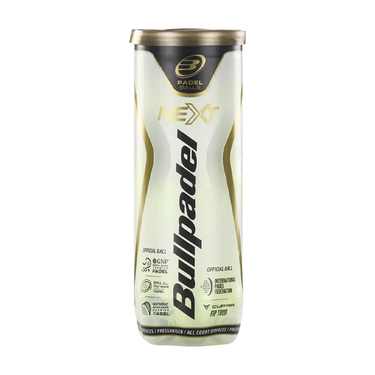
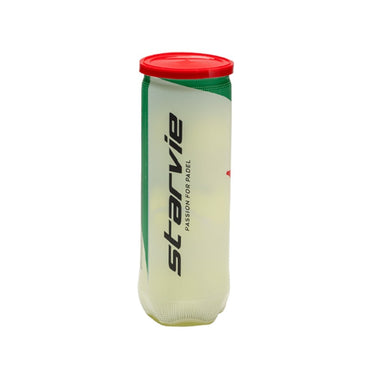
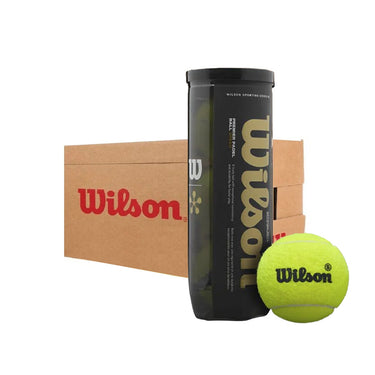
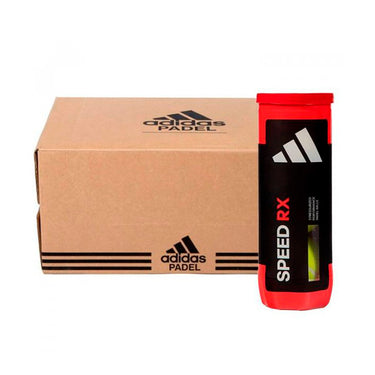
In this category you have the full catalogue, with single-can formats, tripacks of three cans and boxes of twenty-four cans for clubs, academies and groups who play regularly. The brand filter includes Adidas, Black Crown, Bullpadel, Head, Nox, StarVie and Wilson. This page brings together the same category of padel balls.
How to choose your balls
Training or competition
This is the first decision, and it answers a simple question: how many hours will they last? Balls aimed at training prioritise the durability of the felt and keep an acceptable behaviour over more sessions. Competition balls prioritise response and consistency of the bounce from the first point, at the cost of a shorter useful life.
What the rules say
The padel ball is standardised, and knowing those margins helps to understand why two different models can be so similar. The rules set a diameter between 6.35 and 6.77 centimetres, a weight between 56 and 59.4 grams and a rebound between 135 and 145 centimetres when dropped from 2.54 metres onto a hard surface.
There is considerable variation within those limits, and that is where each manufacturer decides whether their ball will be livelier or more controlled. That is why an approved ball can feel fast to some players and comfortable to others: both behaviours fit within the same standard.
Pressure and the pace of play
A more pressurised ball comes off faster and shortens the point; a less pressurised ball gives more time to get into position and lengthens rallies. If you are starting out, balls that bounce less lively are usually more forgiving because they allow you to reach more shots.
Purchase format
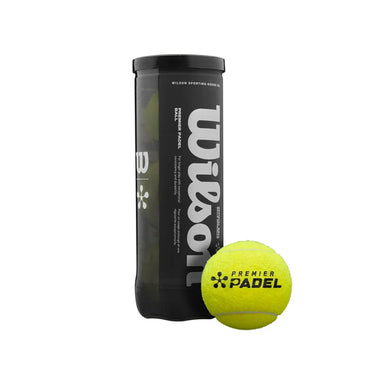
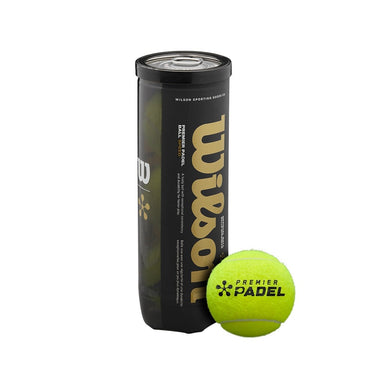
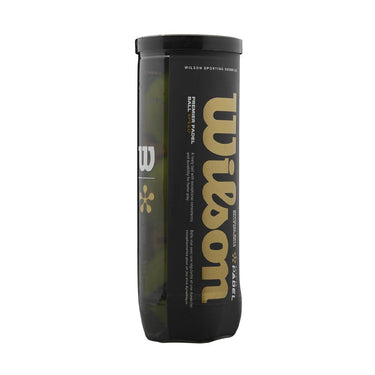
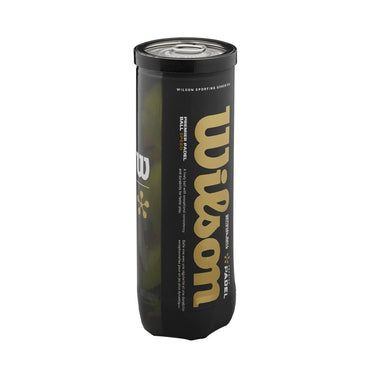
Single can: the standard format, enough for one or two matches.
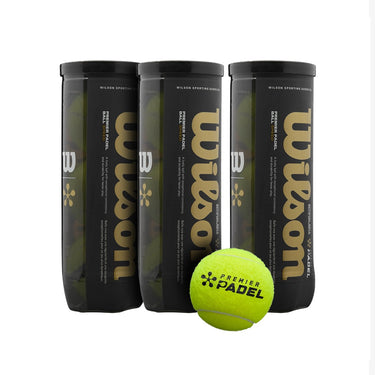
Tripack: three cans together, the sensible option if you play on a weekly basis.
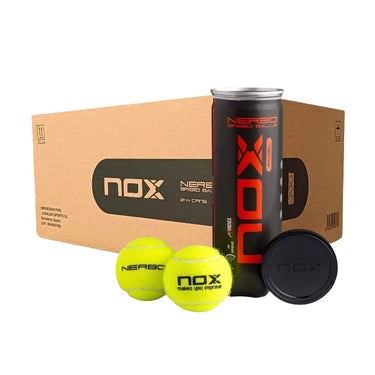
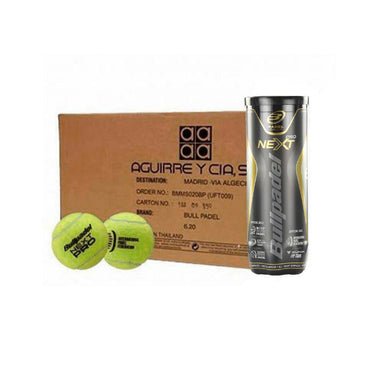
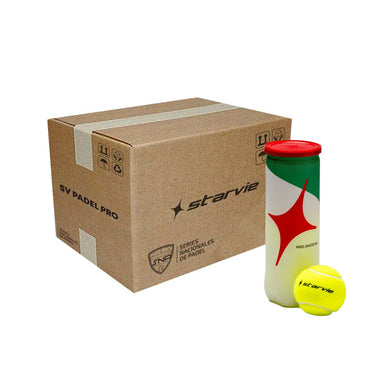
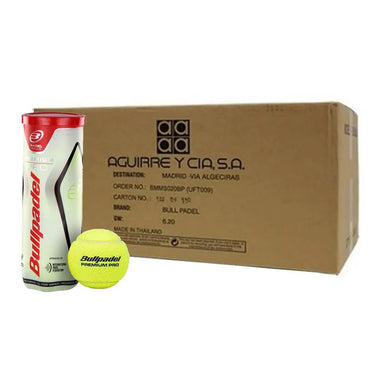
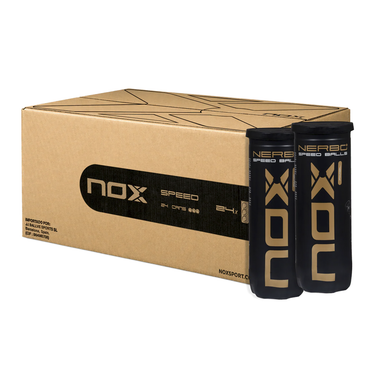
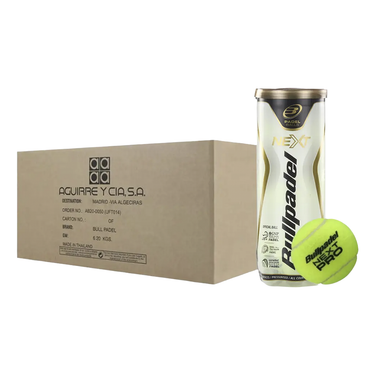
Box of twenty-four cans: designed for clubs, academies and groups that consume balls continuously, or for tournaments and championships.
The felt and the court surface
The outer layer of the ball is felt over a rubber core, and it is the first thing to wear. On artificial grass with sand the felt opens up and flakes before it does on a cleaner surface, so the same ball lasts differently depending on where you play. An opened felt reduces control and speed: the ball becomes unpredictable in its bounce against the glass.
What a ball is made of and why it matters
A padel ball has two materials and both determine its behaviour. Inside there is a hollow rubber core with air under pressure, which is what returns the energy on each bounce. Outside, a layer of felt glued to the core is what grips the surface of the padel racket and the court and determines how much spin you can put on the ball.
The difference between models is almost always in the density of the felt and the internal pressure. Denser, more resistant felt endures more strikes before opening, and higher pressure produces a faster exit from the racket. Neither is better in the abstract: they depend on how you play and how long you want the bounce to last.
Ranges and types within the category
Broadly speaking, three types of product coexist. Training balls, designed for durability and repeated sessions. Competition balls, offering the most consistent response from the first point and a shorter useful life. And intermediate models that seek balance and are the best-selling for friendly matches.
Each brand maintains its own range with the same logic, so comparing two references from different manufacturers by name does not work: what does work is looking at the intended use of each one.
How to tell if your balls are worn
There are three signs, and all three can be checked in less than a minute.
The bounce. Release the ball from waist height alongside a new one. If the difference in bounce height is obvious, it has lost pressure.
The felt. If it is open, frayed or has smooth patches, the ball loses grip and becomes unpredictable in its bounce against the glass.
The feel on impact. When you have to force your shots to reach the back of the court, wear is already affecting your play more than your technique.
Playing with worn balls not only reduces precision: it forces you to hit harder, which stresses the shoulder and elbow over time.
How many you need: cans, tripacks and boxes
Actual consumption is what should decide the purchase format. A player who plays one match a week uses far fewer balls than someone who piles up training sessions, so buying a box “because it’s cheaper” only makes sense if you will use it before the balls lose performance with time.
Single can: one match or two. It is the replacement format.
Tripacks: three cans, the most common choice for someone who plays weekly.
Boxes of twenty-four cans: the format for clubs, academies, tournaments and groups that consume continuously.
In numbers: a standard can contains three balls, a tripack adds up to nine and a box of twenty-four cans reaches seventy-two. Cross that figure with how often you play per month and it is the quickest way to get the right format and avoid stockpiling opened cans, which is where performance is lost before they have been played.
A note on storage: unopened cans retain pressure because the tube itself is pressurised, but they are not eternal. Storing them in a cool place without sudden temperature changes extends their shelf life.
The relationship between the ball and your padel racket
It is a factor almost nobody takes into account and it changes the on-court experience. A soft padel racket with a low-pressure ball gives a lot of control and very little output, and the point becomes long. A hard padel racket with a lively ball produces the opposite: more speed and less margin for error.
If you have just changed racket and notice the balls flying long or you are not reaching the back, it is worth trying another type of ball before concluding the racket does not suit you. It is the cheapest test you can do.
Which are the best padel balls
There is no single answer, and be wary of anyone who gives one without first asking how you play. What can be said is what makes some balls right for you: if you play high‑pace matches and value performance over durability, a competition ball; if you train several times a week and want the bounce to hold up, a training ball; and if you play for fun, an intermediate model from a recognised brand is more than enough.
In terms of quality, the market’s evolution has been notable: today the mid-range products from specialised brands maintain stable behaviour for much longer than a few years ago. A glance at the brand and format filters can narrow the choice to three or four comparable references.
Conservation: where pressure loss comes from
An unopened can of balls retains internal pressure because the container is pressurised. From the moment it is opened, the ball begins to lose pressure even if unused, so opening three cans “to have them ready” is not a good idea. If you play regularly, a pressuriser helps extend the life of already opened balls: you can find them in the accessories category.
Cold and humidity also reduce the bounce. A ball that has spent the night in the boot in winter performs worse in the first games.
Choose your padel balls without fuss
Summed up in three decisions: what you will use them for (training or competition), which format fits how often you play and which brand you prefer. With those three filters the category reduces to a handful of comparable references and the choice ceases to be a lottery.
The ball is the cheapest piece of kit and yet the one that changes match results the most: a ball in good condition returns the comfortable feel at impact that no racket can compensate for when the felt is worn. Many players find their needs are better met by changing ball type than by changing racket, and it is considerably more economical.
Explore by brand
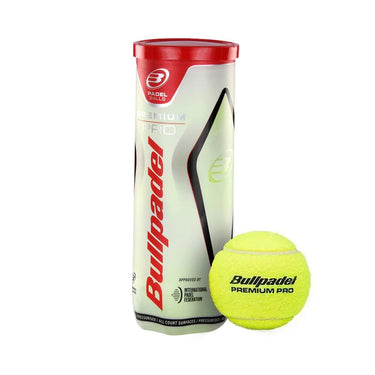
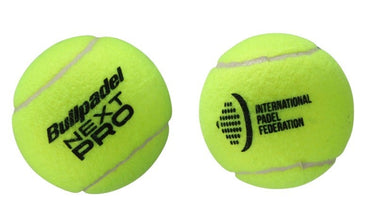
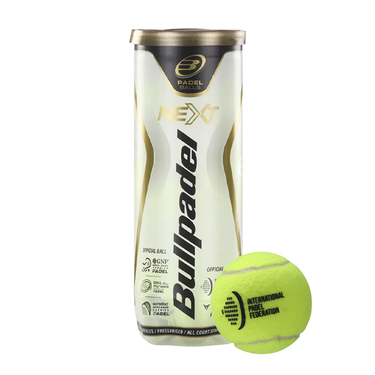
If you prefer to start from a specific brand, you can browse by balls by brand and specific collections such as Bullpadel balls.
Frequently asked questions about padel balls
How long do padel balls last?
It depends on the level of play and usage. In high‑level matches pressure loss is noticeable much sooner than in slower matches, because the strikes are stronger and the felt opens earlier. As a practical reference, the sign is the bounce: when you have to force the shot to reach the back, they are worn.
Can tennis balls be used to play padel?
They are similar, but not the same. Padel balls usually have slightly less internal pressure and a slightly different diameter, which translates into a more controlled bounce within a smaller court with walls. You can play with tennis balls, but the pace of the point changes.
How many balls are used in a match?
It is usual to play with three, which is what a standard can contains. In competition balls are changed more often than in a friendly match, where they typically last several sessions.
Why do new balls feel so different?
Because the internal pressure is intact and the felt has not yet lost density. That faster exit from the racket is what makes the first games with new balls require a small adjustment in your strokes.
Can old balls be restored?
A pressuriser returns part of the lost pressure, but it does not restore the felt. If the outer layer is open or smooth, the ball will not respond the same even if you recover the pressure.
Is a pressuriser worth it?
If you play several times a week, yes: it maintains the pressure of opened cans and stretches their useful life. If you play occasionally, the savings are smaller because you open few cans.