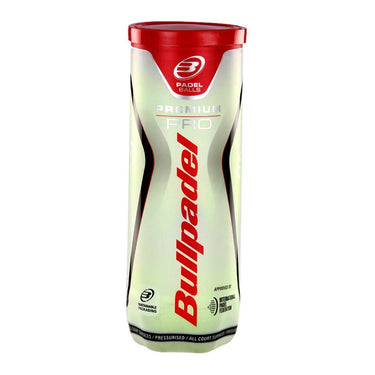
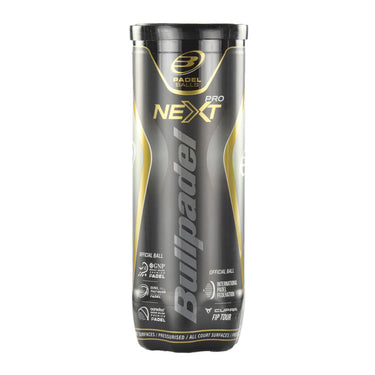
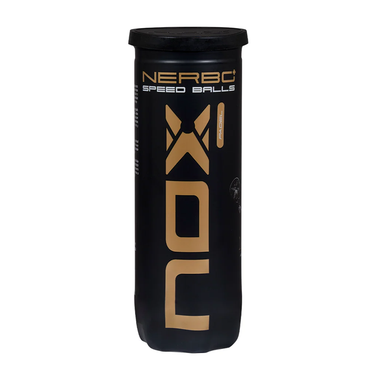
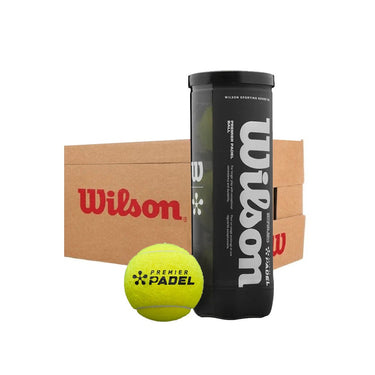
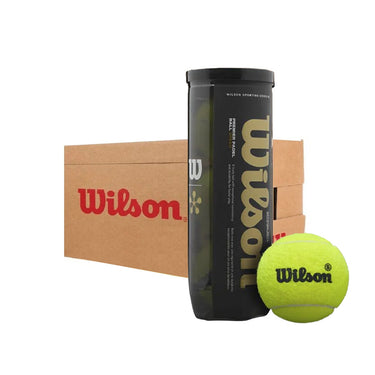
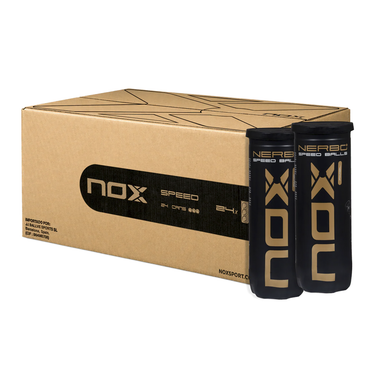
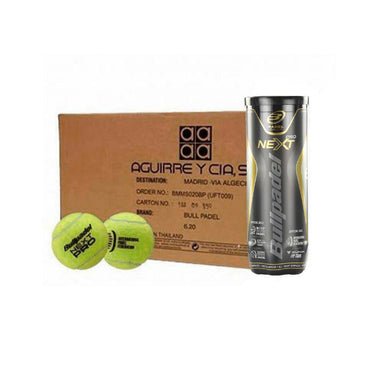
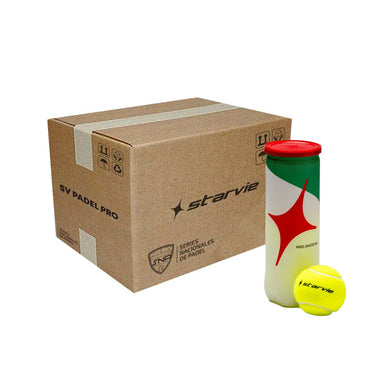
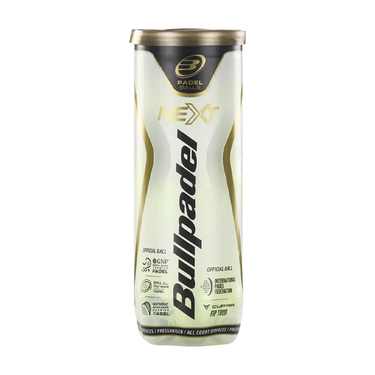
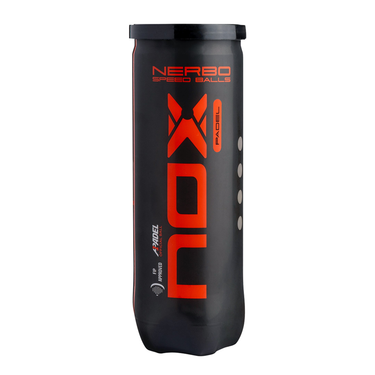
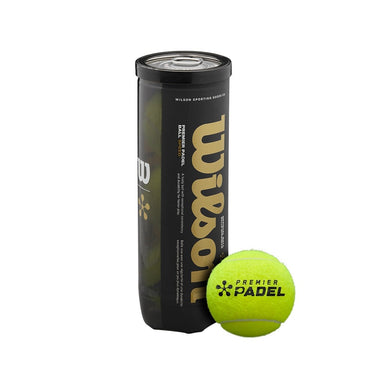
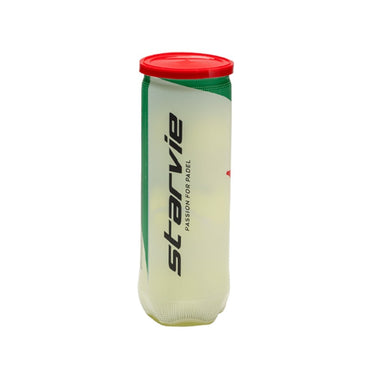
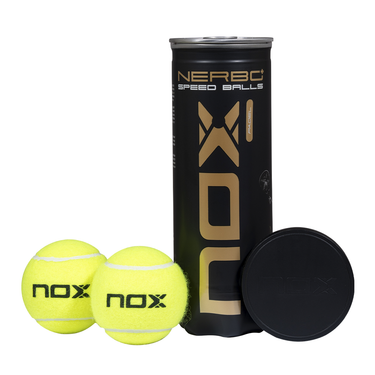
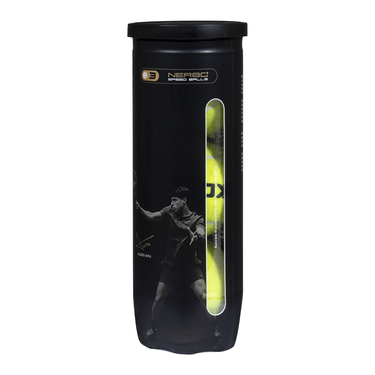
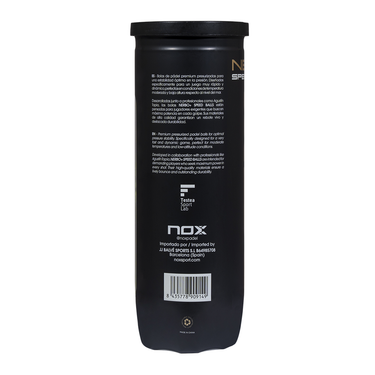
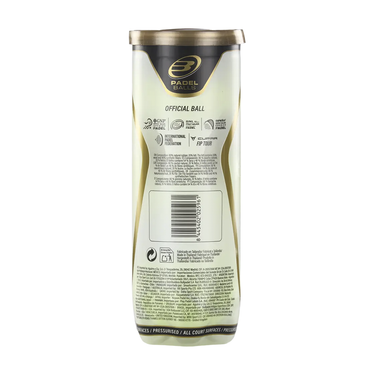
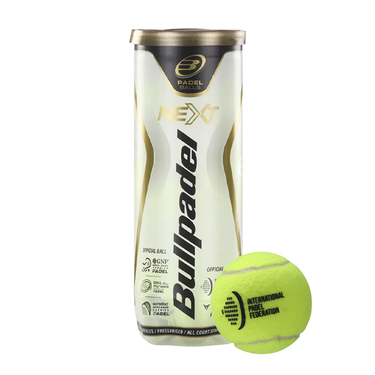
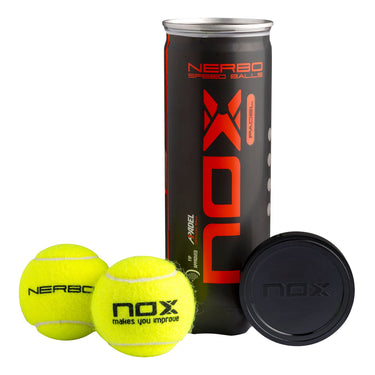
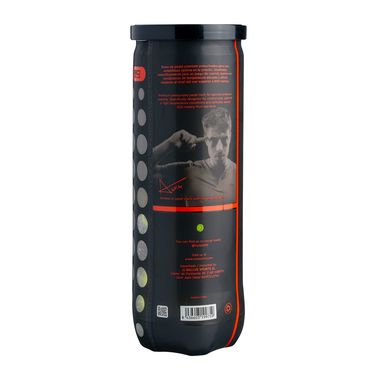
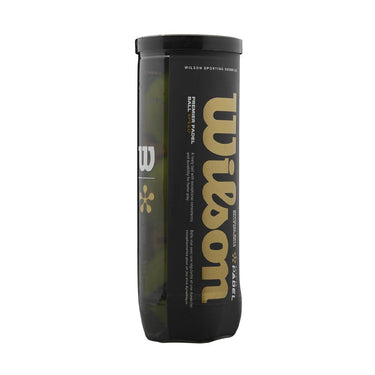
This page organises the padel balls in the catalogue by manufacturer. It’s the useful starting point when you already have a preference —because a brand works for you on your court or because it’s the one used at your club— and you prefer to begin there rather than compare by intended use.
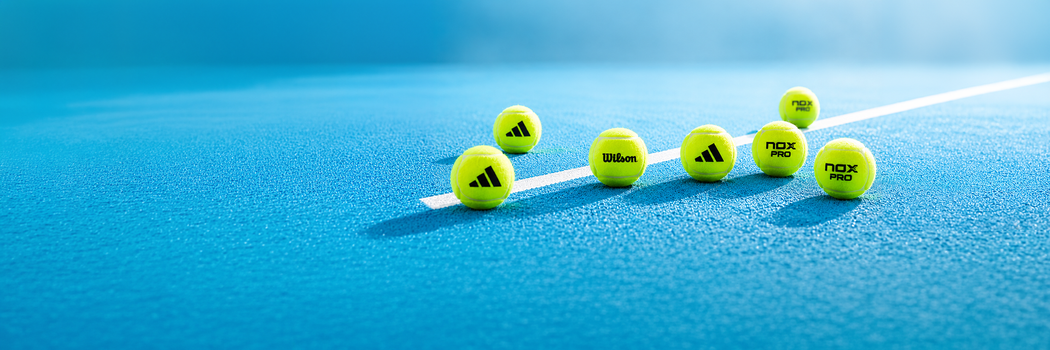
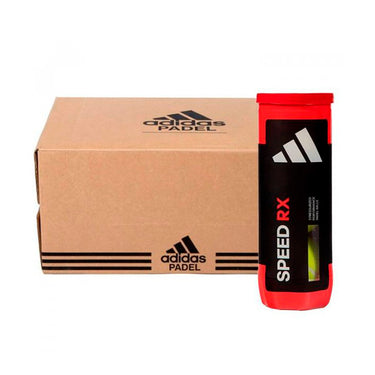
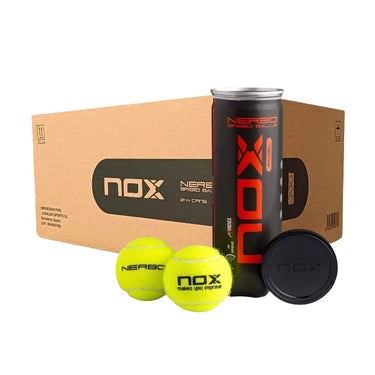
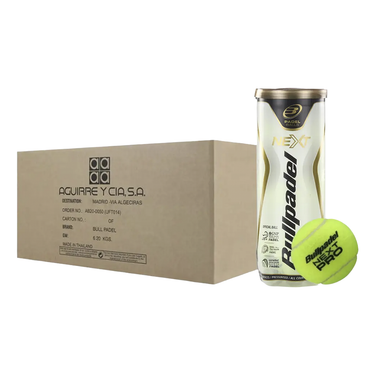
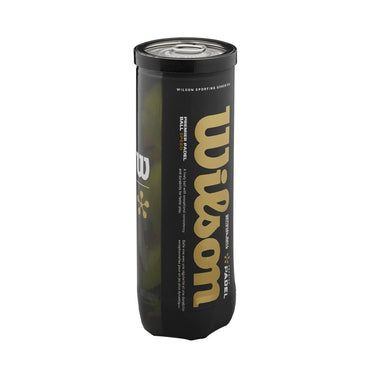
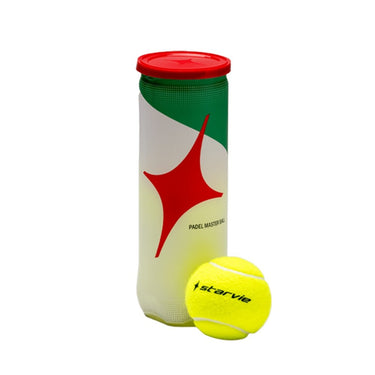
The category brand filter includes Adidas, Black Crown, Bullpadel, Head, Nox, StarVie and Wilson.
Does the brand matter for a ball?
More than it seems, and for a specific reason: the ball is the only element of the game shared by all four players. A change of brand alters the bounce and the speed of the point for everyone at once, so groups who always play together tend to stick to one brand and not change.
That said, what really differentiates balls within the same brand is the intended use. Training balls prioritise felt durability across many sessions; competition balls prioritise response and consistency of bounce from the first point, at the expense of lasting less time.
What to look for on the product page
Intended use: training or competition. It’s the factor that most determines how many hours they will last you.
Format: single can, tripack or box of balls, depending on how often you play.
Bounce behaviour: more pressurised means a faster, shorter point; less pressurised gives more time to get into position.
What’s inside a ball
Two elements and little else: a hollow rubber core filled with pressurised air and an outer layer of felt. The internal air determines the height of the bounce and the speed at which it leaves after the bounce; the felt decides how much spin it grips and how long the whole thing lasts. When a ball "doesn’t play" normally it’s because it has lost pressure, the felt has opened up, or both.
That is also why two balls from different brands can feel different even if they measure the same: starting pressure and felt density change, and with them the rhythm of the point.
Comparing manufacturers: which characteristics change
When you put two references from different brands side by side, the real differences focus on three characteristics.
Felt density. Determines how many matches the ball will withstand before the felt opens and how much spin it grips.
Initial pressure. Indicates whether points come out fast or allow time to get into position.
The rubber of the core. Its thickness and composition determine how much energy it returns on each bounce.
None of the three is always detailed on the product page, so practical comparison is done on court. The good news is that the cost of trying a new brand is low: a can and a couple of matches are enough to know if it fits your group’s rhythm of play.
Wear and durability depending on the surface
The court influences wear as much as the ball. On sand-filled synthetic turf, abrasion opens the felt sooner than on cleaner surfaces, and a newly sanded court wears balls more than one that has gone weeks without maintenance. If you always play at the same club, it’s easy to gauge how many sessions balls typically give you and adjust purchases accordingly.
When the felt lifts, the ball loses precision on the rebound against the glass and forces you to adjust your shots on the fly. That is the moment to change them, regardless of what the calendar says.
Clubs, academies and tournaments
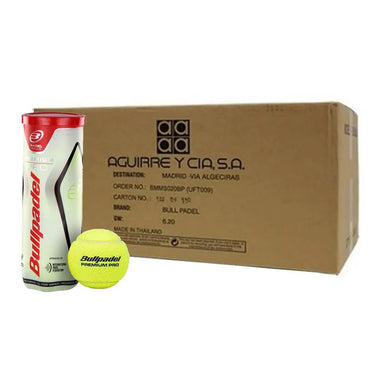
Consumption changes completely when there are several courts in use or lessons every day. For that use there are boxes of balls, which contain twenty-four cans and reduce the unit cost compared with buying single cans.
In tournaments the criterion is usually different: homogeneity of bounce between matches takes priority, so it’s common to use the same model throughout the competition and replace balls more frequently. For training and schools the priority is reversed and felt durability rules.
Beginners: which ball is suitable when starting
Someone learning appreciates a ball that doesn’t come out too lively. A more controlled bounce gives you time to reach the ball, get into position and strike with correct technique instead of improvising. Training-oriented references usually fulfil that role well, and they also last longer —which in the learning phase, with many rallies and few full matches, is exactly what’s needed.
It’s an equipment detail that’s often overlooked: a lot of attention is devoted to choosing the padel racket and almost none to the balls used for practice.
How the condition of the ball affects your game
A worn ball not only bounces less: it changes how you hit. As they lose depth, instinct pushes you to hit harder, and that extra effort worsens precision and strains the arm. Many players blame the padel racket for a drop in performance that actually comes from exhausted balls.
The check is simple and worth doing before thinking about changing kit: play a set with new balls and compare how it feels. If things improve, the problem wasn’t the padel racket.
Storage, which applies to any brand
A sealed can keeps pressure because the container is pressurised. Once opened, the balls begin to lose pressure even if you don’t play, so it isn’t worth opening several cans in advance. Cold also reduces bounce: balls that have spent the night in the boot in winter perform worse in the first games.
Advantages and disadvantages of buying by brand
Starting from the manufacturer has a clear advantage: if a model worked for you, repeating the brand reduces uncertainty, because each manufacturer maintains a fairly stable combination of pressure and felt density between seasons. For a group that always plays together, that continuity is what prevents the rhythm of the match from changing week to week.
The disadvantage is that the brand alone doesn’t say what use each reference is intended for. Within the same manufacturer there are balls aimed at training and others at competition, with very different lifespans and behaviours. That’s why the most efficient choice combines both: first the intended use, then the brand.
Approval and competitions
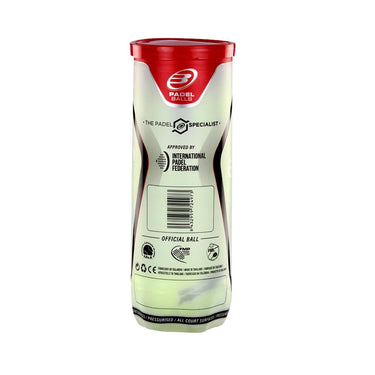
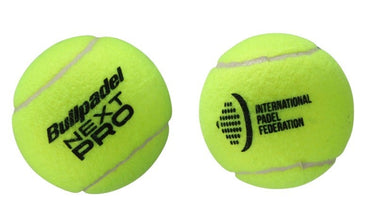
Balls used in official competitions must comply with the standard of the International Padel Federation, which sets margins for diameter, weight and rebound. Manufacturers present on the tour work within those margins, and that’s where differences in feel and speed at impact are found.
If you play tournaments, the practical rule is simple: use the same model throughout the event. Homogeneity between matches matters more than the specific brand.
Budget and durability
The factors that decide how long balls last are use, surface and how people hit. Comparing prices between models only makes sense if you consider estimated duration alongside: a slightly more expensive ball that lasts twice as many sessions is cheaper per match.
A note that confuses many people: padel balls and tennis balls look similar but are not the same in pressure and behaviour, so a tennis racquet and a padel racket do not require the same balls. Within the catalogue, each brand’s range covers options ideal for training through to those offering maximum control for demanding matches.
Where to browse
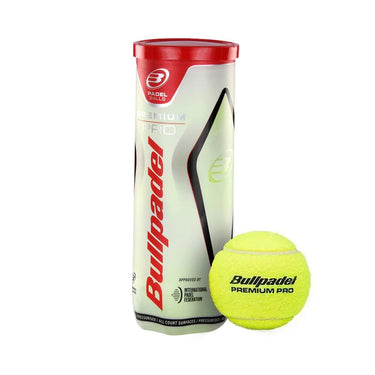
To see the whole catalogue of balls with format and use filters, the entry is padel balls. For a specific brand you have, for example, Bullpadel balls. And if you’re looking for a pressuriser to extend the life of opened cans, they’re in accessories.
Frequently asked questions
Is there much difference between ball brands?
There is in felt durability and bounce behaviour, and it is more noticeable the higher the level of play. In low-tempo matches the difference is less perceptible than the contrast between a new ball and a worn ball of the same brand.
Can I mix balls from different brands in a match?
You can, but it’s not a good idea: if the bounce isn’t homogeneous, the rhythm of the point changes unpredictably depending on which ball you play.
Which format suits me?
Single can if you play occasionally, tripack if you play weekly, and a box of balls if you’re part of a club, academy or group that consumes balls continuously.