



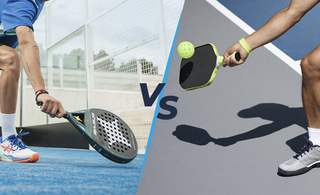
Padel and pickleball are two of the fastest-growing racket sports in the United States, and many players wonder which one to try first. The short answer: padel is played in an enclosed glass court with a solid stringless racket and a low-pressure ball, while pickleball is played on an open court similar to a mini tennis court, using a solid paddle and a plastic ball with holes. Both sports are social, easy to learn, and lower-impact than tennis, but they differ significantly in equipment, court design, and rules.
If you’re a U.S.-based player, beginner, or racket-sport fan comparing your options, this guide explains what padel and pickleball are, how their courts, gear, and rules compare, why each is growing so quickly, where they overlap, and which one may suit your playing style, goals, and local facilities best.
What Is Padel?
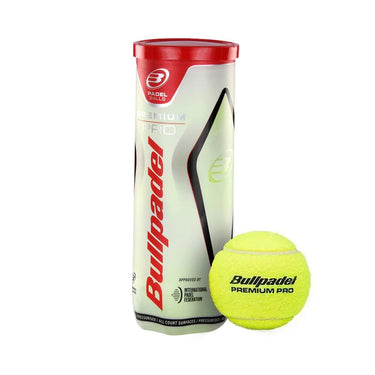
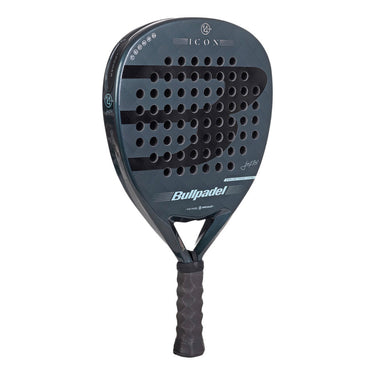
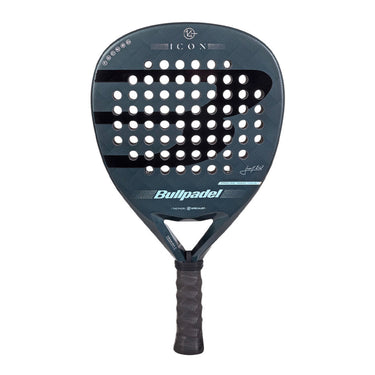
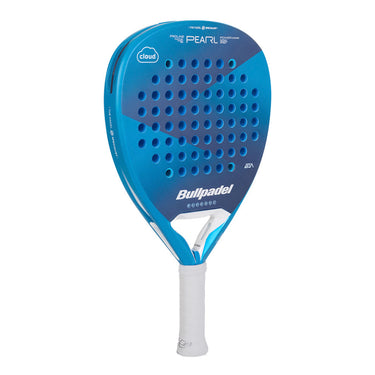
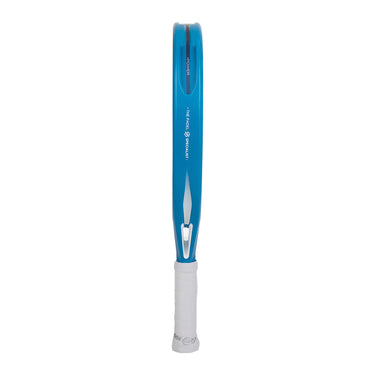
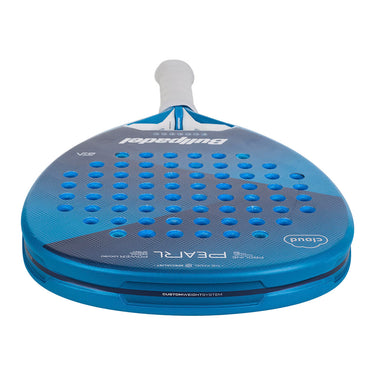
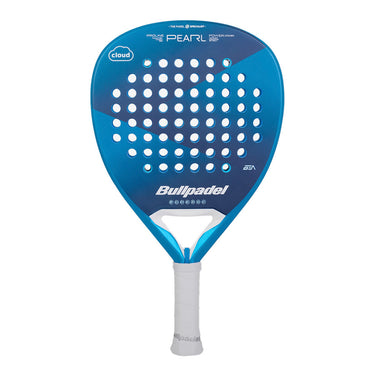
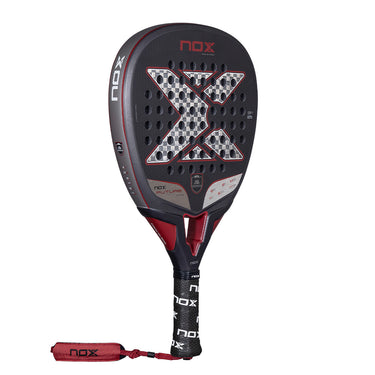
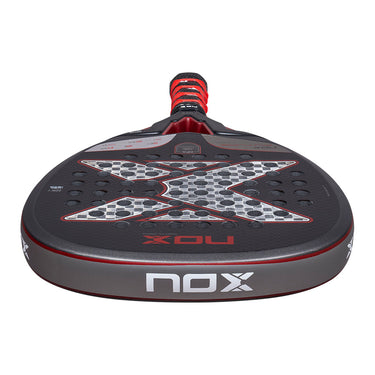
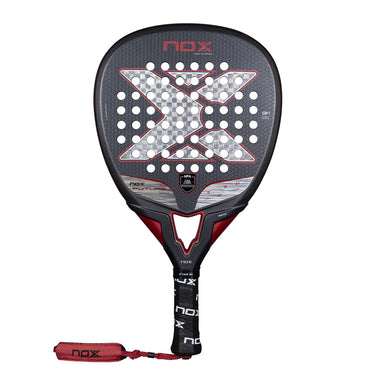
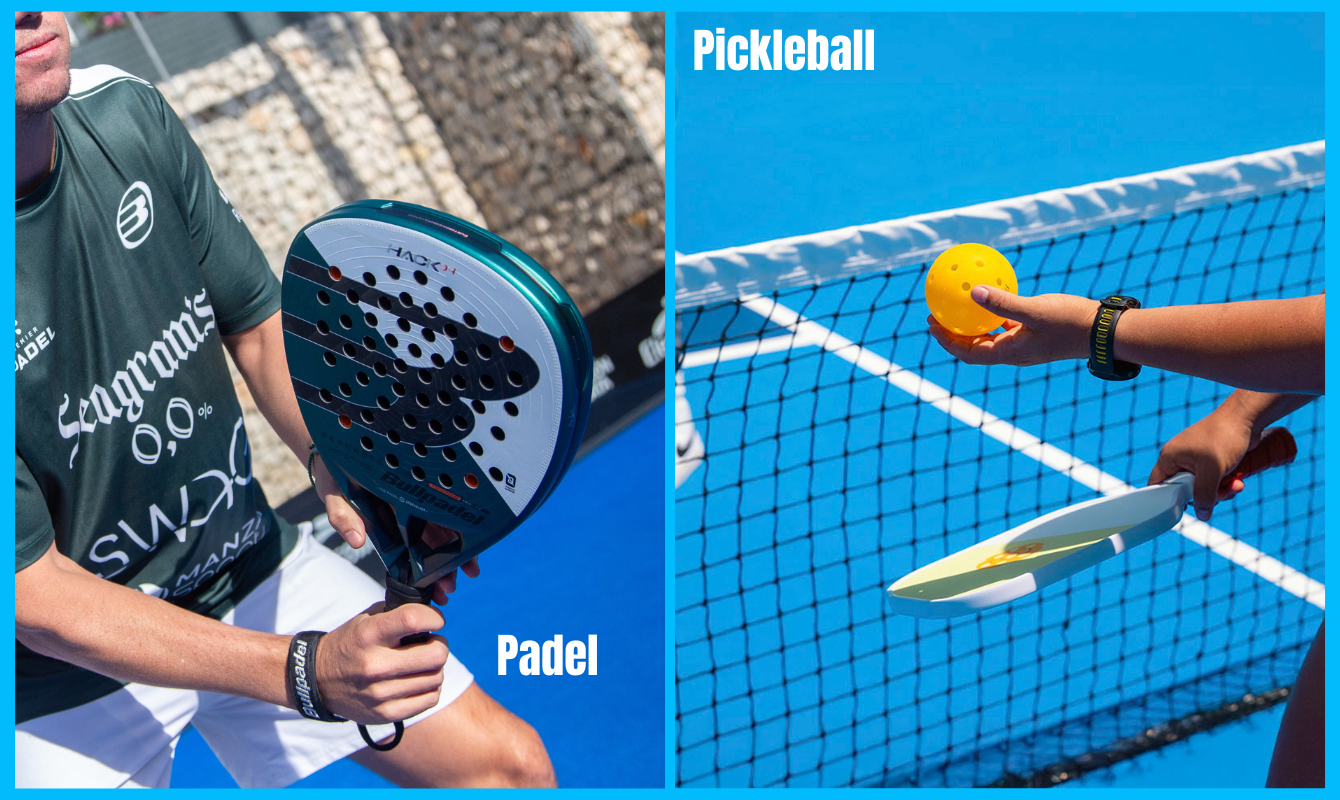
Padel is a racket sport that combines elements of tennis and squash. It is played in doubles on an enclosed court surrounded by glass and metal mesh walls, which are part of the game since the ball can bounce off them. Players use a solid, stringless racket with holes, similar in shape to a paddle but designed specifically for padel, and a low-compression rubber ball close in size to a tennis ball.
Padel originated in Mexico in the 1960s and has since become massively popular in Spain, Argentina, and Italy, with rapid growth now happening across the United States. It is known for being easy to pick up, highly social, and strategic, since the enclosed walls add an extra layer of tactics not found in most racket sports.
Let`s see the key differences.
What Is Pickleball?
Pickleball is a paddle sport that blends tennis, badminton, and table tennis. It is played on a court similar in size to a badminton court, using a solid paddle (usually made of composite or graphite materials) and a lightweight plastic ball with holes, similar to a wiffle ball.
Pickleball was invented in the United States in 1965 and has exploded in popularity nationwide over the past decade, becoming one of the fastest-growing sports in the country. It can be played in singles or doubles, and its underhand serve and smaller court make it especially beginner-friendly.
Main Differences Between Padel and Pickleball
When comparing padel and pickleball, the biggest differences come down to court structure, equipment, and playing style. Here is a clear breakdown:
|
Aspect |
Padel |
Pickleball |
|
|---|---|---|---|
|
Court type |
Enclosed, glass and mesh walls (ball can bounce off them) |
Open court, no walls involved in play |
|
|
Court size |
20m x 10m, almost twice the size of a pickleball court |
13.4m x 6.1m |
|
|
Equipment |
Solid, stringless, perforated racket |
Solid paddle (composite, graphite, or fiberglass) |
|
|
Ball |
Pickleball balls: Hollow plastic ball with holes |
|
|
|
Racket |
Racket with EVA or FOAM rubber core |
Solid paddle with rigid surface |
|
|
Game format |
Almost always doubles |
Singles or doubles |
|
|
Scoring system |
traditional tennis scoring: 15, 30, 40, Game |
Games are played to 11 points, win by 2 |
|
|
Special rule |
Ball can be played off the walls after bouncing |
No volleys allowed inside the "kitchen" (non-volley zone) |
|
While the sports differ in these key areas, they also share similarities: both are doubles-friendly, both are easier on the joints than tennis, both emphasize strategy over raw power, and both are ideal for players of all ages and skill levels.
Equipment Comparison
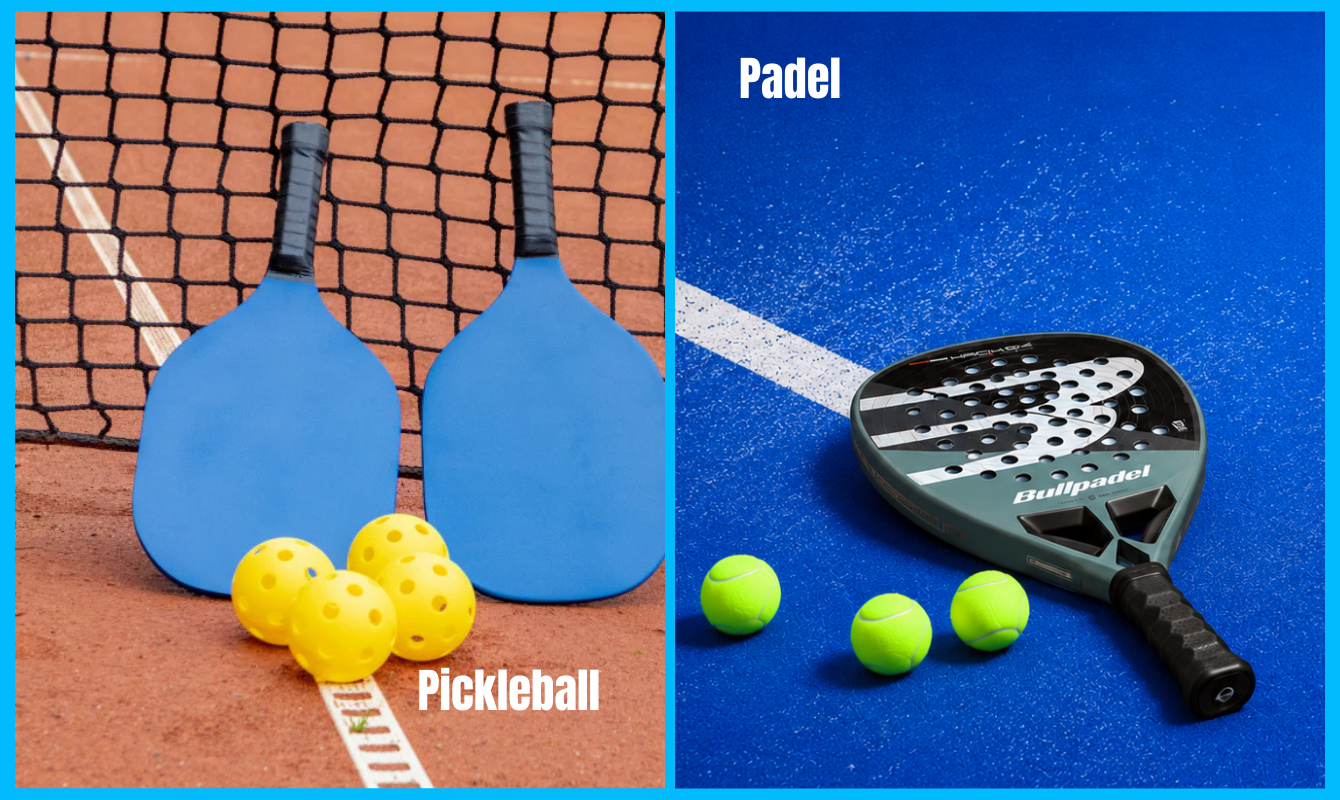
The padel racket vs pickleball paddle comparison is one of the most common questions among new players, especially since both sports use solid paddles rather than strung rackets.
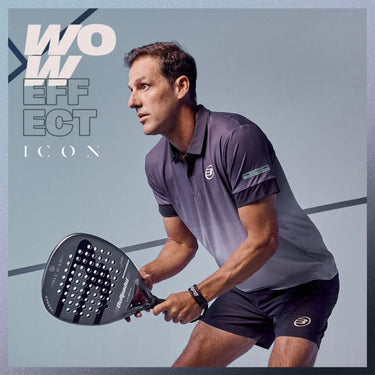
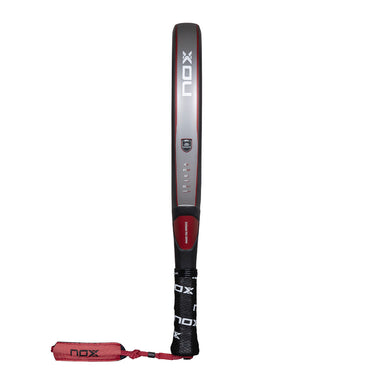
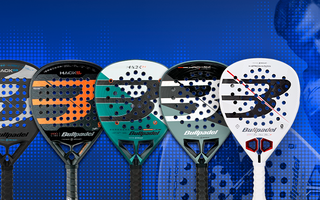
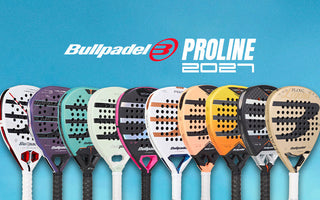
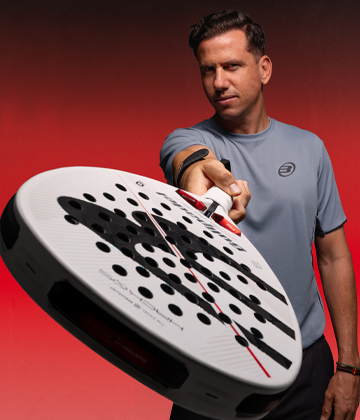
A padel racket is solid, stringless, and perforated with holes to reduce air resistance and improve control. Rackets vary by shape (round, teardrop, or diamond) depending on whether a player prioritizes control, balance, or power.
A pickleball paddle is also solid, often built with composite materials or carbon fiber for a lighter, more responsive feel, and are generally lighter and smaller than a padel racket, since pickleball involves faster hand-to-hand exchanges at the net (known as "dinking").
If you're getting started in padel, choosing the right racket shape and weight makes a real difference in your game. At Pádel Market, you'll find the official selection of rackets for every playing style and level, from control-oriented models for beginners to power rackets for advanced players.
Differences Between the Courts
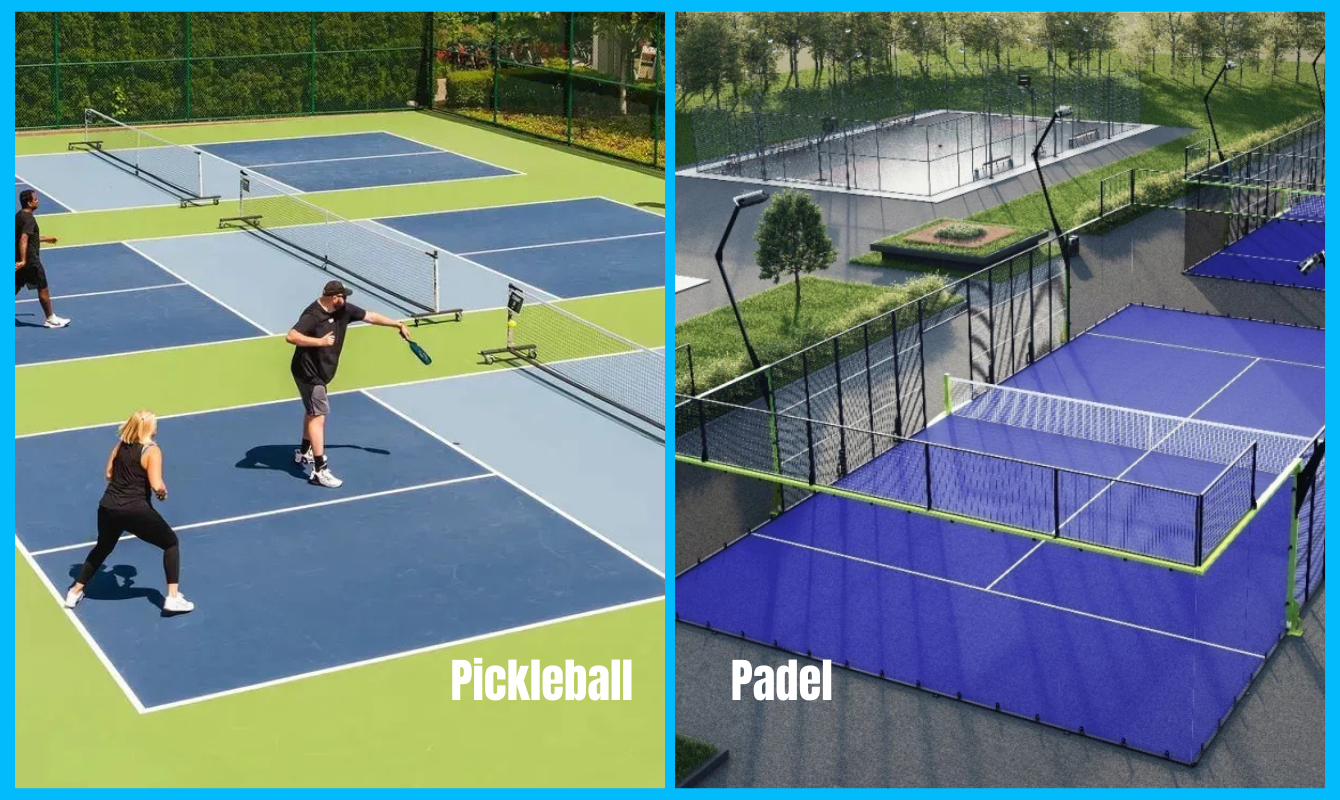
The padel court vs pickleball court comparison highlights one of the clearest structural differences between the two sports, especially in their court dimensions.
A padel court measures approximately 20 meters by 10 meters and is fully enclosed with glass walls and metal mesh. These walls are part of active play, since the ball can bounce off them before crossing the net, adding a strategic, squash-like element; unlike padel, pickleball courts have no walls. Tennis is also played on a larger court.
A pickleball court measures 13.4 meters by 6.1 meters, making it a badminton-sized court, and has no walls. It includes a "non-volley zone" near the net (commonly called the "kitchen") where players cannot hit the ball out of the air.
Because padel courts are enclosed and pickleball courts are open, the two sports require different facilities, which is why many clubs in the US are now building dedicated padel courts to meet growing demand.
Game Rules
Padel vs pickleball rules follow different scoring systems and serving styles.
|
Rule |
Padel |
Pickleball |
|---|---|---|
|
Players per match |
Doubles only |
Singles or doubles |
|
Scoring system |
Tennis-style (15, 30, 40, game) |
Point system, usually to 11 (win by 2) |
|
Serve type |
Underhand, bounced first, hit below waist height; players generally get two serve attempts, and a double fault loses the point |
Underhand, diagonal; players get one serve attempt unless a let occurs |
|
Wall play |
Ball can be played off the walls after bouncing on the court |
Not applicable, no walls in play |
|
Non-volley zone |
Not applicable |
"Kitchen" zone near the net, no volleys allowed inside it |
|
Who can score |
Either team can score points |
Only the serving team can score points |
|
Match format |
Best of 3 sets, with sets of 6 games like tennis |
First to 11 points (win by 2) |
|
Serve accessibility |
Beginner-friendly underhand serve |
Beginner-friendly underhand serve |
In padel, after deuce, the game continues until a side leads by two points; if one side has advantage by one point, the next point decides whether they win the game or return to deuce.
Both sports require an underhand serve, which makes them more accessible to beginners than tennis, but the wall play in padel and the kitchen rule in pickleball are the defining tactical elements that set them apart.
Which Sport Is Growing Faster?
Pickleball has been the fastest-growing sport in the United States for several consecutive years, driven by its low barrier to entry, affordable equipment, and widespread court availability, especially through the conversion of existing tennis courts. California has the most pickleball facilities in the U.S.
Padel, meanwhile, is the fastest-growing racket sport globally and is now experiencing rapid expansion across the US, with new dedicated padel clubs opening in major cities. Its social format, dynamic gameplay, and strategic wall play are attracting former tennis and pickleball players looking for a new challenge, while its global growth continues across Europe, Latin America, and the middle east.
Both sports are expected to keep growing steadily in the US market over the coming years, and many clubs now offer both, allowing players to enjoy the best of each.
Padel and pickleball are both accessible, social, and exciting racket sports, but they offer different experiences. Padel delivers a dynamic, strategic game built around enclosed glass courts and wall play, while pickleball offers fast-paced, straightforward action on an open court. Neither sport is objectively "better," it comes down to personal preference, available facilities, and playing style.
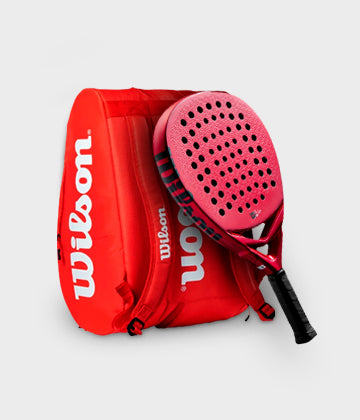
If you're ready to try padel, having the right racket is essential to enjoy your first matches and improve faster. At Pádel Market, you'll find the official range of padel rackets, bags, shoes, and apparel for every level, all in one place, with expert guidance to help you choose the right equipment for your game.
Frequently Asked Questions
What sport is easier, padel or pickleball?
Both sports are considered beginner-friendly, and both involve groundstrokes, volleys, and net play, but pickleball is often seen as slightly easier to learn at a basic level due to its straightforward rules and smaller court; athleticism matter more in padel, so players often build up a sweat faster. Padel has a short learning curve too, especially for players with an other racquet sports or traditional tennis background; in padel tennis, slower play helps as you learn to play padel, though mastering wall play still takes some practice, and pickleball’s pace makes timing easier for beginners.
Which burns more calories, padel or pickleball?
Padel generally burns more calories per hour than pickleball, since it involves more running, lateral movement, and longer rallies due to the wall play. Pickleball is still an effective cardio workout, but its smaller court means less overall movement.
Is pickleball similar to padel?
Pickleball and padel share some similarities, such as underhand serves, doubles play, similar shot types, strategic play, and a lower-impact style compared to tennis. However, they differ significantly in court size, equipment, and the use of walls, which only exist in padel, and pickleball belongs to the same family of racquet sports but, unlike padel, does not use walls.
What sport is more popular, padel or pickleball?
In the United States, pickleball is currently more widely played and has more courts available nationwide. Padel, however, is the fastest-growing racket sport worldwide and is rapidly gaining popularity in the US, with new clubs opening regularly.
Can you play pickleball with a padel racket?
No, a padel racket is not suitable for pickleball. Pickleball equipment uses equipment pickleball paddles rather than a padel racket, and the lighter pickleball setup is designed around a different ball and paddle profile. Padel rackets are heavier, larger, and designed for a padel ball, a lower-pressure tennis ball variant, while pickleball paddles are lighter, built differently with composite materials such as carbon fiber, and made for a perforated plastic ball. Using the wrong equipment can affect performance and increase injury risk.
What sport is better for beginners?
Both sports are excellent for beginners due to their underhand serve and social, doubles-friendly format, and both pickleball and padel are popular partly because easy partner play makes courts feel welcoming and addictive. Pickleball may have a slightly gentler learning curve for absolute beginners, so players who like simpler positioning may prefer it, while those who enjoy net control and managing the kitchen area may also find it intuitive early on; padel asks more of hand-eye coordination and footwork, and pickleball still rewards quick reflexes, while padel offers a more dynamic and strategic experience that many players find more engaging over time.
Whether you're new to padel or an experienced player, there's never been a better time to upgrade your equipment. Take advantage of our exclusive deals on padel rackets, shoes, clothing, bags, and accessories from leading brands, all at great prices. Whether you're stepping onto the court for the first time or looking to improve your game, you'll find everything you need in our online store. Explore our latest offers and get ready to play your best padel with high-quality gear designed for every level.