




Filter and sort 23 products
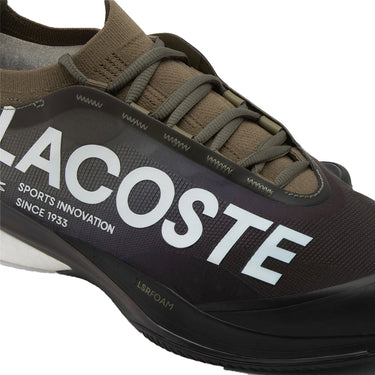
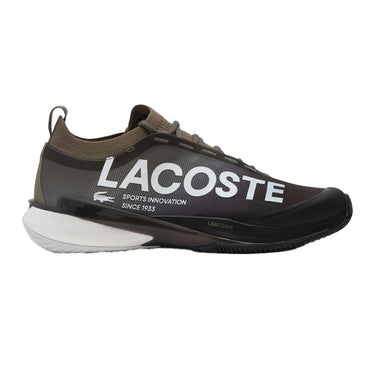
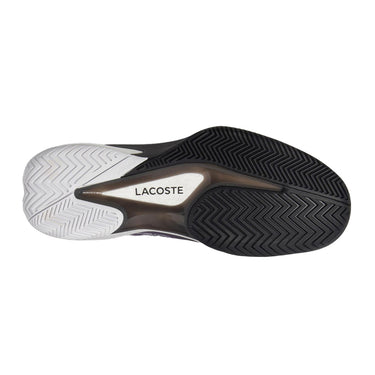
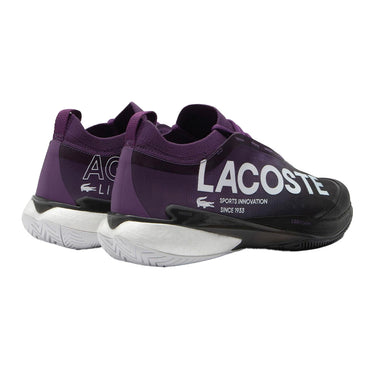
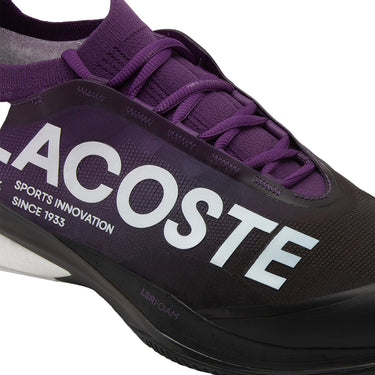
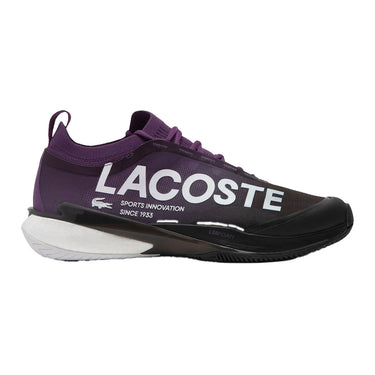
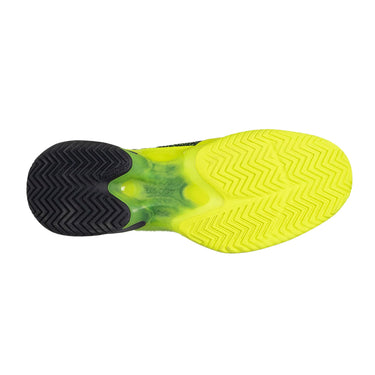
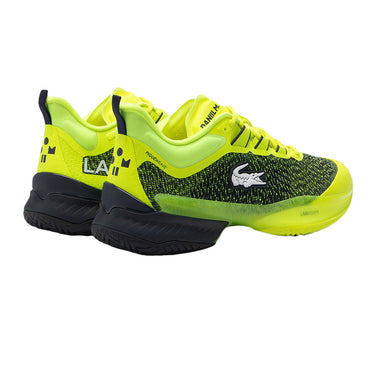


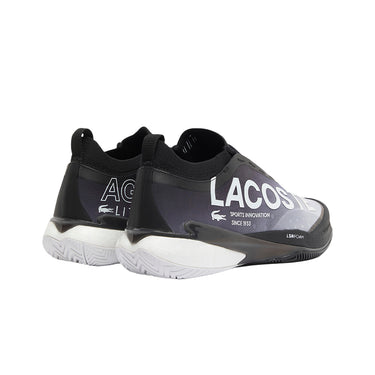
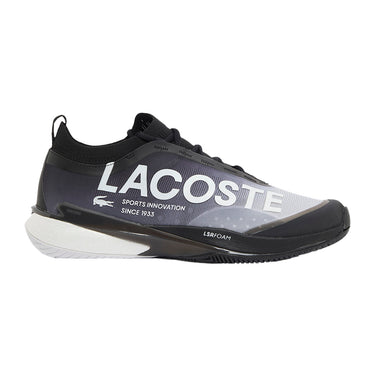
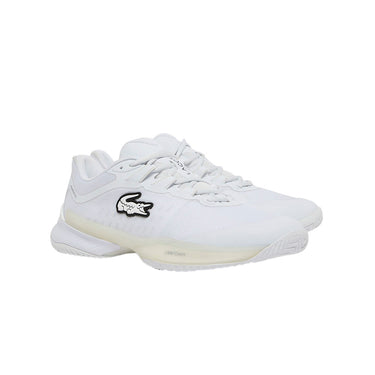
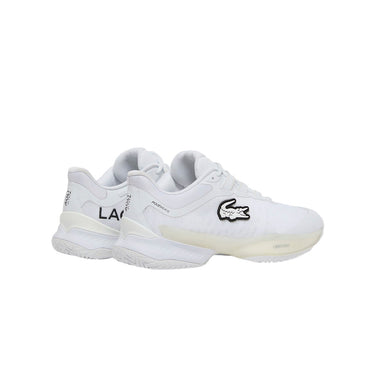
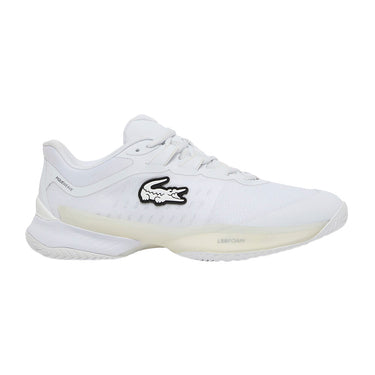
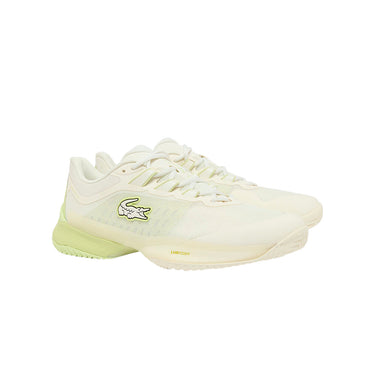
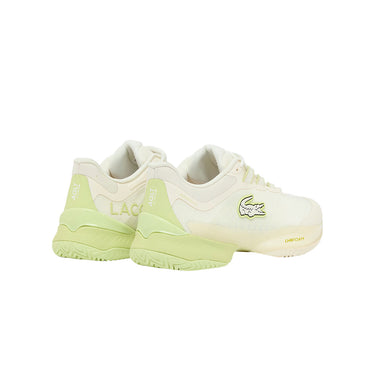
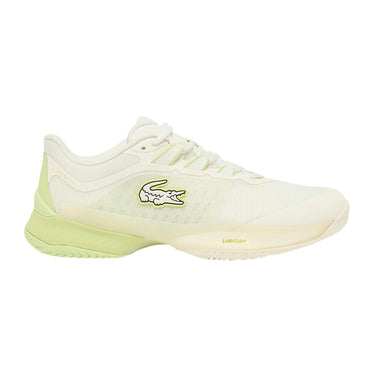
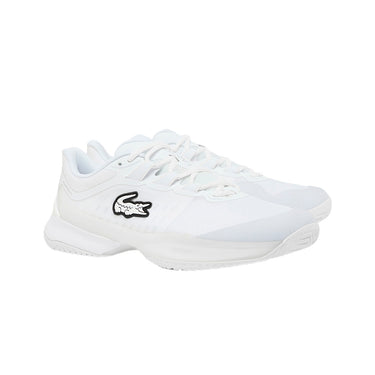
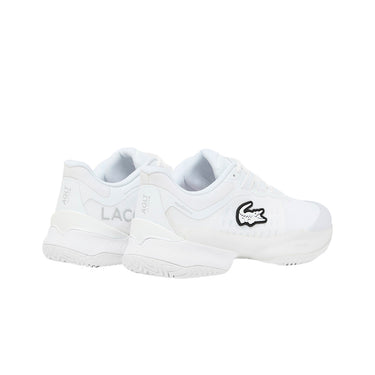
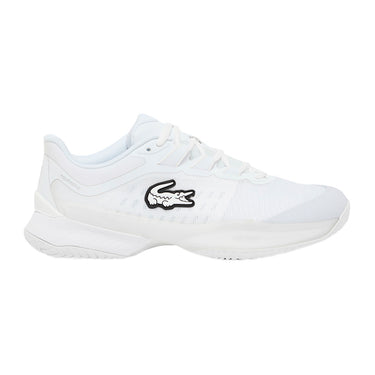
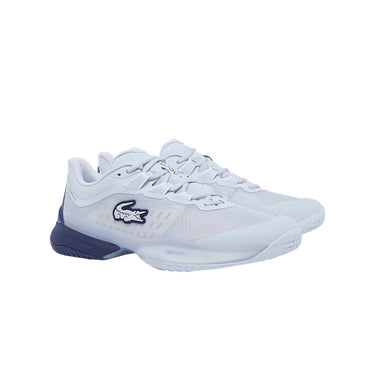

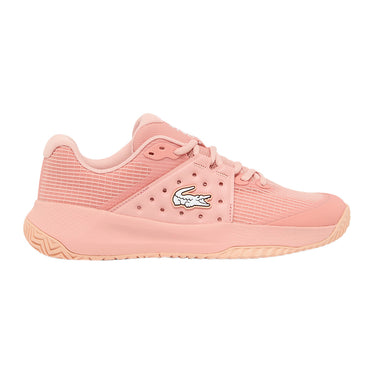
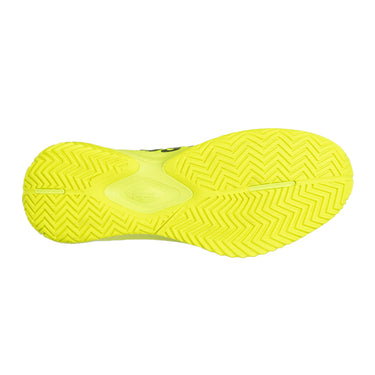
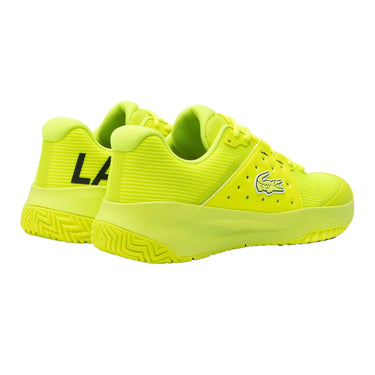
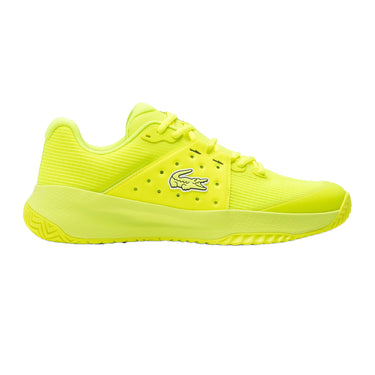
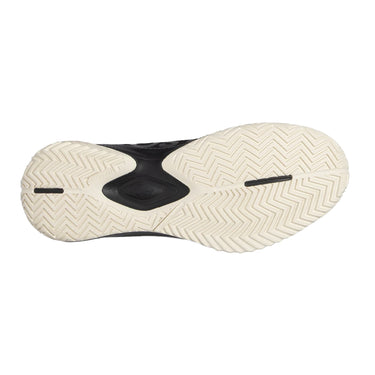
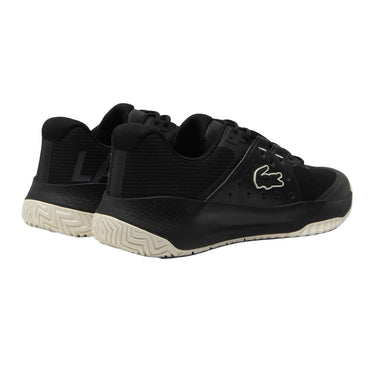
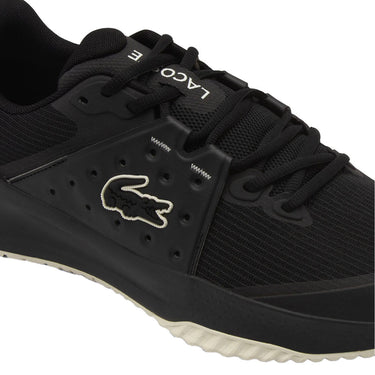
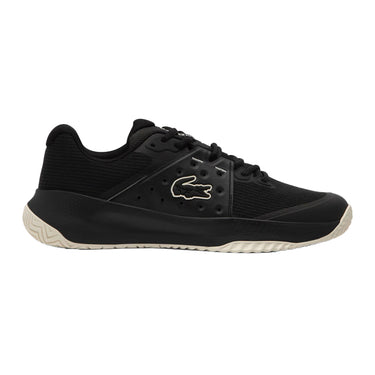


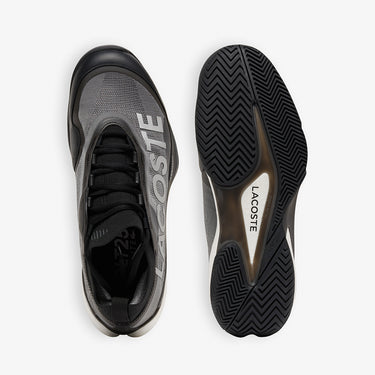
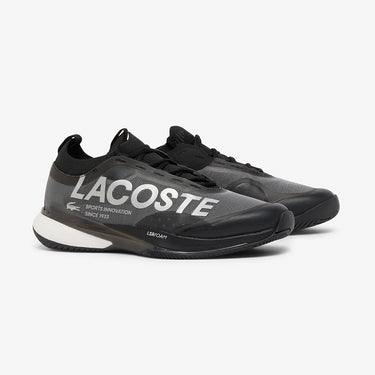

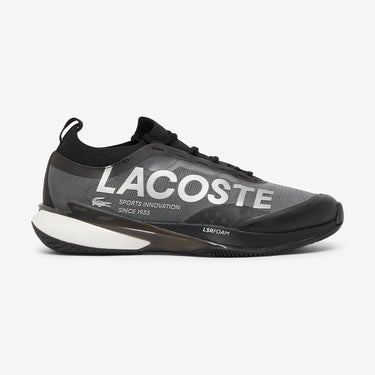
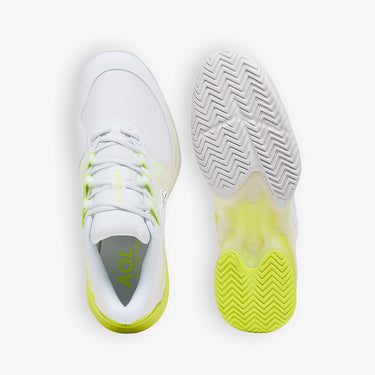
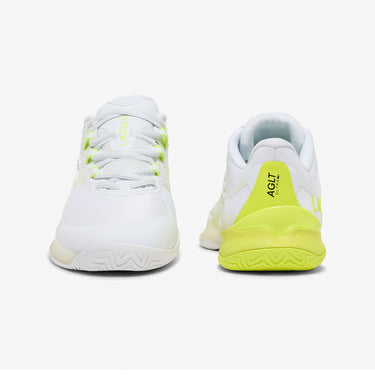

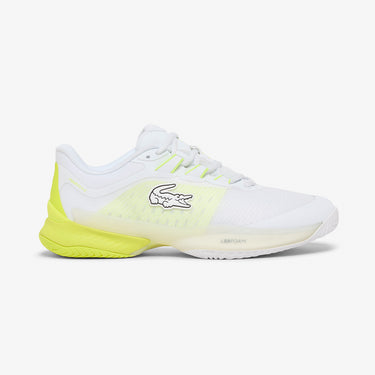


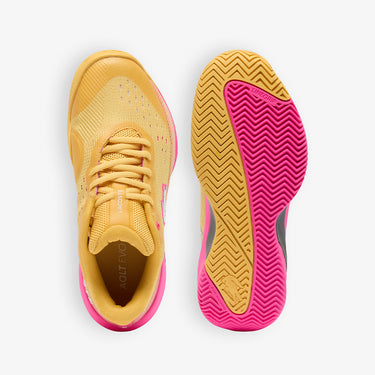
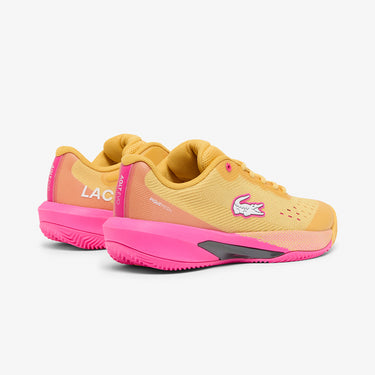
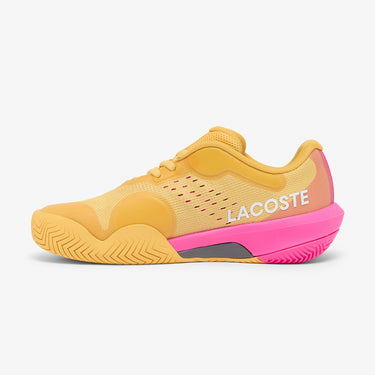
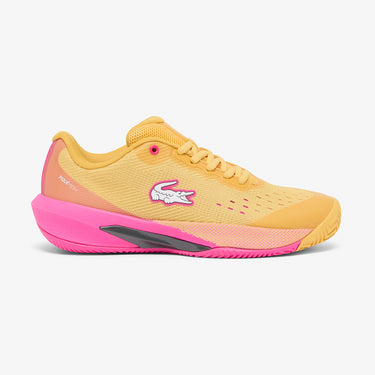
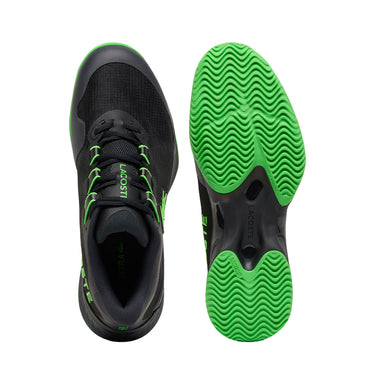
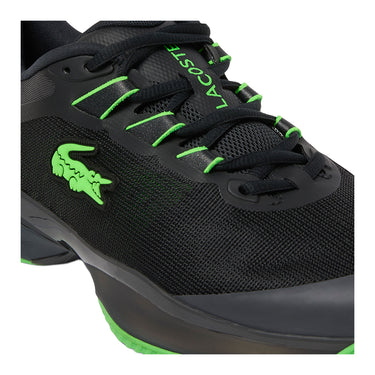
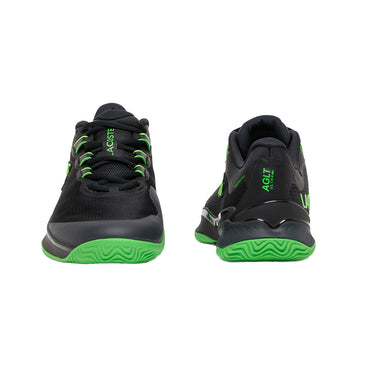
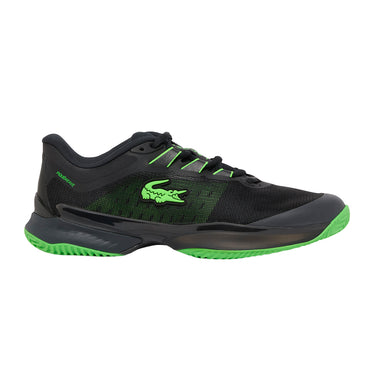
Lacoste padel shoes
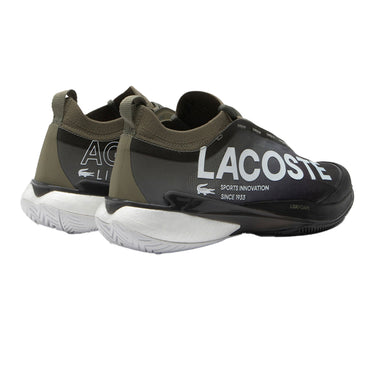
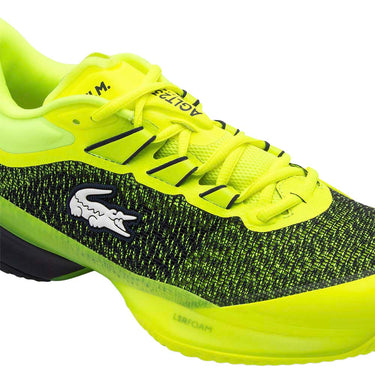
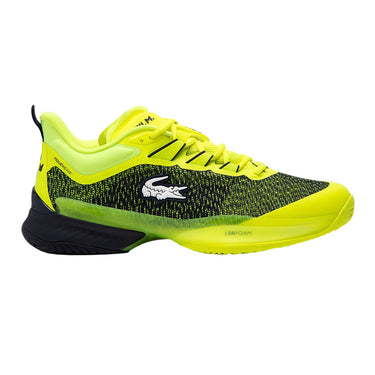
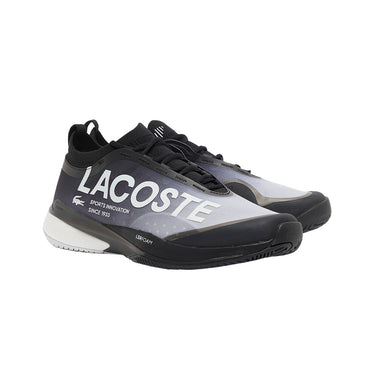
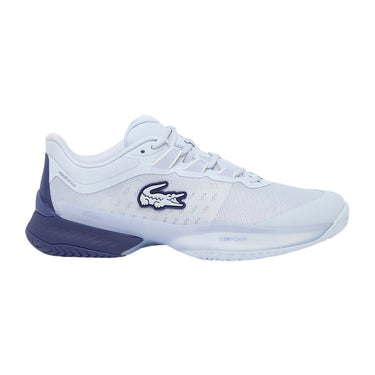
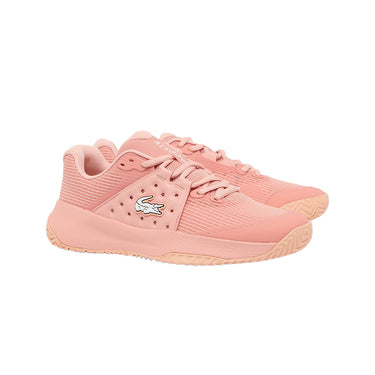
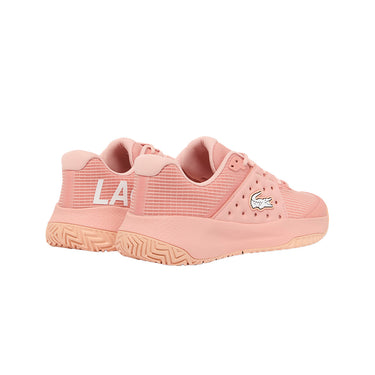
Lacoste appears in the catalogue's footwear filter with a limited selection of padel models. This collection groups them so you can view them together.
It's a brand that comes to padel with a clear emphasis on design, and that's often the reason people visit this page: they are looking for a specific model because they like how it looks. That's a perfectly valid reason, provided the decision doesn't stop there.
What to check besides design
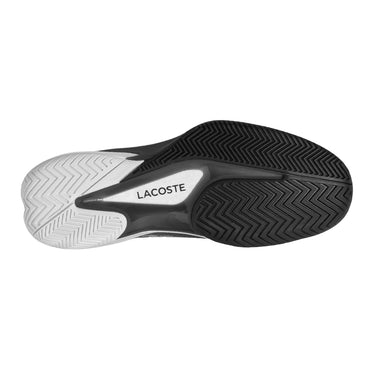
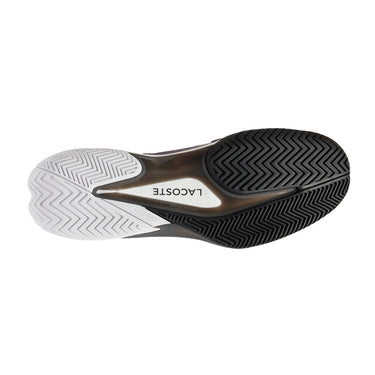
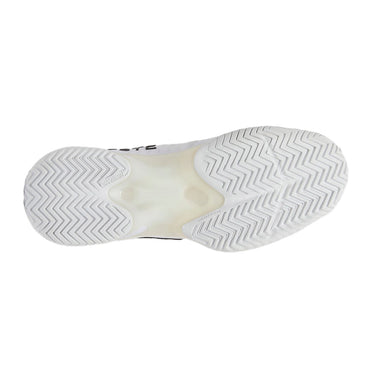
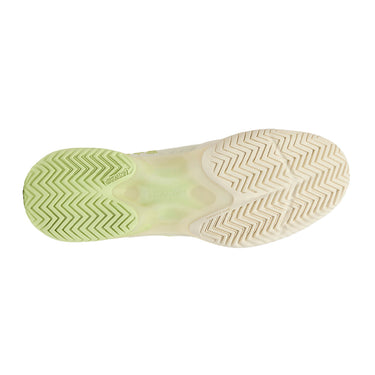
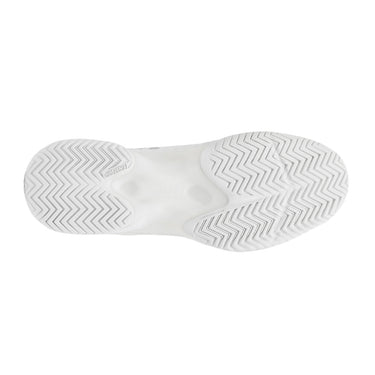
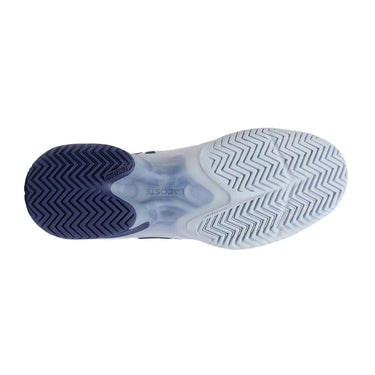
The type of sole
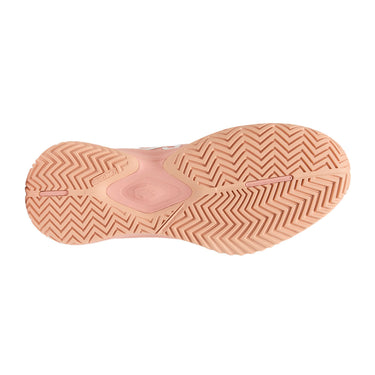
It's the criterion that most determines grip. Clay for synthetic turf with sand; all court if you alternate between clubs with different court conditions. Before deciding on a model, check the product page to see which pattern it uses.
Lateral support
Padel puts strain on the foot during abrupt lateral loads. Reinforcements in the midfoot and on the outer side are what stop the foot from moving inside the shoe, and that's the real difference between padel footwear and a casual trainer that looks similar.
The fit
Each brand has its own last. If you come from another brand, don't assume your usual size: check the size guide on the product page, especially if you have a wide foot or use insoles.
Lightweight or cushioning
It's the trade-off behind almost any shoe. A lightweight model gives agility and speed on the first step and is appreciated in net play where everything is decided in two moves. A more cushioned model protects the joints better and helps you arrive at a third set in better shape, at the cost of feeling slightly heavier. Before looking at design, it's useful to know which side of that trade-off you prefer.
Colours and audience
The category colour filter lets you narrow by tones, from white through navy to black, and the audience filter separates men, women, junior and unisex. It's the quick route when you already know which model you want and are only looking for a specific colour combination.
Construction: structure, traction and support
Beyond design, padel footwear is judged on three things. The structure, meaning how the shoe is built: lateral reinforcements, heel counter and a protected toe. The traction, which depends on the tread pattern and the sole compound and determines whether you stop where you expect. And the support, which is the ability of the whole shoe to keep the foot in place during changes of direction.
Those three aspects respond to the concrete demands of the game: short starts, abrupt stops and lateral movement. A shoe that fails in any of them forces the ankle to compensate, and that's where problems arise.
Breathability, comfort and materials
The upper determines how much the foot is ventilated and how much containment it receives. Mesh and perforated areas improve breathability, which is welcome in summer and in indoor courts; thermally bonded reinforcements provide containment at the cost of some ventilation. Most models seek a balance between the two.
Comfort in long matches depends mainly on the midsole, the foam layer that absorbs the impact of each step. A denser midsole transmits speed and response; a softer one protects the joints better. Neither is superior in the abstract: it depends on how many hours a week you play.
From tennis to padel: what transfers
Brands with a tennis heritage bring experience in footwear construction and quality control, and that heritage shows in the finish. What doesn't transfer automatically is the sole: hard-court or clay-court tread patterns are not designed to evacuate the sand from synthetic turf, so the specific pattern of each model remains the check you must make.
In terms of style, that same heritage explains why many of these models work just as well off court: cleaner lines and an aesthetic closer to classic footwear than to competition-specific shoes.
Level of play and frequency
If you play occasionally, comfort and fit matter more than any other feature. If you compete or chain training sessions and matches, durability of the sole and the quality of the reinforcements decide, because wear arrives sooner than it seems.
And there is a safety check that applies at any level: if, when braking laterally, you notice the foot moving inside the shoe, that model does not hold you sufficiently, no matter how good it looks.
Design and performance are not mutually exclusive
It's worth saying, because sometimes the opposite is assumed: an attractive design doesn't mean a loss of performance. The only thing to avoid is buying a street model thinking it's for padel. Within this collection, everything listed is sporting footwear from the catalogue; the check you still need to make is the sole pattern.
Where to go next
For the full catalogue with all filters for sole pattern, size and audience, the entry is padel shoes. If you're looking for a versatile sole, all court shoes. And by brand, you also have Asics shoes or Adidas shoes.
Frequently asked questions
Are Lacoste padel shoes suitable for actual play?
The models shown in this category are sports footwear with a sole designed for the court. What you should verify on each product page is the exact sole pattern, which determines grip on your type of court.
How do they fit?
We can't give a reliable general rule, because it varies by model. The size chart on each product page, shown in centimetres, is more useful than any guidance that a model "runs large" or "runs small".
Can they be used off court?
Yes, although it's not advisable if you want to preserve the sole. The tread wears on asphalt much faster than on synthetic turf, and that's where you lose the grip you need to play.
Top Ventas
Padel Market’s best-selling products.