



Filter and sort 180 products
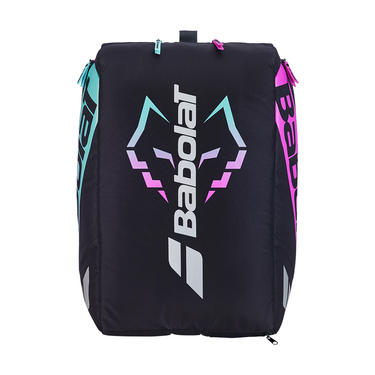

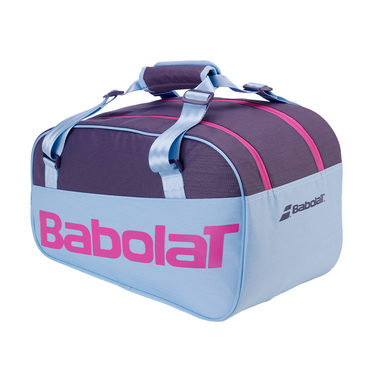
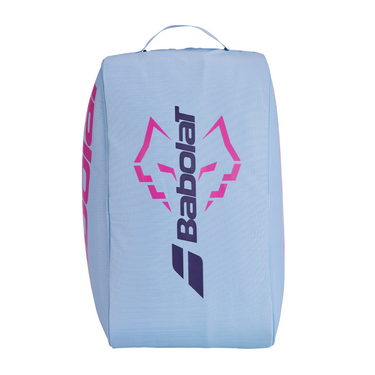


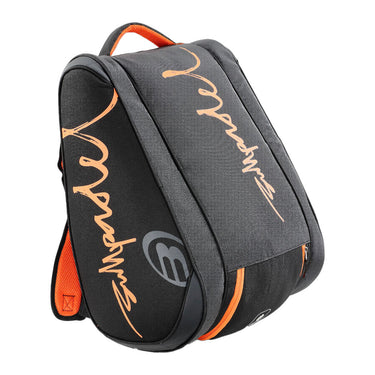


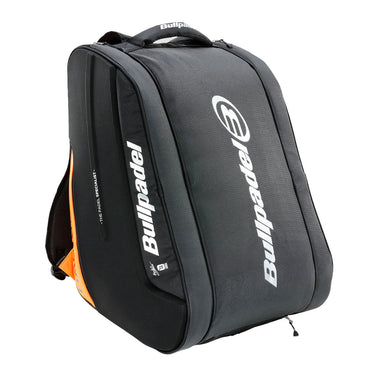

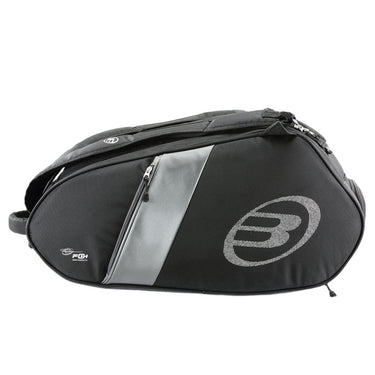
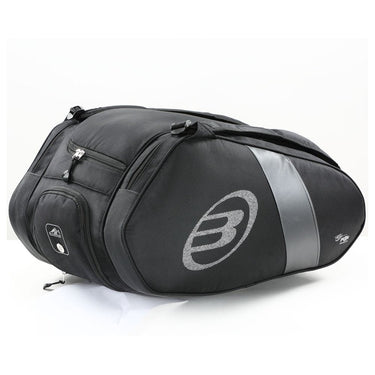
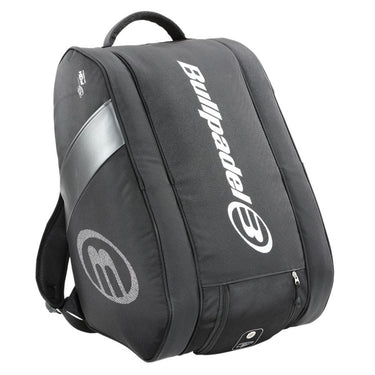
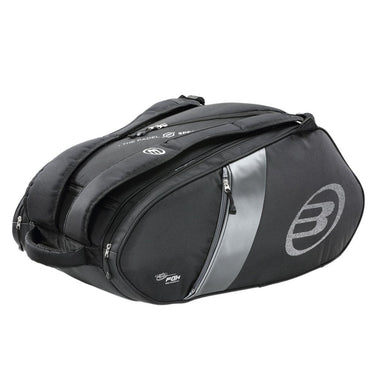
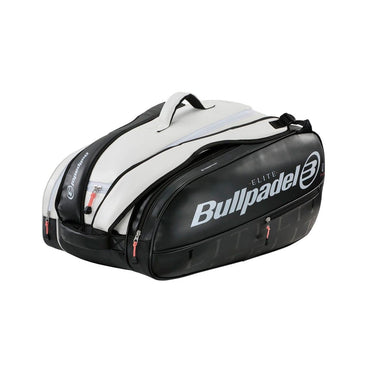

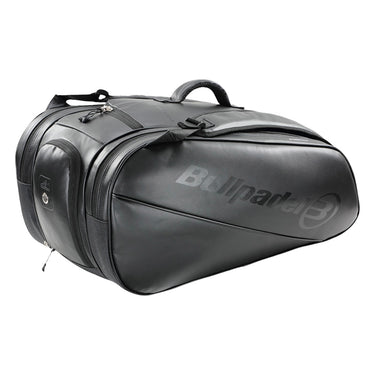
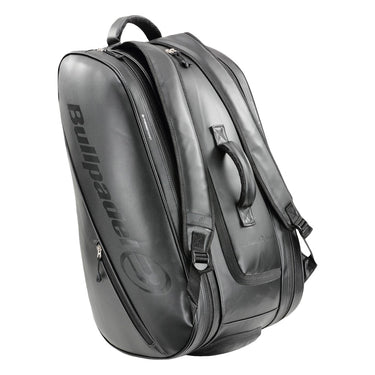
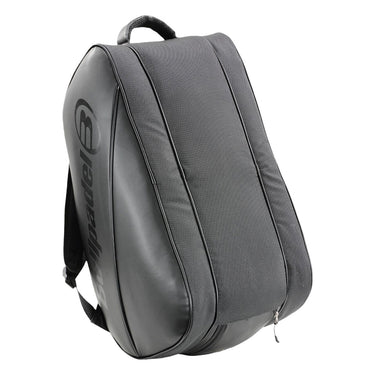
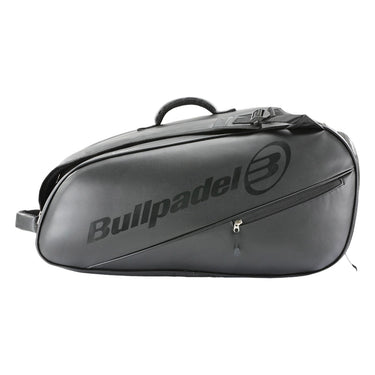


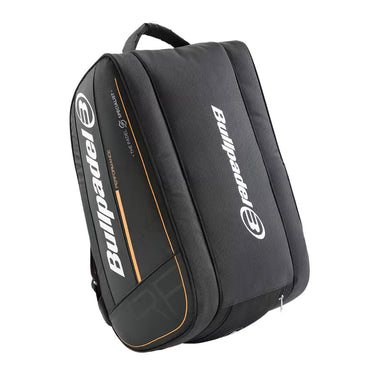


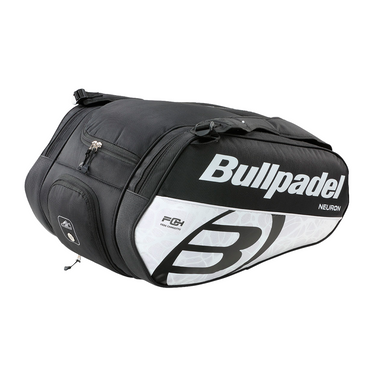
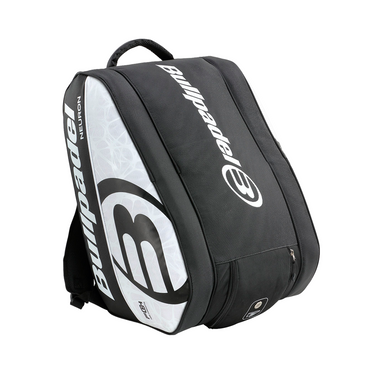
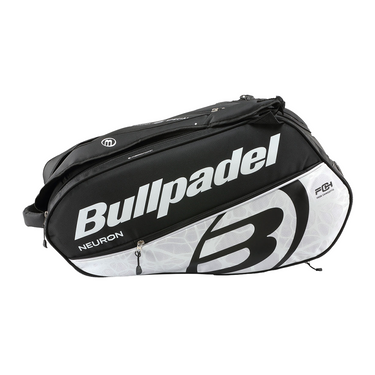


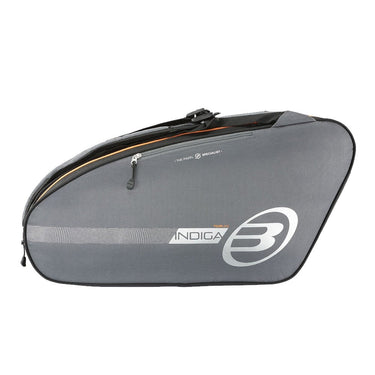

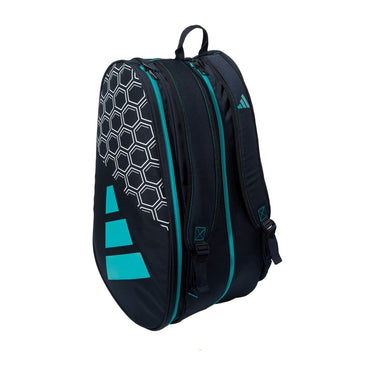
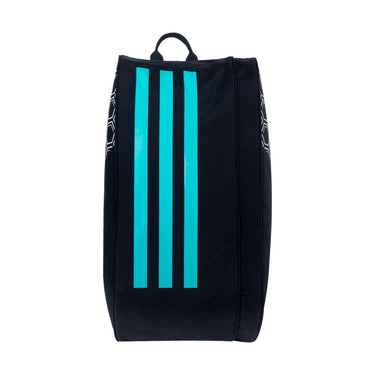


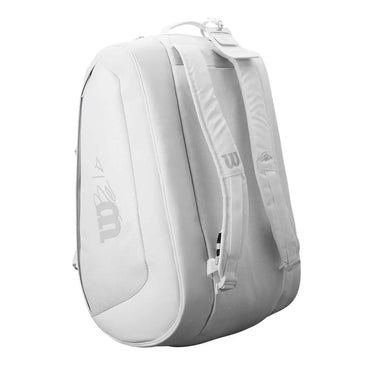

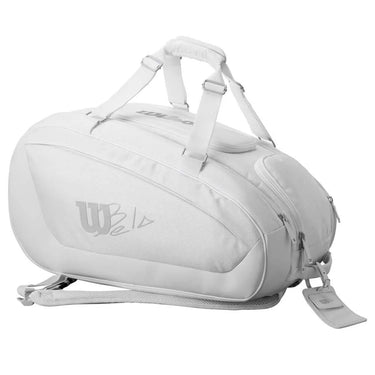


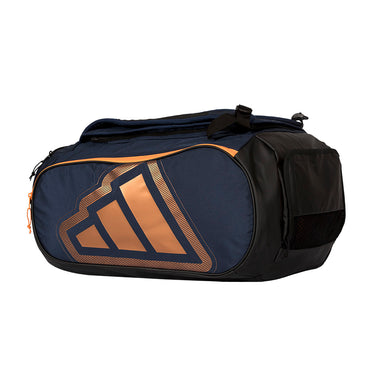
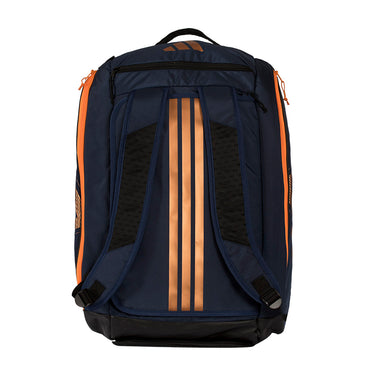
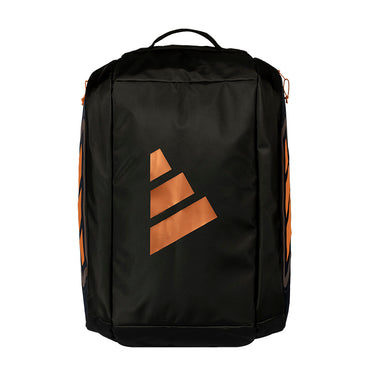
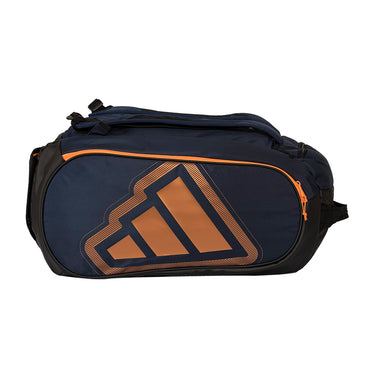
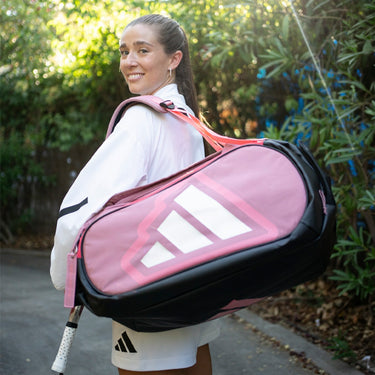
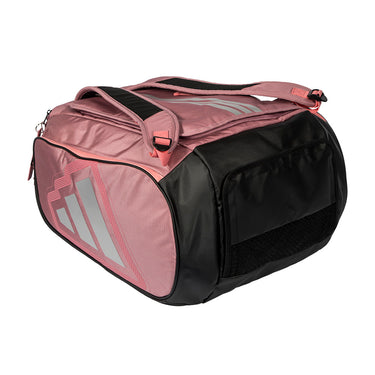
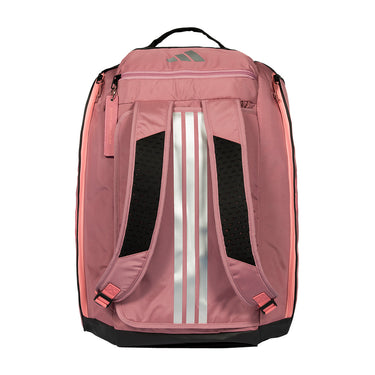
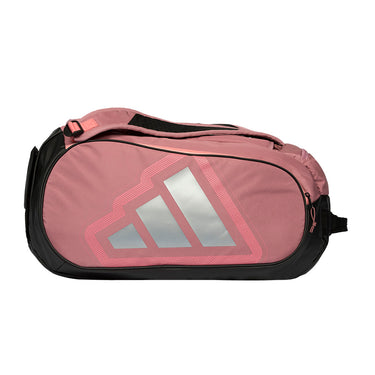
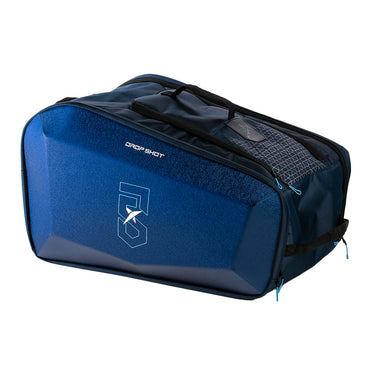
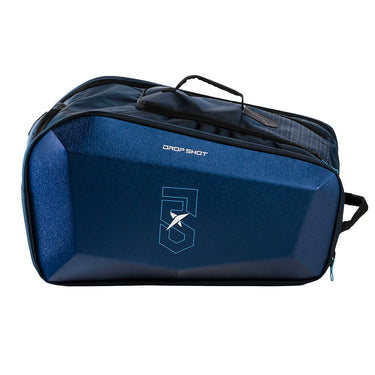
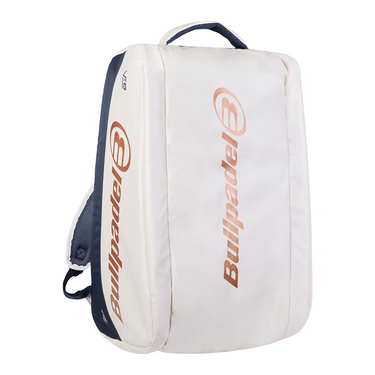
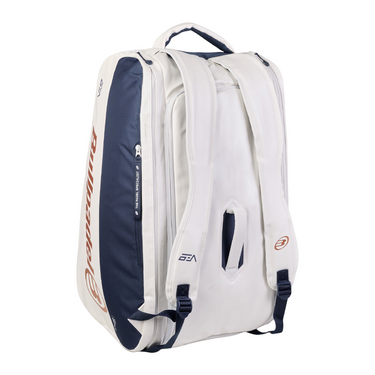
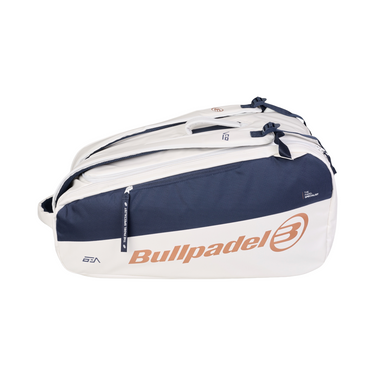
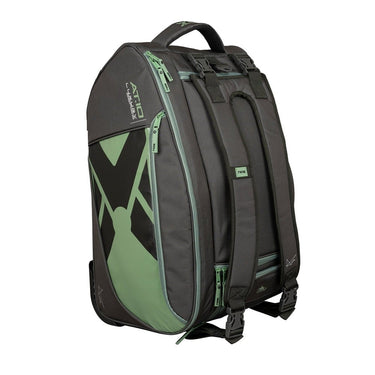
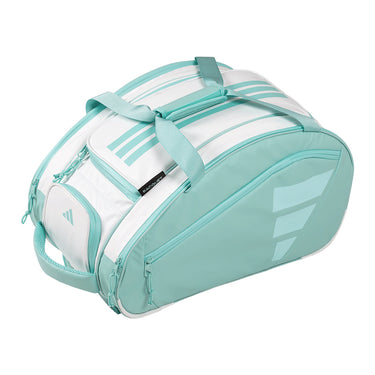

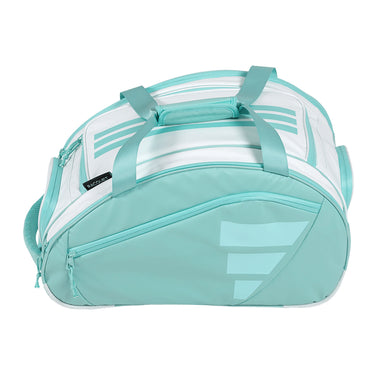
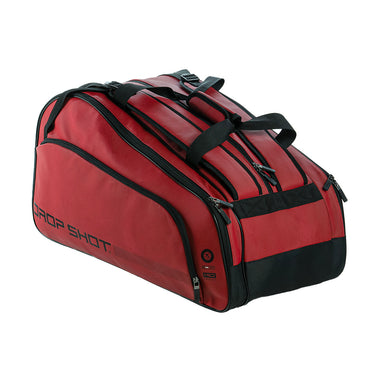
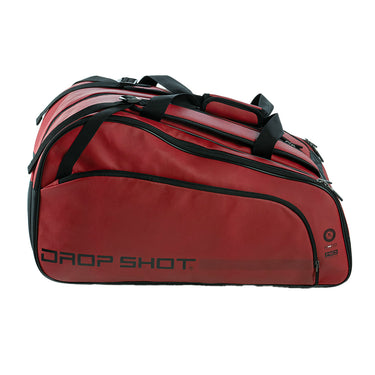
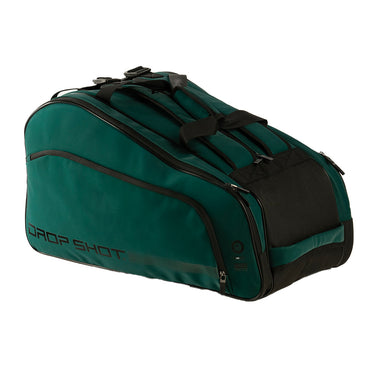
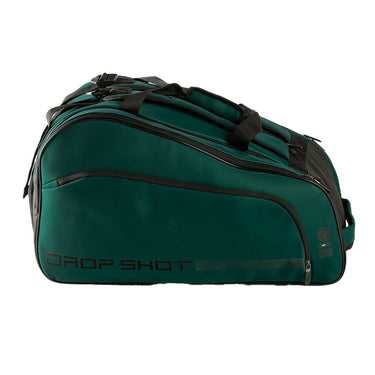
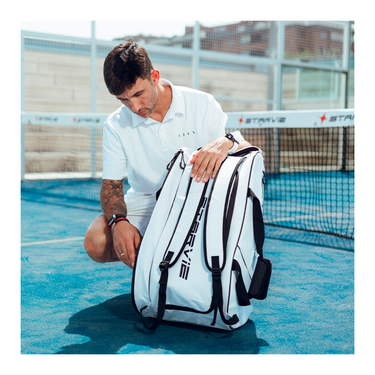
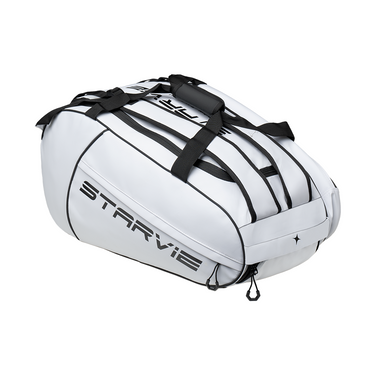


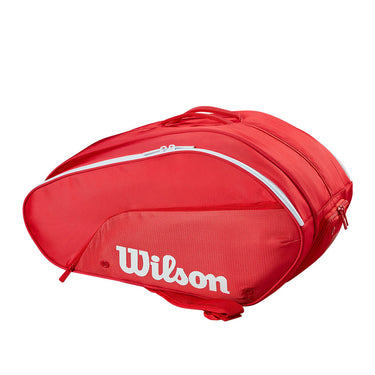
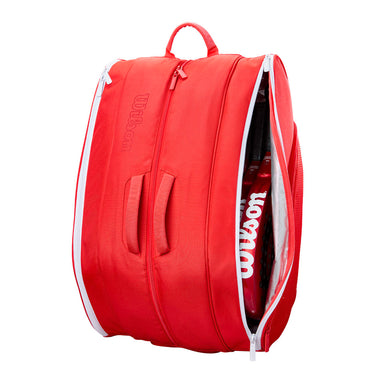
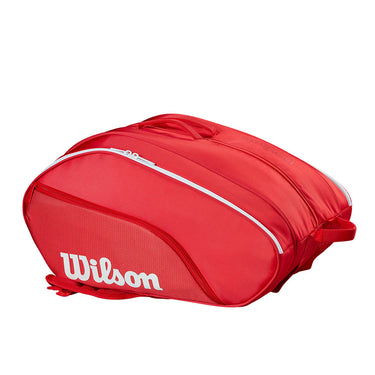
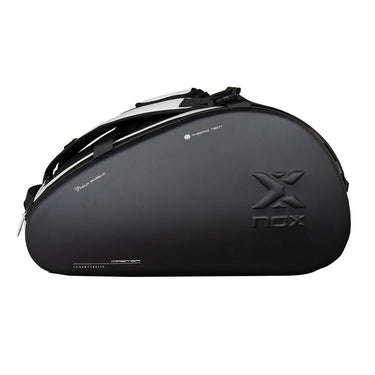
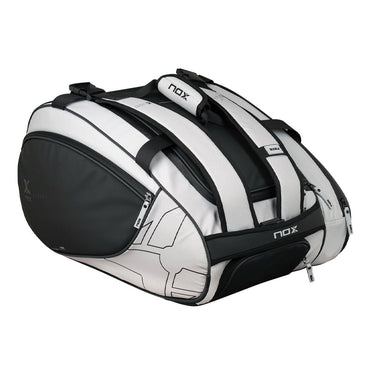
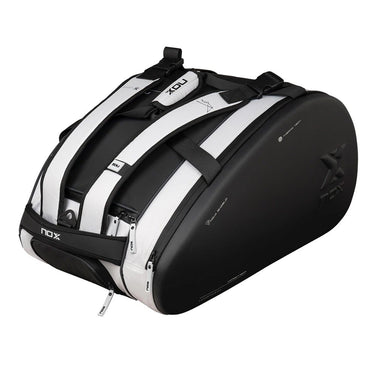
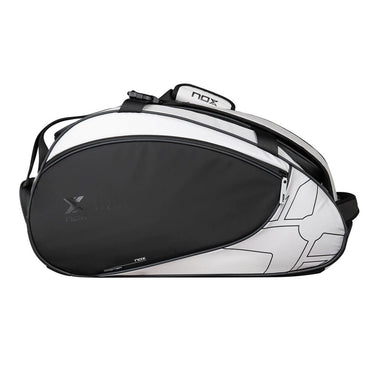
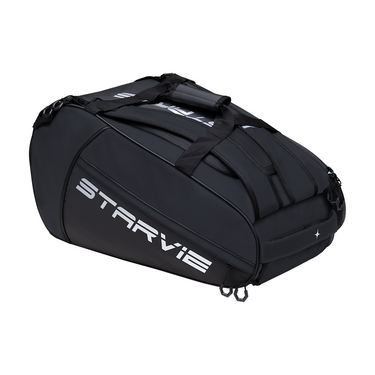
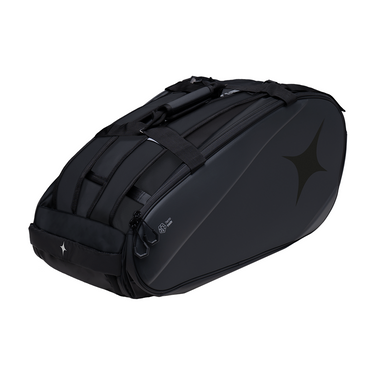

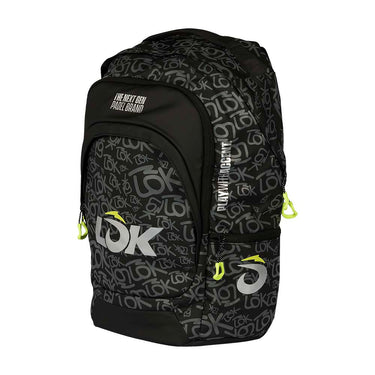
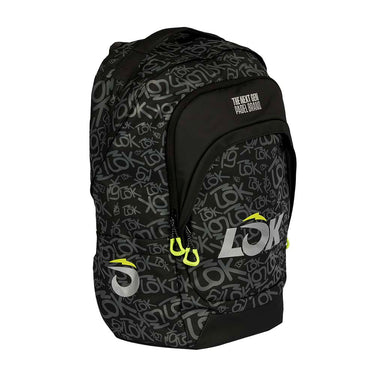


Padel bags: racket bags, backpacks and travel bags
In this category you’ll find everything for carrying and protecting your kit: racket bags, backpacks, holdalls, toiletry bags and travel bags. You can filter by bag type, brand, season and colour until you find the format that fits how you get to the court.
Don’t treat the bag as a minor accessory. A padel racket left in the car in summer, or in a boot exposed to the sun, suffers: the foam core and the adhesives that bond the face layers do not withstand prolonged high temperatures. The thermal compartment in a racket bag exists precisely for that reason.
This category is useful whether you’re buying your first bag or replacing a racket bag that’s become too small: there are formats for someone who plays once a week, for daily training and for those who travel to tournaments with a full kit.
Which format suits you
Racket bag
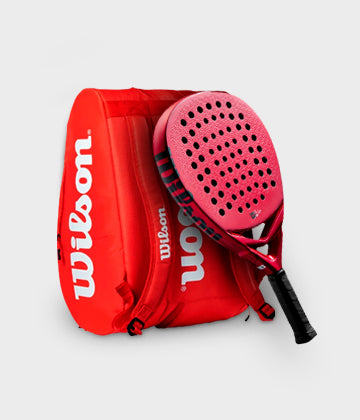
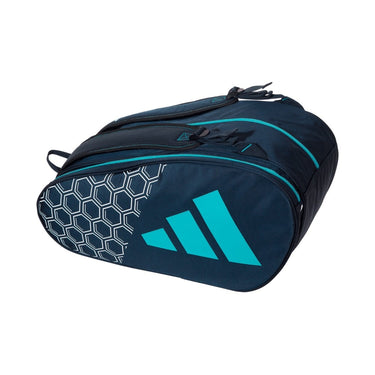
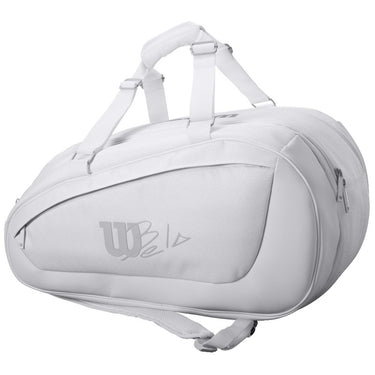
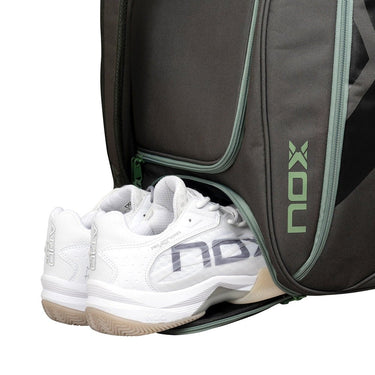
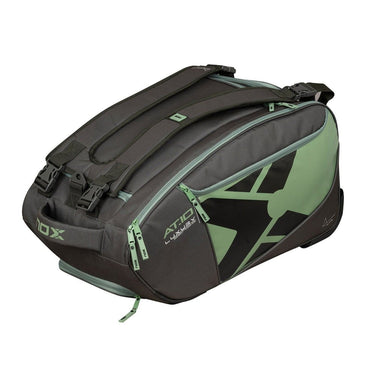
This is the classic format and the one with the greatest capacity. It usually includes a thermal compartment for padel rackets, a separate space for footwear and pockets for small accessories. It’s ideal if you carry more than one padel racket, compete in tournaments or change clothes at the club.
Backpack
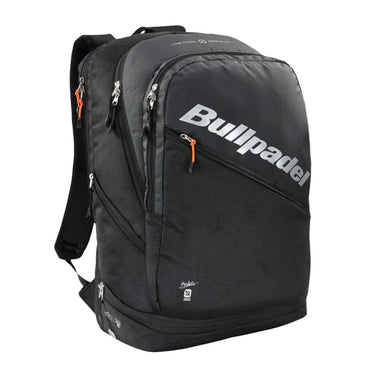
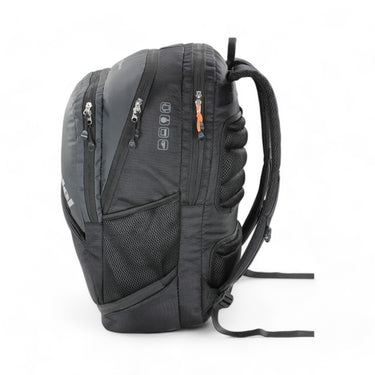
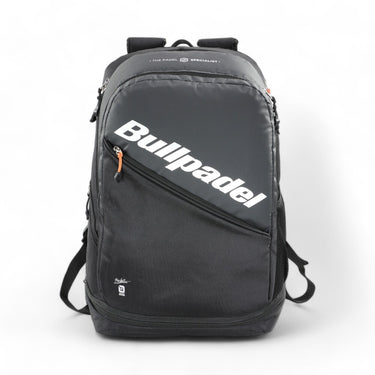
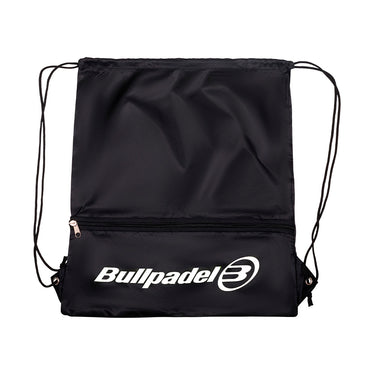
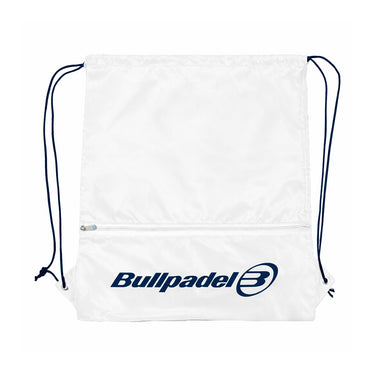
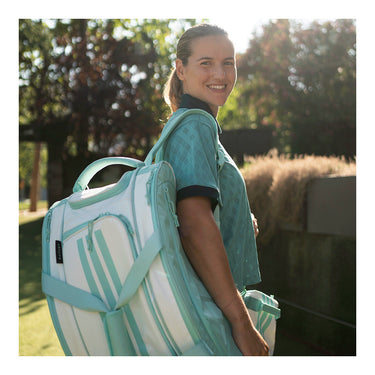
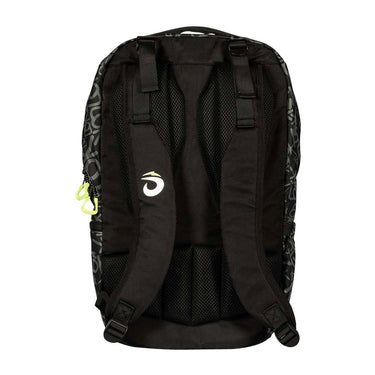
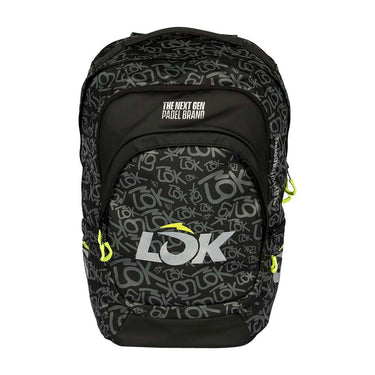
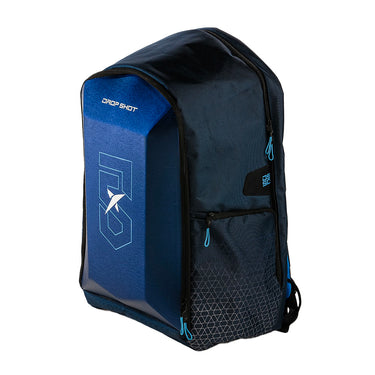
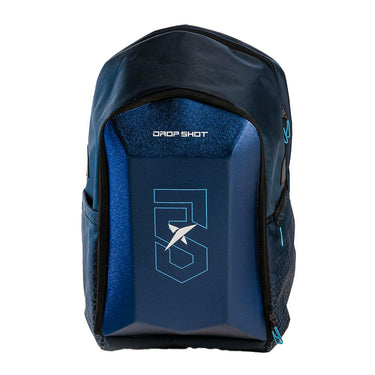
More compact and more comfortable for travelling by public transport or bike. It fits one padel racket, a change of clothes and little else. It’s the practical choice if you go from home to the court with the essentials and return afterwards.
Holdall, toiletry bag and travel bag
The toiletry bag sorts the small items — overgrips, protector tape, balls, charger — inside the racket bag. The travel bag comes into play when travel lasts several days. The holdall is the smallest option, for those who go to the court with a padel racket and nothing else.
What to look at before deciding
- How many padel rackets you actually take: that’s the first question that rules out half the catalogue. Someone who plays with a single padel racket rarely needs the largest racket bag.
- Thermal compartment: the insulation protects the racket core from rapid temperature changes. With cars parked in the sun, it is not a minor detail.
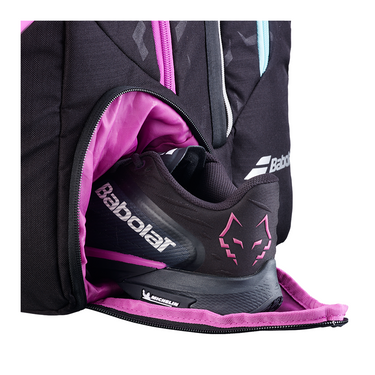
- Separate space for footwear: prevents sand and moisture from trainers getting onto clothes and padel rackets.
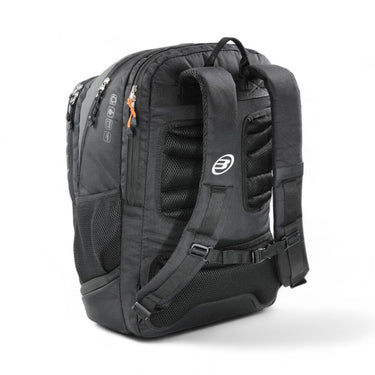
- Carrying system: handles, shoulder strap or backpack-style straps. If you walk or cycle, how the weight is distributed on your back matters more than litres of capacity.
- Strength of zips and seams: these are the first parts to fail on bags that are heavily loaded and opened and closed daily.
Materials and construction
Two details separate a bag that lasts from one that doesn’t. First are the straps: padded and wide straps distribute weight; narrow, unpadded ones dig in as soon as you load two padel rackets, trainers and clothes. The second is the base, which rests on the changing-room floor and the court carpet; a reinforced base with water-resistant material greatly extends the lifespan of the bag.
What a padel-specific bag provides
Any backpack transports, but it won’t protect or organise. The advantages of a bag designed for this sport boil down to three concrete things, all of which affect the kit you’ve paid for.
Protection for padel rackets
Padel rackets are the most delicate item in the kit. The thermal compartment cushions against temperature changes that degrade the foam core, and padding protects the frame from knocks against curbs, stairs and car boots. A padel racket travelling loose in a generic sports bag accumulates micro-impacts on the edge, which is where breaks typically start.
Organisation and storage
The other problem it solves is order. A well-designed racket bag separates wet from dry: a dedicated compartment for footwear so sand and moisture don’t end up on clothes; small pockets for overgrips, protector tape and balls; and an inner pocket for keys, wallet and phone. That zoned storage is what stops you emptying the whole bag in the changing room looking for an overgrip.
Comfort in transport
Loaded, a full racket bag is heavy. Padded, wide straps distribute weight across the shoulder and back; narrow ones dig in. If you walk, cycle or use public transport, the carrying system matters more than litres of capacity.
Padel backpacks are the lightest, most practical option for quick training sessions, while larger racket bags usually split kit across several compartments so everything has its place. If you play outdoors and leave the bag at the court edge, water-resistant or water-repellent materials on the base and flaps are the detail that prevents moisture reaching clothes.
Capacity: how much you really need
This is the most common mistake in the category: buying more capacity than you use. Before looking at models, run through what you take to a normal match.
- You just play and go home: one padel racket, a bottle and little else. A backpack is more than enough.
- You change at the club: padel racket, spare trainers, clothing, towel and toiletry bag. This is where a racket bag with a footwear compartment starts to make sense.
- You play tournaments or carry two padel rackets: space for multiple rackets, two sets of clothing and accessories. This is the realm of the larger racket bags.
- You share kit with your playing partner: it’s worth checking how many padel rackets the thermal compartment accepts, a detail shown on each product page.
The number of padel rackets that fit varies significantly from one model to another, even within the same brand, so it’s best to check the product page rather than infer from external size.
Features that make a difference
With format kept equal, these are the details that separate a bag that lasts years from one that falls by the wayside.
- Zips: they’re the most used component and the first to fail. Thicker zips with reinforced pullers are the difference between a bag that lasts and one that splits after two months.
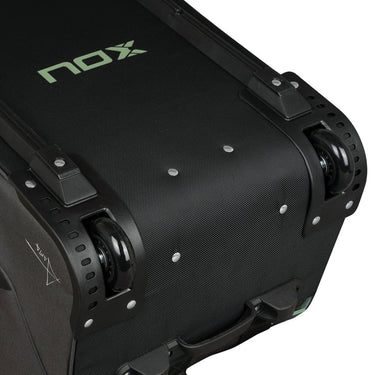
- Reinforced base: it’s the part that rests on the changing-room floor and court carpet. A water-resistant material prevents moisture reaching the interior.
- Ventilation for the footwear compartment: vents or eyelets let moisture escape from recently used trainers.
- Insulated pocket for valuables: small, zip-secure and separate from the rest.
- Seams at stress points: handles and strap anchors bear the load when the bag is full.
- Materials: high-density technical fabrics resist abrasion better than similar-looking, lower-weight materials. Quality is noticeable in the feel and the weight when empty.
Choose according to how often you play
Frequency guides the choice better than level. If you play occasionally, a backpack or compact racket bag covers your needs without taking up half the boot. With two or three matches a week, a mid-size racket bag with a footwear compartment is the format that performs best for daily use. And if you compete, travel to tournaments or carry kit for a whole weekend, the large racket bag and travel bag cease to be a luxury.
For beginners, a practical tip: the first racket bag is often bought too large. Getting the interior organisation right is more useful than chasing litres of capacity.
Brands, collections and styles
The market for padel bags has grown a lot and now hosts very different designs. Black remains the best-selling colour because it hides wear and matches everything, but the colour filter helps if you want something more eye-catching. Each brand keeps its own aesthetic line, and many launch collections linked to professional circuit players, offering the same formats with a different look.
At a glance, options reduce considerably once you apply two filters: format and brand. From there, the choice is usually between three or four models.
How to care for your racket bag
Empty it after playing, especially clothes and trainers: trapped moisture is what causes the smell that won’t go away. Wipe the exterior with a damp cloth and leave it open to air dry, never next to a radiator. And don’t store it full and compressed, as zips are forced and eventually give way.
Explore by format, brand or player
The brand filter in this category includes manufacturers such as Adidas, Babolat, Bullpadel, Drop Shot, Head, Lok, Nox, StarVie and Wilson, and there are also collections associated with tour professionals like Paquito Navarro, Agustín Tapia, Juan Lebrón, Bea González and Gemma Triay.
If you already know the format, you can go directly to racket bags or to padel backpacks. And if you prefer to start with the most popular products, you can consult the general selection of padel bestsellers.
Choosing your next racket bag well
To recap: first the format, then the real capacity you’ll use and finally the construction details. Within the racket bags and backpacks collection there are options for each of those combinations, and the filters for type, brand and colour reduce the catalogue to a handful of comparable items in two clicks.
It’s worth prioritising functionality over looks: high-resistance materials on the base and zips, a thermal compartment matching the number of padel rackets you carry and a strap system that doesn’t restrict movement when walking. The padel racket bags that meet those criteria last whole seasons and become a fixed part of your kit, while those that only score on design are replaced within a year.
And if what you’re missing is a small extra — a toiletry bag to organise little items, a travel bag for weekend tournaments or a lightweight backpack for everyday use — those products sit in the same category and are filtered by bag type.
Frequently asked questions about padel bags
What is the difference between a racket bag and a padel bag?
“Padel bag” is the general term for any carrying format. A racket bag is the specific elongated format with a compartment for padel rackets, but not every padel bag is a racket bag.
How many padel rackets fit in a racket bag?
It varies greatly from model to model, so it’s a detail to check on the specific product page. As a guideline, high-end racket bags are designed for several padel rackets plus full kit, while compact formats hold one or two.
Are there bags and racket bags for women?
Yes: the audience filter in the category separates women’s references from the rest, most of which are unisex. The difference is usually in design and proportions, not in the level of protection.
Can I carry a padel racket in a normal backpack?
It fits in some, but without protection or insulation. For occasional use it’s fine; as a daily solution it exposes the frame to knocks and the core to temperature changes in the boot.
Is a high-end racket bag worth it?
It depends on use. If you play once a week and go straight from home to the court, a simple format suffices. If you travel daily with full kit, the extra spend pays off in zips, straps and materials that withstand that rhythm.
How do you clean a padel bag?
Wipe the outside with a damp cloth and neutral soap, emptying and vacuuming sand from the interior. Avoid the washing machine: it deforms rigid structures and damages padding.
Which format is best if I use public transport?
The backpack or a racket bag with backpack-style straps. Distributing the weight across the back is more comfortable than a shoulder strap when you’re standing or changing trains.
Is the thermal compartment any use?
It helps to cushion temperature changes, which is what degrades the foam core over time. It doesn’t turn the racket bag into a fridge: if you leave a padel racket for hours inside a car in mid-August, the insulation delays the problem but does not eliminate it.
Top Ventas
Padel Market’s best-selling products.