




Filter and sort 318 products
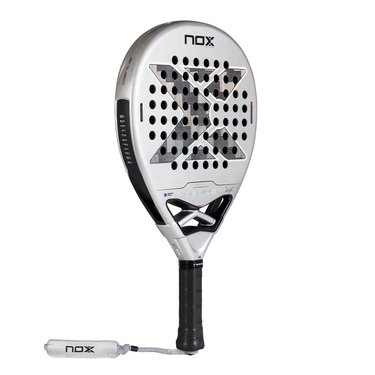

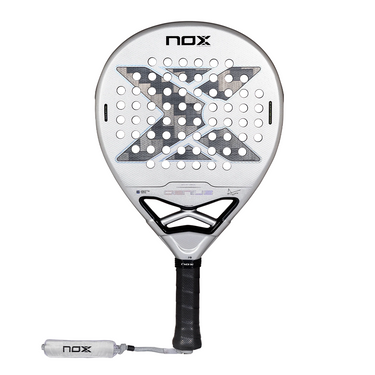
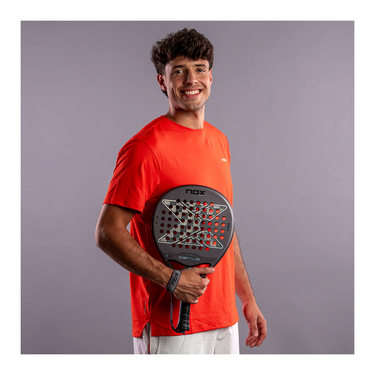
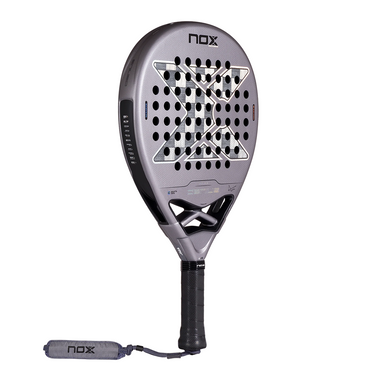





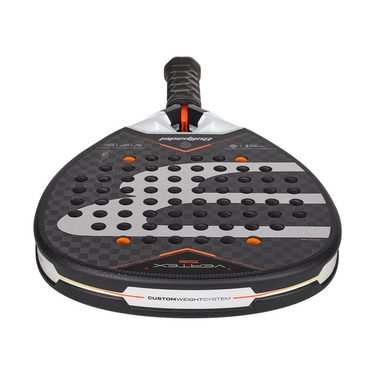
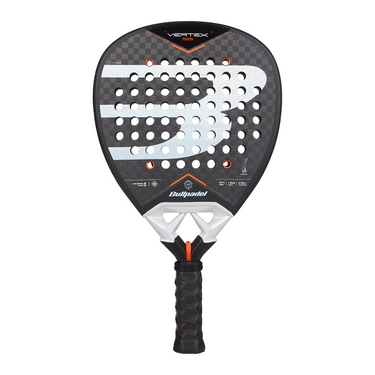
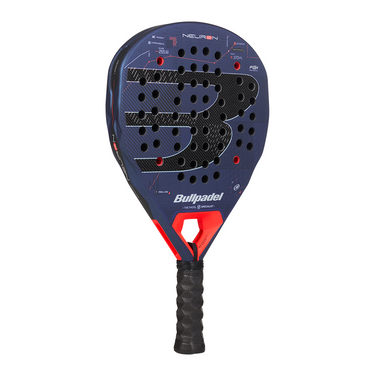
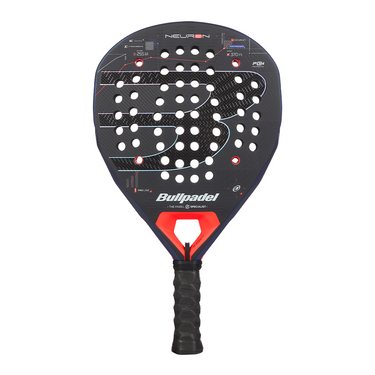
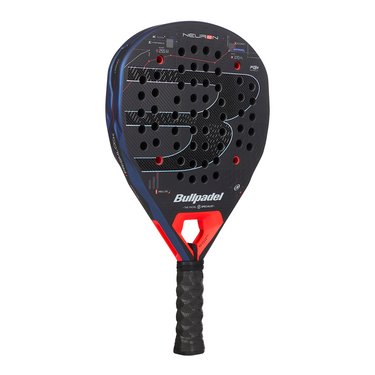
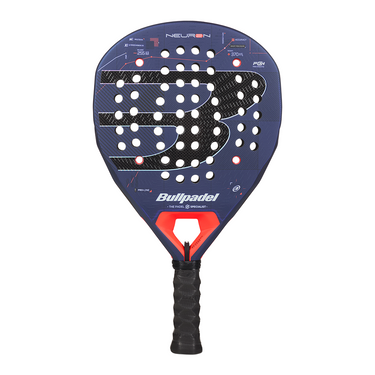
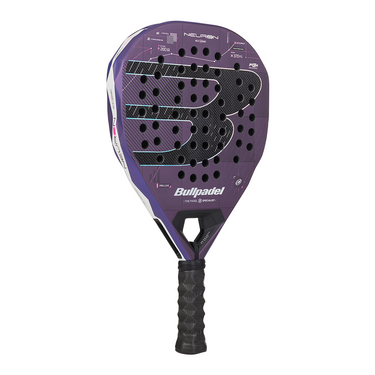
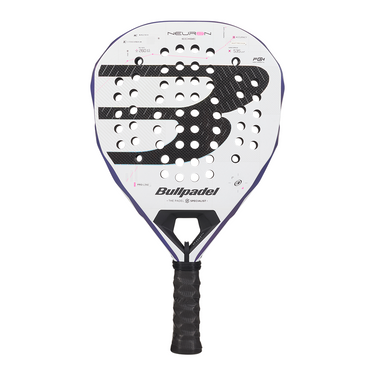

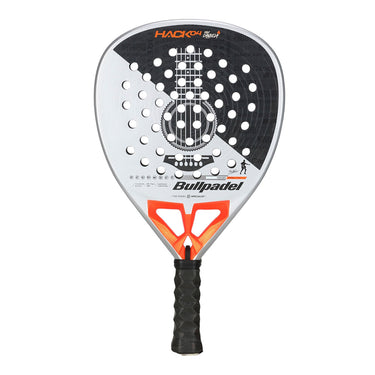
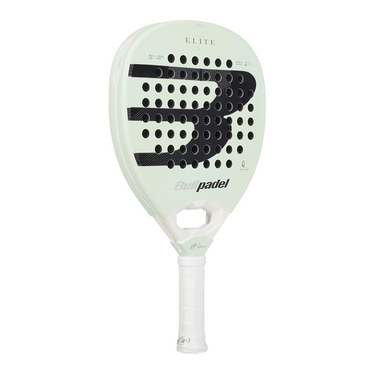





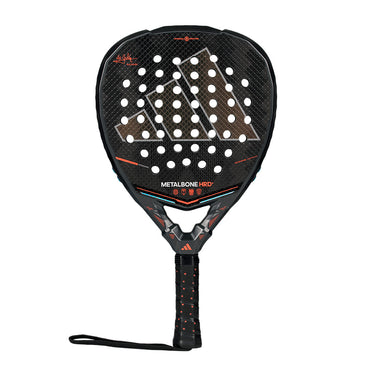
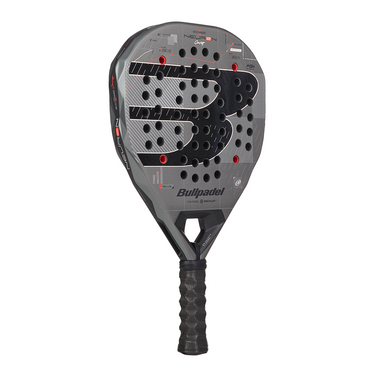
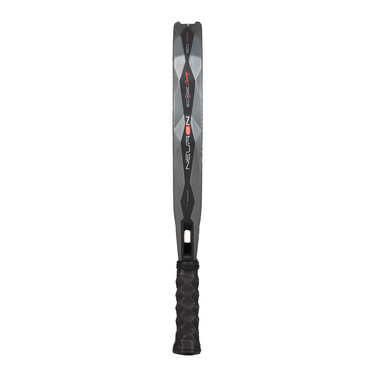
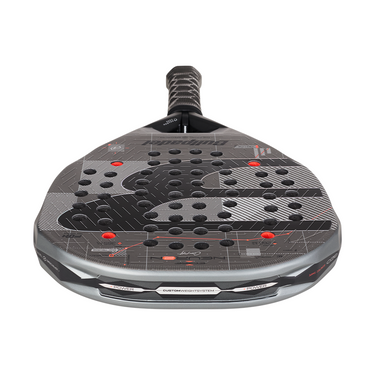
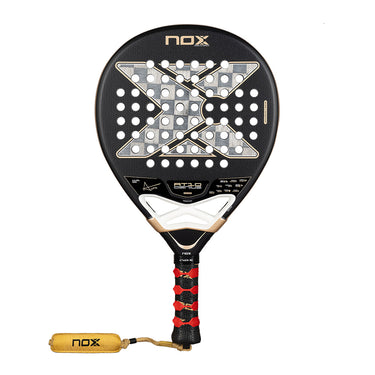

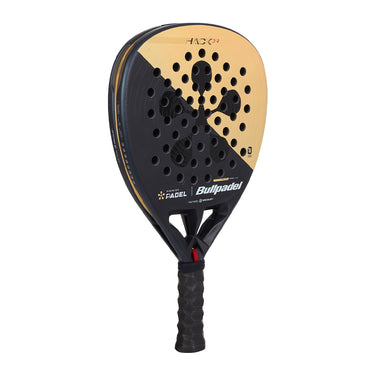
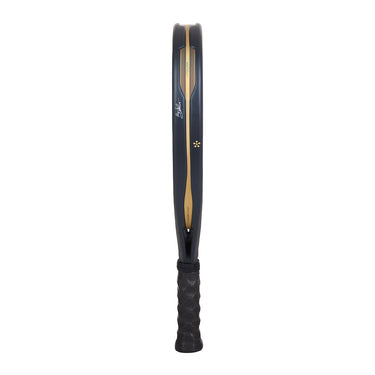

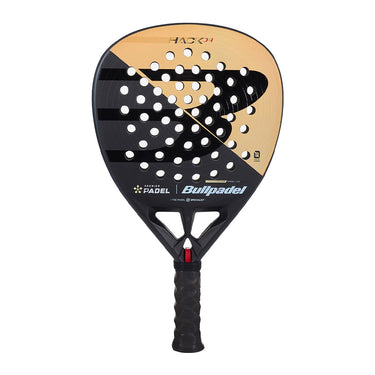
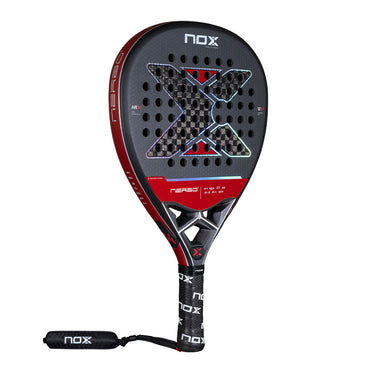
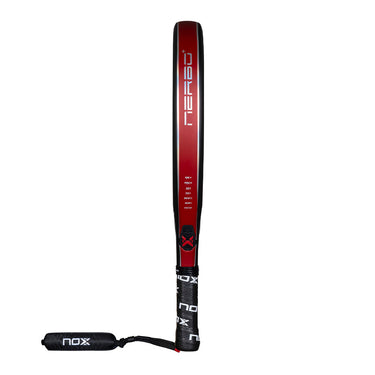

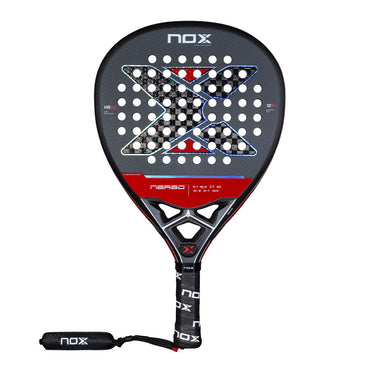
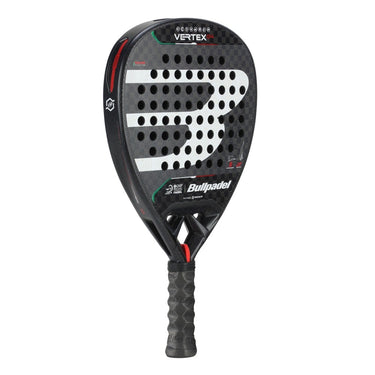
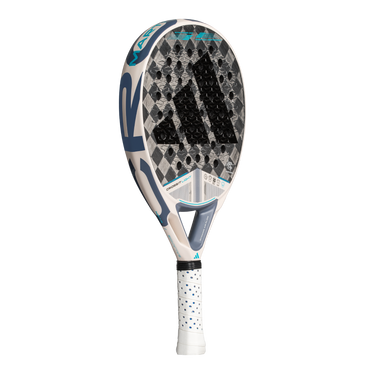

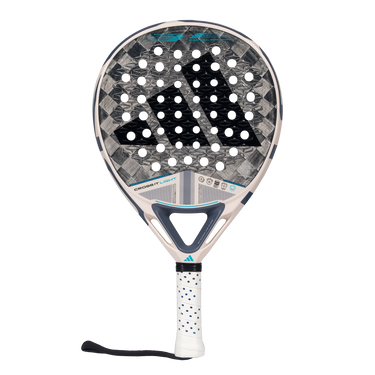
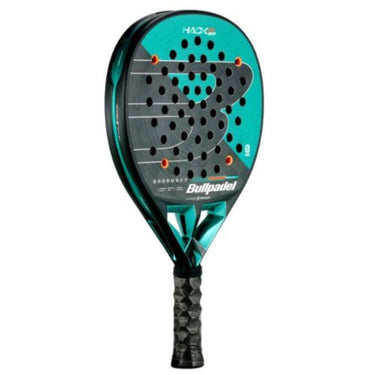
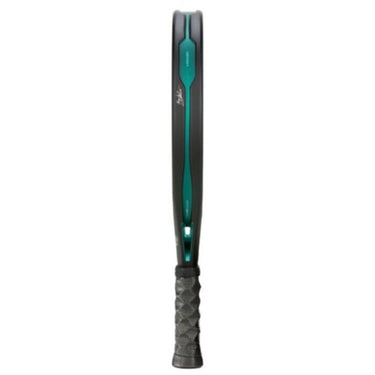

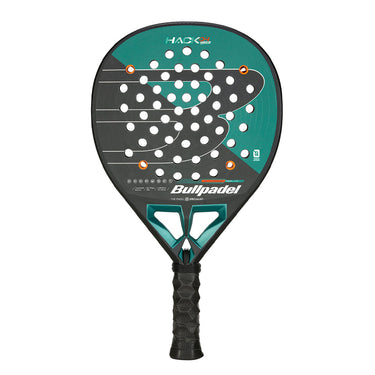
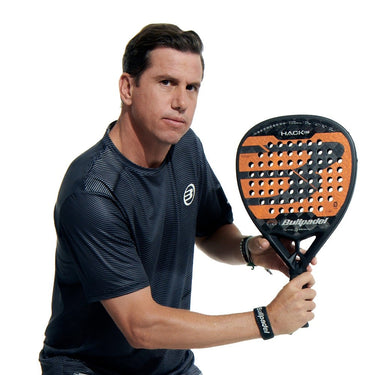
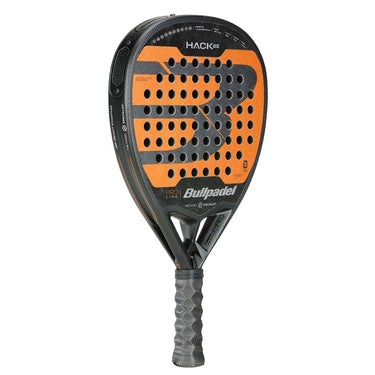
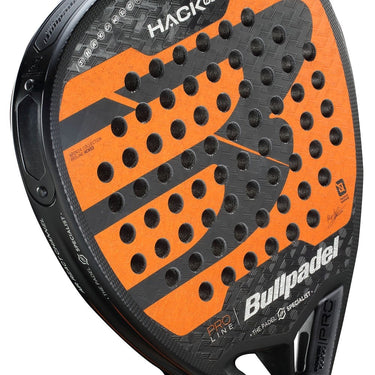



What you'll find in the padel rackets category
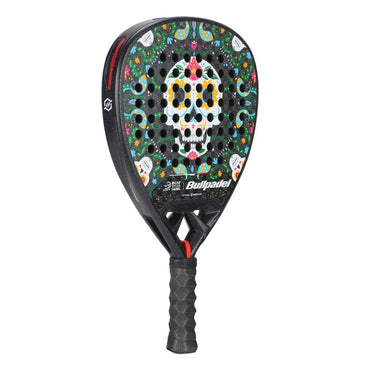
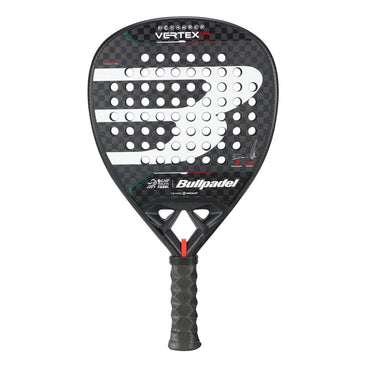
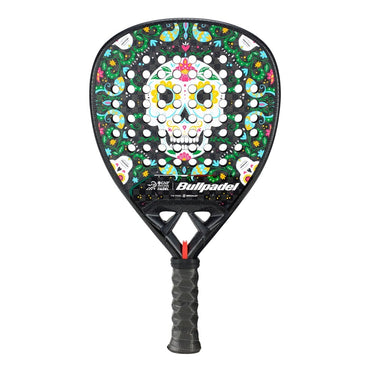
This is Padel Market’s main category for padel rackets and serves as the starting point to filter the full catalogue by shape, weight, balance, face material, hardness, playing level, brand and season. If you arrived looking for a padel racket under any name, you’re in the right place: several names are used for the same product.
The racket is the element that most conditions how you feel on court, ahead of the rest of the equipment. This page is not intended to be read from start to finish, but to help you narrow down: first decide which type of padel racket suits your game and then apply the filters to leave only those references.
What exactly a padel racket is
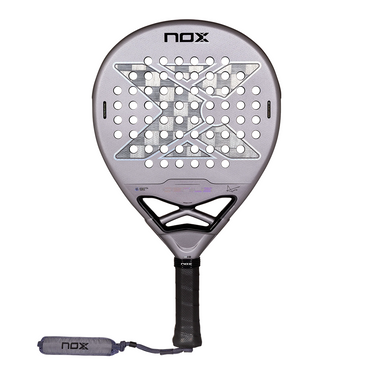
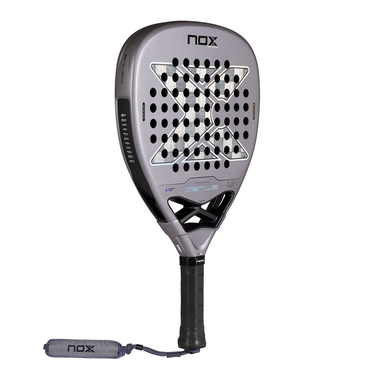
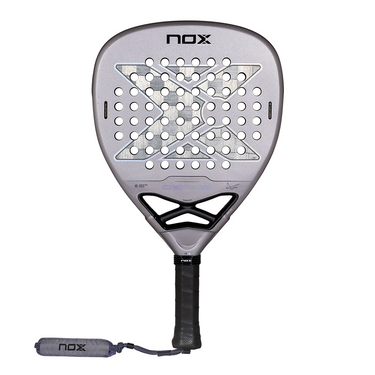
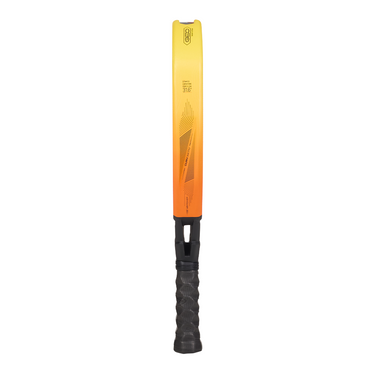
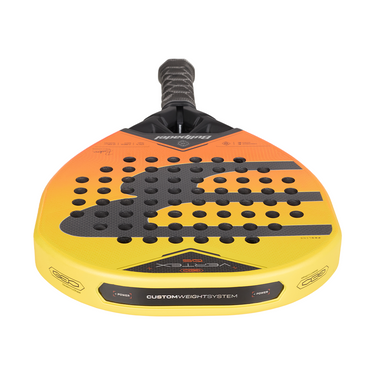
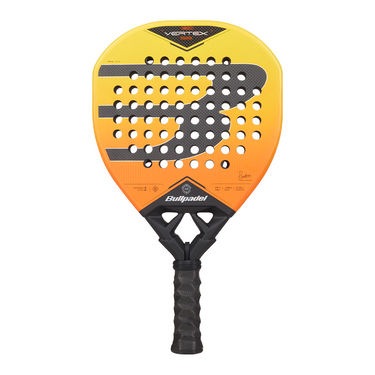
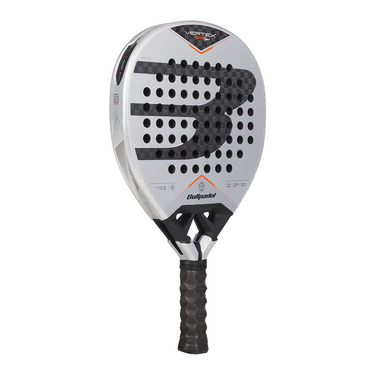
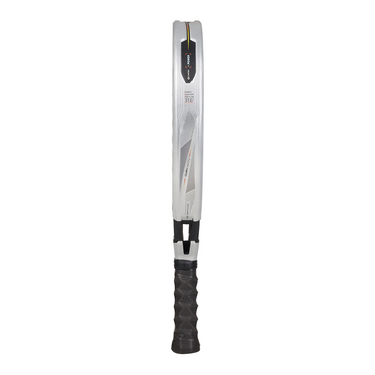
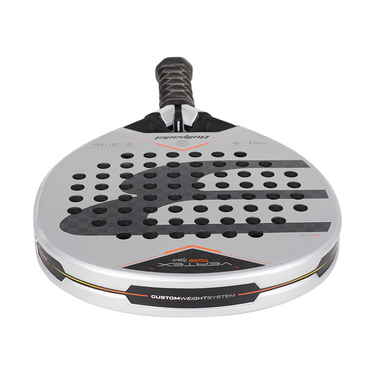
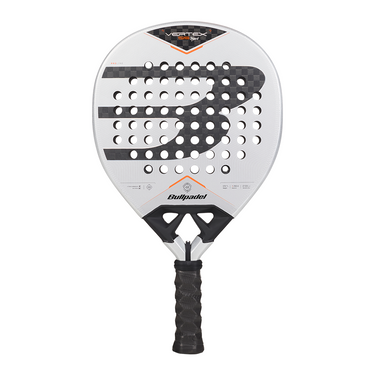
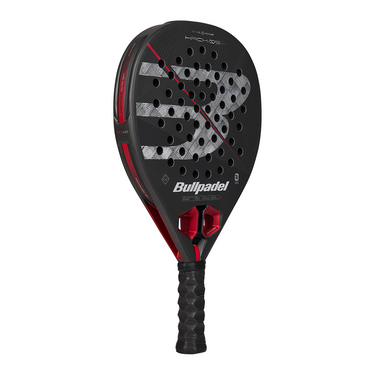
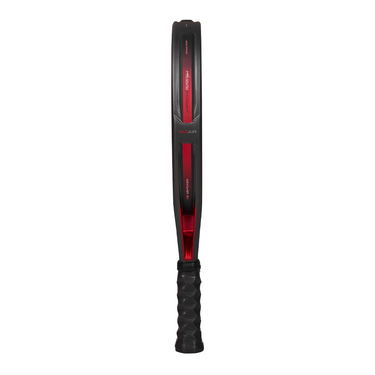
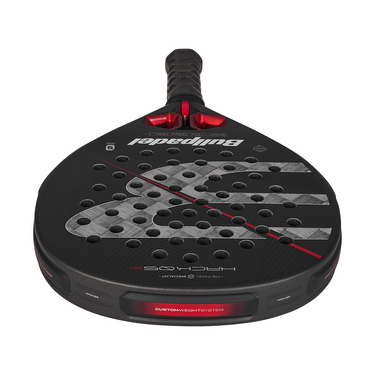
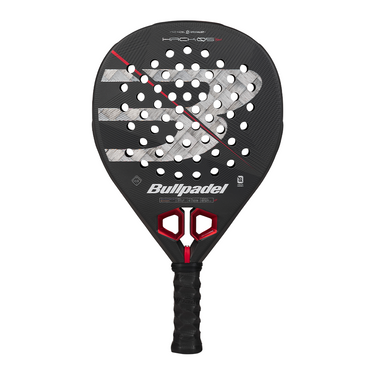
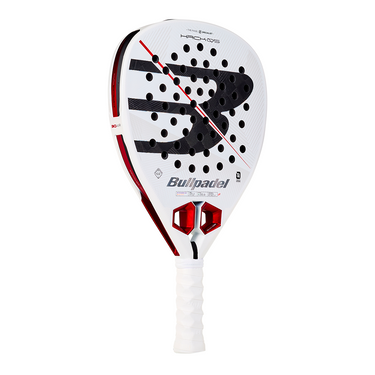
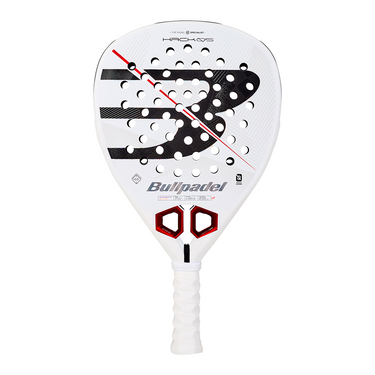
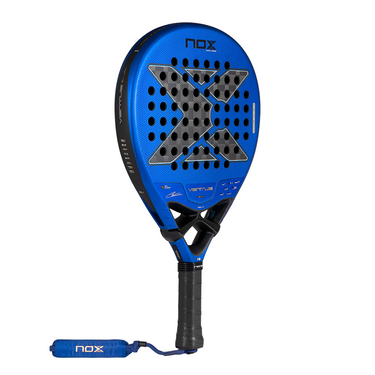
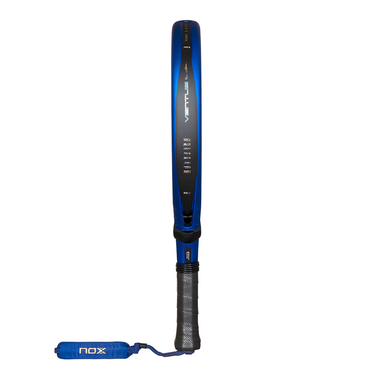
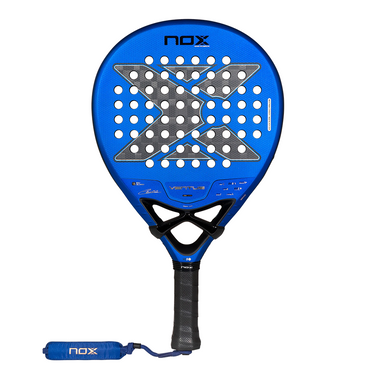
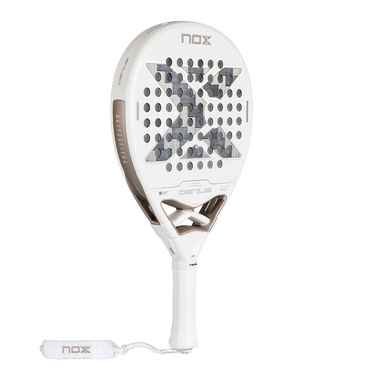
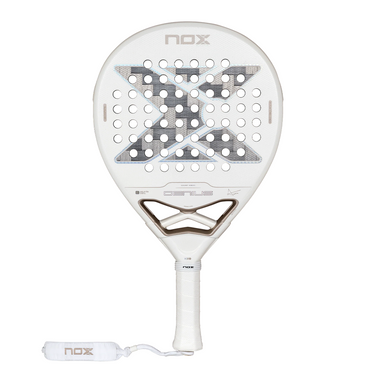
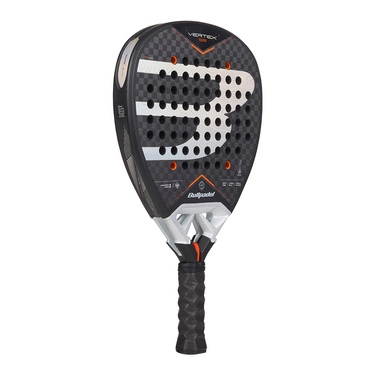
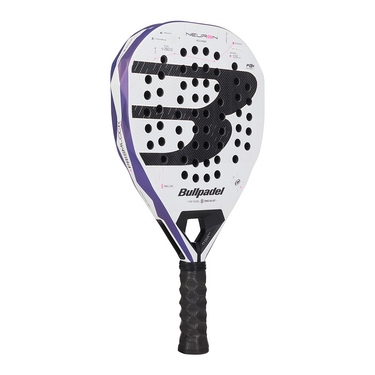
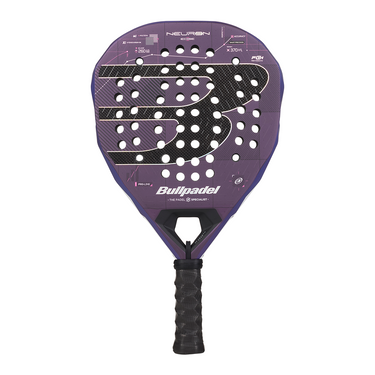
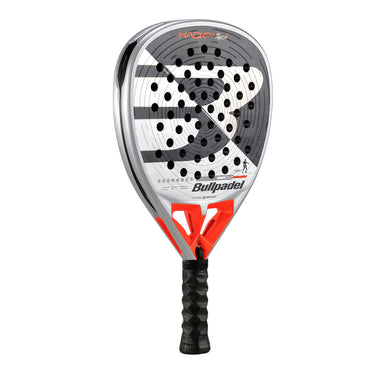
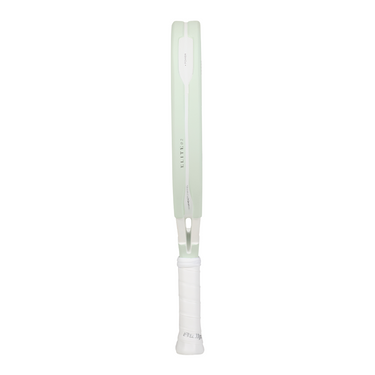
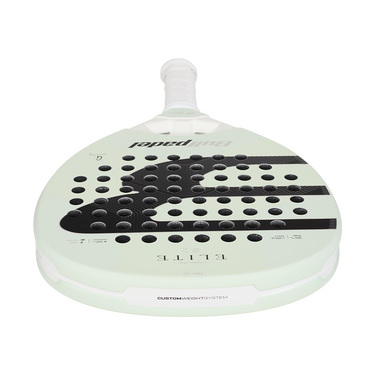
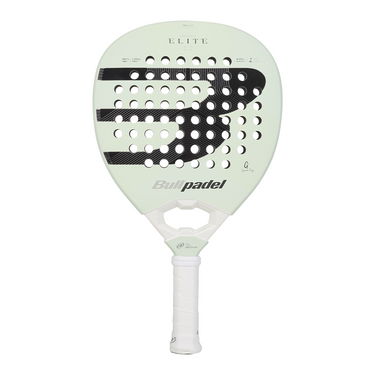
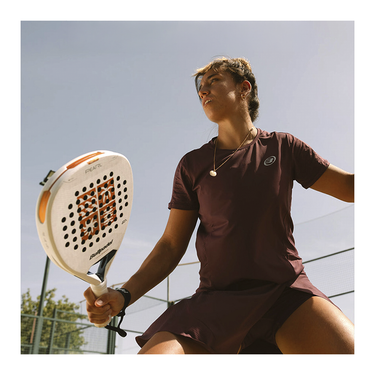
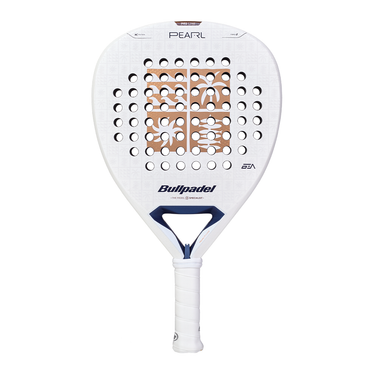
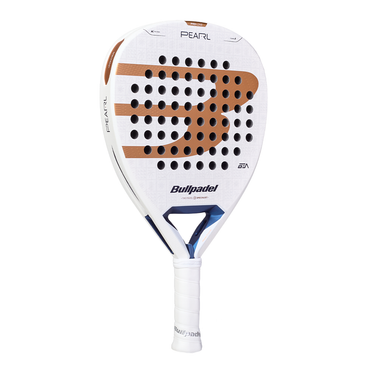
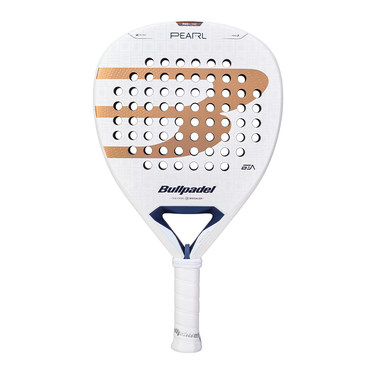
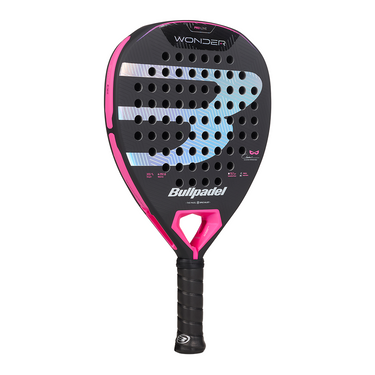
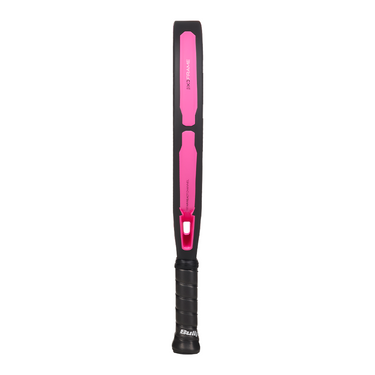
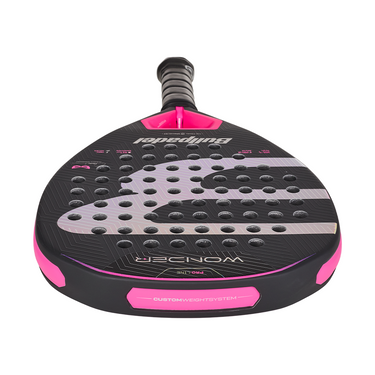
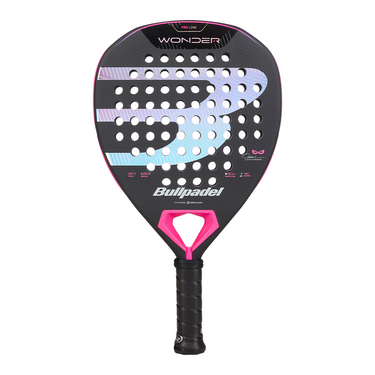
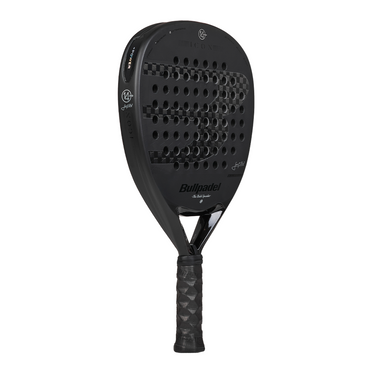
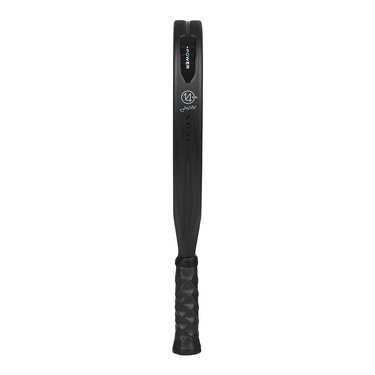
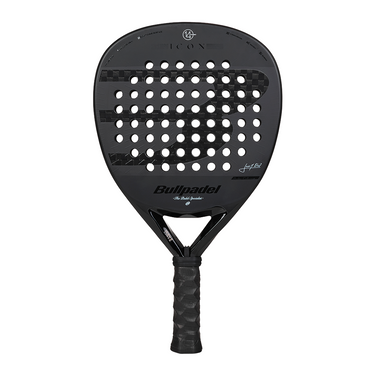
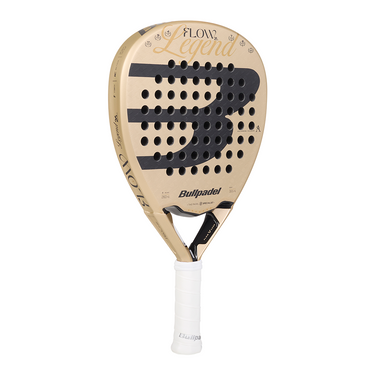
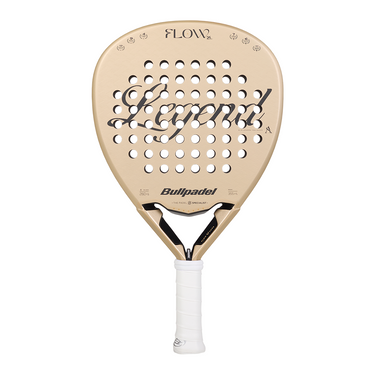
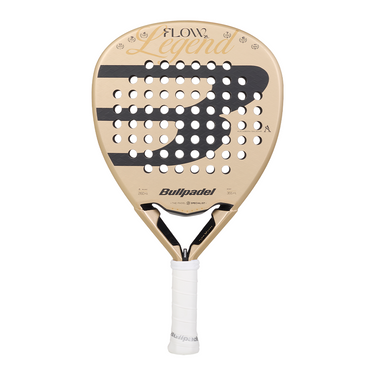
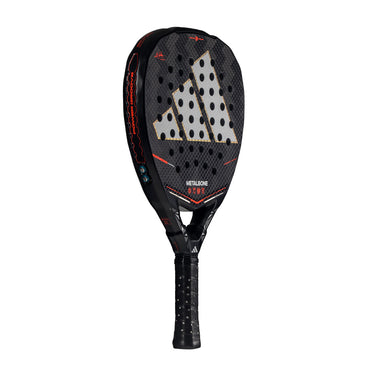
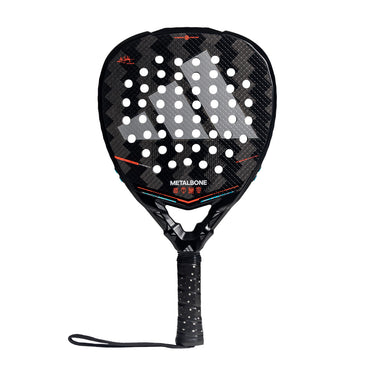
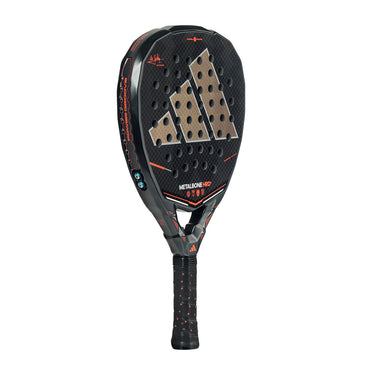
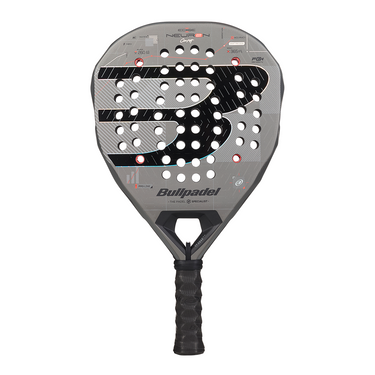
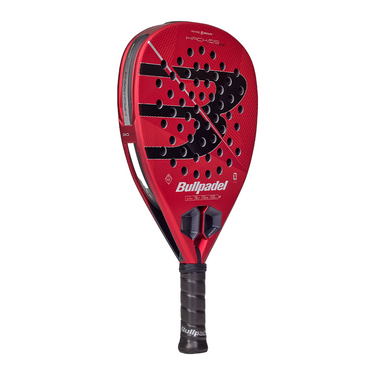
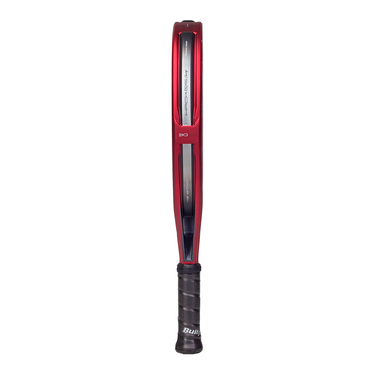
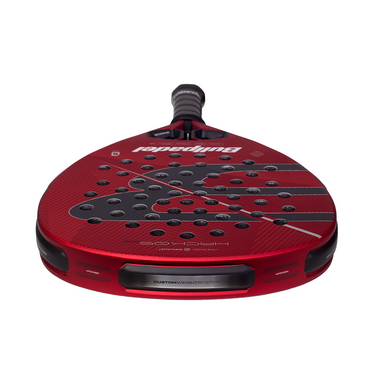
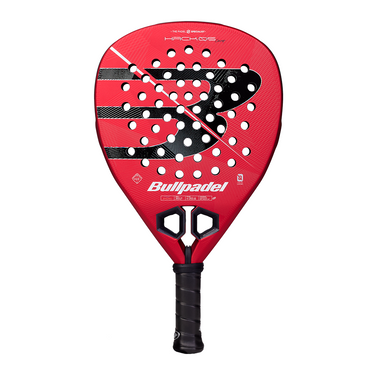
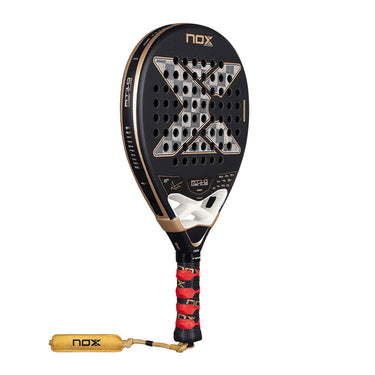
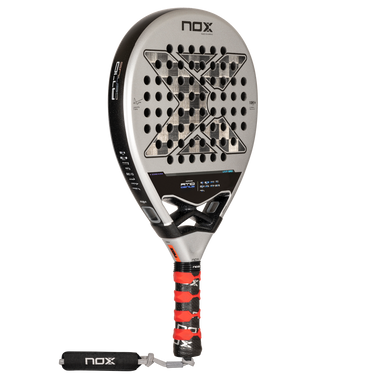
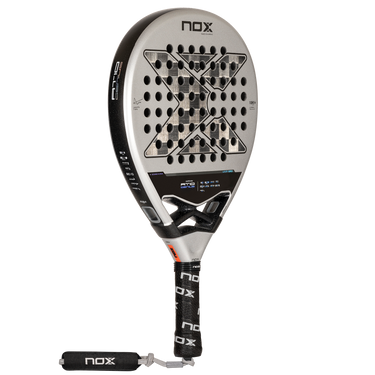
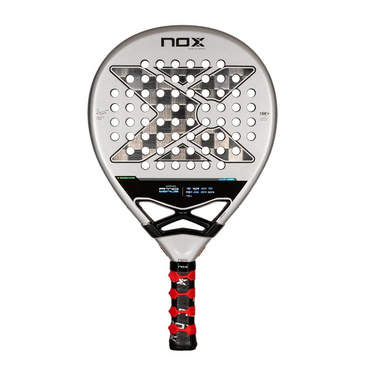
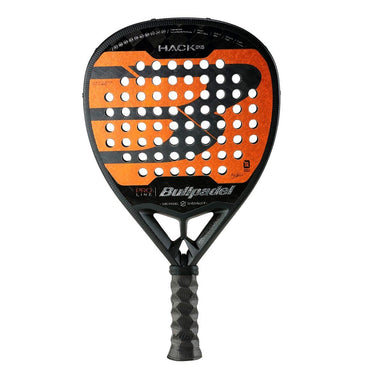
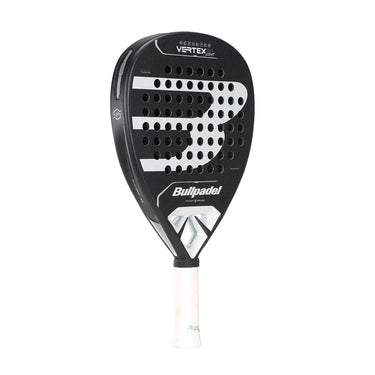
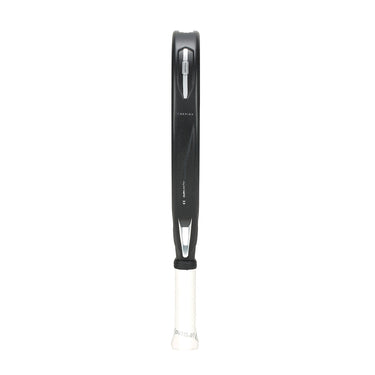
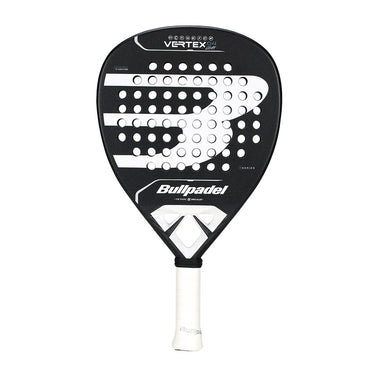
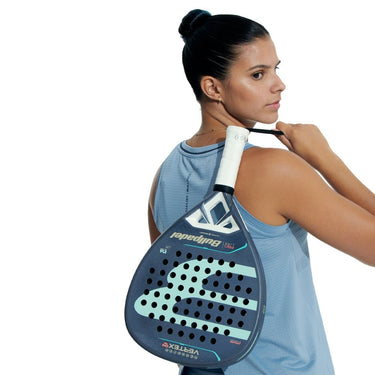
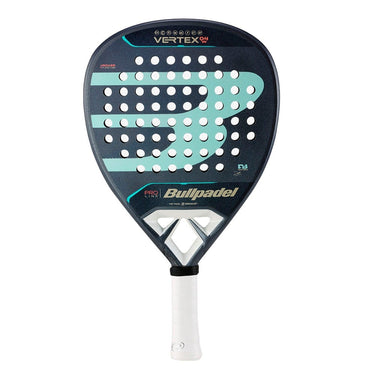
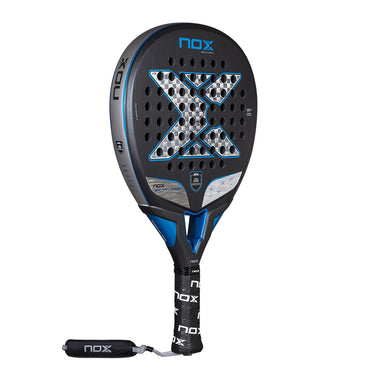
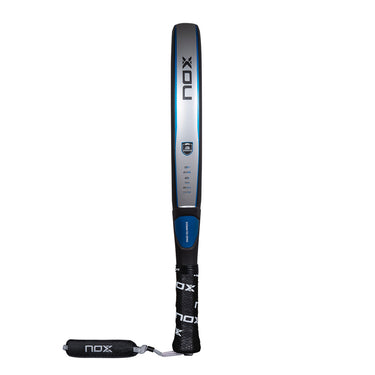
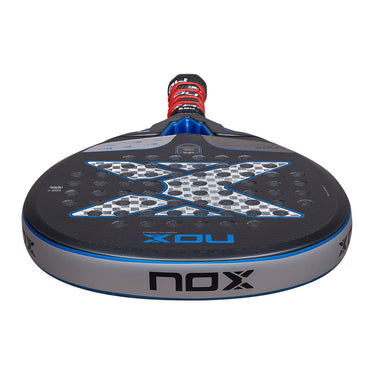
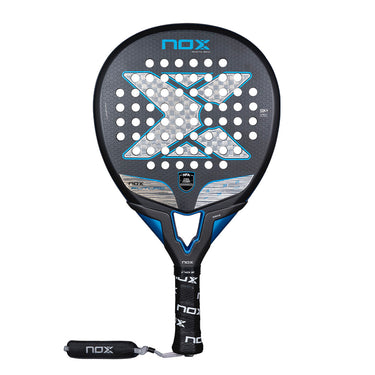
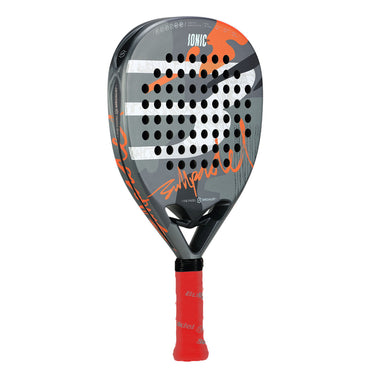
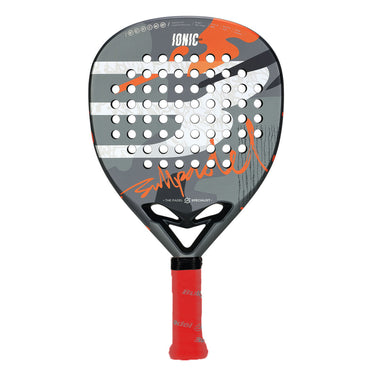
A padel racket is a solid frame, without strings, made up of two flat faces, a foam core between them and a perimeter frame that joins them. The surface is perforated and the handle finishes with a wrist strap, which is mandatory to play. International rules limit the measurements: the racket cannot exceed 45.5 centimetres in length, 26 centimetres in width and 38 millimetres in thickness, and the surface holes must be within a defined diameter range.
Within those limits there is a huge variety, which explains the differences you notice when playing: where the sweet spot is, how much ball comes off the face, how forgiving an off-centre hit is and how much the arm suffers over a long match.
How to choose a padel racket
Shape defines where the sweet spot is
This is the factor that changes the feel of the strike the most, and the first to fix. The shape dictates in which area of the face the ball comes off cleanly and how forgiving the racket is on an off-centre hit.
- Round: a large, centred sweet spot on the face. It is the most tolerant shape and the one that least punishes off-centre hits, so it is usually the reference for beginners or for players who base their game on defence and placement. In return, it helps less with volleys and smashes.
- Teardrop: the sweet spot is slightly higher than on a round racket. It is the middle ground: it keeps plenty of control but allows more ball salida (ball exit) on attacking shots. It suits players who alternate defence and finishing and don’t want to give up either.
- Diamond: high and smaller sweet spot. Mass is concentrated towards the head, which helps with smashes, but it requires clean, consistent contact to take advantage. It is the most demanding shape technically and the least forgiving on a bad day.
- Hybrid: intermediate profiles that aim to combine the tolerance of one shape with the ball exit of another. They appear in the filter as their own category because they do not fit entirely into the three previous shapes.
A practical rule: the higher the sweet spot, the more potential power and the less margin for error. If you are unsure between two shapes, the more tolerant one almost always performs better on court than the more powerful one looks on paper.
Weight: typical range and what it implies
Most adult padel rackets fall within a narrow range, around 350–380 grams, so differences between models are measured in a few grams. They are noticeable nonetheless. A lighter weight facilitates arm speed, lets you reach the volley earlier and strains the elbow and shoulder less over a long match. A heavier weight adds inertia: the racket absorbs the impact of a fast ball better and stays stable on blocks, but it tires you more.
Bear in mind that the weight shown on the spec sheet is for the naked racket. An overgrip, a protector and adhesive weights can add ten to twenty grams to the total, so the spec number is a starting point, not a closed value.
Balance: the most underestimated figure
Balance indicates how that mass is distributed, and it changes the feel far more than a difference in grams.
- Low or neutral balance: mass concentrated towards the handle. The racket feels lighter than it weighs, it gets into the volley sooner and is easier to recover at the net. This is the usual orientation for control rackets.
- Mid balance: balanced distribution. It aims not to penalise either reaction or power, and it is the most common orientation in all-round rackets.
- High balance: mass shifts towards the head. It provides more inertia and helps with smashes, at the cost of a slightly slower response on fast shots near the net and more strain on the arm.
If you want to experience a different balance before changing rackets, adhesive weights on the head or the handle give a very faithful approximation for very little money.
Face material
The material filter separates carbon faces, fibre faces —usually fibreglass— and combinations of both.
- Carbon fibre: stiffer, delivers a direct and precise response, copes better with intensive use and returns more energy when the contact is clean. It also transmits more vibration to the arm.
- Fibreglass: more flexible, softer feel, more comfortable ball exit at moderate swing speeds and more tolerance on off-centre hits.
- Combinations: many rackets mix both, or use carbon only in specific areas of the face, to find a middle point.
On carbon rackets you will often find a figure followed by K —3K, 12K, 18K, 24K—. That number refers to the filaments per tow in the fibre bundle, but it does not by itself determine stiffness, feel or quality of a racket. The weave type, the layers, the resin, the core and the rest of the construction also play a role.
The core: the foam inside
Between the two faces there is a foam that determines much of the ball exit and comfort. In padel two main families are used: EVA and FOAM-type foams, and within each there are different densities.
- Denser foam: faster response and more power on a strong swing, but it requires arm speed to activate.
- Softer foam: returns the ball with less demand, gives more comfort and absorbs vibration better; in exchange it offers less power on smashes.
This is why two rackets with the same shape and the same weight can feel completely different. If you come from a racket you liked, comparing the core and the hardness is the thing that most closely reproduces those sensations.
Hardness and the arm
The hardness filter —high, medium or soft— summarises how the racket responds as a whole. It is worth taking seriously if you play many hours: a hard racket returns more energy, but also transmits more impact to the elbow and shoulder. Epicondylitis is common among players who suddenly increase play frequency or switch to a much stiffer racket.
If you have had discomfort, the combination that usually works best is a soft or medium hardness, a contained balance and a grip that doesn’t force you to squeeze. This is not medical advice: if the pain is recurrent, you should consult a professional.
The surface and the frame
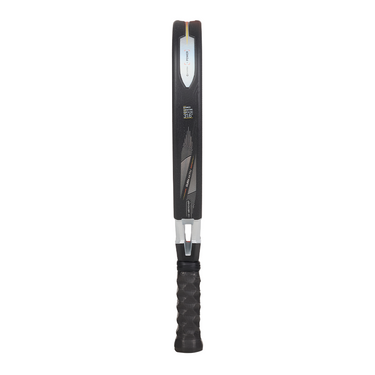
Faces can be smooth or rough. A rough surface helps impart spin to the ball, which is especially noticeable on wall exits and sliced smashes; in return it wears with use and loses some of that bite. The perimeter frame, meanwhile, absorbs knocks against the floor and glass, and an adhesive protector greatly extends the racket’s useful life.
Grip size
A handle that is too thin forces you to squeeze too much, and that tension travels up the forearm. One that is too thick limits wrist mobility on smashes. The good news is this is an inexpensive fix: an overgrip adds thickness and several overgrips more, so if in doubt it is better to stick with the thinner handle and build it up from there.
Playing level
The level filter distinguishes between beginner, intermediate and advanced. It is worth respecting: a racket designed for competition in the hands of someone still building their stroke usually performs worse than a more tolerant model, because it requires arm speed and precision to respond as intended.
Choose according to your player profile
If you are starting out
Round shape, low balance, medium or soft hardness and a face with some fibreglass content. That combination forgives off-centre hits while you build technique and prevents the arm from suffering through the learning curve. Filtering by beginner level and round shape reduces the catalogue to a manageable handful of options.
If you play at intermediate level
This is where teardrop shapes and mid balances make most sense: they give ball exit without taking away control, and suit a game that already alternates defence and attack. It is also the time when it pays to try before you buy, because differences between models are noticeable.
If you compete
The criterion ceases to be generic and becomes your specific stroke: what you lack, what you have too much of and what you want to correct. A high balance and a high hardness only pay off if your arm speed exploits them; if not, you will be paying for power you cannot activate.
Depending on your side of the court
Players on the backhand side usually need a racket that forgives in defence and allows comfortable wall exits, and here contained balances and round or teardrop shapes work better. Players on the forehand finish more and tend to seek a bit more inertia in the head. It is not a strict rule, but it guides more than focusing on the brand.
Women and juniors
The audience filter separates references for women, juniors and unisex. In juniors, the governing criterion is weight: a racket that is too heavy forces compensations with the shoulder and spoils the stroke. For women, the usual orientation is towards slightly lower weights and less extreme balances, but it is better to check the spec sheet than the label.
Which racket range you need
The catalogue price filter narrows by bands, and behind those bands there are real differences in construction. It is useful to know what you are buying in each before deciding how much to spend.
Entry range
Faces with fibreglass and soft cores predominate, and shapes are usually round or teardrop. It is exactly what someone starting out needs: tolerance, comfort and a light weight that does not burden the arm. Looking for cheap padel rackets is not a bad decision at this stage; it is the right decision.
Intermediate range
Combinations of carbon and fibreglass appear, medium hardnesses and a much greater variety of balances. This is the bracket with the most options and where the choice begins to depend on your playing style more than your level.
High range
Higher proportion of carbon, denser weaves, more specific cores and finishes that withstand intensive use better. The real gain is in consistency shot after shot and in durability, not in the racket playing for you.
The common mistake is to skip ranges. Buying a high-range racket with a stroke that is still forming often gives worse on-court results than a well-chosen intermediate model, and it also strains the elbow more.
Quick glossary
Sweet spot: the area of the face where the ball comes off cleanly with the maximum energy transfer.
Ball exit: the speed at which the ball leaves the racket for the same hitting effort.
Handling: how quickly you can position the racket; it depends more on balance than on total weight.
Feel: the information you receive in the hand about where and how the ball made contact.
Bridge: the junction between the handle and the frame; it is one of the areas where cracks appear first.
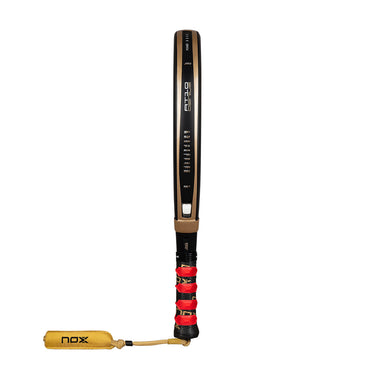
Profile: the thickness of the frame, limited by regulation to 38 millimetres.
Brands, series and players
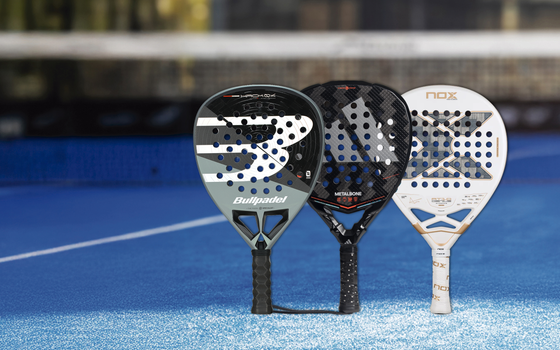
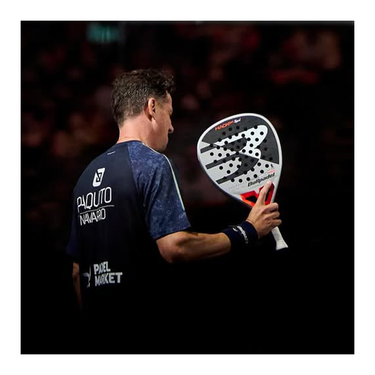
The brand filter in the catalogue brings together manufacturers such as Adidas, Babolat, Black Crown, Bullpadel, Drop Shot, Head, Just Ten, Kombat, Lok, Nox, Paddle Coach, Royal Padel, Siux, StarVie and Wilson. The players filter lets you browse collections linked to professionals on the tour such as Agustín Tapia, Ale Galán, Paquito Navarro, Juan Lebrón or Fede Chingotto. And if you prefer to start from budget, the price filter narrows the catalogue by bands before getting into the technical characteristics.
If you already know which brand you want, you can go directly to Bullpadel padel rackets, Nox padel rackets, Adidas 2025 padel rackets, Wilson padel rackets or Dunlop padel rackets. If you are interested in a specific series, there are dedicated pages such as the AT10 collection.
You can also browse the catalogue from professionals’ equipment at professional players’ padel rackets, see what is moving most in the best-selling padel rackets or check the season at padel rackets from the new collection.
How long a racket lasts and how to extend its life
Longevity depends much more on playing frequency and hitting style than on the model. A racket used several times a week loses feel sooner than one used occasionally. Typical signs are loss of ball exit, a duller sound and cracks in the frame or bridge.
Three things significantly extend its useful life. An adhesive protector on the edge absorbs knocks against the floor and glass. A racket bag with a thermal compartment cushions sharp temperature changes, which is what degrades the foam core over time; leaving it in the boot in the sun in summer is the worst thing you can do. And don’t hit with the racket just taken out of the cold, because the foam responds worse and the frame is more fragile.
Common mistakes when buying a racket
- Buying a pro’s racket without checking the spec sheet. The name indicates a style, not whether that racket will perform for you.
- Choosing for power when what is missing is control. Many people think they need more punch when what they lack is clean wall exits.
- Jumping to a much stiffer racket straight away. Going from a soft racket to a very hard one without transition is one of the most common causes of elbow problems.
- Focusing only on weight. Balance changes the feel more than grams.
- Discarding the previous season. If the spec sheet fits and the model is available, a previous season does not mean a worse racket.
Buying padel rackets without mistakes
This category is designed so the decision is made with data and not by intuition. The filters allow you to cross shape, balance, hardness, material, level, brand, audience and season, so that in three or four clicks the catalogue goes from over a thousand references to a list you can truly compare.
From there, each racket’s spec sheet collects the characteristics that decide the purchase, and the collection of test rackets allows you to clear doubts on court when comparison on paper is inconclusive. It is the route that generates the fewest returns: narrow down, compare and, if necessary, try.
Summary: five steps before buying padel rackets
If you have read this far and want the shortcut, this is the order that makes the fewest mistakes.
- Define your playing style. Defence and placement, attack and finishing, or a mix. That decides the shape.
- Choose balance before weight. Low if you need to cover everything, high if your game lives off the smash.
- Adjust hardness to your hours on court. The more hours you play, the stronger the reasons not to go to the rigid extreme.
- Check the level on the spec sheet. It is the filter that most quickly rules out what will be too much for you.
- Try if you can. Two rackets with the same spec can feel different depending on your stroke.
Frequently asked questions about padel rackets
Which are the best padel rackets?
There is no universal answer, and be wary of anyone who gives you one without asking how you play. The best padel rackets for a baseline player who defends a lot are poor rackets for someone who lives off the smash. What does exist is a racket suitable for your playing style, level and hours on court, and it is found by combining shape, balance and hardness in the filter.
Is a padel racket the same as a racket?
Yes. Several names coexist for the same product. They refer to the same product: a solid frame without strings, with a foam core and a perforated surface.
Which racket should I choose if I am starting out?
As a general guideline, a round shape, low balance and medium or soft hardness make progression much easier, because they forgive off-centre hits while you build technique. Filtering by beginner level and round shape will reduce the catalogue to a manageable handful of options.
How much does a padel racket weigh?
Most adult rackets are around 350–380 grams, and the exact figure for each model appears on its spec sheet. Accessories you add —overgrip, protector, weights— increase the total.
What does 12K, 18K or 24K mean on a carbon racket?
It is the density of the carbon fibre fabric, measured in thousands of filaments per tow. Higher K means a denser weave and a stiffer surface: more energy returned with a fast swing and more demand if the swing is not fast.
What is the difference between a control racket and a power racket?
They are not closed categories, but the result of combining shape, balance and hardness. A racket aimed at control is usually round, with low balance and contained hardness; a power racket tends to be diamond-shaped, high balance and built stiffer. Most of the catalogue sits between these extremes.
Can I try a racket before I decide?
That is what the test padel rackets collection is for, which lets you assess on court how a model responds before committing to a purchase. It is the most reliable way to compare sensations, because two rackets with the same technical sheet can feel different depending on your stroke.
What is noticeable on a high-range racket versus an entry-level one?
Above all in construction: proportion of carbon in the face, quality of the core and finish of the frame. That translates into a more consistent response shot after shot and a racket that maintains its performance for longer. What does not change is that a more demanding racket only delivers if your stroke is up to it.
How long does a padel racket last?
It depends on playing frequency and hitting style. Signs that it’s time to change are loss of ball exit, a duller sound and cracks in the frame or bridge.
Is it worth buying a racket from the previous season?
Yes, if the spec sheet fits your game and the variant you need is available. What you lose by buying a previous season is variety of options, not performance.
How much does a padel racket cost?
The range is wide and depends mainly on construction: face materials, core density and frame finish. The price filter lets you narrow by bands and see which characteristics are included in each, which is more useful than starting from a fixed figure.
Are the cheapest rackets worth it?
For beginners, yes, and they are often the best choice: they tend to be tolerant, soft and light, which is exactly what is needed while technique is being built. They stop making sense when the swing is already quick and the racket lacks ball exit.
How do I know which grip size I need?
The practical reference is that you can close your hand around the handle without tension and without your fingers touching your palm. If you are between two sizes, choose the thinner one: you can always thicken it with overgrips, but not the other way around.
Top Ventas
Padel Market’s best-selling products.