



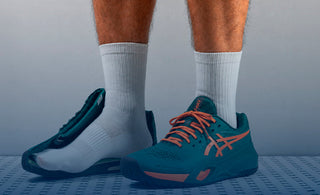
Picking the right padel shoes to suit your foot shape makes the difference between playing pain-free for a full session or coming off court with blisters, rubbing, or a foot sliding around inside the shoe. Not every padel shoe is built on the same last: some brands cut wider through the toe box, others run narrow, and some are shaped for higher arches or flatter feet. Wearing the wrong fit affects your grip, your stability, and ultimately your game.
In this guide we break down how to work out your foot shape, what to look for in comfortable padel shoes, and which models we'd recommend for wide feet, narrow feet, high arches and flat feet. As an official padel stockist, Padel Market carries every brand and model mentioned below.
What foot shapes matter most for padel?
Before comparing brands, it helps to know which category you fall into. In padel, four things tend to cause fit problems: width across the forefoot, arch height, instep volume, and how much your foot moves inside the shoe during lateral movement. Getting the fit right improves performance, and proper footwear is essential for preventing injuries in padel.
-
Wide feet: if most padel shoes pinch across the toes or the ball of your foot no matter the size, you've likely got wide feet. Look specifically for padel shoes for wide feet built on a roomier last.
-
Narrow feet: if your heel slips when you brake, or the shoe still feels loose after tightening the laces fully, you probably need padel shoes for narrow feet with a snugger, more contoured fit.
-
High arches: if you get pressure or discomfort across the top of the foot near the laces, or your arch feels unsupported mid-court, you'll want padel shoes for high arches with extra arch support and a bit more volume at the instep.
-
Flat feet: if your foot rolls inward (overpronates) when you push off, or you feel strain along the inner edge of the foot after a match, padel shoes for flat feet with structured support and a firmer midsole will serve you better.
Padel courts often use sandy high-grip surfaces, which is why the right footwear matters.
How to choose the right padel shoe
Here's a practical way to work out which fit is right for you by choosing in the right order when assessing footwear:
-
Try shoes on with the socks you actually play in. Sock thickness changes how a shoe feels almost as much as the last does.
-
Test lateral movement, not just standing fit. Padel is built around sharp side steps and sudden stops, so a shoe that feels fine standing still can still feel wrong mid-rally. Padel shoes offer better support than tennis shoes for this kind of movement because they differ in grip pattern, stability features, and pivot design.
-
Leave a thumb's width of space at the toe, with no side-to-side movement in the forefoot. Wearing unsuitable shoes can contribute to lower limb injuries in padel.
-
Pay close attention to the forefoot and midfoot, as that's where fit issues show up first, whether you've got wide feet, narrow feet, or high arches.
-
Factor in the brand, since lasts vary significantly between manufacturers. Some brands run notably narrow and low-volume, others are built wider with more room at the instep, which matters if you've got flat feet or need extra support.
Regular padel can also wear out running shoes faster because their grip is less suited to the court.
If your toes are constantly rubbing regardless of brand, that's a clear sign you need a wider fit. If your foot still shifts around after lacing up tightly, the shoe simply isn't narrow enough for your foot shape.
Types of padel shoe fit
Most brands classify their padel shoes into a handful of fit profiles:
-
Wide fit: extra room across the toe box and forefoot. Best suited to wide feet or higher-volume feet.
-
Standard fit: the most common option, built for an average-width foot.
-
Narrow/snug fit: wraps the foot closely with minimal extra volume. Recommended for narrow feet, as it improves control and stops the foot shifting during quick direction changes.
-
Supportive fit: reinforced arch and midfoot structure with stronger lateral support and a flexible forefoot, aimed at players with flat feet or those who need extra stability during fast movements and speed.
Always check the product spec for each specific model, as fit can shift slightly from one season to the next even within the same brand, and durability should still preserve flexibility through the forefoot and midfoot for multi-directional actions.
Best padel shoes for wide feet, narrow feet, high arches & flat feet
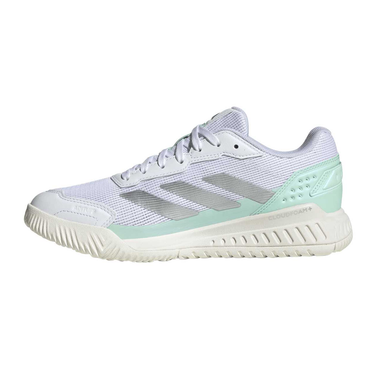
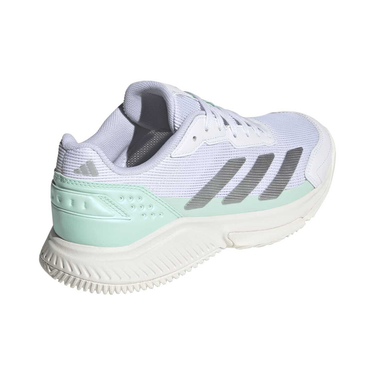
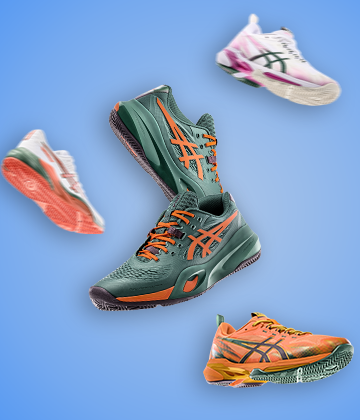
Below is our pick of the best padel shoes for wide feet, alongside strong options for narrow feet, high arches and flat feet, split by men's and women's fit.
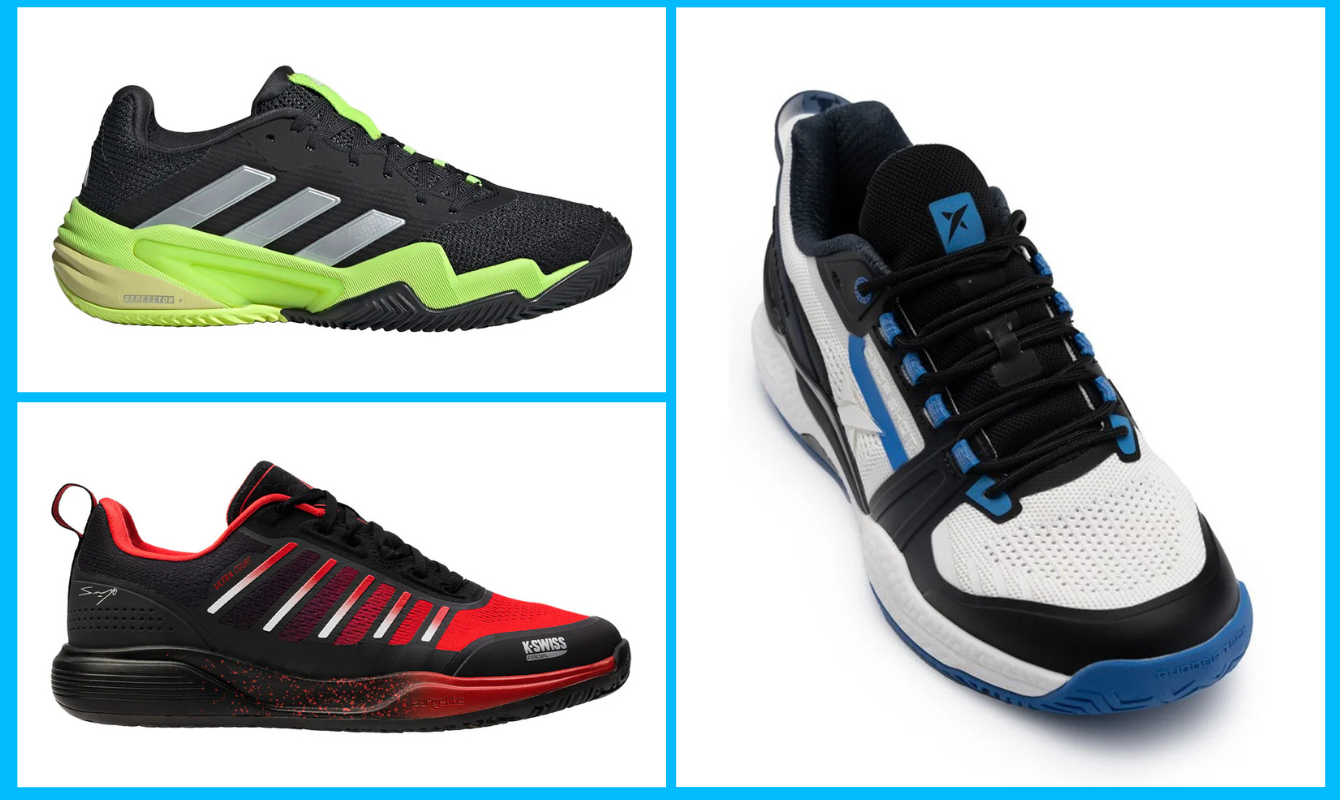
Men's padel shoes for wide feet
|
Model |
Why we recommend it |
|---|---|
|
Roomy toe box, ideal if other brands pinch across the front of the foot |
|
|
Good volume through the forefoot, comfortable for wider feet |
|
|
More generous fit than most in the Adidas range, with solid lateral support |
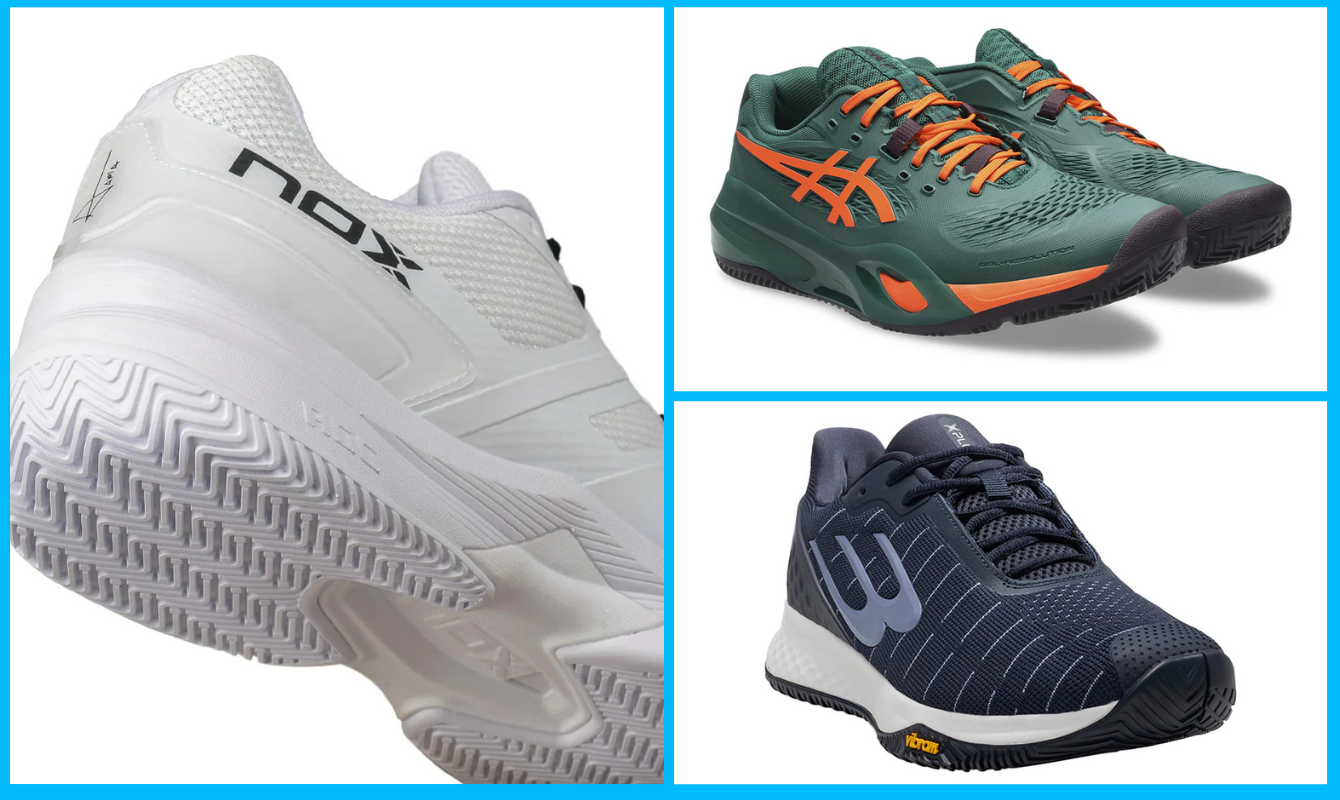
Men's padel shoes for narrow feet
|
Model |
Why we recommend it |
|---|---|
|
Close, contoured fit, great if your foot moves around in other brands |
|
|
Snug fit built for control and a quick response on direction changes |
|
|
Narrow last with strong heel lock, well suited to narrow feet |
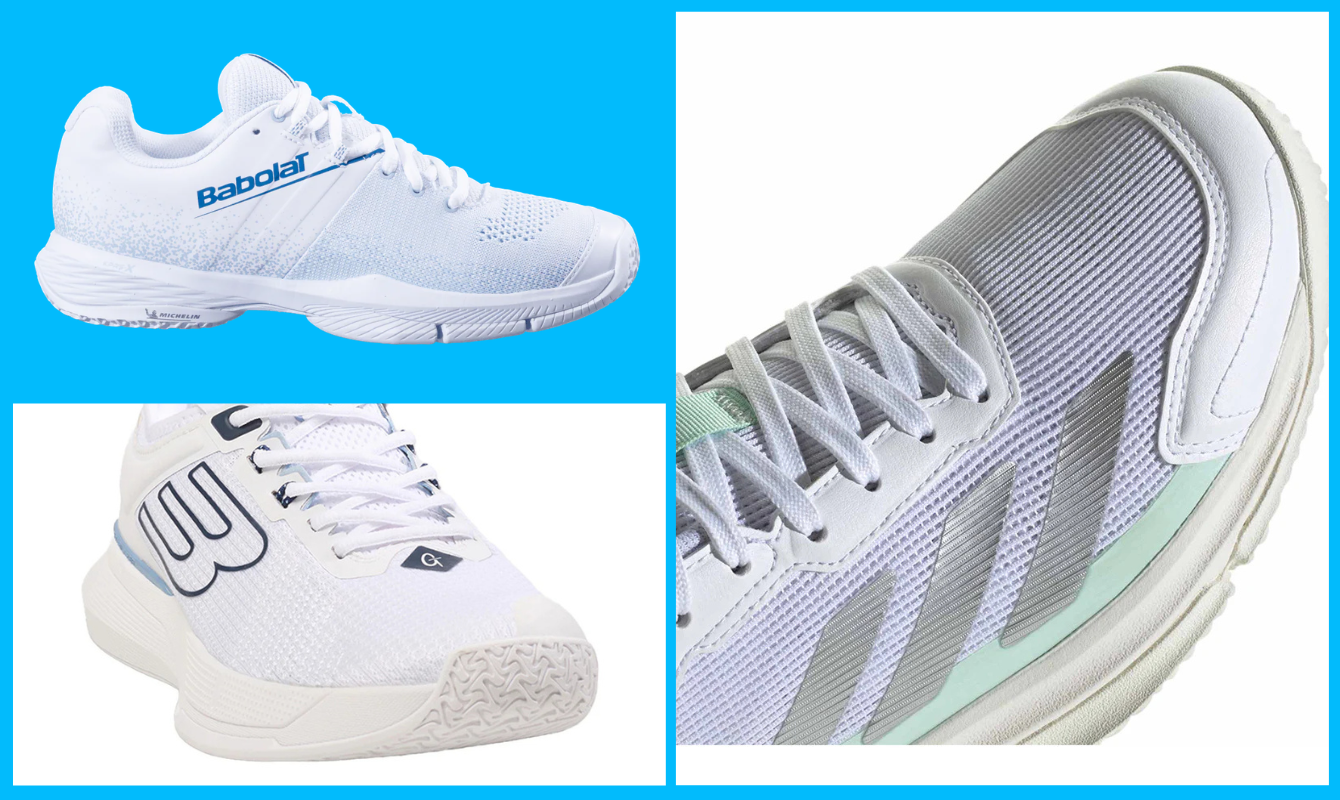
Women's padel shoes for wide feet
|
Model |
Why we recommend it |
|---|---|
|
Extra volume through the front of the shoe, comfortable for wide feet |
|
|
Good toe box space with a flexible, forgiving instep |
|
|
Wide fit, particularly good if you feel pressure across the toes |
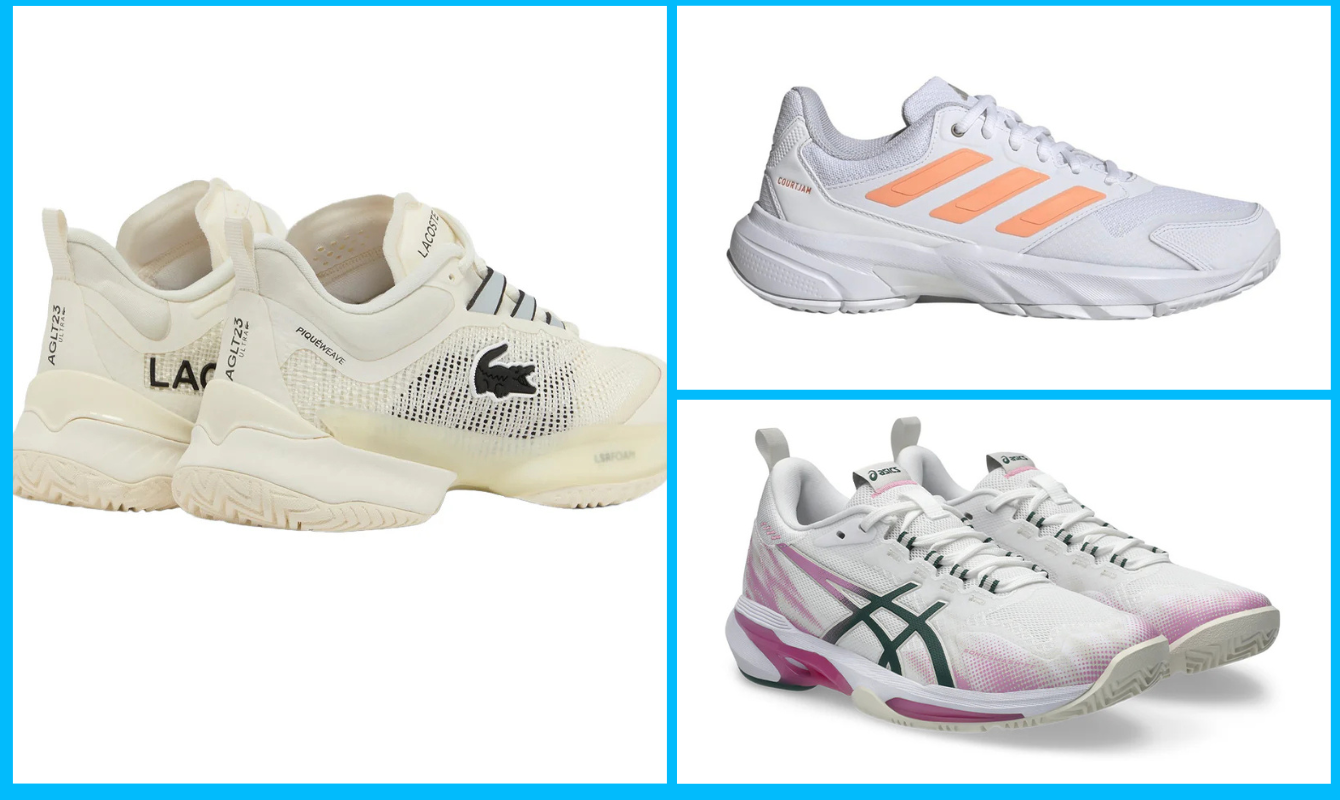
Women's padel shoes for narrow feet
|
Model |
Why we recommend it |
|---|---|
|
Snug, supportive fit, ideal if your foot slides in other brands |
|
|
Close, lightweight fit designed for narrow feet |
|
|
Narrow last with strong heel control |
Features and technologies worth checking
Beyond the last itself, a few features make a real difference depending on your foot shape:
-
Flexible instep materials: useful for high arches, as they flex around the foot without creating pressure points near the laces.
-
Asymmetric lacing or side-closure systems: help compensate for narrow feet, tightening the fit evenly without over-tightening any single area.
-
Reinforced, wider toe boxes: essential for wide feet, preventing constant rubbing across the toes.
-
Structured midsoles and arch support: key for flat feet, helping control overpronation during lateral movement.
-
Cushioned insoles: make a noticeable difference over longer sessions, and breathability also helps maintain comfort during long matches once the base fit is right.
-
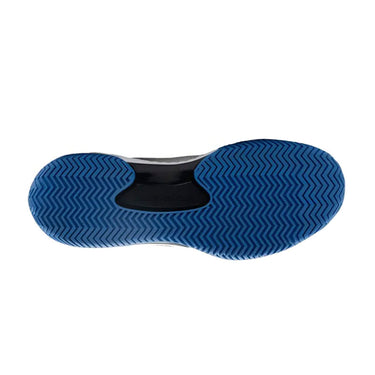
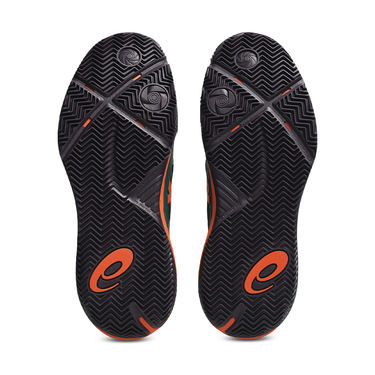
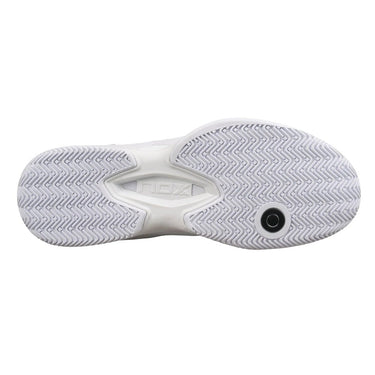
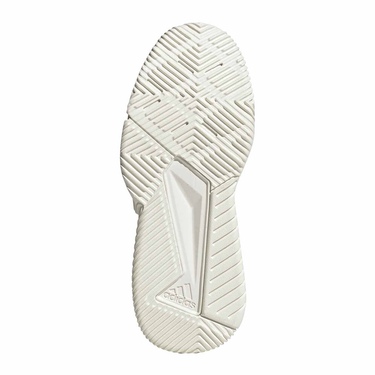
Stable, grippy outsoles: essential in padel given the constant sprints and sharp stops, with a herringbone grip pattern and a sole design optimized for artificial turf for controlled grip and excellent grip.
Some padel shoes also include a pivot point in the outsole for rapid turning.
Hybrid soles can provide controlled sliding and superior traction on artificial turf.
If you're after lightweight padel shoes without sacrificing support, look for models that combine a reinforced midfoot with a lighter mesh upper. If stability is your priority, prioritise a firmer outsole and a supportive midsole over a lightweight build.
Buying your padel shoes at Padel Market
As an official padel stockist, Padel Market carries every brand and model featured in this guide, all fully authenticated. If you're torn between two sizes or two fits, prioritise comfort across the forefoot first, as that's the area that suffers most over a long match.
If you've got wide feet, look for a reinforced toe box and a wide last. If you've got narrow feet, prioritise strong lateral support and a snug, contoured fit. If you've got high arches, go for extra instep flexibility and arch support. If you've got flat feet, choose a supportive, structured midsole. And if you're still unsure which fit suits you best, you can filter by brand, fit type and playing surface on our site to find the right match.
Frequently asked questions
How do I know if I have wide or narrow feet for padel?
If your toes rub or your foot feels squeezed across the width even when the length is correct, you've got wide feet. If your foot shifts side to side or your heel slips when braking, you've got narrow feet.
What are the best padel shoes for high arches?
Look for models with flexible instep materials and adjustable lacing, which flex around the arch rather than pressing straight down on it.
Do padel shoes for wide feet work for a standard foot width?
They can, but the extra room will feel looser than needed for an average-width foot, which isn't ideal for control during quick direction changes.
Do all padel shoe brands use the same fit?
No. Fit varies by brand, and even by product line within the same brand, so it's worth checking the spec sheet for each specific model before buying.
What happens if I wear the wrong fit for my foot shape?
You'll be more prone to blisters and rubbing, plus reduced stability during direction changes, and you can also bend the shoe gently with your hand to check whether the forefoot flex suits padel movement demands, which affects how the shoe performs overall during a match.
Can insoles or socks fix a poor fit?
To an extent. A supportive insole or a thicker sock can improve comfort, but they won't fully replace choosing the correct fit for your foot shape from the start. If the right size or model is not in stock, it's better to wait for the correct fit than rely on insoles or thicker socks to compensate.