



Filter and sort 25 products

-
-

-
-

-
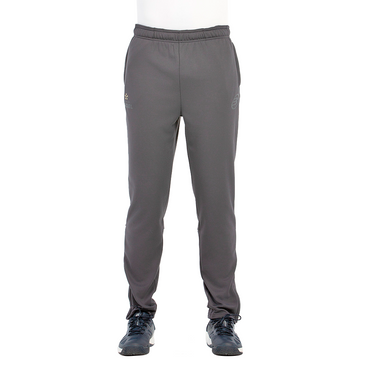
 bullpadel baino man (trousers)BlackGrey
 -
-
-
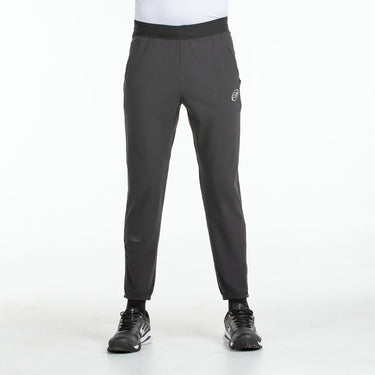
-
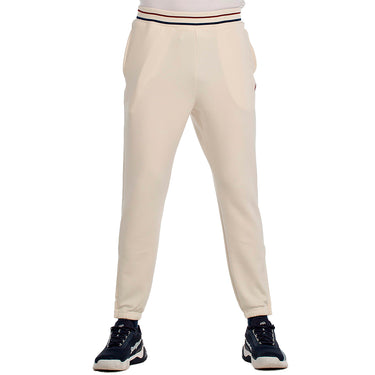 bullpadel ain men's padel trousers fw25RedWhite
 -
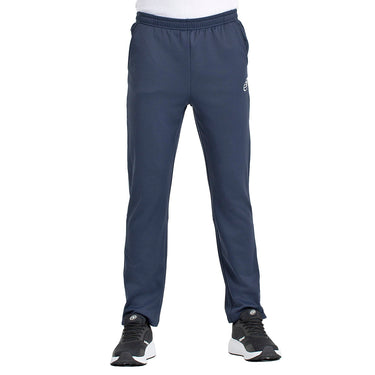 bullpadel alnair ss26 men's padel trousersBlueBlack
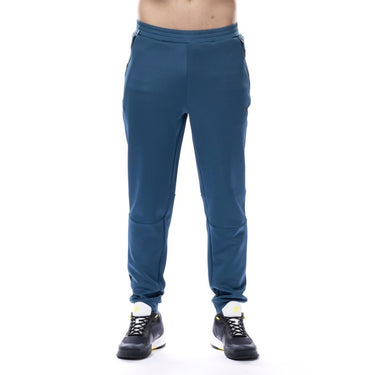
-

-
-
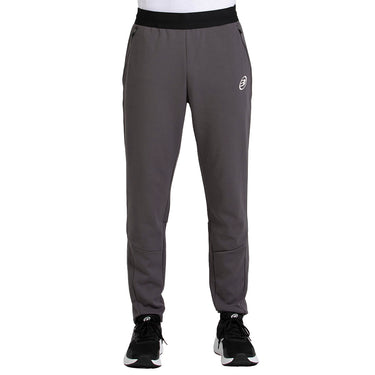
 bullpadel gudina men's padel trousers ss25BlackGrey
 -
-
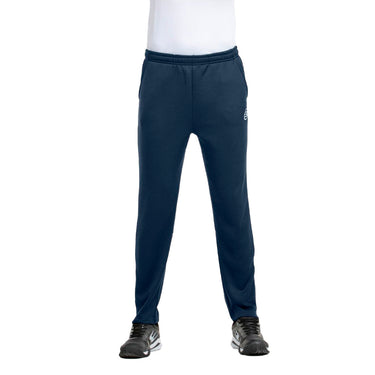
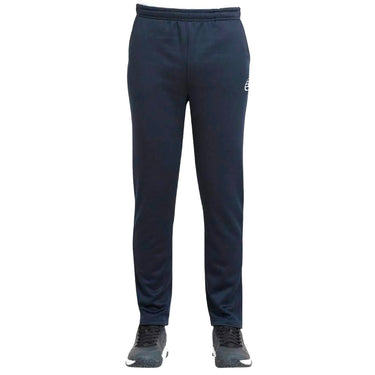 bullpadel grane men's padel trousers 2024BlackBlue
 -
-
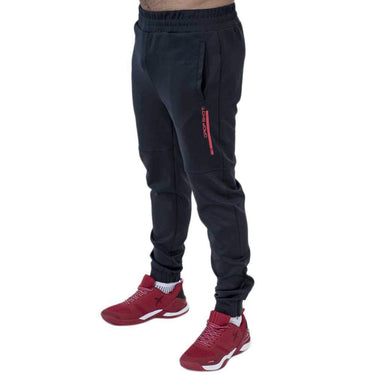
-
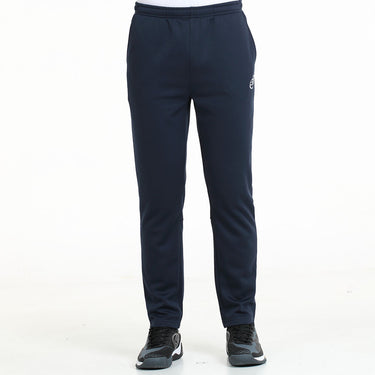 bullpadel beariz men's trousers fw24GreyBlue
 -
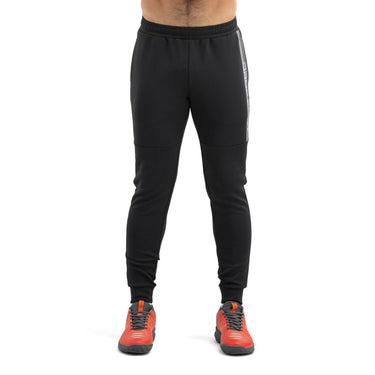
-
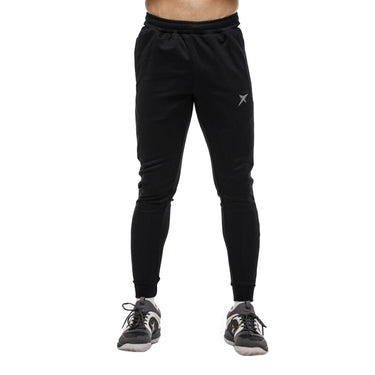
-
-
-
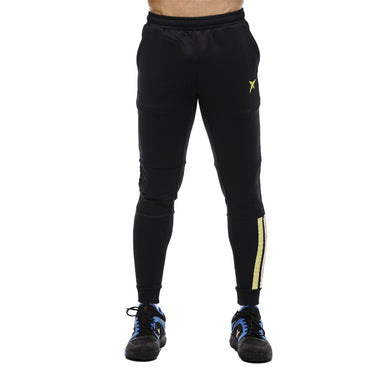
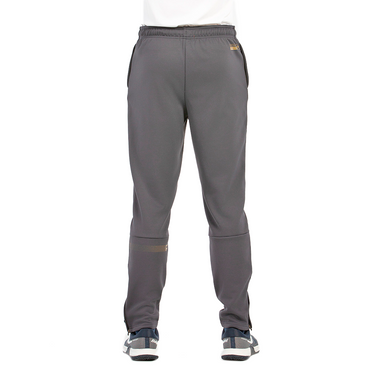
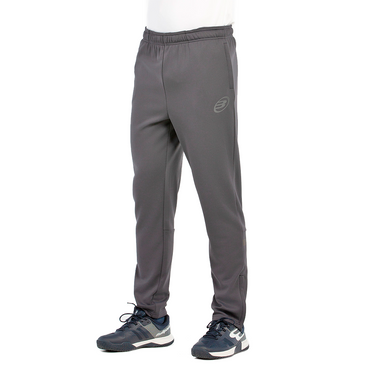

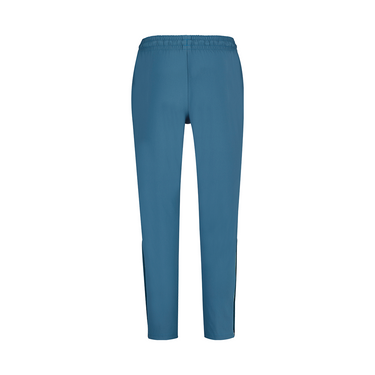
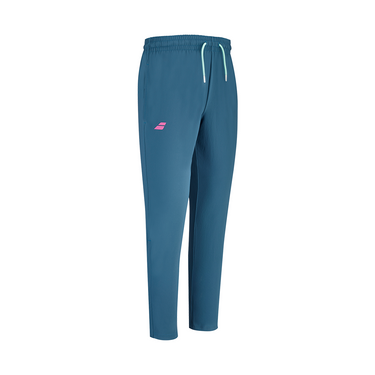

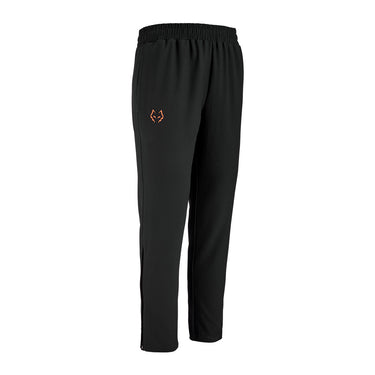

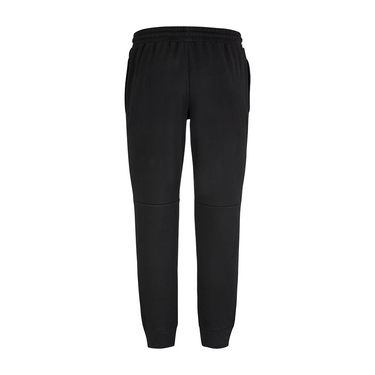
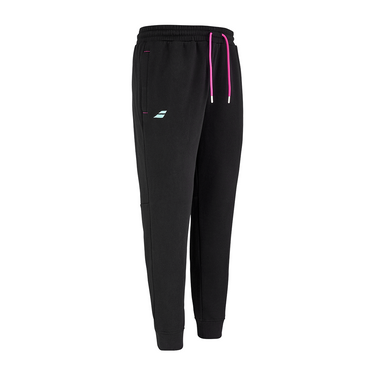

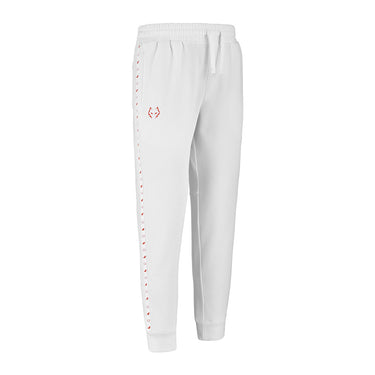

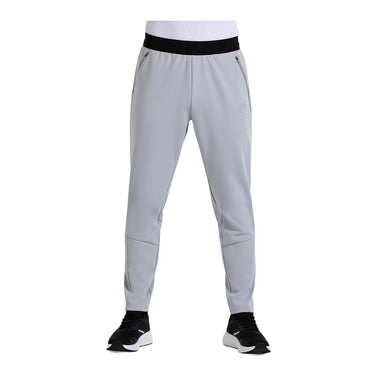

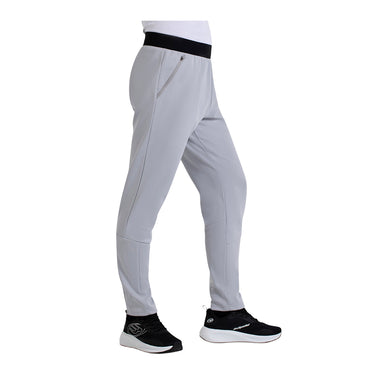

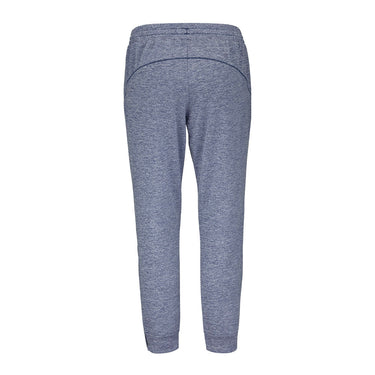
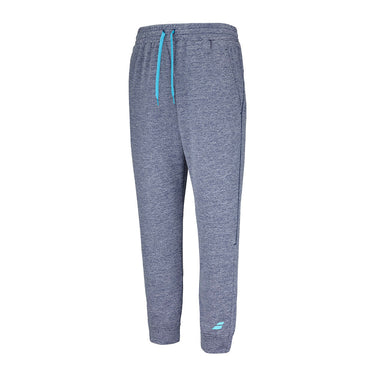
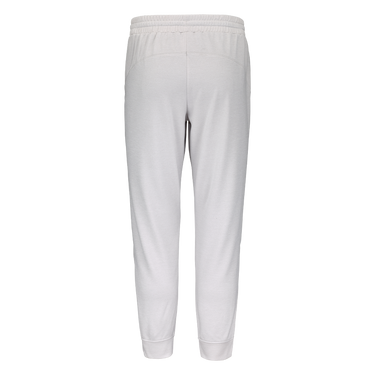
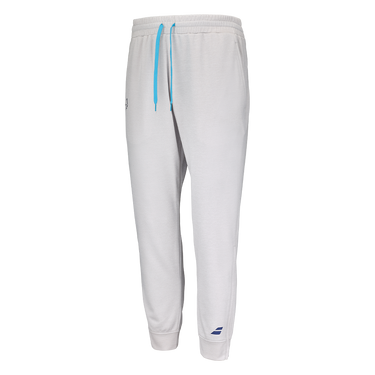

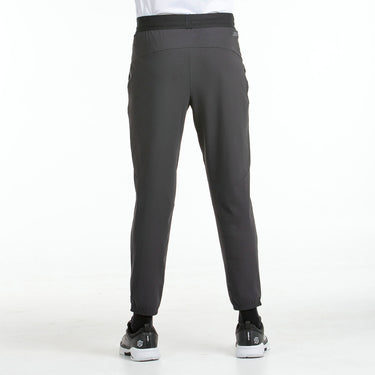
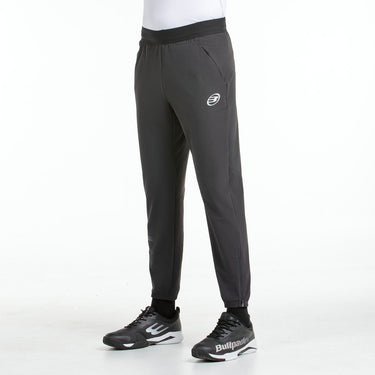
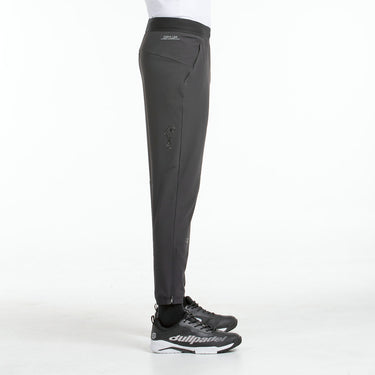
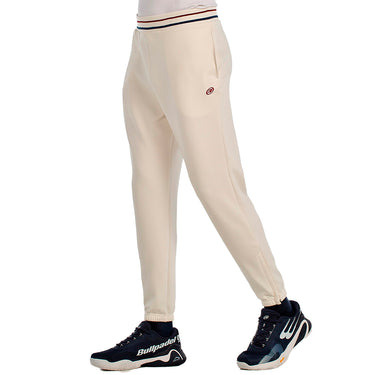
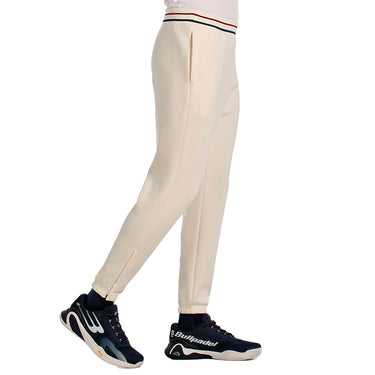
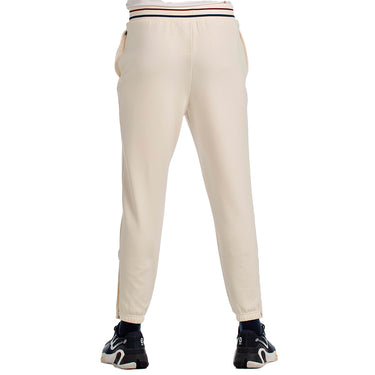
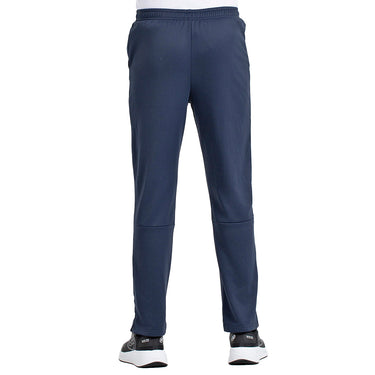
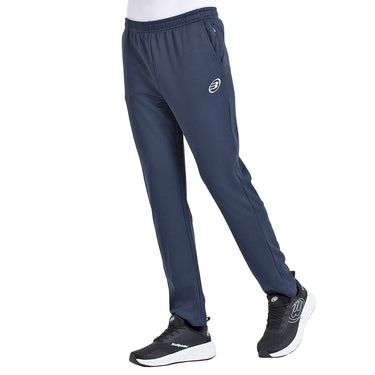
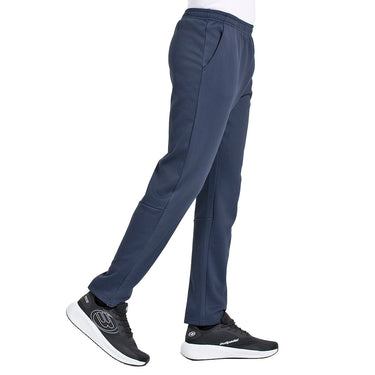

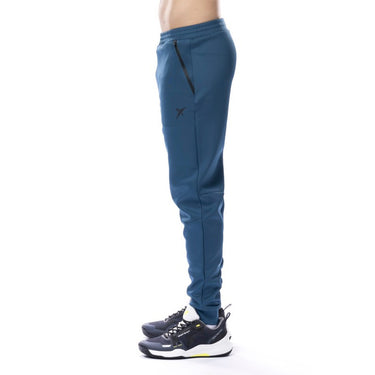
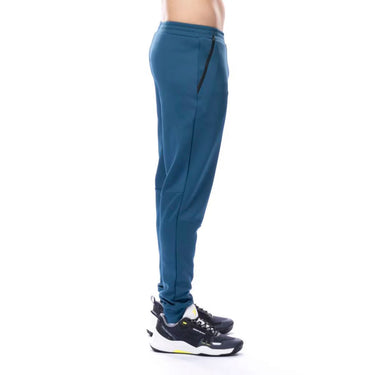


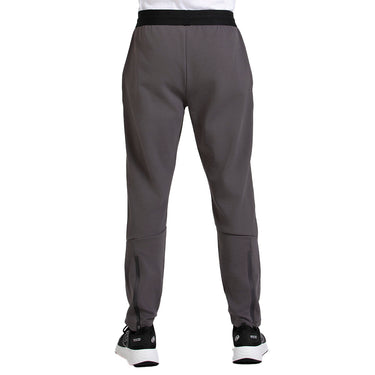
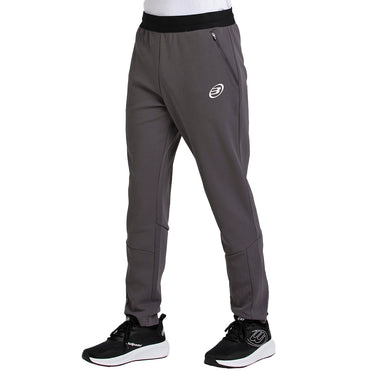


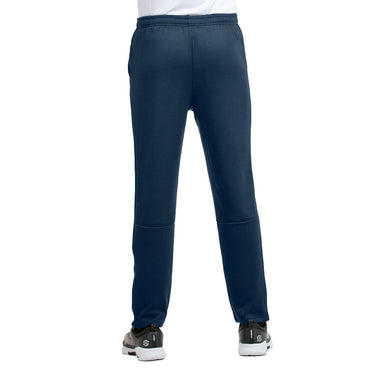
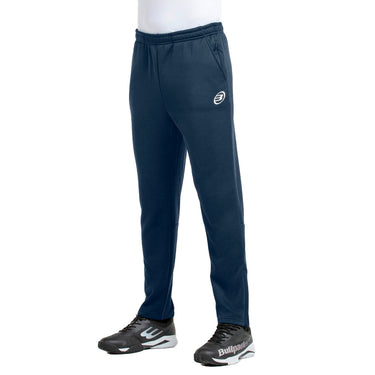
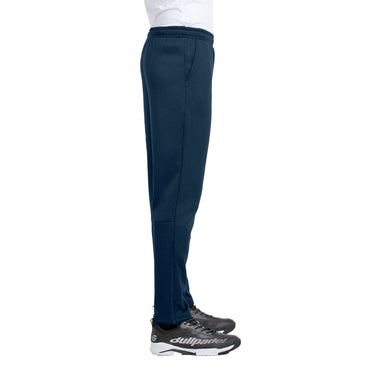
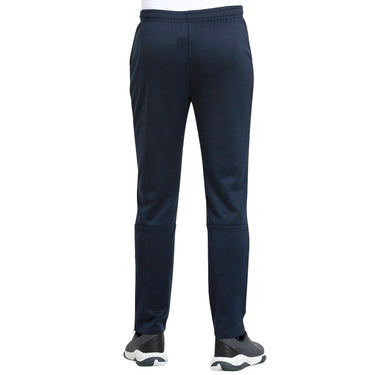
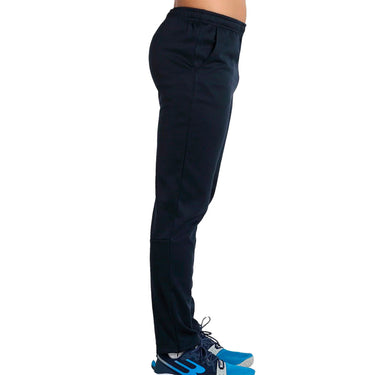
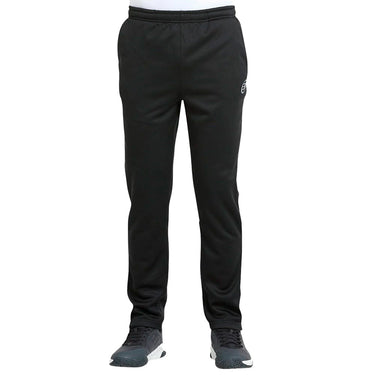

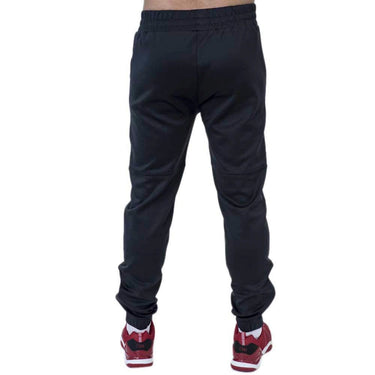
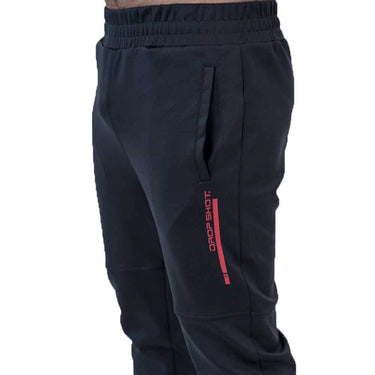

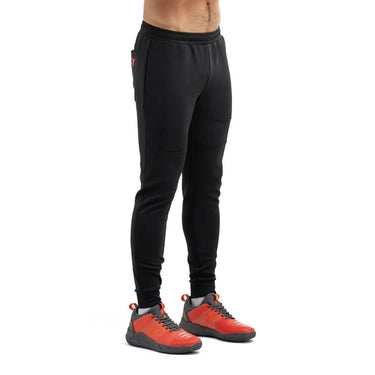

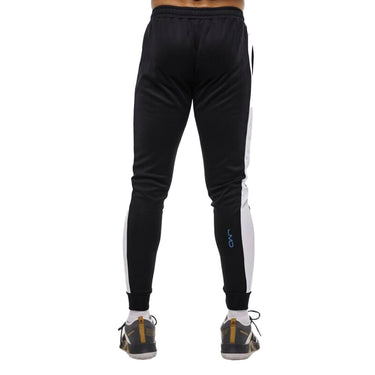

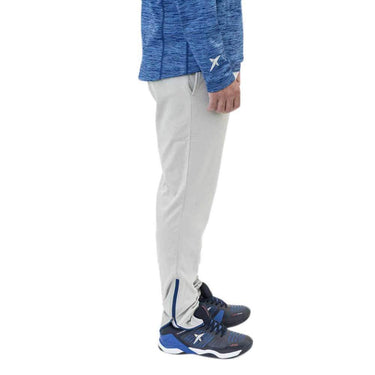
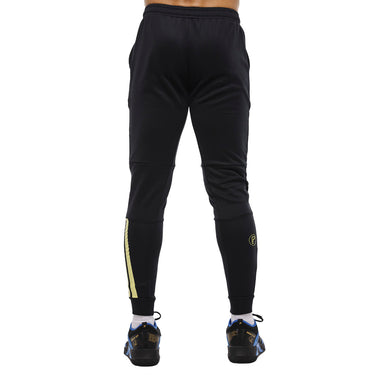
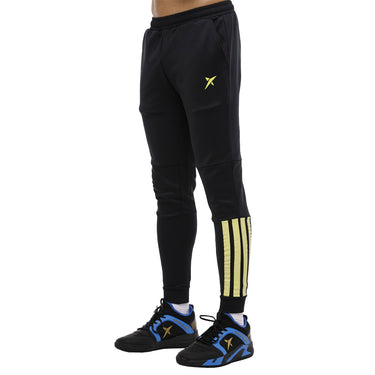
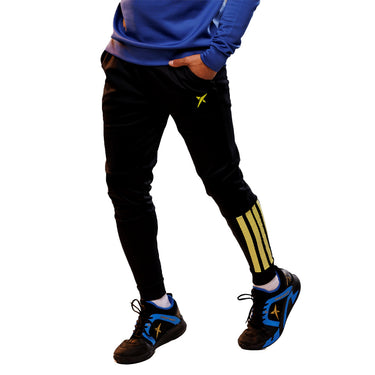
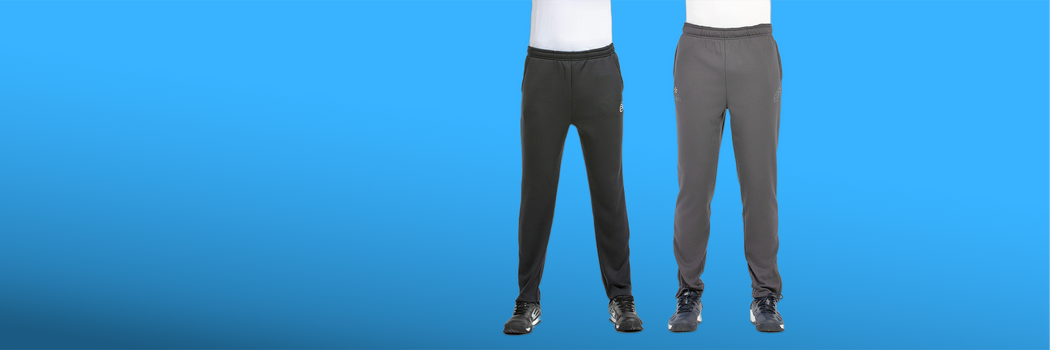
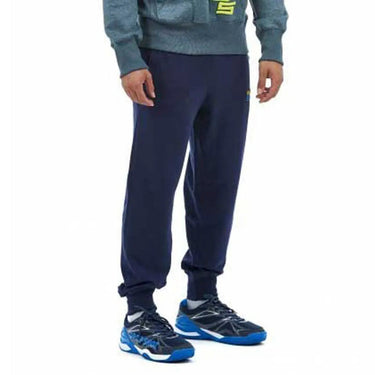
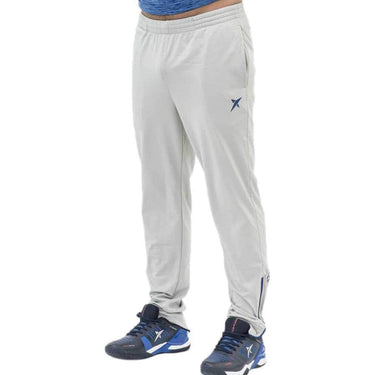
Men's padel trousers
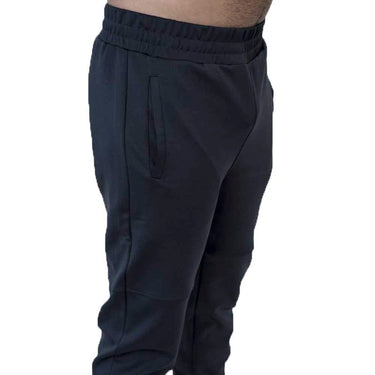
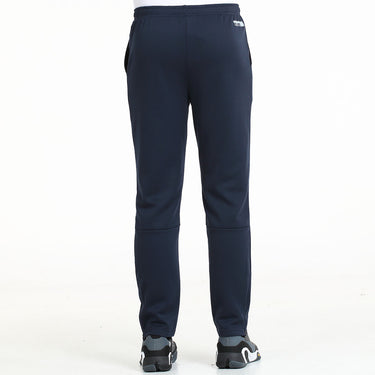
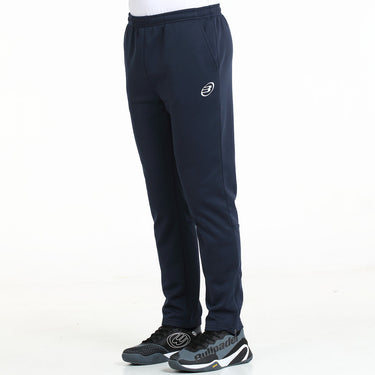
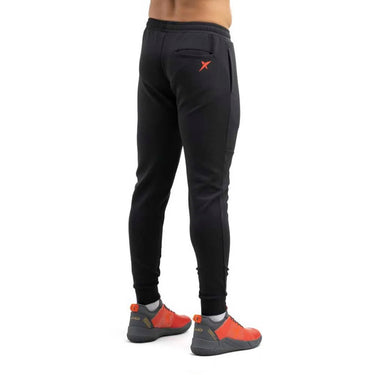
This collection brings together the men's padel trousers from the catalogue. It's worth clarifying the term from the start, because in padel it is used broadly: this section includes full-length trousers, Bermudas and shorts, which serve different purposes even though they share a category.
This is the garment where a poor cut is most noticeable. The leg works throughout the match in deep flexion — the drop shot, coming down from the wall, short lateral movements — and a cut that pulls at the crotch becomes a constant nuisance.
Shorts, Bermuda or long trousers
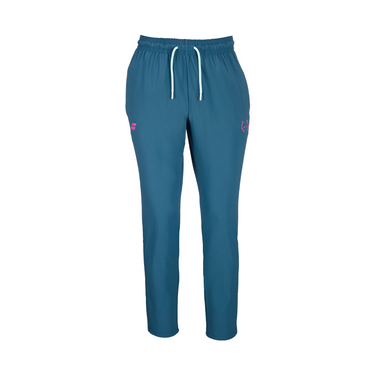
- Shorts. The most common format for playing. Maximum freedom of leg movement and less heat build-up, which is decisive on outdoor courts in summer.
- Bermuda. Slightly more coverage without sacrificing mobility. A good option if you prefer the garment to fall past the knee.
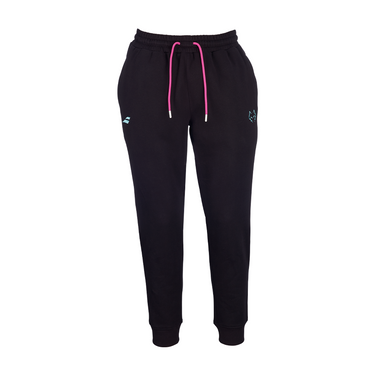
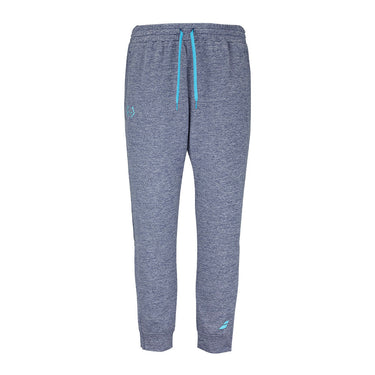
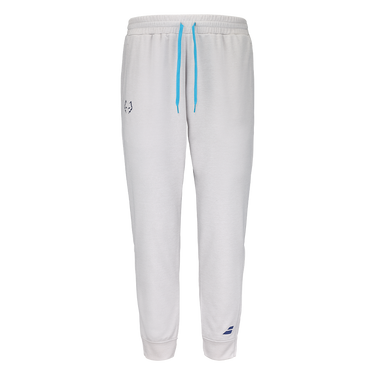
- Long trousers. Their territory is warm-up, winter and early-morning outdoor courts. For playing in summer they tend to retain heat.
Details worth checking
The pocket
In padel the second ball is carried in the pocket. If it isn't deep enough, the ball falls out when you run. This is the most specific detail of this garment compared with a generic sports trouser, and the one you most appreciate when it is well designed.
The waist
Internal drawcord, elastic or a combination of both. The important thing is that the garment does not shift during changes of direction: if you have to readjust it between points, the size or the adjustment system is not right.
The fabric
Technical fabrics wick moisture away and dry quickly; cotton retains it and gains weight. For playing, the priority is that the fabric does not cling to the leg. The exact composition appears on each product page.
Materials: polyester, elastane and what each brings
Almost all padel trousers are built around polyester, often with a percentage of elastane. The reason is functional. Polyester does not absorb water: it transports sweat to the fabric's outer surface, where it evaporates. Elastane provides stretch, and it is what allows a fitted short to follow the movement rather than impede it.
The exact proportion varies by model and is shown on the product page. As a practical rule: the more elastane, the greater the freedom of movement and the closer the fit; the more pure polyester, the lighter and quicker-drying the garment. No combination is inherently better — it depends on your preferences and how much you sweat.
Seams, comfort and chafing
Seams matter more than they seem. Flat seams reduce rubbing against the skin at the crotch and waist, which is where chafing appears during long matches or very hot days. Reinforced seams at stress points are what provide durability and resistance when the garment enters the weekly training rotation.
It is one of those features you don't see in the product photo but that you do notice after an hour of play.
Pockets: where the balls go
It deserves its own section because it is the real difference between a padel short and a generic sports short. You need at least one pocket deep enough to carry the second serve ball without it falling out when you run or hitting your leg on every stride.
There are three common variants: open side pockets, which are the most convenient for taking the ball out quickly; zip pockets, safer for keys or a phone but worse for balls; and models that combine both. If you play full matches, the difference between a well-designed pocket and a poorly judged one is measured in distractions per game.
Sizes and fit
Patterns vary considerably between brands, so the size you wear in one does not guarantee the same in another. The usual sizes in this category range from S to XXL, and some lines extend the range below and above.
Two criteria work better than the nominal size. First, check the measurement chart in centimetres on the product page, especially waist and length. Second, mentally check the movement: the garment must allow a deep leg flex — the kind for coming down from the wall — without pulling at the crotch or falling off the waist.
If you hesitate between two sizes and you usually play in warm conditions, the larger size will usually give a better result, because fabric clinging to the skin becomes more uncomfortable when you sweat.
Colours, design and matching
The range of colours and designs is wide, from blacks and greys that match any T-shirt to brightly coloured models intended to match a specific line. If you care about the complete look, many brands design T-shirt and trousers as a set within the same collection.
A practical wardrobe note: dark tones hide sweat marks and artificial grass sand better, and are most common among players who train several times a week.
How many you need and how often to replace them
It depends on your playing frequency. With one match a week, two garments are enough. If you train and compete, three or four avoid relying on the laundry cycle and spread the wear, which extends the life of them all.
The signs it’s time to replace them are clear: the waistband elastic that has lost recovery, fabric that has become rough or transparent from use, and open seams. In a technical garment, when the fabric stops drying quickly it has already lost what made it different from a street trouser.
How to care for them
Wash cold or lukewarm, inside out, without fabric softener and do not tumble dry. Fabric softener leaves a film that clogs the fibres and destroys moisture-wicking; the heat of the tumble dryer degrades the elastane and makes the garment lose shape. With those three precautions, the fabric's protection against wear is maintained for much longer.
How to narrow the list
Three filters resolve almost all searches. Size, which ranges from S to XL and beyond depending on the line; colour, useful if you are matching an existing T-shirt; and brand, where manufacturers such as Adidas, Asics, Babolat, Bullpadel, Drop Shot, Head, Lok, Nox and Puma appear.
If your criterion is climate rather than aesthetics, look at two fabric properties that usually appear on the product page: breathability, which prevents the garment from overheating, and quick-drying, which keeps shorts from becoming heavy mid-match. Neither is offered by cotton.
Where to continue
To see all men's apparel, the entry point is padel clothing for men. If you are looking for warmer garments, see men's outerwear. And the general category with all filters is padel clothing.
Frequently asked questions
Is it better to play in shorts or long trousers?
For playing, shorts in the vast majority of cases: they weigh less and dissipate heat better. Long trousers make sense in winter, on outdoor courts or for the warm-up.
Which size should I choose if I'm unsure?
Use the centimetre measurement chart on each product page rather than the size you wear in other brands, because patterns vary considerably. As a rule, the garment should allow a wide stride without pulling at the crotch.
Can I wear leggings under the shorts?
Yes, it's a common combination, especially in winter or among those seeking muscle support. Just make sure the short has enough room so you are not wearing two tight layers.
Are zip pockets suitable for carrying the ball?
They are, but they are slower at serve time. The comfortable solution is an open pocket for the ball and, if needed, another with a zip for keys or phone.
What is the difference between a padel short and a running short?
Mainly the pocket and the leg pattern. The running short is designed for forward motion and has minimal pockets; the padel short needs lateral room and the capacity for the ball.
Can they be used for other sports?
Yes, without problem. The difference compared with a running short or a multi-sport short is mainly in pocket depth and leg pattern, not in an exclusive technical requirement.
Top Ventas
Padel Market’s best-selling products.