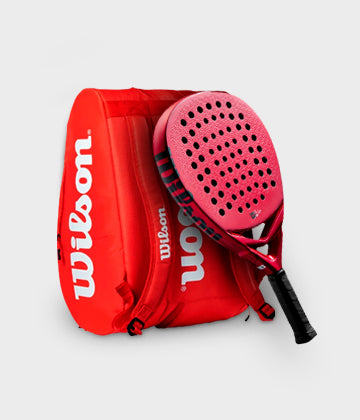
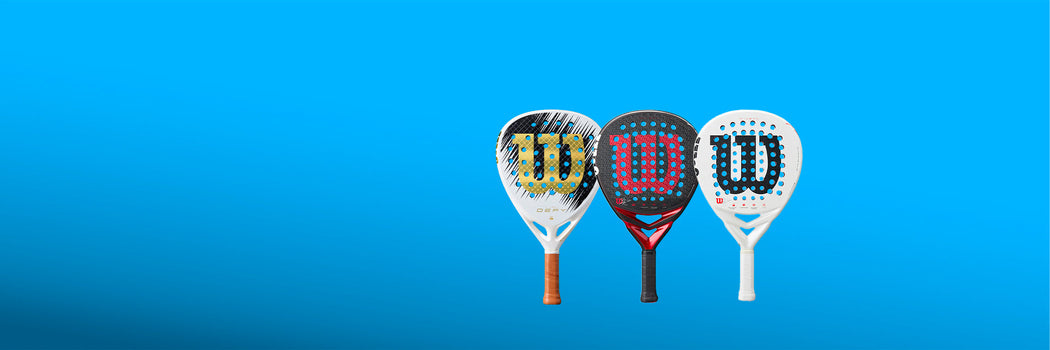
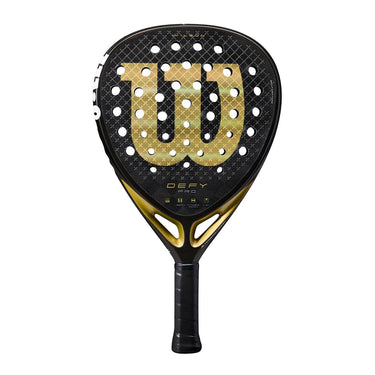
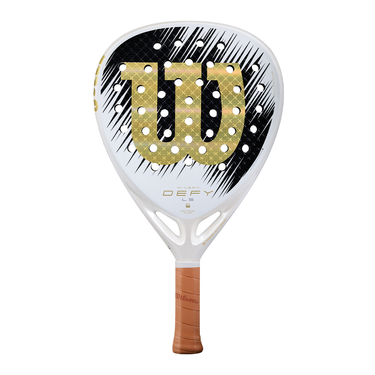
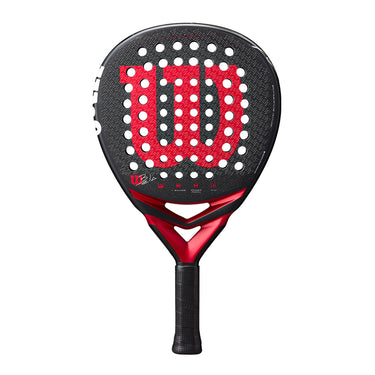
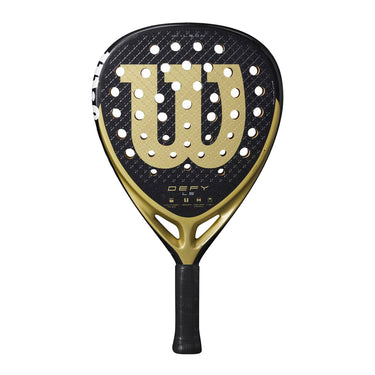
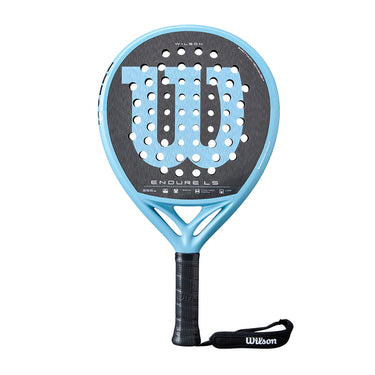
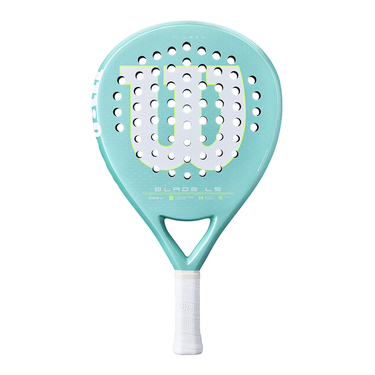
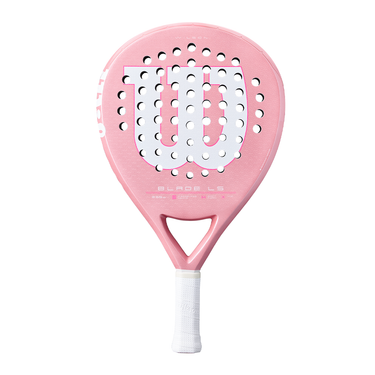
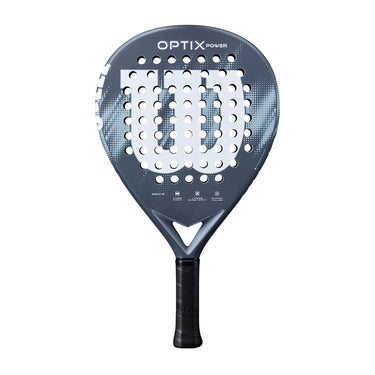
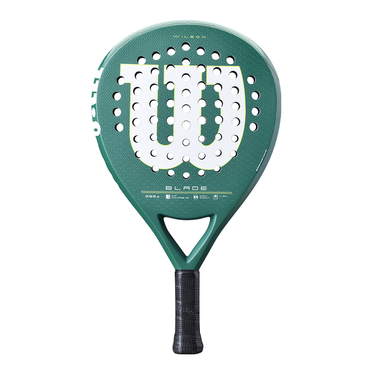
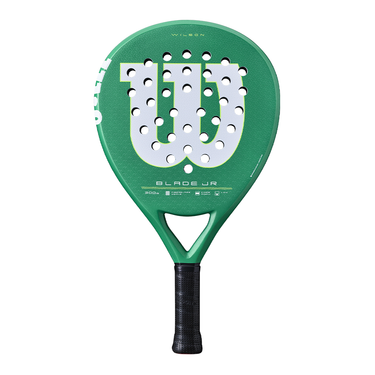
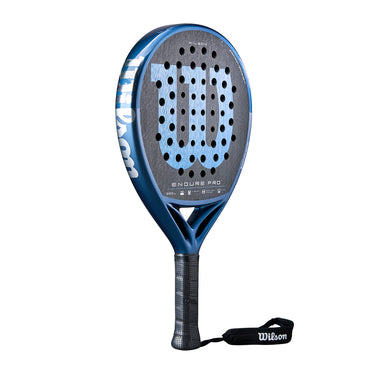
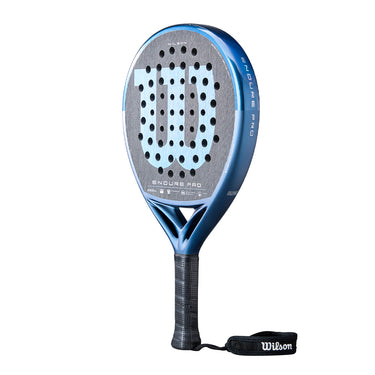
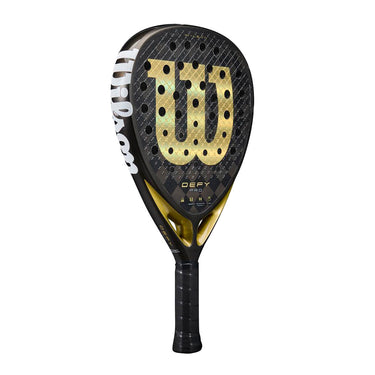
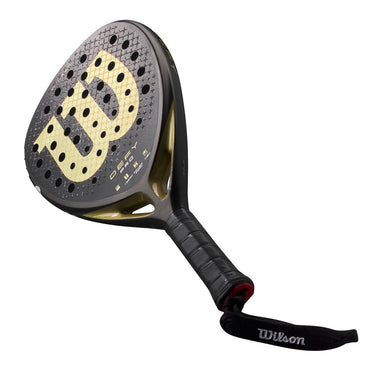
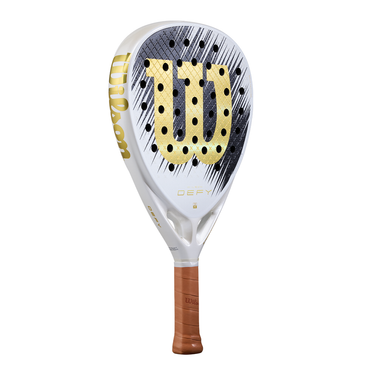
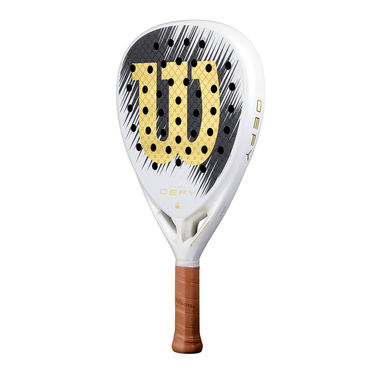
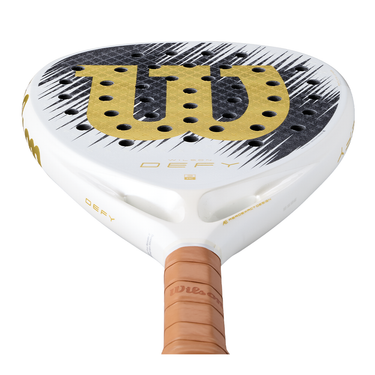
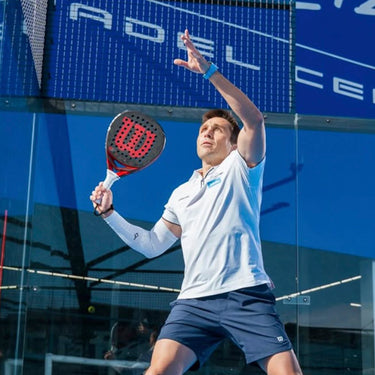
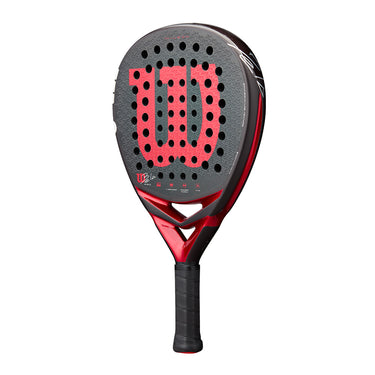
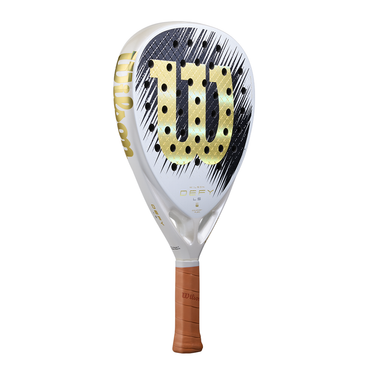
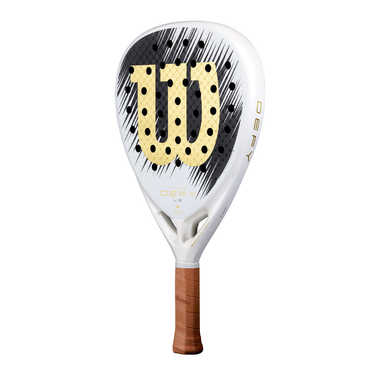
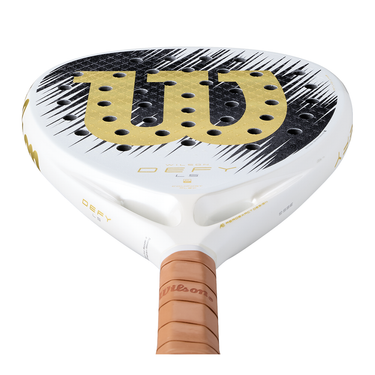
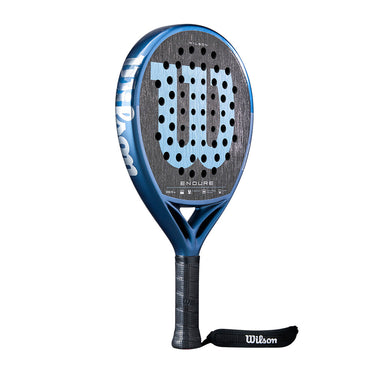
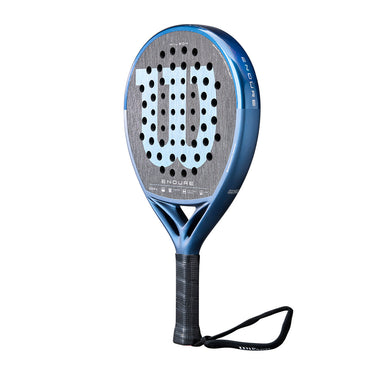
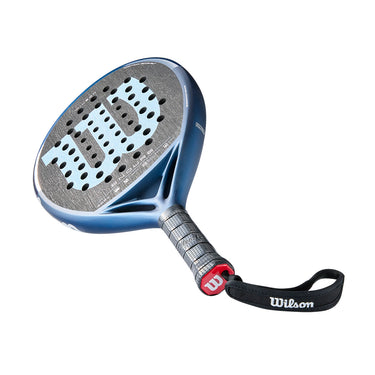
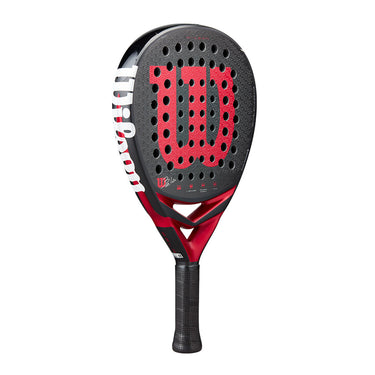
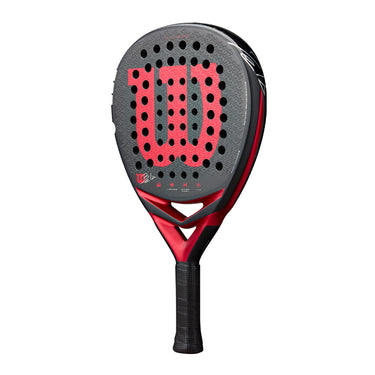
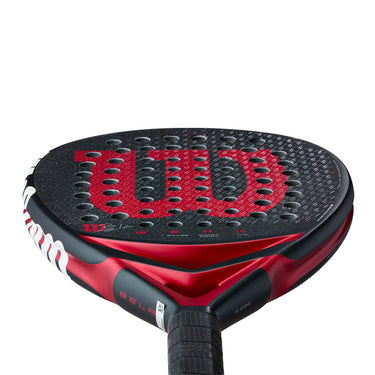
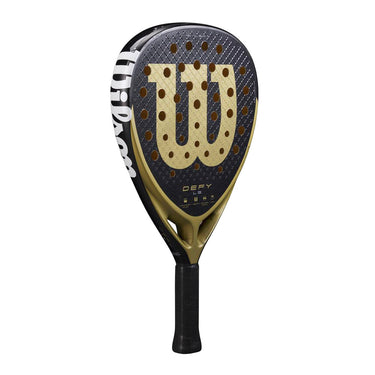
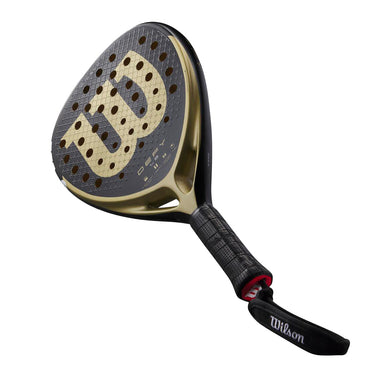
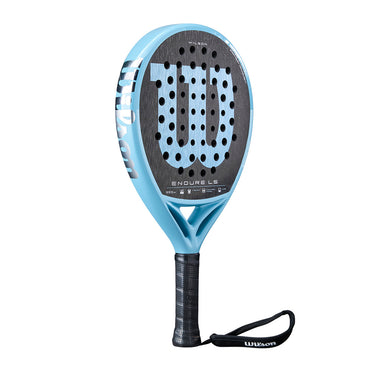
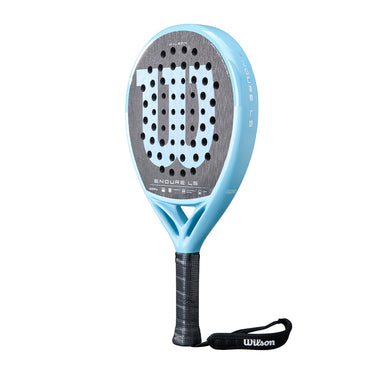
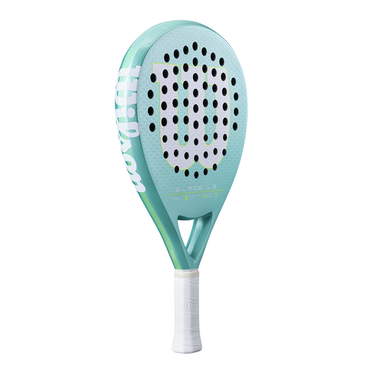
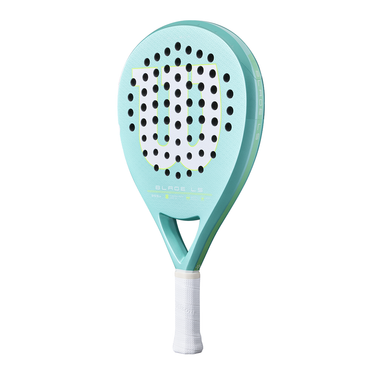
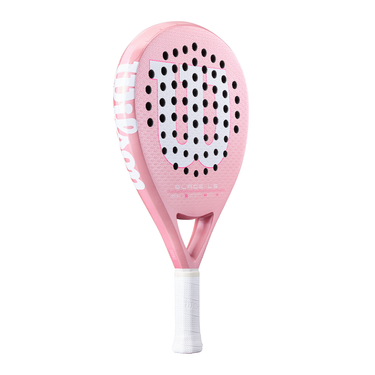
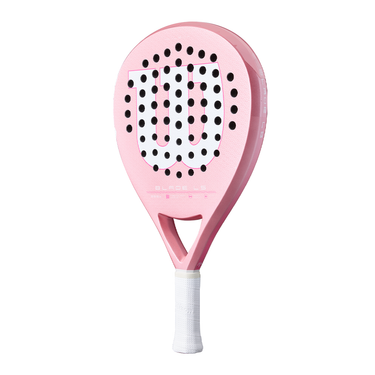
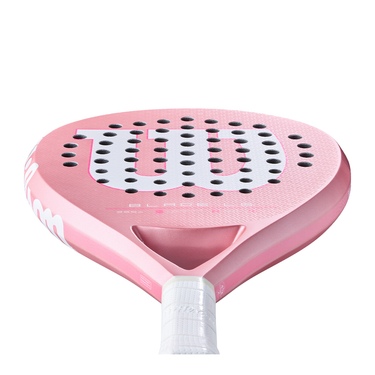
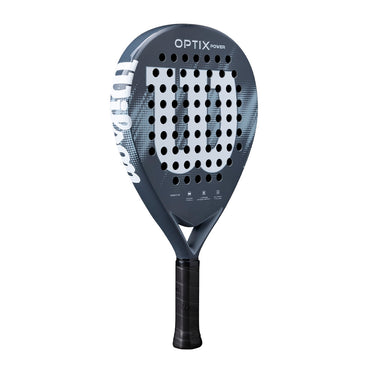
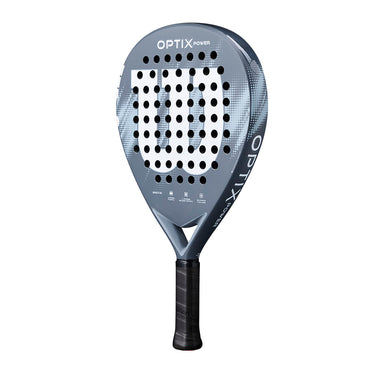
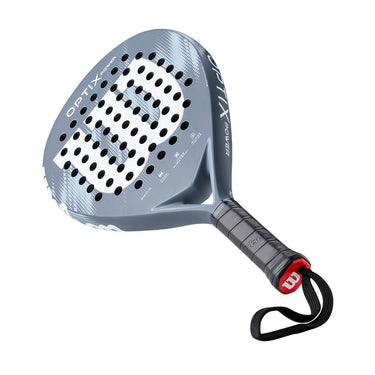
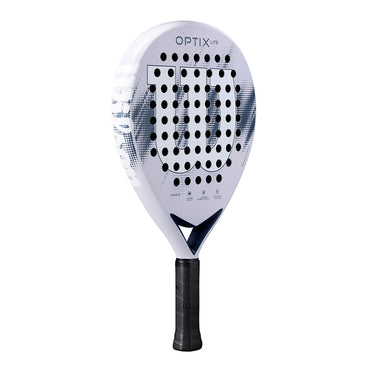
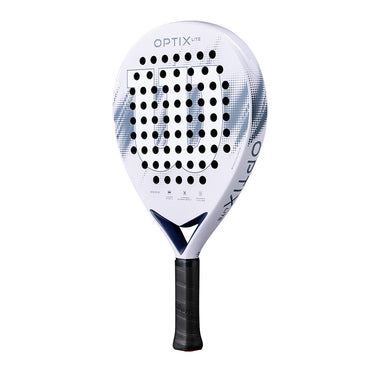
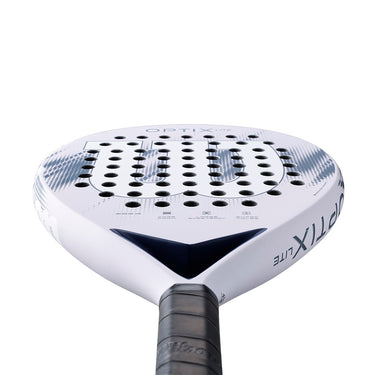
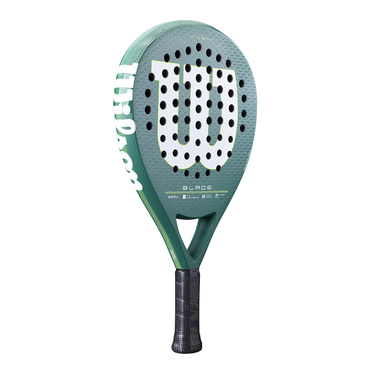
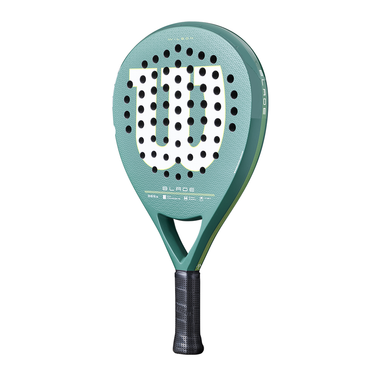
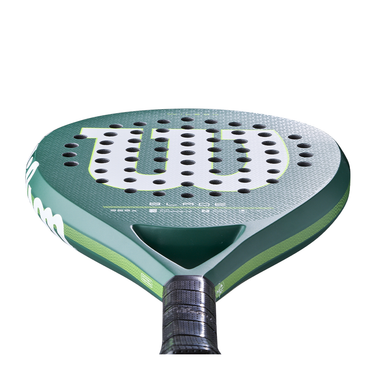
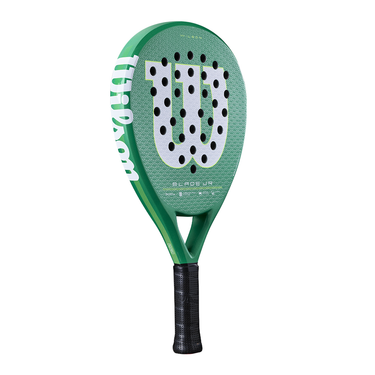
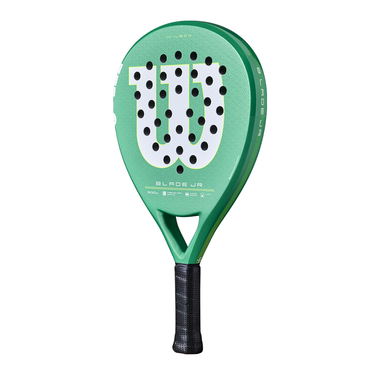
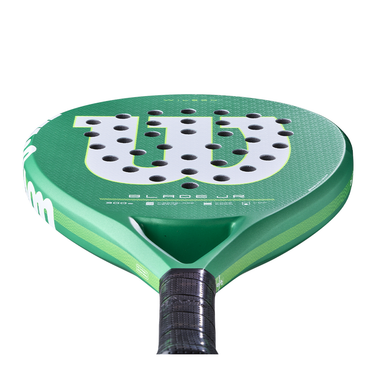
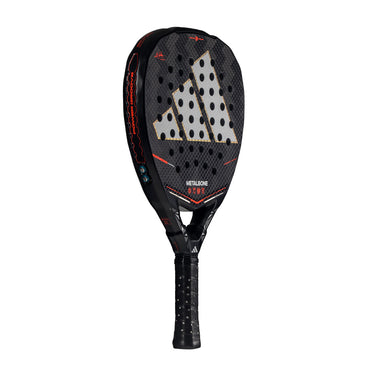
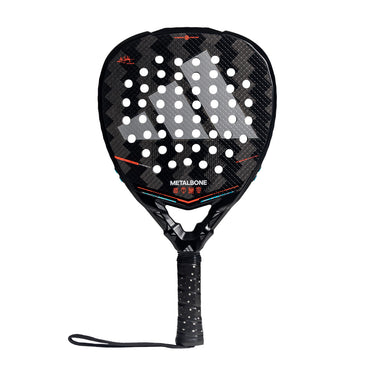
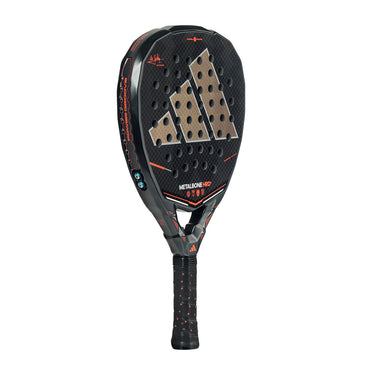
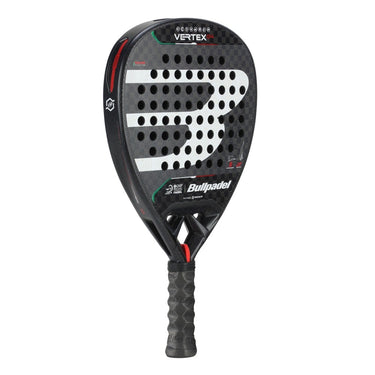
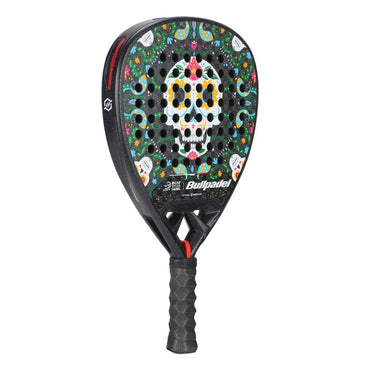
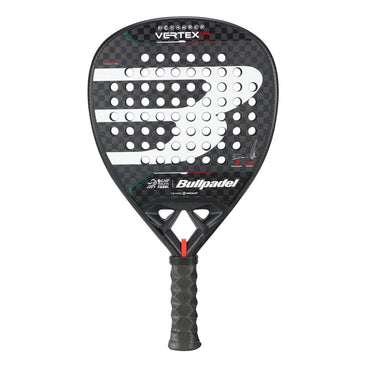
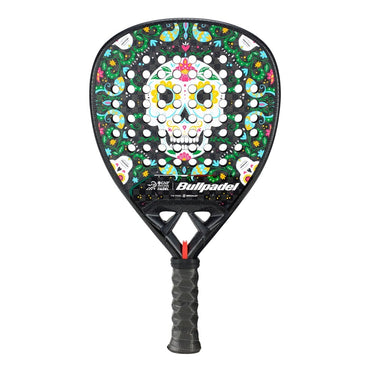
Wilson arrives at padel from a long history in tennis rackets, and that heritage is evident in how it designs its padel rackets. This collection groups its references within the catalogue, offering options with different shapes and playing profiles.
It is one of the brands with a steady presence in the filter for padel rackets, so here there is room to compare several models rather than having to make do with whatever is available.
How to compare within the collection
Start with the shape
Round, teardrop or diamond determine where the sweet spot sits and how forgiving the racket is on off-centre hits. It is the factor that most changes the feel, and the one you should fix before looking at anything else.
Next, consider the balance
Low balance to react earlier at the net and recover easily; high balance to gain inertia on the smash. If in doubt, bear in mind that a protector or adhesive weights will modify the factory balance.
Finish with hardness and material
The combination of hardness and face material defines the feel. A soft racket is more forgiving and less punishing on the arm in long matches; a hard racket returns more energy when the strike is clean and powerful.
What is the “feel” everyone talks about?
It is the word most repeated in any review and the worst explained. The feel is the sum of three things: how much vibration reaches the hand on impact, how much the structure deforms when you hit, and how much information you receive about where the ball struck. A racket with more carbon and a denser inner foam transmits a crisp, precise response; a more flexible construction gives a more enveloping sensation and filters part of the vibration.
Neither is inherently better. What matters is coherence with your stroke: if you seek versatility and stability in defence, the latter; if you seek precision and resilience on the smash, the former.
Baseline play and attacking play
Before comparing products it is useful to translate your style into characteristics. If your play is from the baseline, with long rallies, wall exits and a lot of placement, what you need is tolerance and a comfortable ball exit: round or teardrop shape, contained balance and a rubber that does not demand strength. If your game is attacking, with presence at the net and shots that aim to finish the point, the priority shifts towards power and stability on impact.
Most players are between the two extremes, and there the balance between control and power is what delivers the best performance in a real match, where you defend as much as you attack.
Vibrations, grip and comfort
An aspect that determines medium‑term comfort and that is almost never compared. The amount of vibration that reaches the hand depends on the stiffness of the construction: more carbon and a denser core, a drier response and greater transmission to the arm; more flexible constructions filter part of that impact.
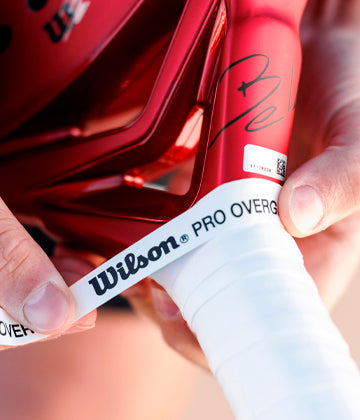
Added to that is the grip. A handle that is too small forces you to squeeze harder, and that extra tension multiplies the effect of vibrations. Adjusting grip size with a suitable overgrip is the cheapest solution and the one you notice most in long matches.
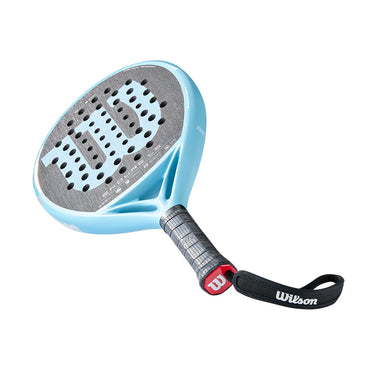
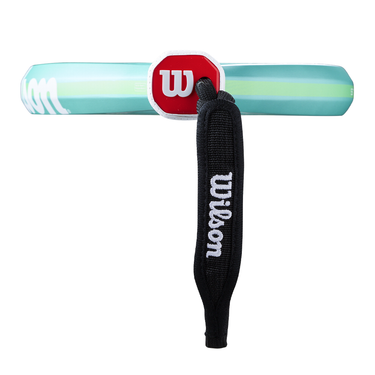
And a safety note often forgotten: the wrist strap that links the padel racket to the wrist is mandatory in competition and recommended at all times.
Collections associated with players
Part of the brand’s equipment is organised into lines linked to tour professionals. In the catalogue you have, for example, the Línea Bela, associated with Fernando Belasteguín, which has its own page.
As with any player collection, the name guides you towards a style of play but does not replace the specification sheet: within the same line there are usually versions with different hardness and balance, intended for different audiences.
Innovation and development: what to expect
Product development in padel is incremental. Each season brands review molds, foam densities and surface finishes, and present those improvements under their own commercial names. In practice, two rackets with the same shape, weight, balance and hardness behave very similarly even if their technology has different names.
That is why useful comparison is always done with the objective data on the specification sheet, which are the ones that allow you to put products from different brands in the same table.
The heritage from tennis: what it implies and what it doesn’t
A brand coming from tennis says something about its experience in composite materials and frame construction, but it does not automatically make a racket better or worse. Padel has its own physics: a solid frame, rubber core, perforated surface and a court with walls. The selection criteria are those of padel, not tennis.
Where to follow
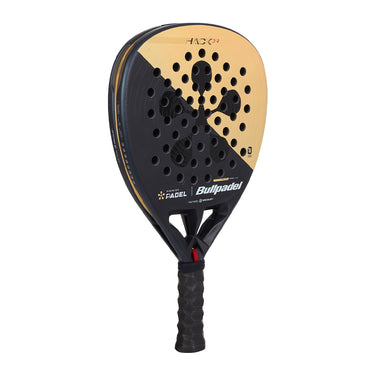
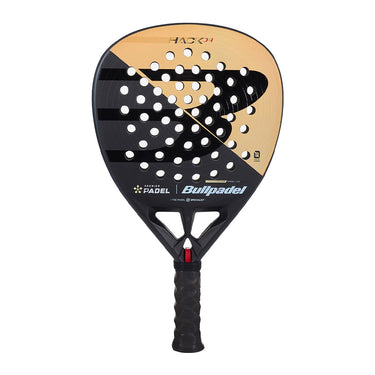
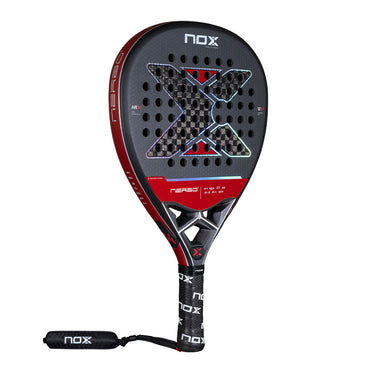
To compare with the rest of the catalogue by characteristics rather than by brand, the general category is padel rackets. If you want to see other brands, you have Nox padel rackets, Bullpadel or the general entry by padel brands. And if you prefer to try before deciding, the test padel rackets collection is the way to go.
Frequently asked questions
Are Wilson padel rackets for a specific level?
No: like almost all brands with a wide catalogue, they cover several levels within their range. The reliable data point is the level filter on each specification sheet, not the brand.
What is the difference between a Wilson padel racket and one from a brand specialised in padel?
In terms of construction, the same elements: shape, face materials, core, hardness and balance. The practical difference lies in the specific model, not in the brand’s origin.
Are Wilson padel rackets suitable for playing in winter?
Like any other racket. What is advisable in cold weather is not to hit in the first minutes with the racket freshly taken from the car boot: the rubber of the core responds worse when cold, and a racket bag with a thermal compartment helps to keep it stable.