




Filter and sort 435 products

-
 babolat juan lebron men ss26 shortsWhiteBlackOrange
 -
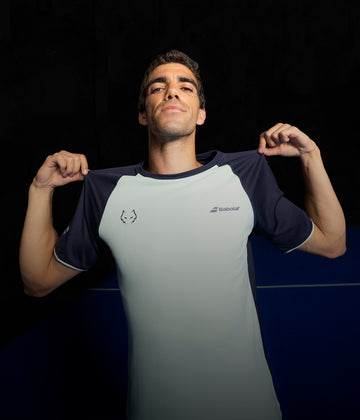
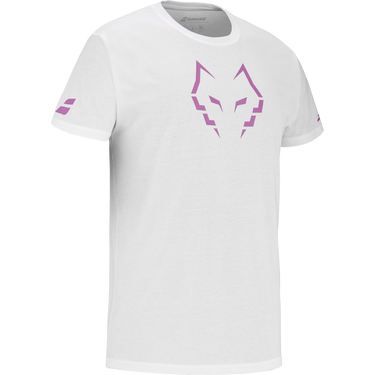
 babolat juan lebron ss26 crew neck t-shirt menWhiteBlackOrange
 -
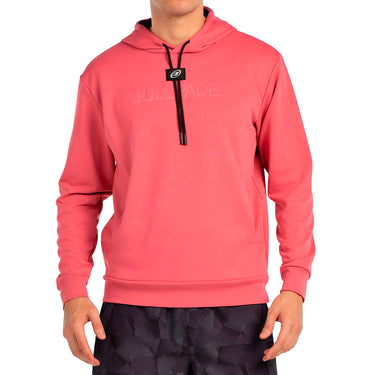 bullpadel binee men's padel sweatshirt fw25PinkBeigeGreyWhiteYellowGreenBlue
 -
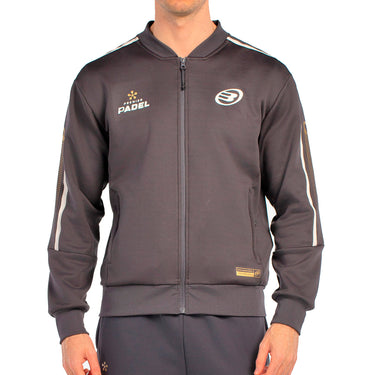
-
 bullpadel marace men's padel shorts ss26GreenBlueWhiteDark blue
 -
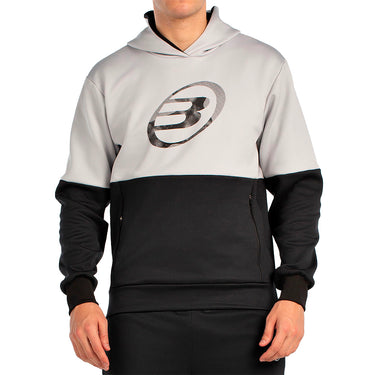 bullpadel boyal men's padel sweatshirt fw25OrangePinkGreenYellowDark blueGreyWhite
 -
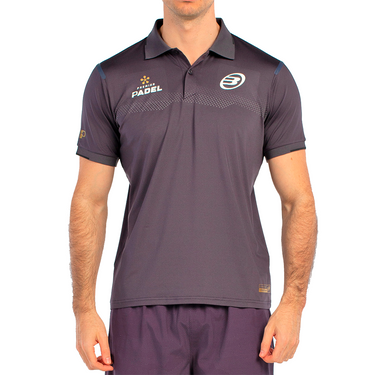 bullpadel bramo men's premier padel polo 2025BlackBeige
 -
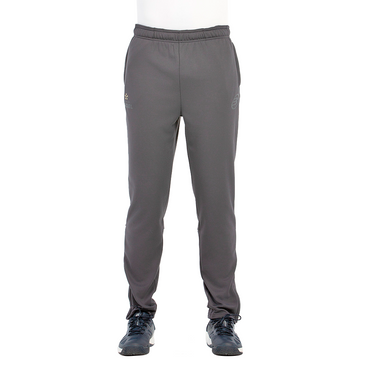

-
-

-
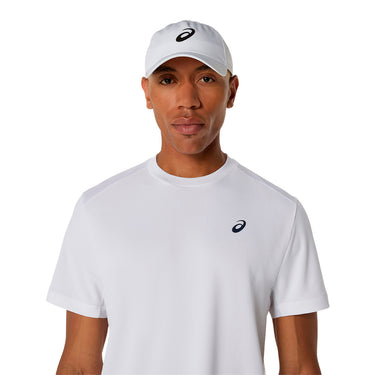
 asics padel court ss top ss26 t-shirt for menWhiteGreyBlack
 -
 babolat juan lebron ss25 men's padel shortsWhiteBlueDark blue
 -
 babolat juan lebron crew neck t-shirt men ss25PinkWhiteBlue
 -
 bullpadel meis 25v ss25 men's padel shortsBlueDark greenBeigeOrangeYellowGreyRedGreenBlackDark blue
 -
 bullpadel cabanas men's padel shorts ss26BlackWhiteBeigeBlue
 -

-
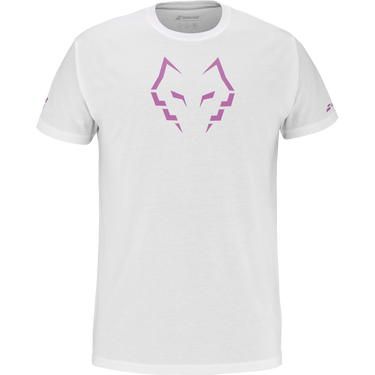 babolat cotton t-shirt juan lebron men ss25WhiteBlueDark blue
 -
-
-
-
-
-


-

-
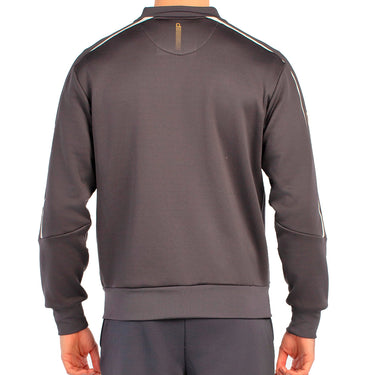
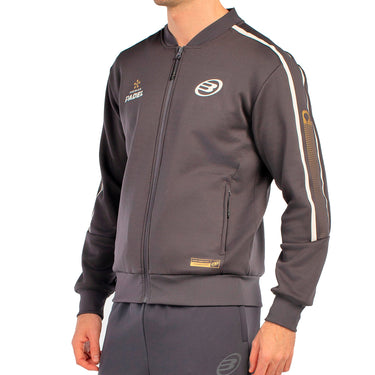
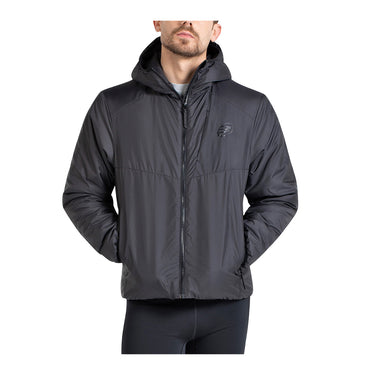
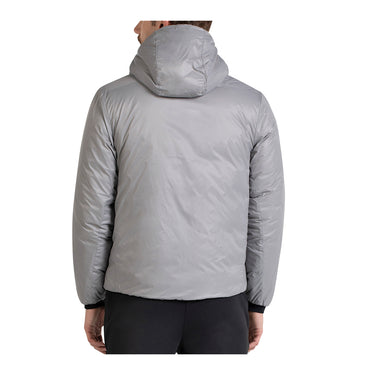
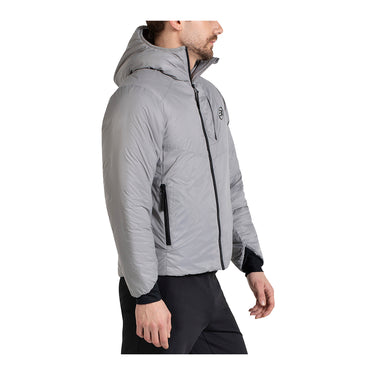
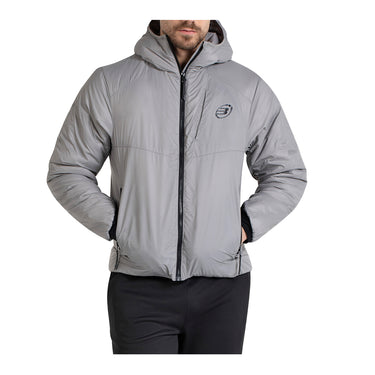 bullpadel etireo man (anorak)GreyBlack
 -
-
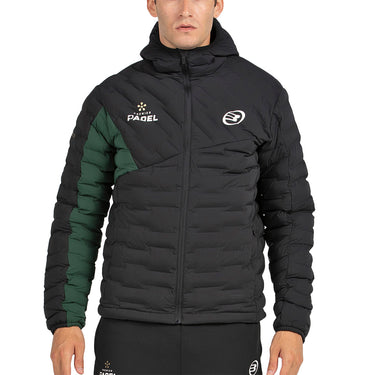 bullpadel popy men’s premier padel 2026 anorakBlackGreen
 -
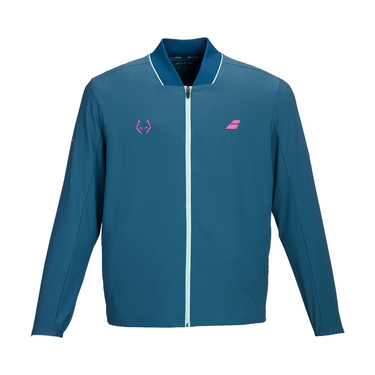
-

-

-
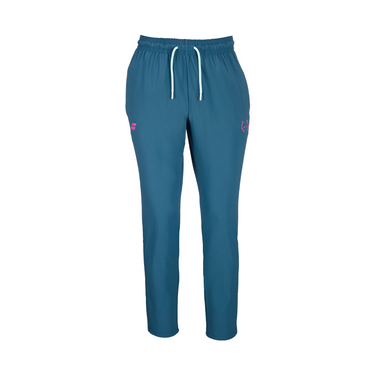
-
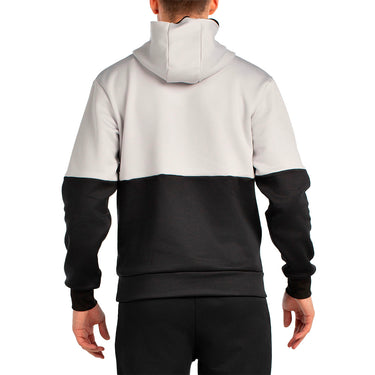
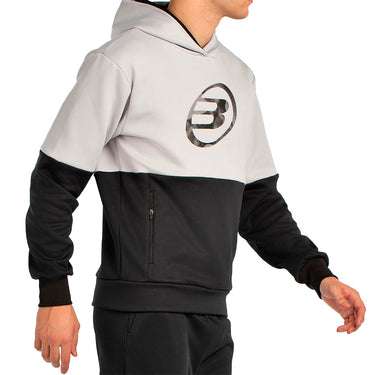
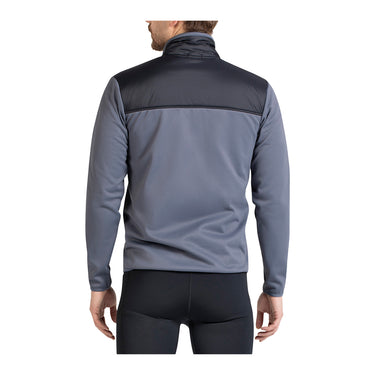
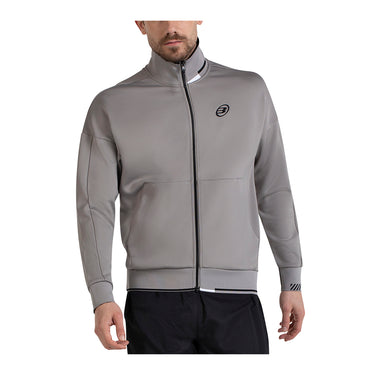 bullpadel tonul man (sweatshirt)GreyWhite
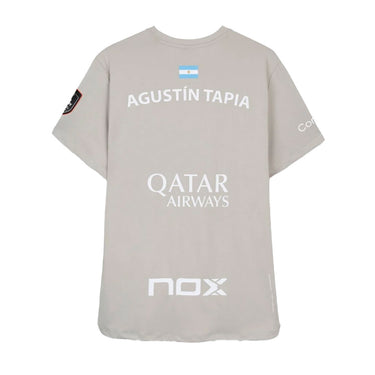
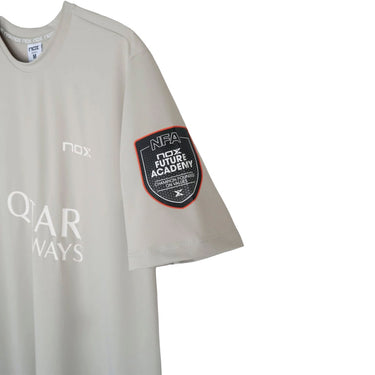


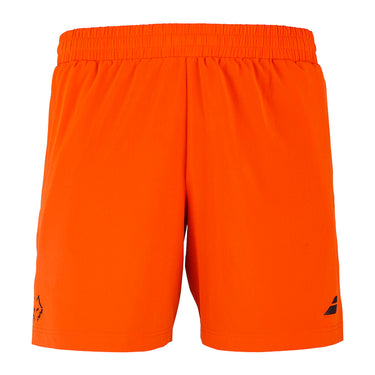


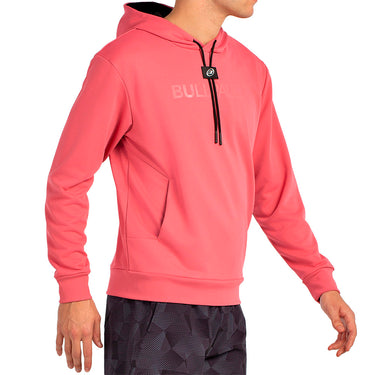
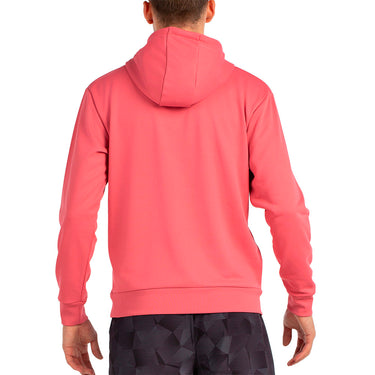




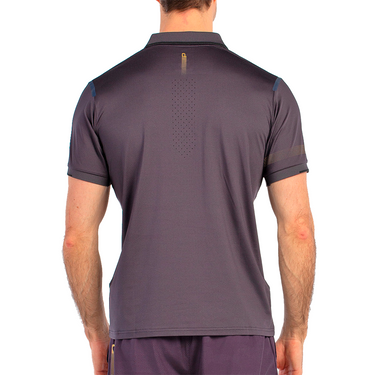
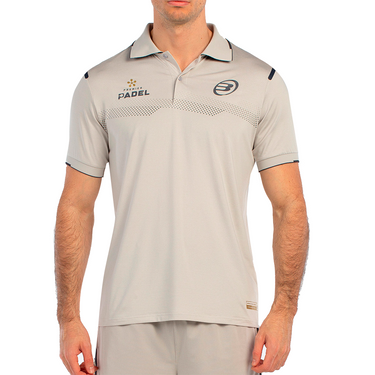

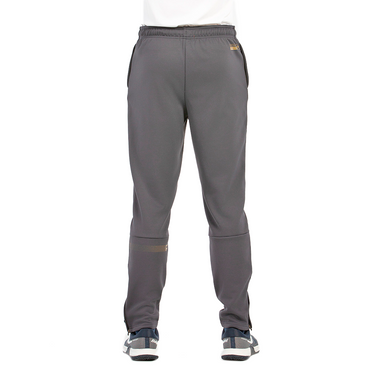
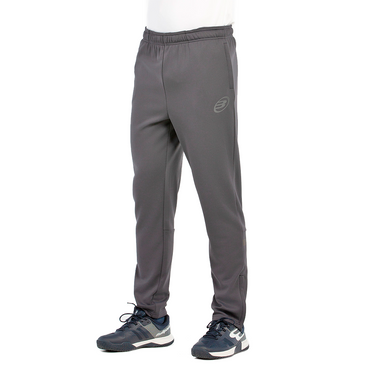


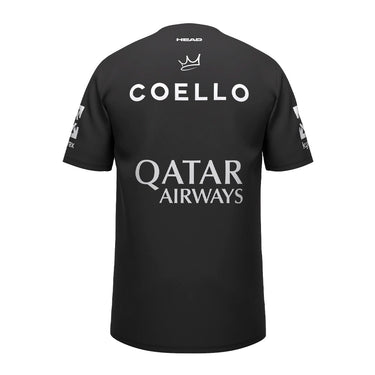

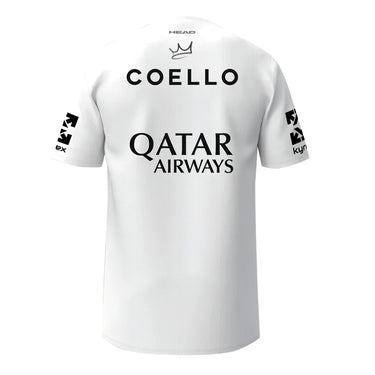


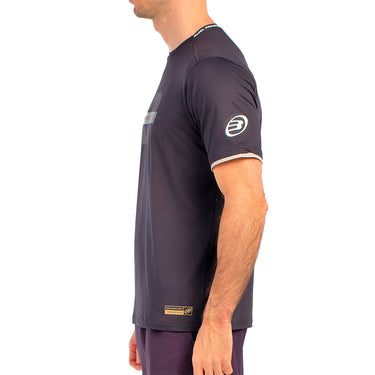


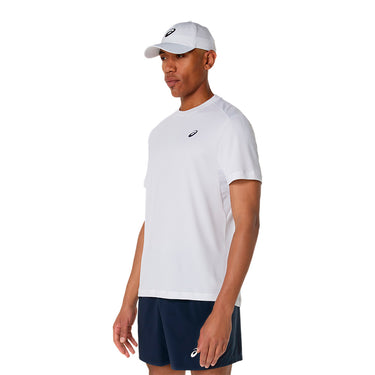









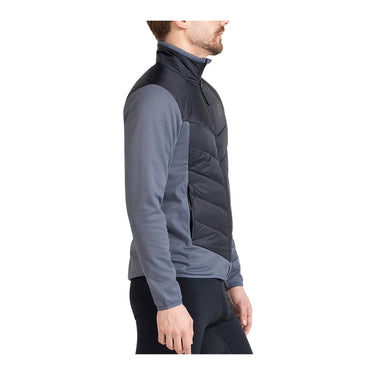
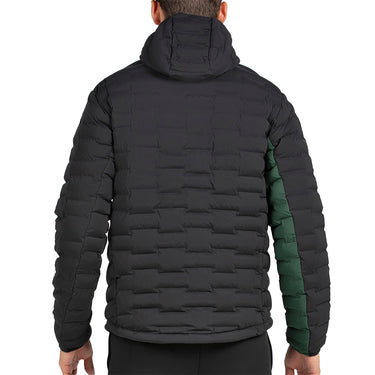
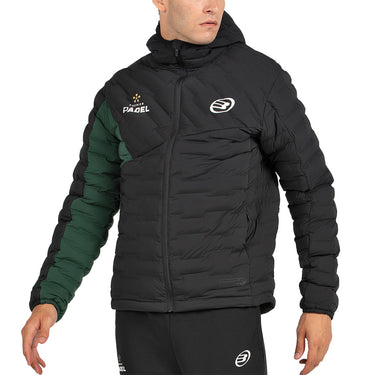
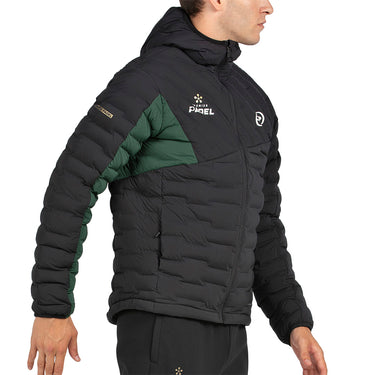
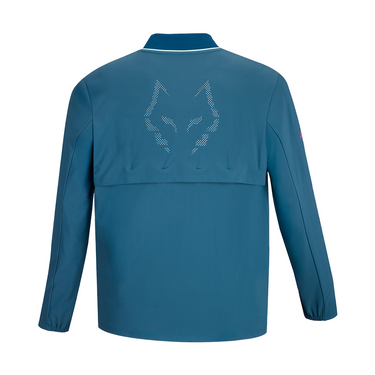
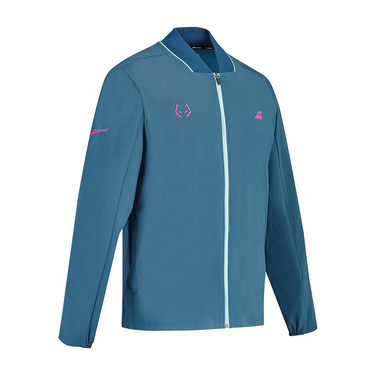
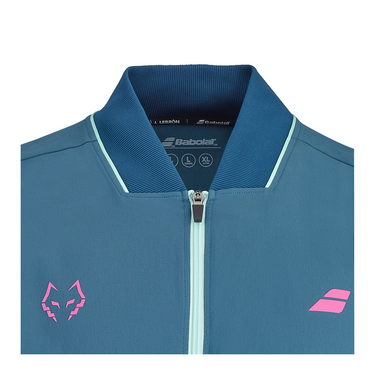



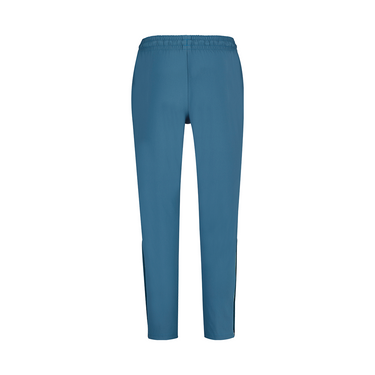
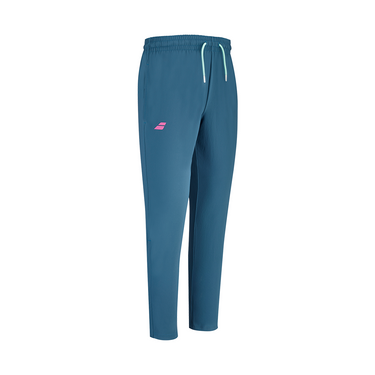
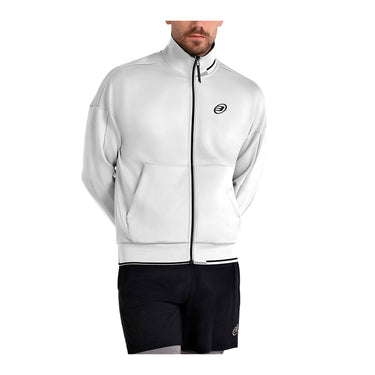
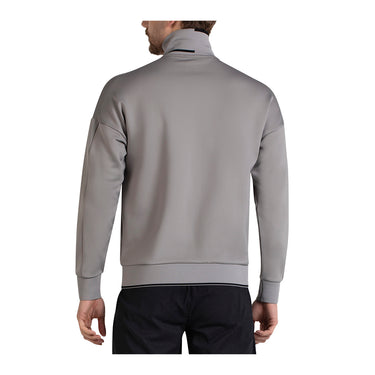
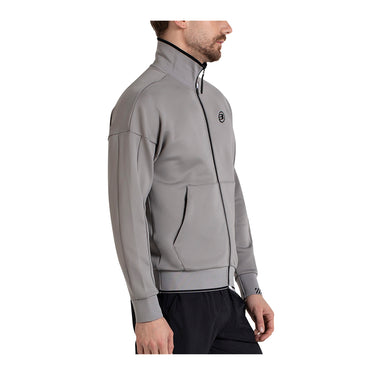
Men's padel clothing: kit up to play, not general training
This collection filters the clothing catalogue by the male player: T-shirts, polos, shorts, trousers, sweatshirts, outerwear and socks designed for the court. The logic of the section is simple: remove everything that isn’t your size or cut so you can compare on a manageable list.
Generic sportswear will let you play, but it isn’t designed for what padel demands. The three movements that stress clothing most are the overhead smash, the deep flexion on the drop shot and the short lateral movement. Each one pulls on a different seam.
The four places you notice a good garment
- The armhole of the T-shirt. If it’s tight when you raise your arm, your overhead is affected. It’s the first thing to try when you get a new T-shirt.
- The inseam of the shorts. It must allow a long stride without pulling. Looser cuts or those with an elastic panel solve this better than very tight styles.
- The pocket. Deep enough so the second-serve ball doesn’t fall out when you run. It sounds minor until you lose a point picking it up.
- The shoulder and side seams. These are the ones that rub when the fabric is damp. Flat seams reduce irritation in long matches.
Fabrics, sizes and brands
Most men’s padel kit is built around polyester, often with a little elastane for extra stretch. That mix seeks lightness, comfort against the skin and fast drying; the exact composition of each garment is on its product page. T-shirts come in short sleeve, long sleeve and sleeveless, and the size filter goes up to XL and beyond depending on the line.
Brands in the clothing filter include Adidas, Asics, Babolat, Bullpadel, Drop Shot, Head, Lok, Nox and Puma. You can also narrow by colour, which is the filter most used by people looking to match an outfit they already have.
Piece by piece: what to look for in each item
T-shirts and sleeve types
This is the garment that renews most and where fit shows up most. Short sleeve is the standard; long sleeve works as a base layer in winter and on open courts early in the morning; and sleeveless models maximise ventilation, although they’re used less in men’s padel than in some other sports. Besides the armhole, check the back: many models include mesh zones or more open fabric where you sweat most.
Polos
They share technical fabrics with T-shirts and add a collar. They stand up better to use off court, so they are the usual option for someone who moves from a match to the terrace. In performance they are equivalent: the difference is style.
Shorts and trousers
Freedom of leg is the priority. Check the rise and the depth of the pocket, which in padel is functional rather than decorative. Models with an elastic waistband and drawcord avoid having to readjust between points.
Sweatshirts, jackets and windbreakers
These are the second layer in a layering strategy. A windbreaker gives more on an outdoor court than a heavy sweatshirt, because it blocks the wind without trapping heat. And if you’re carrying it in your bag, folded weight matters.
Technical socks
The most overlooked product and one of the biggest comfort factors. Specific models usually have reinforcement at the heel and sole and a thinner zone over the instep for ventilation. A cotton sock soaked through is one of the most common causes of blisters.
Fabric technology, without the marketing
Behind each brand’s commercial names there is always the same idea: move sweat from the skin to the outside of the garment so it can evaporate. Polyester, which doesn’t absorb water, achieves this, sometimes helped by quick-dry treatments and by fabric construction with more open zones where ventilation is needed.
Two useful nuances when comparing products. Fabric weight matters as much as composition: a lighter fabric breathes better, a denser one withstands more washes. And flat seams are the ones that prevent chafing when the garment is damp — something no fabric technology fully compensates for.
Fit: tight or loose
Both work and respond to different preferences. A close cut follows movement, doesn’t interfere at the net and feels light. A looser fit breathes better and is more comfortable if you don’t like clothing clinging to the body.
The objective criterion is unique: the garment must not pull when you raise your arm above your head or when you deeply flex the leg. Everything else is personal taste, and the size filter and the sizing chart on each product page solve the rest.
Colours, design and matching the look
The colour selection is wide, and many brands design T-shirt and shorts as a set within the same line, so the complete look is easy to assemble. The colour filter is the shortcut when you already have one item and are looking for the other half.
A practical note: dark tones hide sweat and the dust from artificial grass better, and light colours are appreciated on sunny outdoor courts. Neither affects performance, but both affect perceived comfort.
The clothing you see on the circuit
Many of the garments worn by professional players come from commercial lines anyone can buy. They aren’t replicas: they are the same products, with the same fabric technology and the same pattern, except for customisation details that aren’t sold to the public.
That means buying a T-shirt from a line linked to the circuit doesn’t give a technical advantage, nor a disadvantage. It’s a style choice, and as such perfectly valid.
Large sizes, small sizes and junior
The size filter covers the usual range for men’s clothing and, depending on the line, extends up and down. For a child who plays, the junior category is the reference: garments with the same technical approach and adapted patterns, with the recommendation to choose a close fit rather than buying large, because loose clothing interferes with the stroke.
Summer, winter and the middle ground
In summer and on outdoor courts, short sleeves and lightweight fabric. In winter, the answer isn’t a single thicker garment but more layers: a technical base T-shirt and a sweatshirt or windbreaker on top that you can remove in the second game. A single heavy garment quickly becomes restrictive as you warm up.
For indoor courts, the temperature is usually stable and summer kit is sufficient for most of the year.
Build your men’s padel kit
A complete match kit requires less than you think: two technical T-shirts, two shorts, specific socks and an outer layer for the cold months. That covers a normal week of matches without relying on the washing machine.
The order of priority, if you buy gradually, mirrors the game itself. First what contacts the hand and foot — the padel racket and padel shoes — then playing clothing and finally accessories. Clothing doesn’t change your level, but it does affect comfort and the security of your movement: a garment that doesn’t pull or rub is one less distraction during the match.
And a money-saving tip: check the season filter. Previous campaign lines keep the exact same fabric quality and construction, and are often the most sensible way to expand your court wardrobe.
Where to go next
If you’re looking for a specific item, there are dedicated pages like men’s trousers or men’s outerwear. To see all clothing without a gender filter, the general category is padel clothing.
Frequently asked questions
Is padel-specific clothing worth it or is any sportswear OK?
To start with, any technical sportswear will do. The difference appears when you play regularly: cuts designed for padel are measured for the overhead arm action and for deep leg flexion, where generic clothing limits movement.
T-shirt or polo?
It’s a matter of preference, not performance. The polo stands up better to off-court use; the technical T-shirt is usually a little lighter. Both exist in technical fabric.
How do you wash technical padel clothing?
Cold or warm, inside out, no fabric softener and no tumble dryer. Fabric softener clogs the fibres and cancels the quick-dry properties, and heat degrades the elasticity of the fabric.
Is tennis clothing suitable for padel?
Largely yes: fabrics and cuts are similar and many brands share lines. The practical difference is pocket depth, designed in padel to carry the second-serve ball.
How many kits do I need?
With one match a week, two kits are enough. If you train several times a week, three or four avoid relying on the laundry cycle and spread wear across garments.
How often should you replace match clothing?
When the fabric stops drying well. Technical fibres lose effectiveness with washes, especially if fabric softener has been used, and you’ll notice the garment takes longer to dry during a match.
Top Ventas
Padel Market’s best-selling products.