



Filter and sort 903 products

-
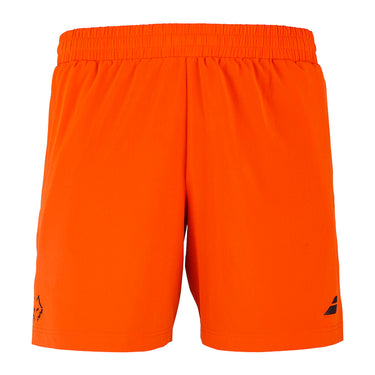
 babolat juan lebron men ss26 shortsWhiteBlackOrange
 -
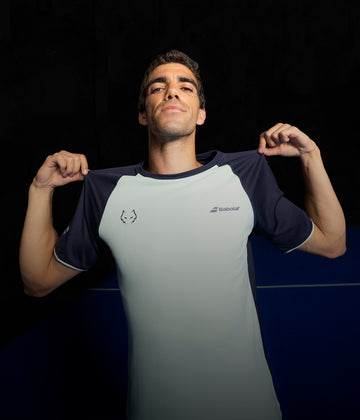
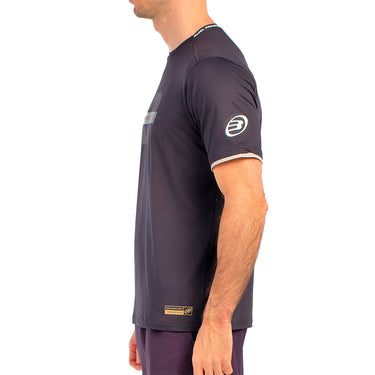
 babolat juan lebron ss26 crew neck t-shirt menWhiteBlackOrange
 -
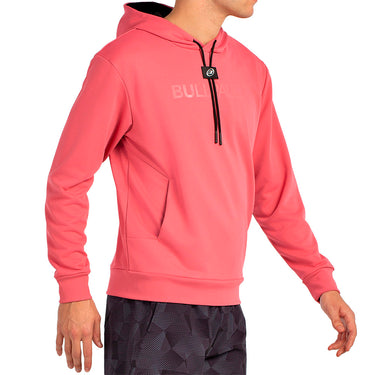
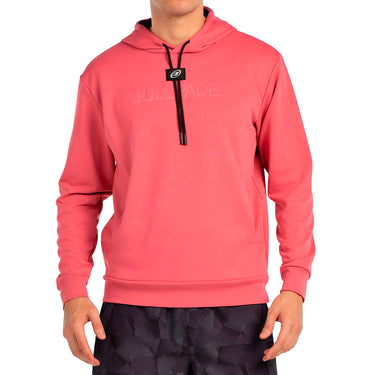 bullpadel binee men's padel sweatshirt fw25PinkBeigeGreyWhiteYellowGreenBlue
 -
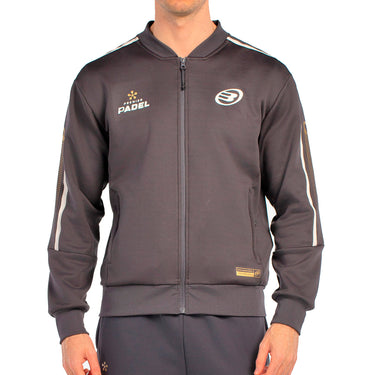
-
 bullpadel marace men's padel shorts ss26GreenBlueWhiteDark blue
 -
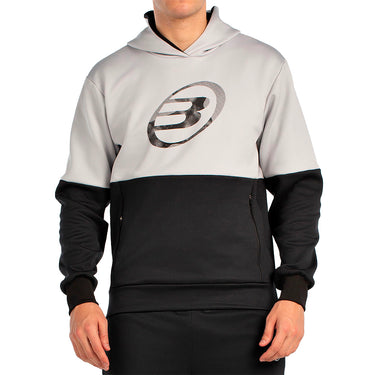 bullpadel boyal men's padel sweatshirt fw25OrangePinkGreenYellowDark blueGreyWhite
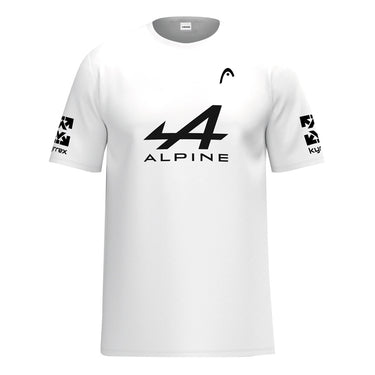
-
 bullpadel silba women's padel sweatshirt ss25GreenYellowPinkBlack
 -
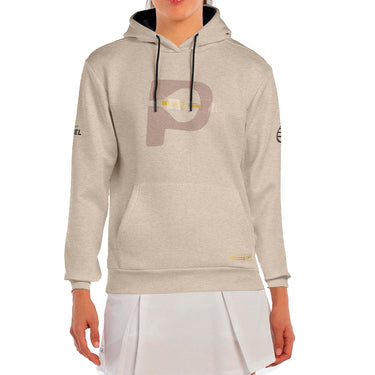 bullpadel aerea premier padel women's sweatshirtBeigeBlack
 -
-
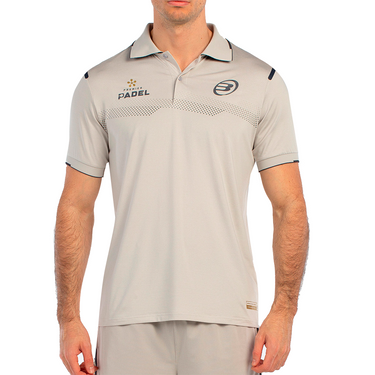
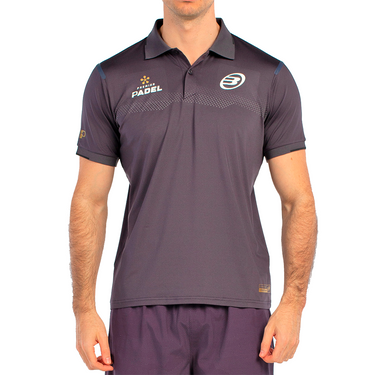 bullpadel bramo men's premier padel polo 2025BlackBeige
 -
-
 bullpadel braza women's t-shirt 2025OrangeBlackBlue
 -
 bullpadel adres women's premier padel t-shirt 2025GreyWhiteBlack
 -
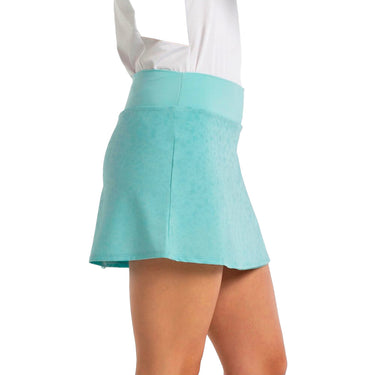
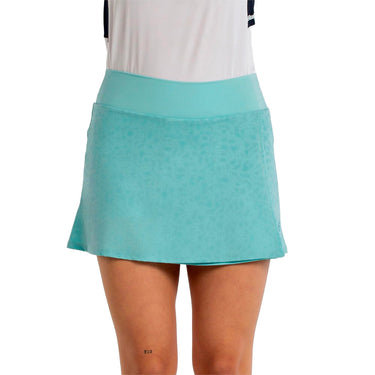 bullpadel bauza 2025 women's padel skirtOrangeBlackBlue
 -

-

-
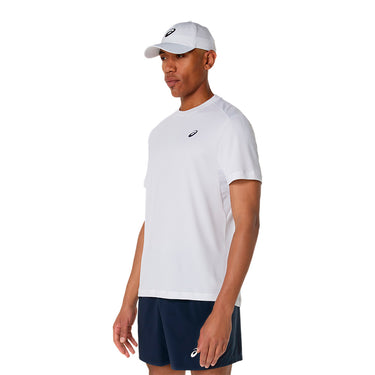
 asics padel court ss top ss26 t-shirt for menWhiteGreyBlack
 -
 babolat juan lebron ss25 men's padel shortsWhiteBlueDark blue
 -
 babolat juan lebron crew neck t-shirt men ss25PinkWhiteBlue
 -
 bullpadel meis 25v ss25 men's padel shortsBlueDark greenBeigeOrangeYellowGreyRedGreenBlackDark blue
 -
-
-

-
-
 bullpadel dalia women's padel skirt ss25WhiteBlueDark blue
 -

-

-
 bullpadel cabanas men's padel shorts ss26BlackWhiteBeigeBlue
 -

-

-

-
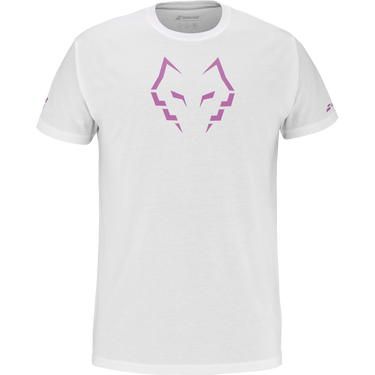 babolat cotton t-shirt juan lebron men ss25WhiteBlueDark blue
 -































What you will find in this category
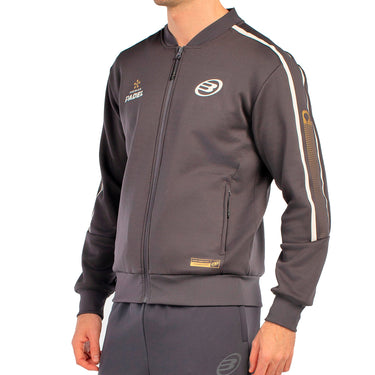
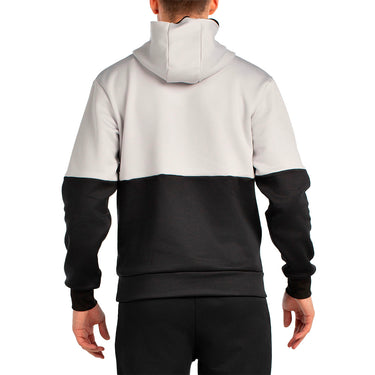
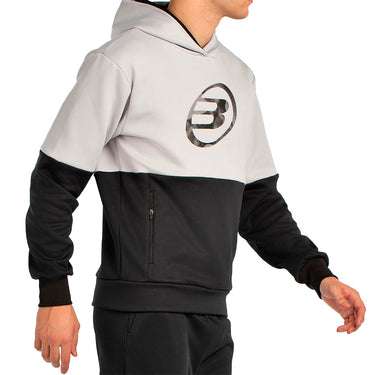
Here is Padel Market’s complete catalogue of padel clothing, with garments for men, women, junior and unisex. The category brings together T-shirts, shorts, trousers, skirts, leggings, dresses, socks, sweatshirts and outerwear, and can be filtered by garment type, brand, size, colour and season. The brand filter includes manufacturers such as Adidas, Asics, Babolat, Belén Berbel, Bullpadel, Drop Shot, Head, Lok, Nox and Puma.
The difference between padel clothing and generic sportswear is how it performs under the specific demands of this sport: short, intense points, overhead arm actions and many deep leg bends. That affects the fabric, the cut and the seams far more than the garment’s appearance suggests.
How to choose your padel equipment
The fabric: why cotton doesn’t work on court
Technical fabrics move moisture to the outer surface of the garment, where it can evaporate. Cotton does the opposite: it retains moisture, gains weight and sticks to the body. Over one and a half hours of play the difference is noticeable in comfort and body temperature. For playing, prioritise technical fabrics and leave cotton for streetwear.
Fabrics: what’s behind “technical”
Most padel equipment is built on polyester, often with a proportion of elastane for stretch. That combination aims for three things at once: lightness, comfort against the skin and quick drying. The exact composition varies by garment and appears on its product page, so if the precise percentage matters to you it’s best to check there rather than assume it from the brand.
The cut and freedom of movement
A T-shirt that is too tight at the armhole limits the smash; one that is too loose gets in the way on the volley. In trousers and shorts, the critical point is the inseam: if it doesn’t allow a wide stride it will pull on every drop shot. Skirts for padel usually include an inner short, although not all do: if that is a requirement for you, check the garment’s product page.
Pockets: a small detail that matters
In padel you serve holding the ball and play the second serve with a second ball on top. A pocket deep enough that the ball doesn’t fall out when you run is one of those things you only notice when it’s missing.
Season and climate
For outdoor courts in summer, choose lightweight garments with short sleeves or straps. For winter or outdoor courts early in the morning, follow the layering logic: a technical base layer and a sweatshirt or jacket on top that you can remove once you warm up, rather than a single thick garment that will be too hot halfway through the match.
What padel asks of clothing
A padel match combines short, explosive points with brief breaks, almost always outdoors and often in warm conditions. In one and a half hours of play a lot of sweat builds up, and the garment you wear decides whether that becomes uncomfortable or goes unnoticed.
That is why functionality comes before design in this category: what matters is how the fabric behaves with moisture, how the cut supports overhead movements and leg bends, and how well the seams withstand the rubbing of match play. Style comes after that, and there is plenty of choice once the functional requirements are met.
Fabric technology, in plain language
Most equipment is made from polyester, sometimes with elastane to provide stretch. Polyester does not absorb water: it transports it to the outside face of the garment, where it evaporates. Elastane allows the fabric to stretch and recover its shape, which is what prevents a close-fitting garment from restricting movement.
Two practical points. Fabric weight matters as much as composition: a lighter fabric breathes better and a denser one withstands more washes. Mesh panels or ventilation zones on the back and under the arms are the simplest way to improve airflow where you sweat most. The exact composition of each item appears on its product page, so if the percentage matters check there rather than assume it from the brand.
Seams, construction and lifespan
This is the area that most separates a quality garment from one that only looks good. Flat seams reduce chafing at the shoulders and crotch, where blisters appear in long matches. Reinforced seams at stress points — armhole, crotch, waist — are what extend a garment’s life when you play several times a week.
If you’ve ever had a technical T-shirt that starts to smell even though it comes out of the wash clean, the cause is often care rather than the fabric: residue from fabric softener and drying at high temperature degrade fibres and trap bacteria.
Sleeves, cuts and fit
Sleeve type alters the feel on court. Short sleeves are the standard, most versatile option. Straps ventilate more and give complete freedom at the shoulder, working well outdoors in heat. Long sleeves make sense in winter, on uncovered courts and in early-morning sessions, and also as a base layer under a sweatshirt.
There are two schools on fit. A closer cut follows movement and doesn’t interfere with the volley; a looser fit breathes better and is more comfortable if you don’t like tight clothing. Neither is inherently better: what must not happen is that the garment pulls when you raise your arm above your head.
Garment by garment: what to look for in each
T-shirts and polos
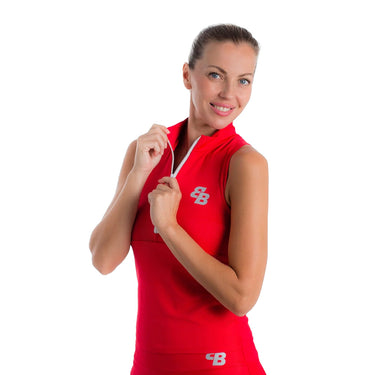
These garments renew most often. Besides the fabric, check the armhole: if it pinches, you will feel it in every smash. Many people who play several times a week own two or three so they aren’t dependent on the wash cycle, and an extra one in the bag for a mid-match change when it gets hot.
Shorts and trousers
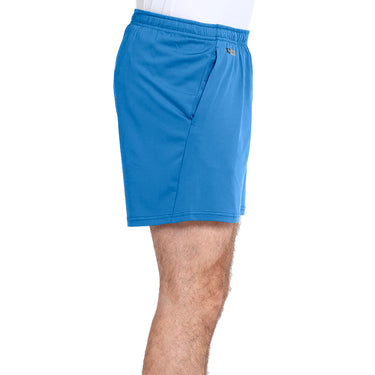
The critical point is the rise and inseam: if they don’t allow a wide stride they will pull on every drop shot. The other decisive detail is the pockets, which in padel are not just decorative: they must be deep enough to carry the ball for the second serve without it falling out when you run. Length is a matter of preference, and an elastic waistband with wrist strap is what stops you having to adjust the garment between points.
Skirts, skirt-shorts and leggings
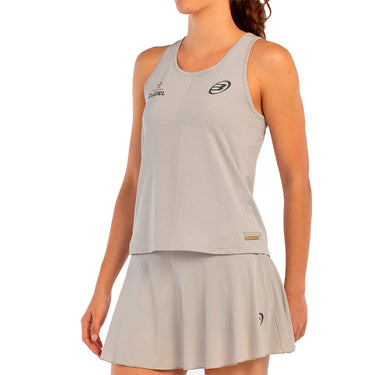
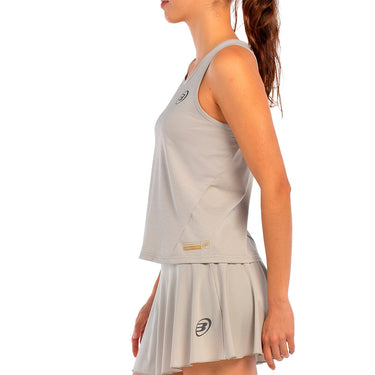
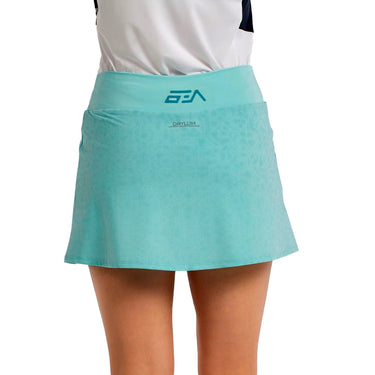
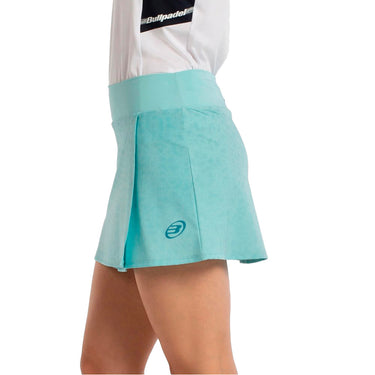
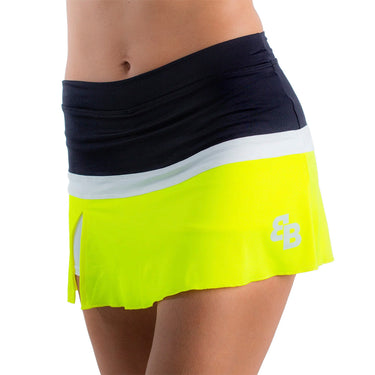
Skirts for padel usually include an inner short, although not always and not uniformly by brand: it is shown on each model’s product page. Leggings, full-length or capri, provide muscle support and are the usual choice in winter or for those who prefer not to have the leg exposed. In both cases, check that the fabric is not transparent when stretched — that is the most frequent complaint.
Dresses
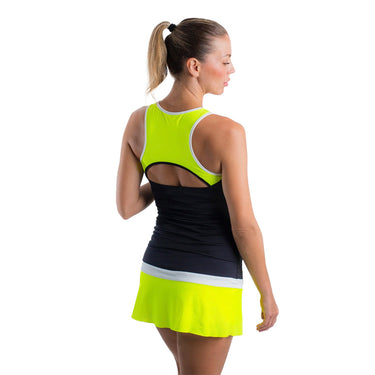
Dresses combine top and bottom in a single piece, with an inner short in most models. They ventilate well and are comfortable in heat; the item to check is the support at the upper part, which varies greatly by design.
Sweatshirts, jackets and outerwear
The logic in winter is layering: a technical base garment and a sweatshirt or jacket on top that you can remove once you warm up, rather than a single bulky item that will be too hot mid-match. For uncovered courts, a windproof jacket offers more than a heavier-weight sweatshirt.
Socks
They are the most ignored garment and one of the biggest factors in comfort. Technical padel socks typically have reinforcement at the heel and sole and a thinner zone over the instep for ventilation. A cotton sock that becomes saturated is a common cause of blisters.
Accessories
Caps, visors, wristbands and wrist straps complete the equipment and have a specific function beyond style: to keep sweat out of the eyes and off the hand that grips the racket. You can find them grouped in the accessories category.
Depending on when, where and how often you play
Playing outdoors shapes selection more than playing level. In heat, prioritise lightweight garments with short sleeves or straps and ventilation zones. Indoors, wind ceases to be a factor and it is often warmer than it seems, so the logic is similar. In winter and early hours, layer up.
Frequency also matters. If you play once a week, almost any technical garment will do. If you train and compete several times a week, wear and tear is real and it pays to check seams and fabric weight, as these are the two things that determine how many washes a T-shirt will withstand before losing shape.
Amateurs, competition and junior
The differences between the clothing used by professionals on tour and what an amateur player buys are smaller than they seem: in many cases they are the same commercial lines. What changes is the amount of use, and therefore the durability required of the garment.
For junior players, the most useful rule is simple: technical, comfortable garments with a pocket for the ball that don’t limit movement. And accept that the size will likely last one season, not three.
Design, colours and style
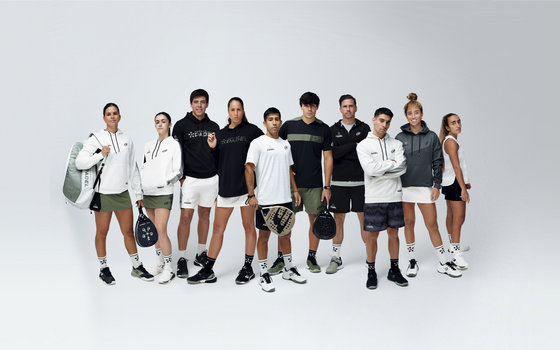
Once the functional part is covered, aesthetics matter a lot in padel. The category includes neutral colours and bright pieces, coordinated sets that match T-shirts and trousers, and collections carrying each brand’s image. The colour filter lets you narrow down results if you are looking for something specific, and the season filter if you prefer the latest or are interested in a previous campaign.
Garments and collections within the category
If you already know what you’re looking for, you can filter by gender with padel clothing for men or padel clothing for women, and by specific garment with trousers for men or outerwear.
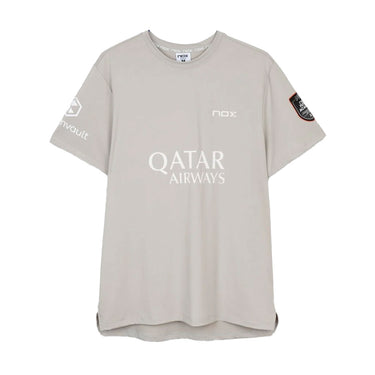
By brand you have own collections such as Bullpadel clothing or Babolat clothing. And if you’re interested in garments associated with the professional circuit, the pro players’ shirts collection groups references linked to players on the Premier Padel tour.
How to care for padel clothing so it lasts
Four rules cover almost everything. Wash in cold or lukewarm water, because heat degrades elastic fibres. Do not use fabric softener: it leaves a film that blocks the fabric and ruins the moisture-wicking ability you paid for. Avoid the tumble dryer and air-dry away from a radiator. Turn garments inside out before washing to protect prints.
One more detail: don’t leave sweaty clothing in your bag until the next day. That is what causes the persistent odour that a normal wash won’t remove afterwards.
Frequently asked questions about padel clothing
Is tennis clothing OK for playing padel?
Largely yes: fabrics and cuts are very similar and many brands share lines between both sports. The practical difference is in details such as pocket depth, designed in padel to hold the ball for the second serve.
How do you wash technical clothing without damaging it?
Cold or lukewarm water, no fabric softener and no tumble dryer. Softener leaves a film that blocks the fibres and negates the moisture-wicking ability you paid for. Turning the garment inside out before washing helps preserve prints.
What size should I choose if I’m between two?
It depends on the brand’s cut, which varies a lot. As a guideline, for playing you want a garment that doesn’t pull at the shoulder when you raise your arm above your head; if you’re unsure and usually play in heat, the larger size typically works better than a tight one.
What garments are specifically for women?
The garment type filter includes skirts, leggings and dresses in addition to T-shirts, shorts and sweatshirts, and the audience filter can narrow the catalogue to women. Within T-shirts you will find both short-sleeve and strap cuts, which make a big difference outdoors in hot conditions.
Do padel skirts include an inner short?
Many do, but it is not universal nor is it systematic by brand. It is a detail shown on each model’s product page, so check it before buying if it matters to you.
Top Ventas
Padel Market’s best-selling products.