



Filter and sort 343 products
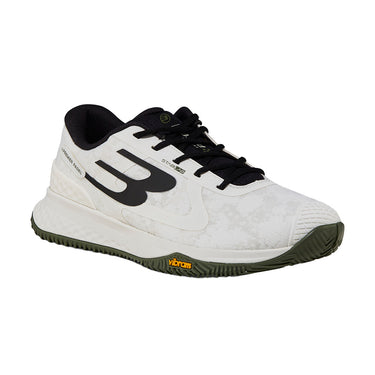
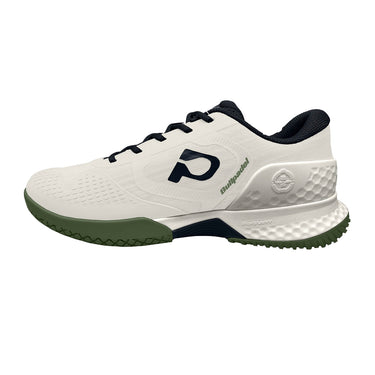
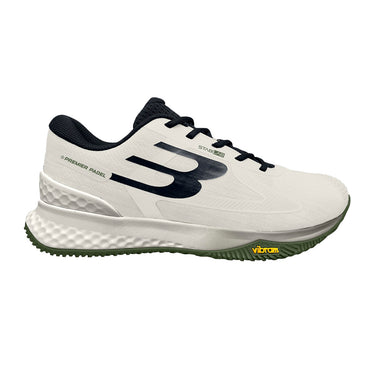
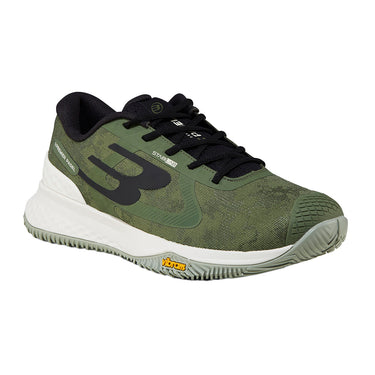
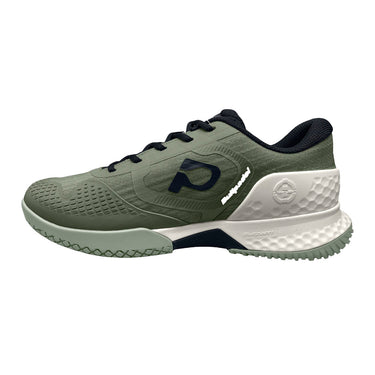
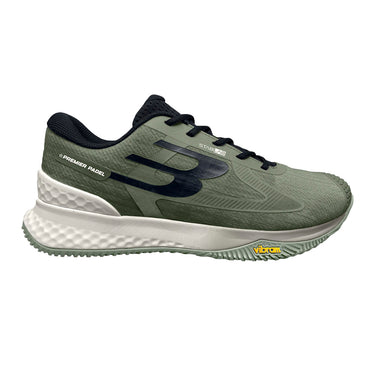


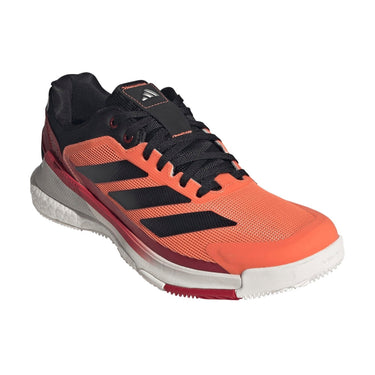
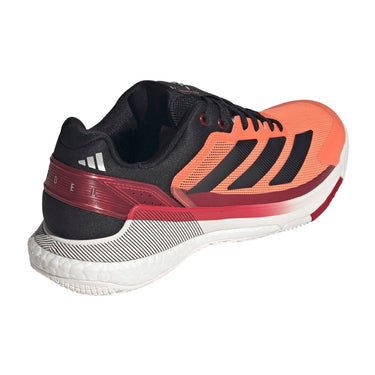
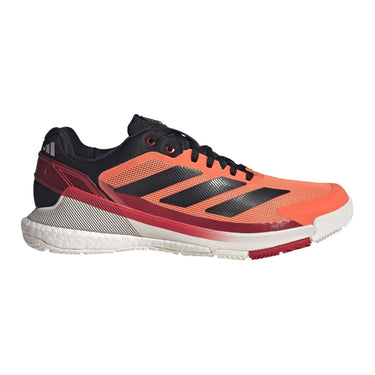

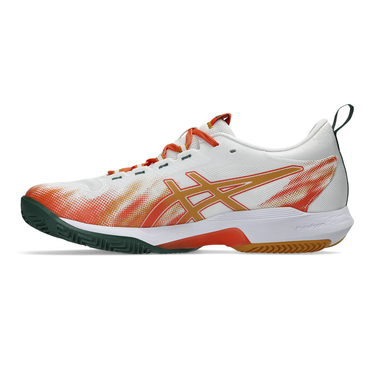
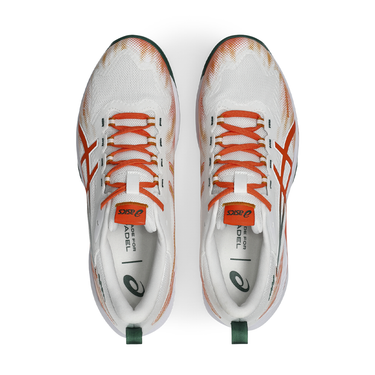
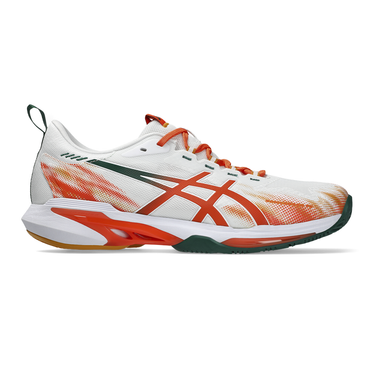
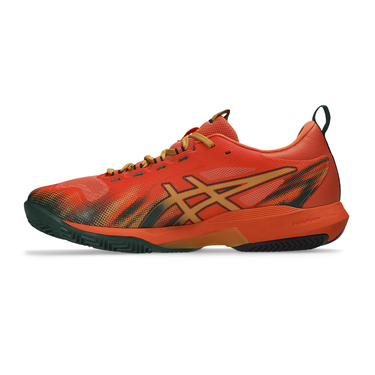
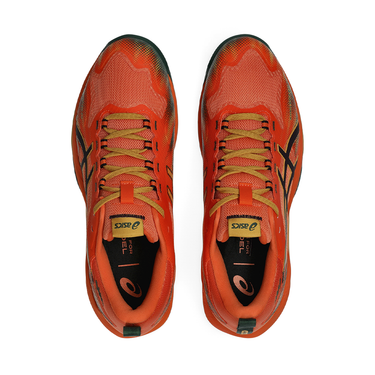
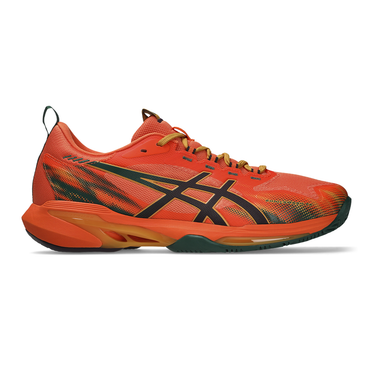
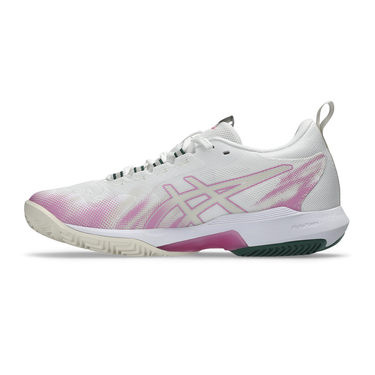
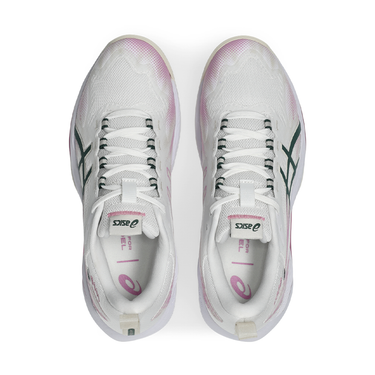
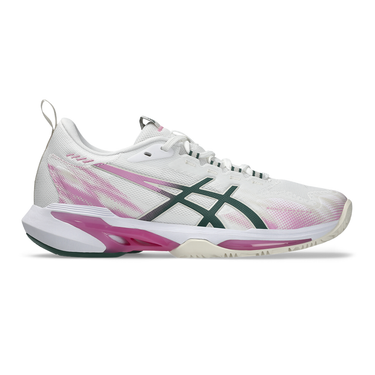
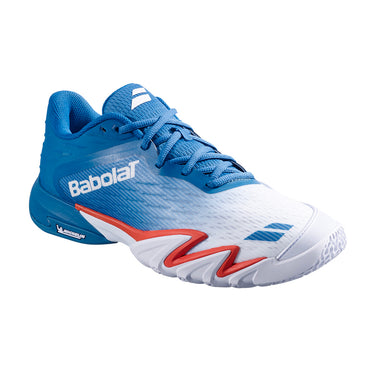
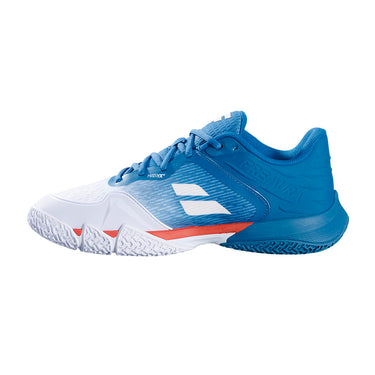

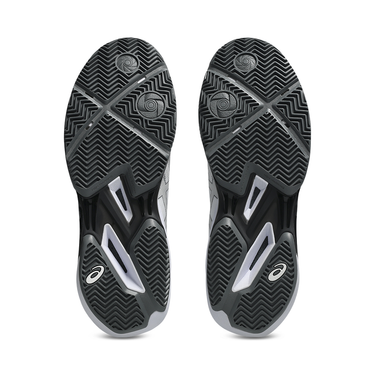
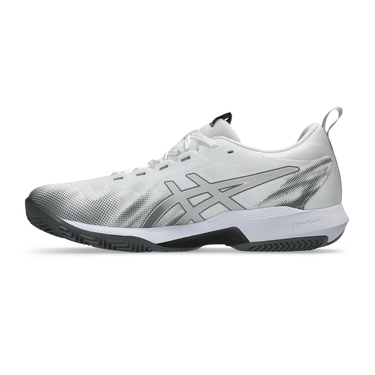
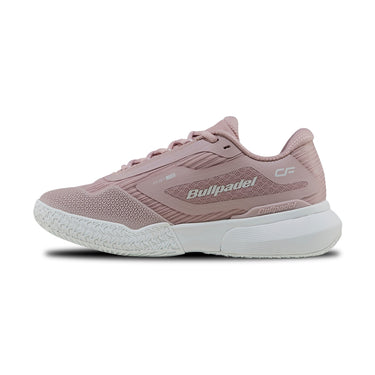

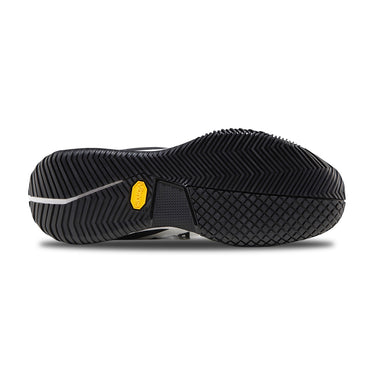
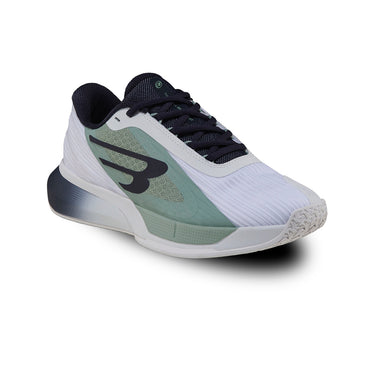
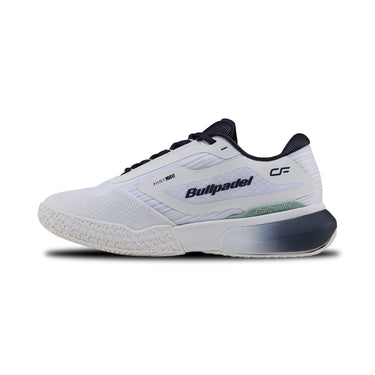


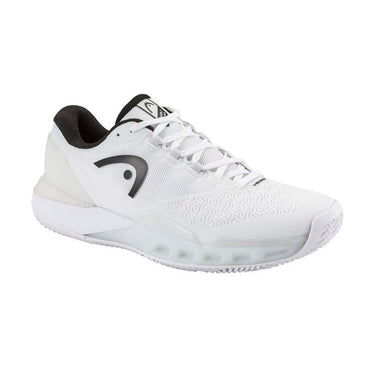


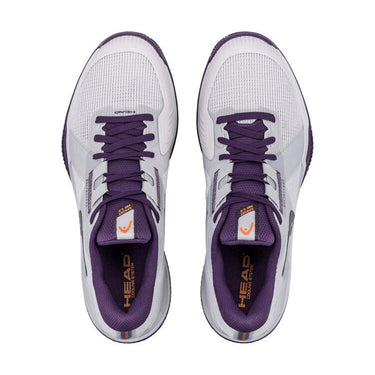

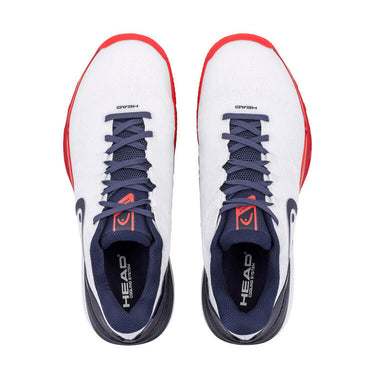
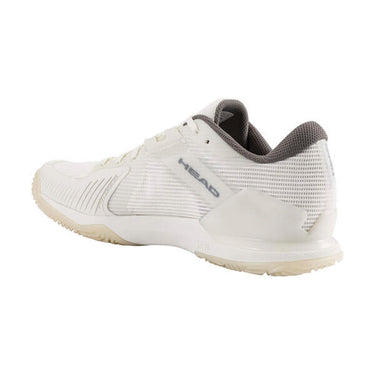
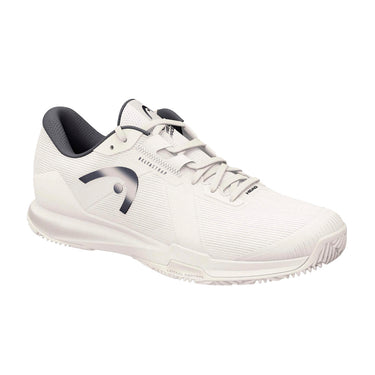


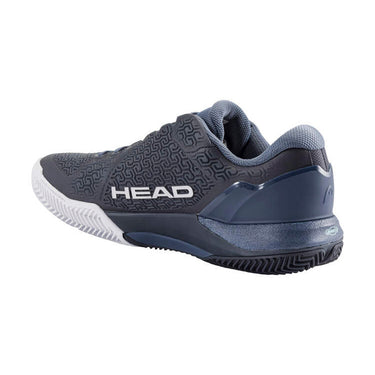
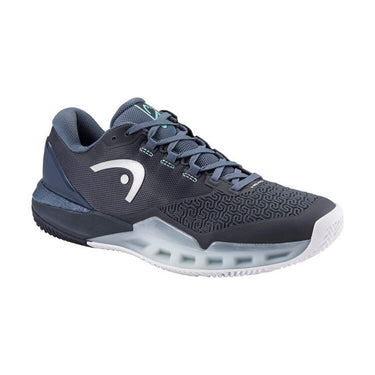

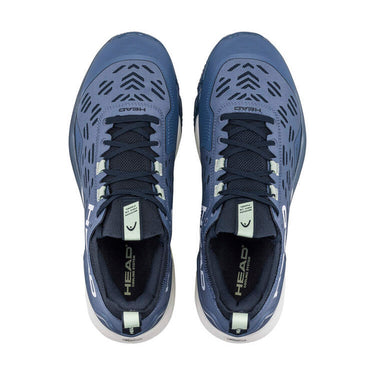

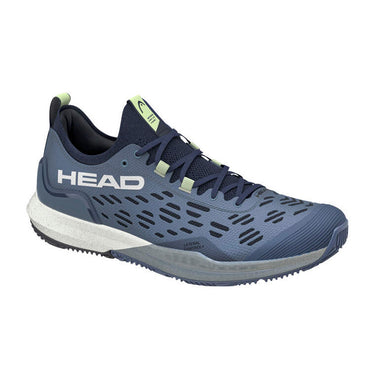


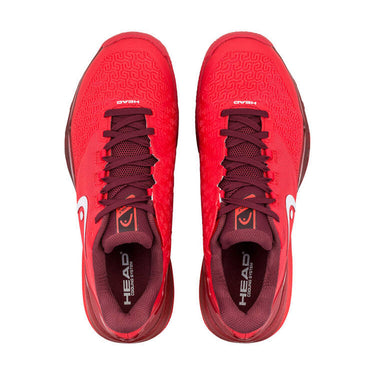



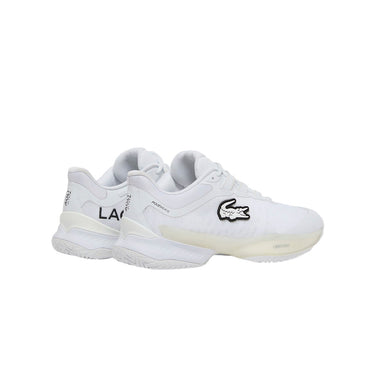
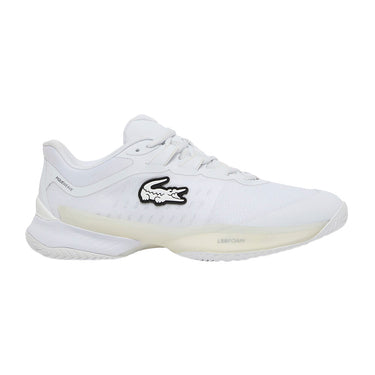
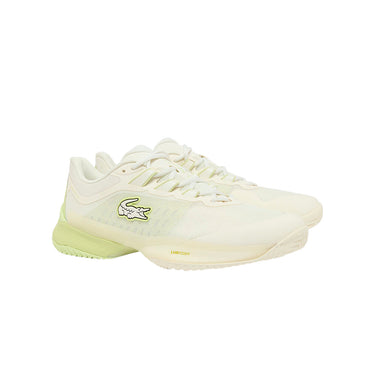

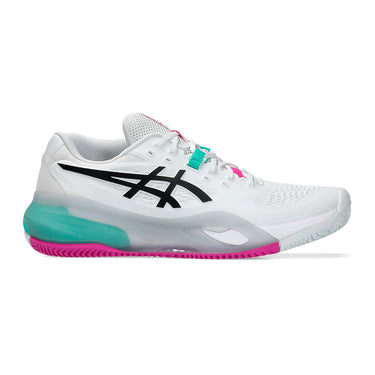
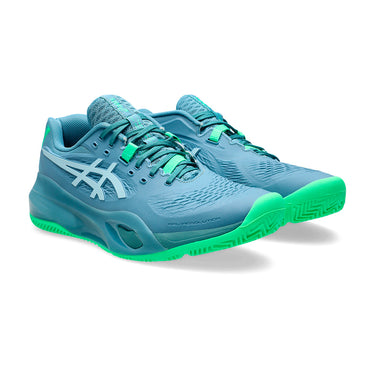

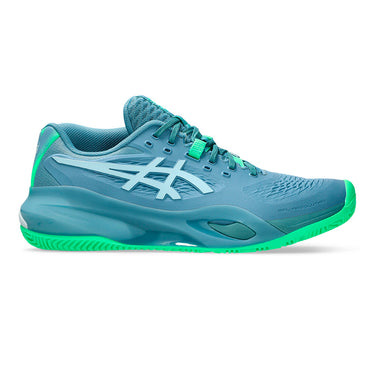

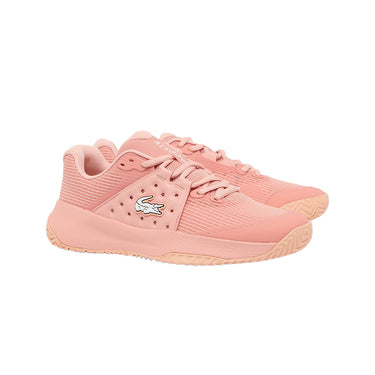
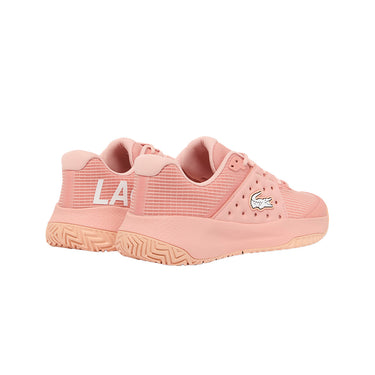
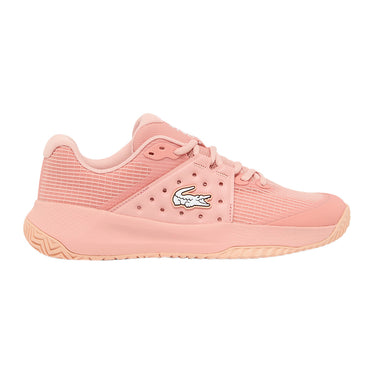
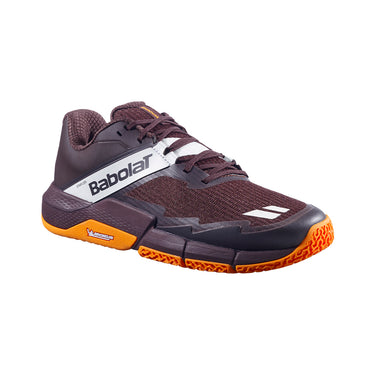
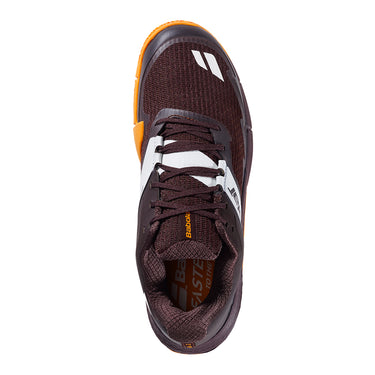

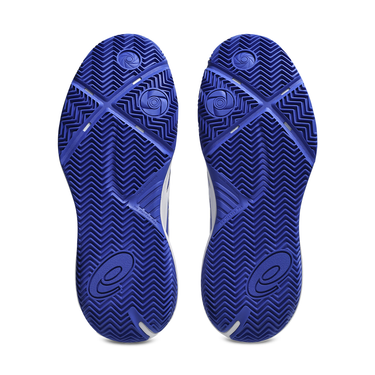
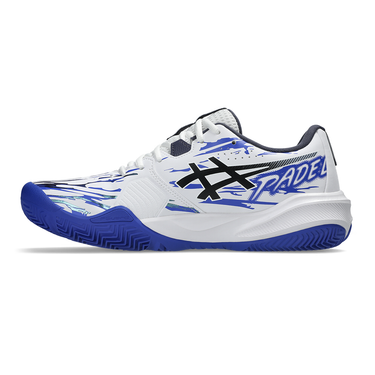
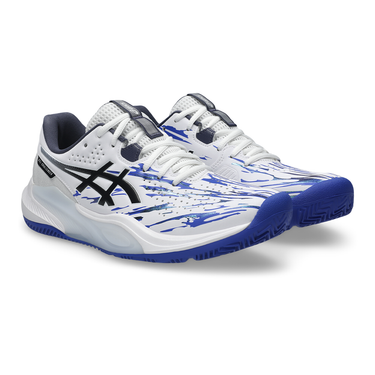
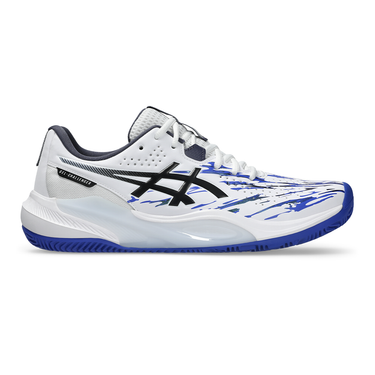
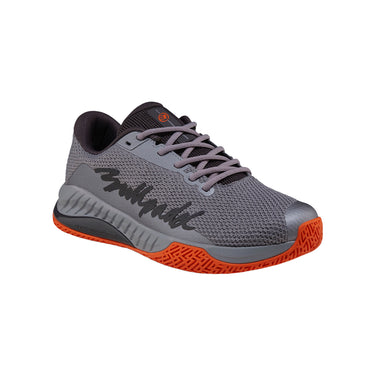
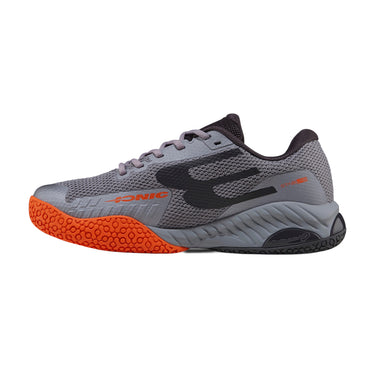
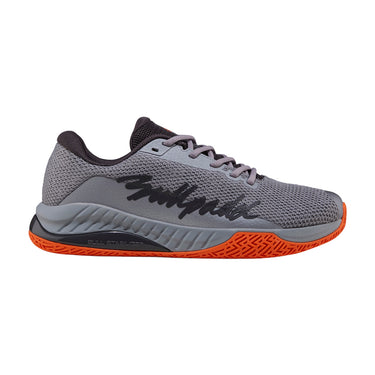
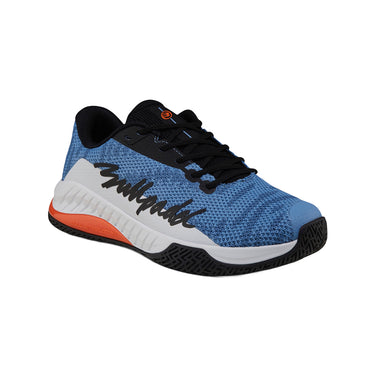
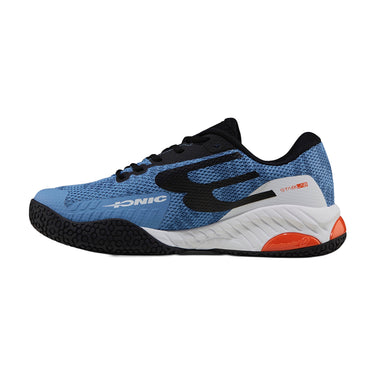
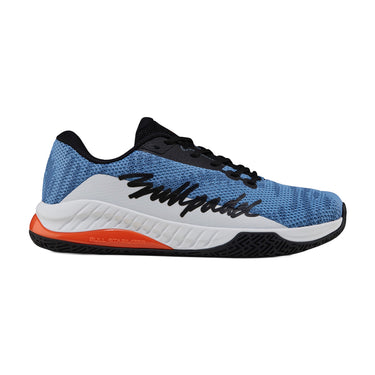
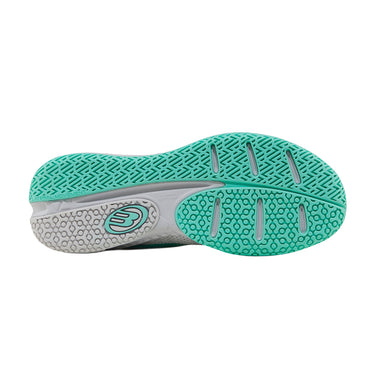
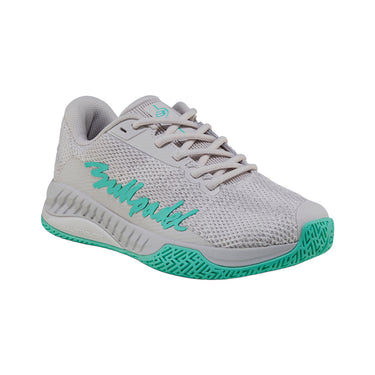
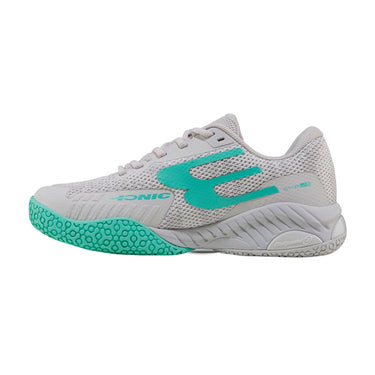
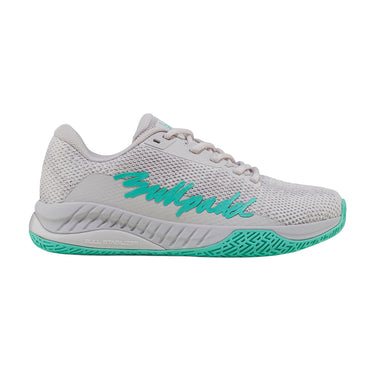
Padel shoes: why specific footwear matters
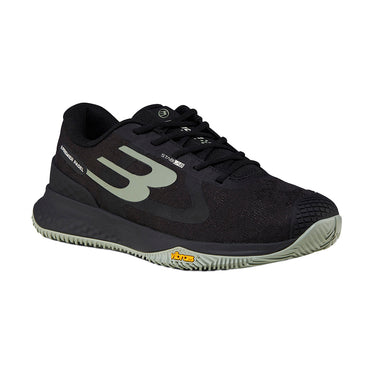
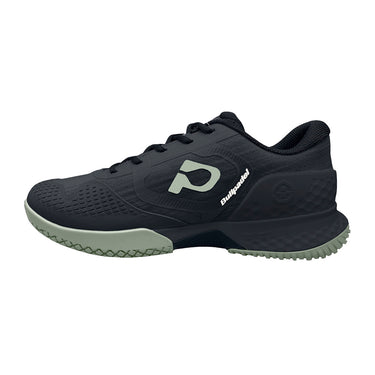
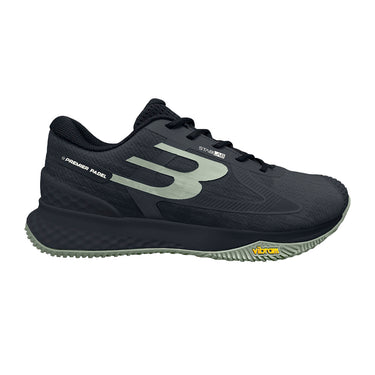
Padel shoes are the second most influential piece of equipment for your game, and the first in terms of injury prevention. Padel is played with short lateral movements, abrupt stops and constant changes of direction on a surface that grips differently from a tennis court or an indoor hall. Running shoes, designed to move forward in a straight line, do not hold the foot during those lateral supports.
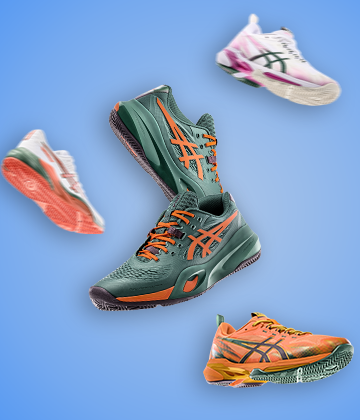
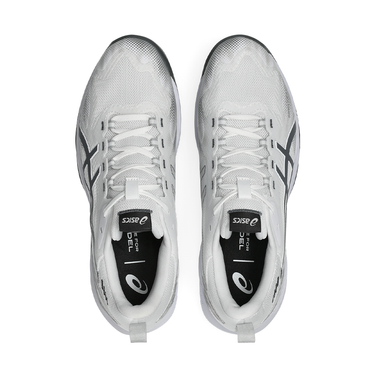
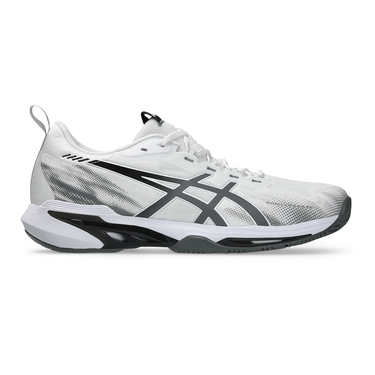
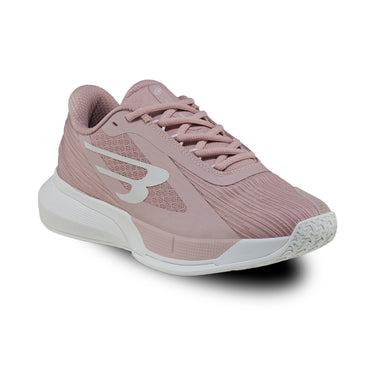
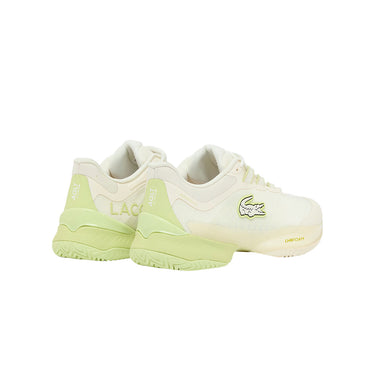
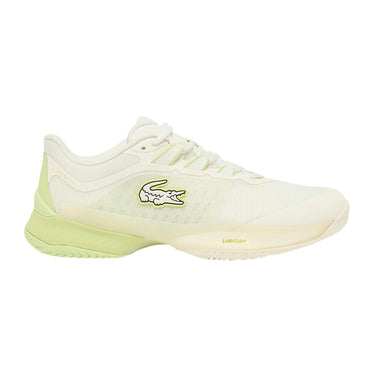
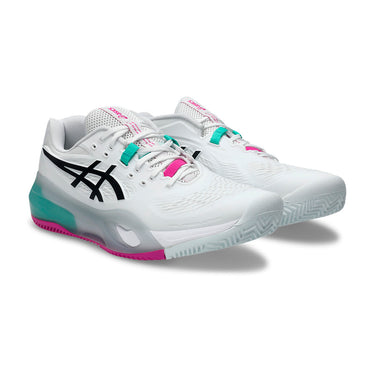
In this category you have the full catalogue of padel shoes for men, women and juniors, with filters by sole type, brand, size, colour and season. The brand filter includes manufacturers such as Adidas, Asics, Babolat, Bullpadel, Drop Shot, Head, Joma, Lacoste, Nox and Wilson. If you search for “padel shoes” or “padel trainers”, it’s the same page: colloquial ways of referring to the same product.
The category offering is wide, so the page is designed to narrow the choice: first decide which sole type and what level of cushioning you need, then apply the filters to leave only the models that fit.
What padel requires from padel shoes
It’s worth understanding the movement before looking at models. A point of padel is a succession of short starts, stops and changes of direction in a space of around twenty by ten metres. You almost never run more than four or five steps in a row, but you stop and react dozens of times per game.
From that come the three demands on the footwear. It needs traction so the foot does not slip on a stop, lateral stability so the foot does not move inside the shoe when pushing sideways, and reinforcement in the areas that rub against the surface. A running shoe handles vertical impact well and the other three poorly, which is why ankle sprains are the most common injury for players using unsuitable footwear.
How to choose your padel shoes
Start with the sole type
This is the filter with the biggest difference between shoes and the one you should decide first because it depends on where you usually play.
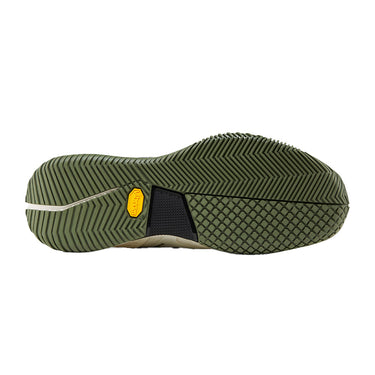
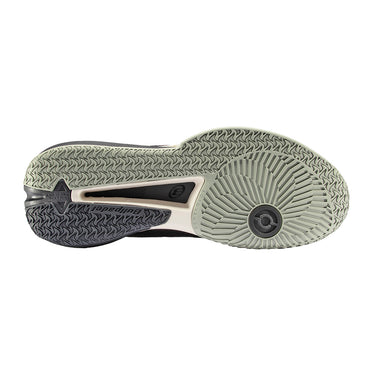
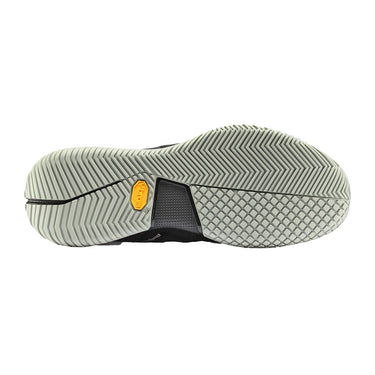
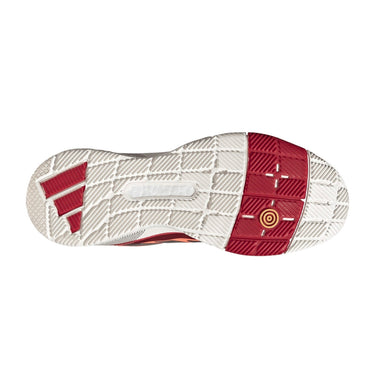
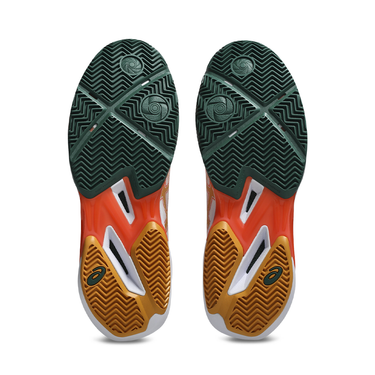
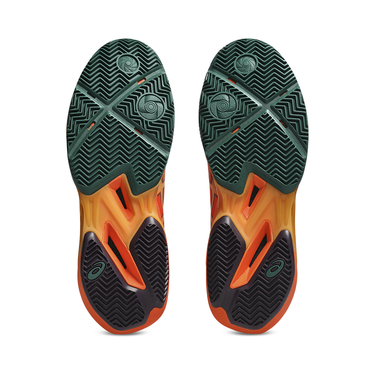
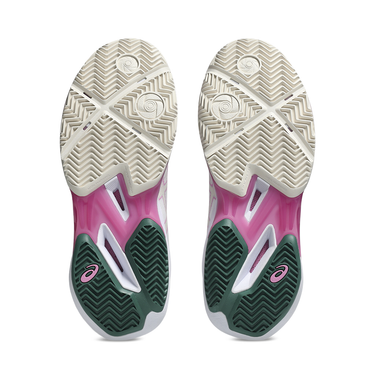
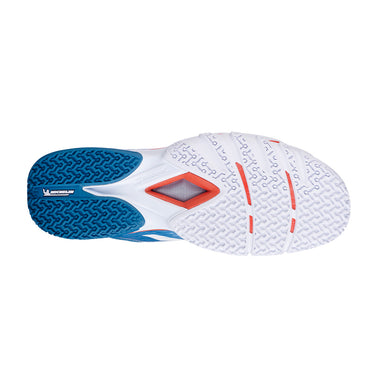
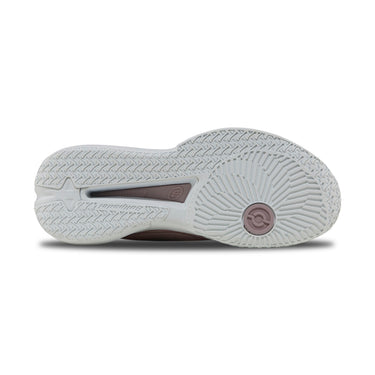
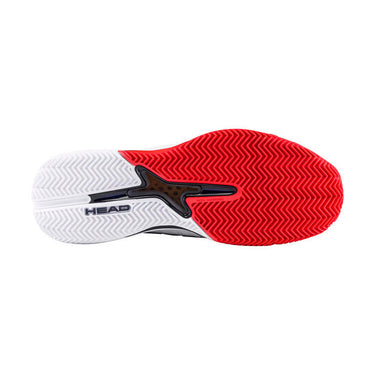
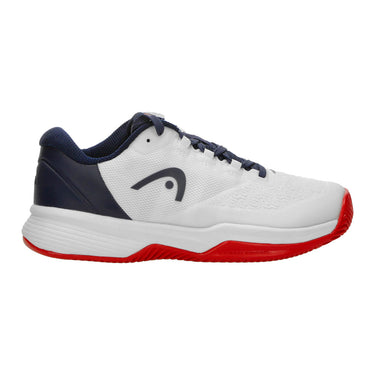
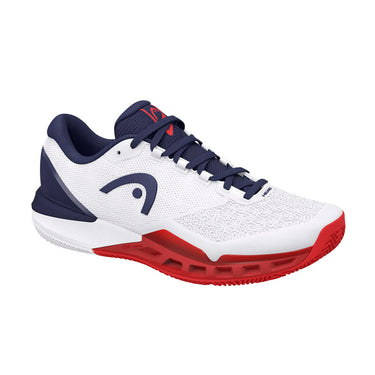
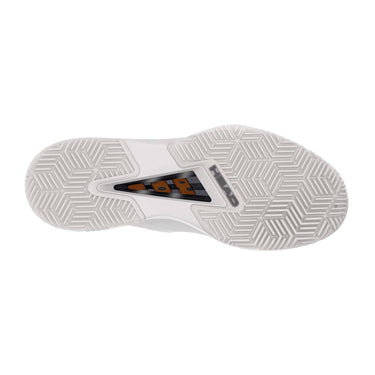
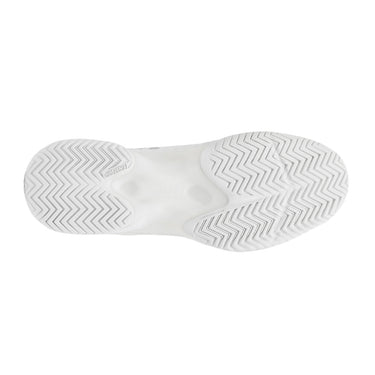
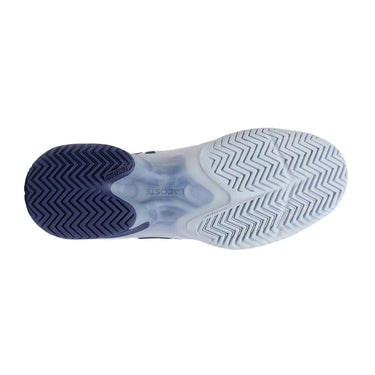
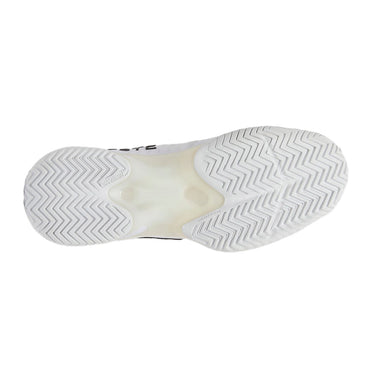
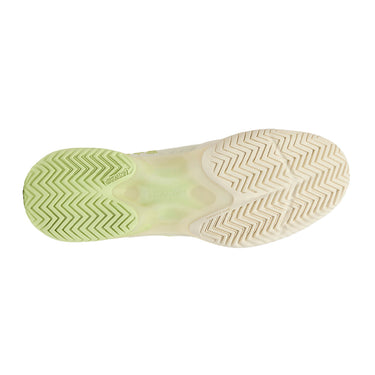
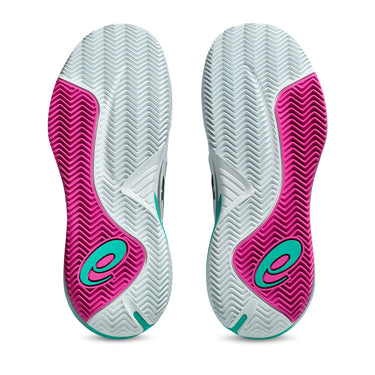
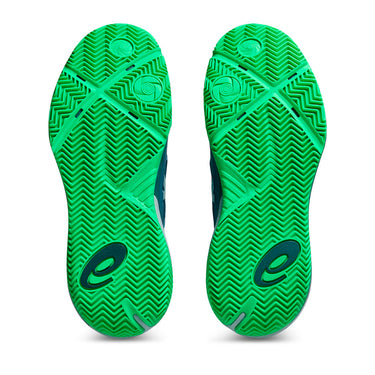
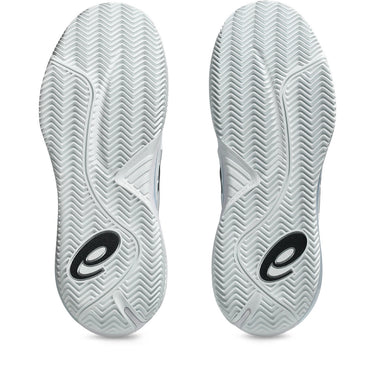
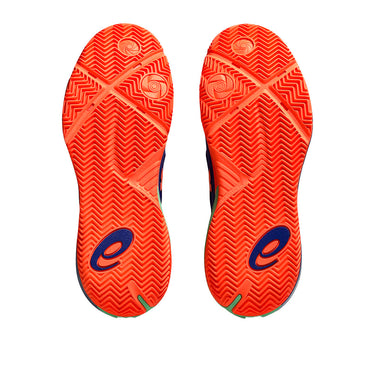
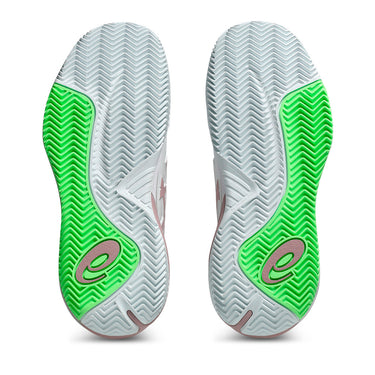
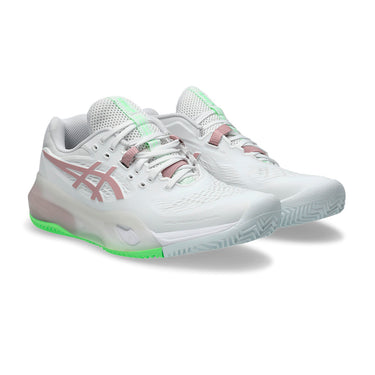
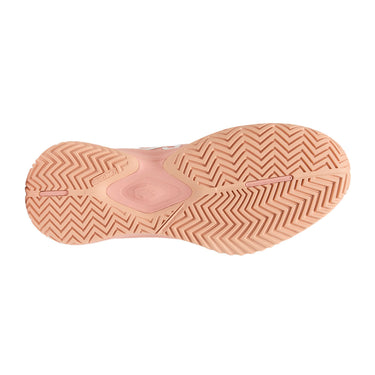
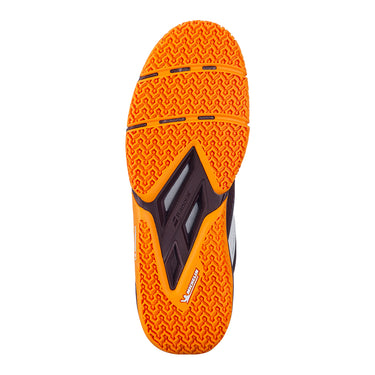
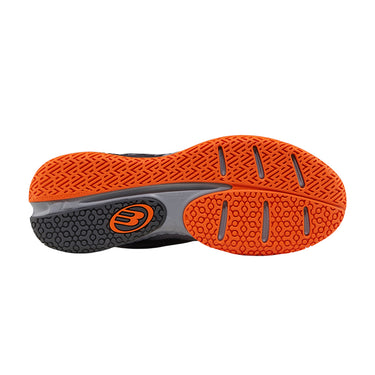
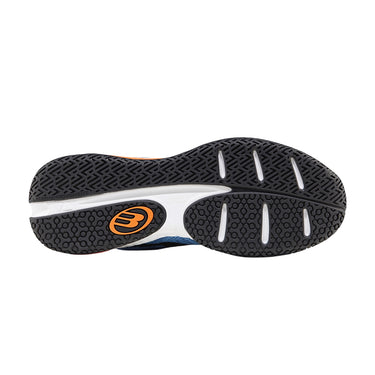
- Clay: the zigzag pattern clears sand and bites on loose surfaces. It is the most widespread pattern on sand-based artificial grass courts, and the one that works best when the court is well covered with sand.
- All court: combines clay zones with continuous tread areas. It’s the versatile option if you alternate between courts with different surfaces or don’t always play at the same club.
- Omni: pattern of many small studs, designed for surfaces with more loose sand. It spreads grip across many contact points instead of concentrating it in a zigzag.
- Padel Sole: designs developed specifically for padel, with the pattern concentrated in the areas of greatest wear for this sport, especially the forefoot and the outer edge.
If in doubt, look at the soles of the shoes of people who play at your club: the surface matters more than the brand. And if you play at two or three different venues, the all court option is usually the least risky decision.
The rubber compound of the sole and its durability
Besides the tread pattern, the rubber compound determines how much it grips and how long it lasts. A softer compound bites better and wears faster; a harder compound lasts longer and offers slightly less bite. On very abrasive courts the difference between two compounds is noticeable in weeks, not months. Some models reinforce the outer forefoot with tougher rubber, which is where the tread first flattens.
Stability and lateral support
This is what separates padel footwear from a sports shoe that looks similar. Reinforcements in the midfoot and on the outer side, and heel stabilisers, prevent the foot from moving inside the shoe during a sudden support. When that support fails, the ankle takes the displacement and the risk of a twist appears.
A practical check when trying them on: tilt your foot to the side as if stopping on a cross ball and notice whether the foot moves inside the shoe or the shoe moves with you. The latter is what should happen.
Cushioning and midsole
Under the foot and above the sole there is a component that almost no one checks on the product page: the midsole, usually made from EVA-type foams. It is responsible for absorbing the impact of each stop and explains why two models with the same sole can tire you very differently in a long match.
- Denser midsole: returns more energy, gives a feeling of speed and transmits ground information better. It tires you more in long sessions.
- Softer midsole: cushions better, protects the joints and is more comfortable in long matches, at the cost of a slightly less immediate response.
If you play several times a week or have knee discomfort, the second option usually pays off even if you lose a little agility.
The upper: breathability and containment
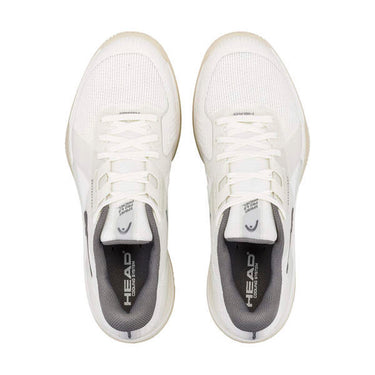
The upper decides two things at once. On the one hand, how much the foot breathes: more open mesh vents better and is more comfortable in summer and in indoor courts. On the other hand, how much containment it provides: thermobonded reinforcements and lateral stabilisers better withstand the traction of the support, at the expense of some lightness. That’s the real compromise in the category: agility versus durability and support.
Toe reinforcement
This is the area that rubs against the court when dragging the foot on volleys and when moving to the net, and where padel shoes wear out first. Models intended for intensive use include specific reinforcement there. If, when you look at your current shoes, you see the toe worn down to the inner material, that should influence your next purchase.
Last, fit and size
The last varies considerably between brands: the same size can fit narrower or wider depending on the manufacturer. If you come from another brand, it’s worth checking the size guide before choosing, especially if you have a wide foot or use insoles.
Two practical references. There should be approximately a thumb’s width of space between the longest toe and the tip, because the foot moves forward on stops. And the heel must not lift when you walk: if it does, the support will fail in lateral movements.
Weight and agility
A lightweight model gives agility and speed on the first step, and is appreciated in net play where everything is decided in two supports. A heavier one usually has more reinforcement and more rubber, and therefore lasts longer and holds better. As with most things, the right balance depends on how many hours you play and how you support.
Ranges: what changes between shoes
Within the category there are very different options, and price usually reflects three concrete things: the materials of the upper, the midsole cushioning system and the amount of reinforcements.
- Entry range: cover the essentials, with a padel-specific sole and correct support. They are the logical choice if you play occasionally or are starting out.
- Mid range: add lateral reinforcements, better breathability and a midsole with more travel. It’s the balance point for someone who plays once or twice a week.
- High range: concentrate a brand’s technologies in cushioning, stability and durability, with lighter and more resistant materials. They make sense when you play several matches and trainings per week and wear is the deciding factor.
Put another way: the range doesn’t decide whether shoes are good; it decides how many hours of performance and comfort you will get before needing to replace them.
How often you play per week
Frequency of play is the factor that organises the choice more than level. With one or two matches per week, needs are covered by almost any padel-specific model. From three or four sessions including matches and trainings, repeated movements wear the sole and compress the midsole foam much sooner, and that’s where it pays to move up a range: not for extra performance so much as for durability and breathability in long sessions.
Choose according to your profile
Men and women
The main difference is the last: women’s models usually have a narrower forefoot and a narrower heel. Sole and cushioning technology are usually the same within a given line, so it is not a lower-spec version but a different fit.
Junior
The audience filter includes junior sizes. For growing children, the temptation to buy a size up so they last longer is costly: the foot moves inside the shoe precisely on lateral supports, which is where sprains occur. It’s better to fit the size and accept replacing them sooner.
According to your position and style of play
Players who spend a lot of time at the net make more short, explosive movements and usually appreciate lightness and a sole that bites on the first step. Players who defend from the back cover more ground and stop more often, so cushioning and sole durability matter more. If you play long matches or double sessions, prioritise the latter.
If you have a wide foot or use insoles
Look for models with a wide last and a removable insole, which allows you to swap it for yours without losing internal volume. In these cases, the size you normally wear can be short in width even if it’s fine in length.
Shoes by brand, by sole and by player
The catalogue can also be browsed from other collections. By sole type you have the all court shoes page; by brand, collections like Adidas shoes, Asics shoes or Lacoste shoes. If you search by gender, padel shoes for men gathers the most-searched filter in the category.
And if you are renewing the whole kit, at Padel Market you can complete your equipment from the clothing, bags and accessories categories, where you will find the products that accompany footwear in every match.
And if you’re interested in the footwear seen on the tour, the shoes of professional players collection groups models associated with active professionals. The player filter includes familiar Premier Padel names such as Agustín Tapia, Ale Galán, Paquito Navarro, Bea González and Delfi Brea.
When to replace them and how to extend their life
There’s no fixed number of hours: it depends on the sole compound, your weight and how abrasive your court is. The three reliable signs are a sole with the tread worn smooth, a toe worn down to the inner material and the feeling that the foot moves inside the shoe during changes of direction. That third is the most important because it increases injury risk.
To extend their life: don’t use them off court, because tarmac wears the tread much faster than artificial grass; shake out the sand after playing, as it acts like sandpaper inside the grooves; and let them dry in the air, never next to a heat source, which hardens the rubber and the adhesives.
Common mistakes when buying padel shoes
- Choosing the model before the sole. An excellent model with the wrong pattern for your court grips worse than a simple one with the correct pattern.
- Buying your usual size without checking the last. It varies a lot between brands and is the main cause of returns.
- Extending their use for too long. When support fails, the saving proves expensive.
- Confusing hard-court tennis footwear with padel footwear. It doesn’t clear sand and increases tension on the knee.
- Using them as street shoes. It’s the fastest way to wear the sole that gives you grip.
Frequently asked questions about padel shoes
Can I play padel with running shoes?
You can, but it’s not recommended. Running shoes are designed for vertical impact and straight-line running, and lack the lateral support that padel requires. Also, their sole does not clear sand, so they slip more than it seems.
What sole do I need if I play on artificial grass with sand?
Clay is the sole that best clears sand and gives the most grip on that type of court. If you alternate with less sandy courts or with indoor courts, all court is the safest option.
How often should they be replaced?
There’s no fixed number: it depends on hours of play, your weight and how aggressive your support is. Clear signs are a tread worn smooth, a toe worn through and the feeling that the foot moves inside the shoe.
Are the same shoes suitable for tennis and padel?
They share a lot in terms of lateral stability, but not in the sole. Tennis soles for clay courts and padel soles are similar, while hard-court tennis soles don’t clear sand and grip too much, which increases knee tension.
What is the difference between men’s and women’s models?
Mainly the last: women’s models normally have a narrower forefoot and a narrower heel. Sole and cushioning technology are usually the same within a given line.
Which are the best padel shoes?
It depends on where you play and how you support, so there is no universal answer. What can be said is what makes shoes right for you: a sole pattern that fits your court, a last that fits without pinching and a level of cushioning suited to the hours you play.
Is it worth buying padel shoes from the previous season?
Yes, if your size is available. In footwear, a previous season does not imply worse performance; it means less variety of sizes and colours as stock runs down.
Are specific insoles necessary?
For most players no. If you use insoles by prescription, the relevant thing is to choose a model with a removable insole so you can replace it without losing internal volume.
Top Ventas
Padel Market’s best-selling products.