



Padel balls are the most underrated piece of kit, yet one of the things that changes the game the most. They are the consumable that wears out fastest, and still hardly anyone stops to choose them carefully. In this guide we explain how they are made, what the rules say, how pressurised balls differ from pressureless ones, how weather and court conditions affect them, and how to choose the best padel balls for your game.
What padel balls are like on the inside
A padel ball has a rubber core and a felt cover. The core determines bounce and speed; the felt affects grip, spin and durability. Good-quality felt stands up better to wear and takes longer to go "fluffy", which is the first thing to fail on budget balls.
Are padel balls and tennis balls the same?
At first glance they look very alike, but they are not the same. A padel ball has lower internal pressure, so it bounces lower and rallies last longer. With a tennis ball the bounce is higher, the ball comes off the walls faster and the game changes completely, especially in defence and when playing the ball off the back wall.
Official dimensions and FIP approval
The rules of the International Padel Federation (FIP) set out the characteristics of the official ball:
| Characteristic | Regulation value |
|---|---|
| Diameter | 6.35–6.77 cm |
| Weight | 56.0–59.4 g |
| Bounce | 135–145 cm when dropped from 2.54 m |
| Internal pressure | 4.6–5.2 kg per 2.54 cm² |
| Colour | White, yellow or another colour that contrasts with the court |
For playing at altitude (above 800 m) there is a specific ball with a lower bounce. If you play official competitions, check that the ball is approved.
Pressurised or pressureless: the two types
Pressurised balls deliver a lively, dynamic bounce. They are the competition balls and the ones that feel best, but they lose pressure with use and over time once the tube has been opened.
Pressureless balls are more durable and consistent. They last for many more matches and are the logical choice for training, lessons and ball machines, where durability matters more than peak performance.
Fast or slow balls
Brands usually offer faster versions, with more pace and a livelier bounce, alongside more controlled versions. Fast balls reward attacking play and smashes; more controlled balls lengthen the rallies and give you time to get into position. If you are just starting out, a more controlled ball will help you more than the fastest one on the market.
How weather and court conditions affect the ball
Temperature has a bigger effect than you might think. In the cold the rubber hardens and the ball loses bounce: play becomes slow and heavy. In the heat the internal pressure rises and the ball bounces more. Humidity and wet artificial grass slow the ball down, and on outdoor courts the wind plays a part too. That is why it pays to match the model to the conditions you play in most often.
Which balls to choose for your level
The deciding factor is not your budget but what you need on court: how often you play, on what surface and what you are looking for. For beginners, a slower ball with a controlled bounce. At intermediate level, a standard pressurised ball strikes a balance between durability and feel. In competition, speed and consistent pressure are what count.
The best padel balls by brand
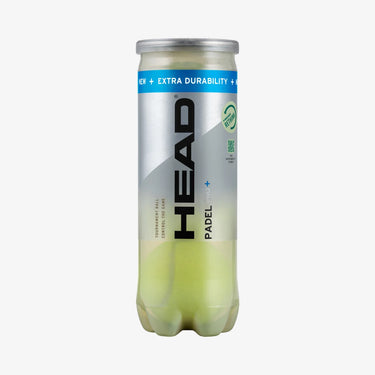
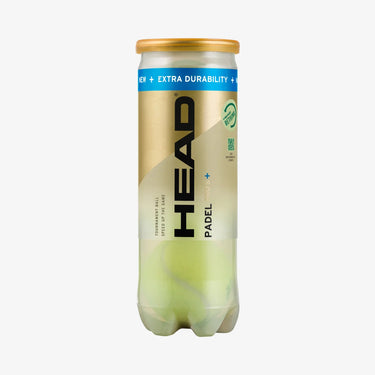
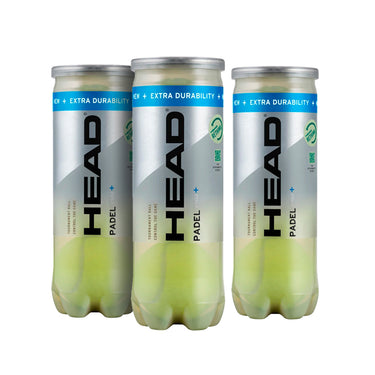
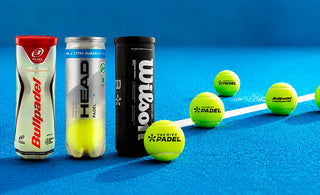
- Head Padel Pro+: a versatile pressurised ball that is widely used at club level and in competition. Head has supplied it as the official ball at tournaments on the professional tour.
- Head Padel Pro S+: the Head variant that has been used, for example, in the women's draw of some Premier Padel tournaments.
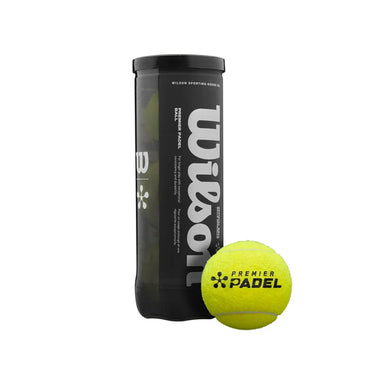
- Wilson Padel Premier: Wilson's competition ball, designed for fast, demanding play.
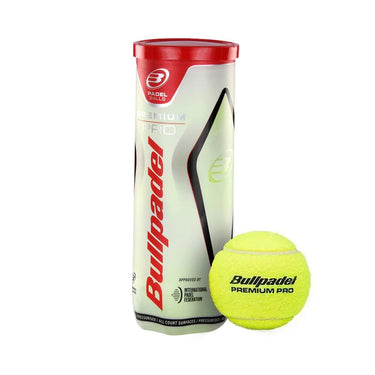
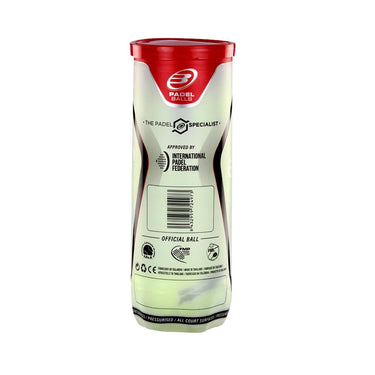
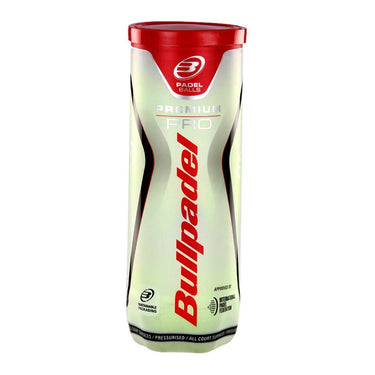
- Bullpadel Premium Pro: a well-balanced pressurised ball, very common at amateur tournaments.
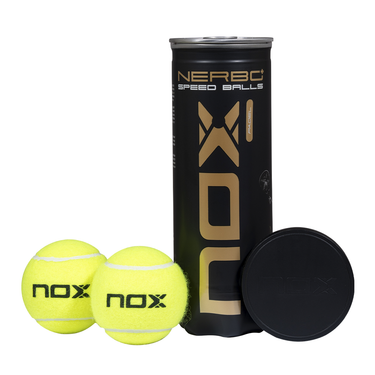
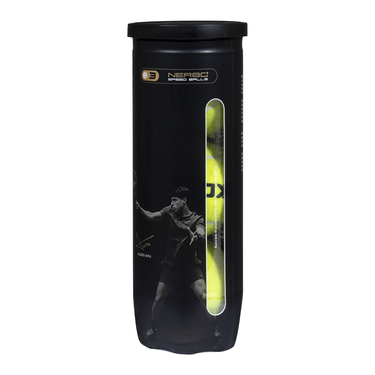
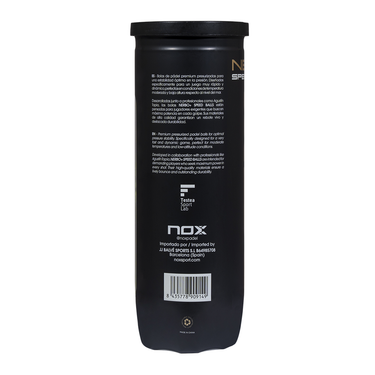
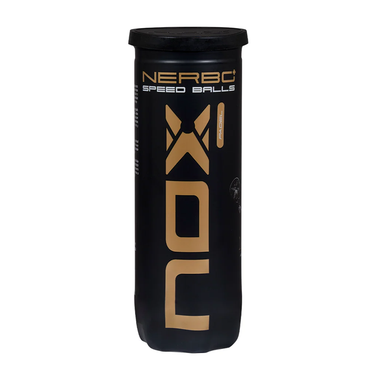
- Nox Nerbo Plus Speed: designed for fast play, with good durability.
You can see every model in our padel balls collection.
Tube, pack or box: which format to choose
A tube usually contains three balls and is the format for a one-off match or for trying out a new model. Multi-tube packs, such as the Head Padel Pro+ 3-tube pack, work out better value if you play every week. Boxes, such as the Head Padel Pro+ box of 24 tubes, are the format for clubs and regular groups and offer the lowest cost per tube.
How long padel balls last
Durability depends on how well the ball holds its pressure. A high-end pressurised ball usually performs well for two to four matches; after that the bounce drops and the felt starts to lift. You notice a new ball above all in your spin shots, because topspin and slice depend on the condition of the felt. Competitive players usually open a new tube for every match.
Frequently asked questions about padel balls
How many balls are used in a match?
The usual practice is to play with one tube of three balls per match. In competition, balls are usually changed during the match as directed by the organisers.
Which ball colour is best?
Yellow is the most common because it contrasts with almost every court and lighting set-up. The rules also allow white or another colour, as long as it contrasts with the surface.
Can I play padel with tennis balls?
Technically yes, but it is not recommended: they bounce higher, come off the walls faster and change the game.
Can old balls be revived?
There are pressuriser tubes that help to preserve pressure, but they do not repair worn felt. They are useful if you play a lot.
How should I store them?
Sealed in their tube, at a moderate temperature and away from extreme cold and heat. Leaving an open tube in the boot of your car is the quickest way to ruin a set of new balls.