



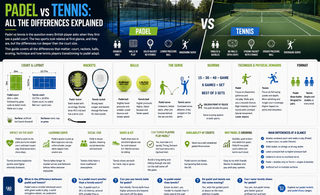
Padel vs tennis is the question every British player asks when they first see a padel court. The two sports look related at first glance, and they are, but the differences between padel and tennis run deeper than the court size.
This guide covers all the differences that matter: court, rackets, balls, scoring, technique and how tennis players transitioning to padel adapt.
The short answer
Padel is played on a smaller court enclosed by glass walls and metal mesh, with a solid racket and no strings, always in doubles. Tennis uses a large court without walls, a strung racket, and both singles and doubles.
They share the same scoring system, which is why people confuse padel with a version of tennis. Everything else about the game dynamics is different.
Court size and layout
A padel court measures 20 by 10 metres. A tennis court is 23.77 by 10.97 metres for doubles play, so padel uses a noticeably smaller court, roughly 23% less playing area.
The major difference is the enclosure. Padel courts are surrounded by glass walls and metal mesh, and the side and back walls are in play. On a tennis court, once the ball passes the baseline the point is over.
Padel courts differ in another way: most use artificial turf or synthetic grass dressed with sand, while tennis uses different surfaces.
Rackets: solid versus strung
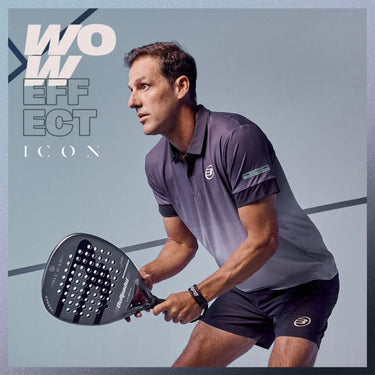
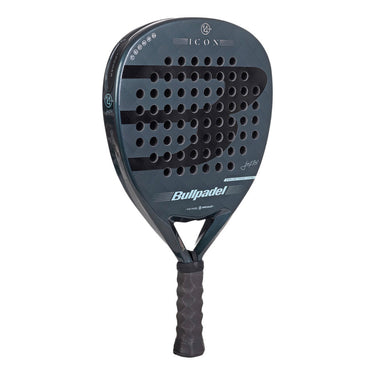
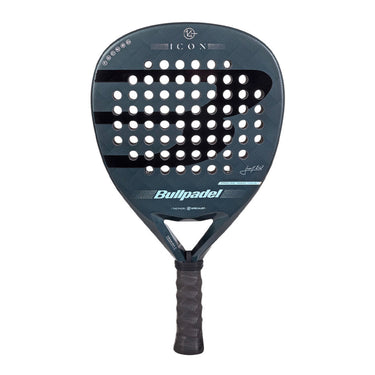
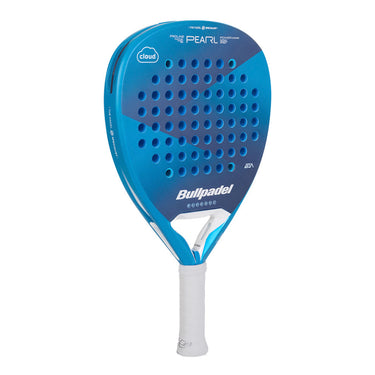
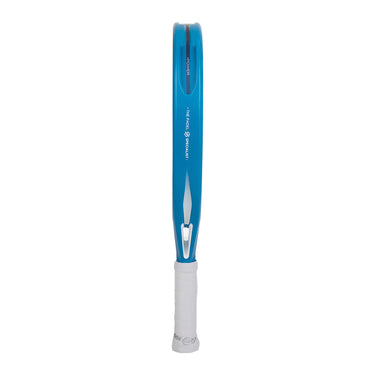
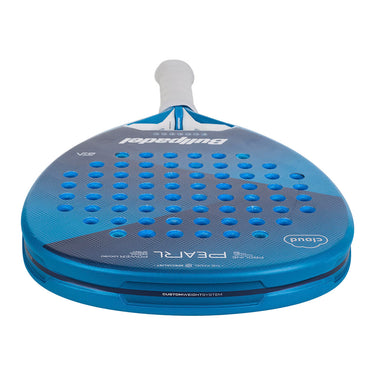
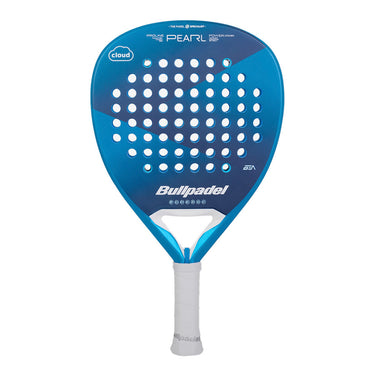
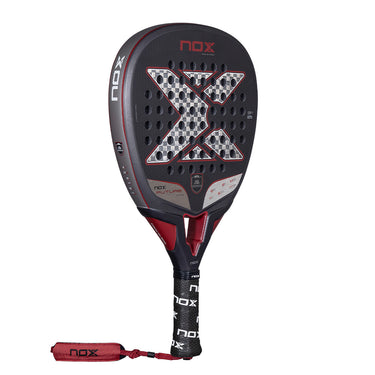
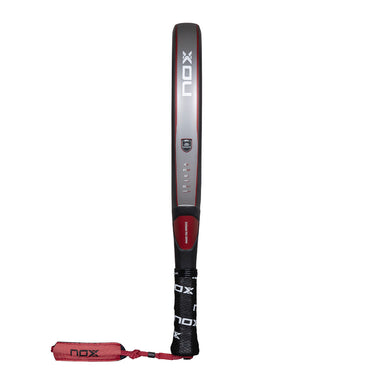
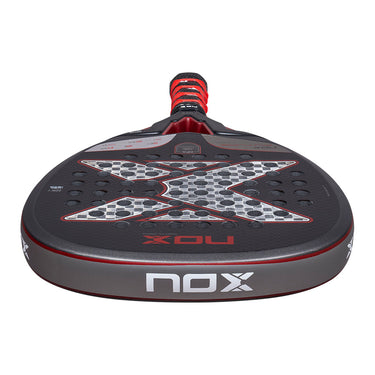
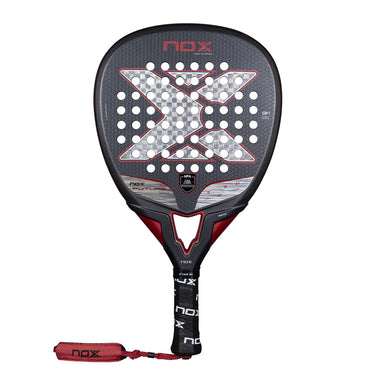
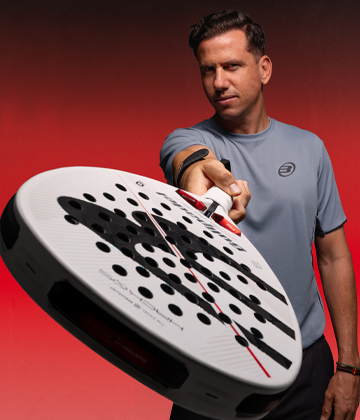
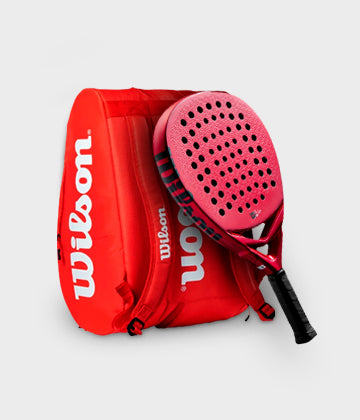
A padel racket is a solid racket with no strings, made from synthetic materials with a foam core and a perforated face. Tennis rackets have a strung head, and string tension is a key part of how they play.
A padel racket is shorter, with a maximum length of 45.5 cm, and has a wrist cord for safety. Tennis rackets are longer and heavier through the head, letting players generate more power.
The effect: a padel racket gives more control and a shorter swing; tennis rackets reward a full swing and powerful shots.
Balls: the pressure difference
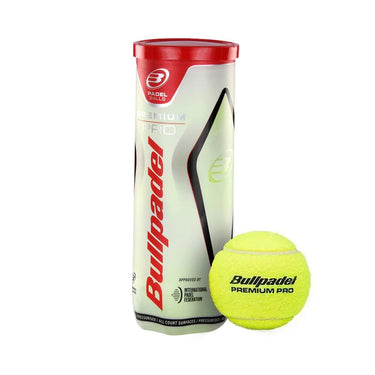
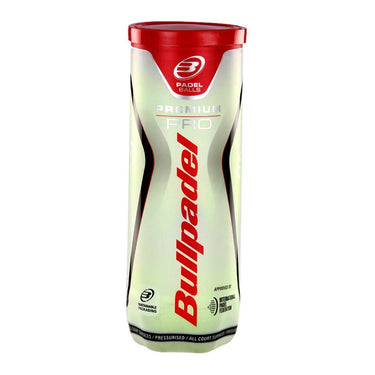
Padel balls and tennis balls look almost identical, but official padel balls have a slightly lower internal pressure and are slightly smaller. Tennis balls produce a higher, faster bounce, and the ball bounces lower off a padel ball on the same surface.
That slightly lower pressure produces slower ball speed and a lower bounce, which suits an enclosed court. A tennis ball on a padel court would spring off the back glass and make rallies unplayable.
The serve
This is the change tennis players notice first. In padel you serve underarm, below waist height, after bouncing the ball once behind the service line.
Tennis rules allow an overhead serve, the single biggest weapon in the sport. Removing it makes the padel serve a way to start the point rather than win it.
Scoring
Padel rules use the same scoring system as tennis: 15, 30, 40, game, six games to a set, best of three sets. The one addition is the golden point at deuce, where a single point decides the game.
Singles or doubles?
Padel is designed for doubles play, and every official competition is played in pairs. Tennis is played in both singles and doubles at every level.
Technique and physical demands
Padel focuses on placement, patience and net play rather than raw hitting. The walls give you a second chance at balls that would be winners in tennis.
Tennis has higher technical demands on the swing: proper technique takes longer, and the physical demands differ, with more sprinting and shoulder load.
Padel is high intensity in short bursts with constant lateral movement. Neither sport is easier overall, but padel is far easier to enjoy in your first session.
Impact on the body
Padel is lower impact, appealing to all ages. It is easier on the joints due to its smaller court size and lower impact play, and it emphasises short, sharp steps and positioning rather than sprinting.
Tennis requires covering a larger court and involves explosive sprints and high-intensity footwork. Tennis rewards serving power while padel emphasises placement and teamwork.
Learning curve: which is quicker to pick up?
Padel generally offers a shorter learning curve for beginners compared to tennis. It is one of the easiest racquet sports to learn, and most beginners can rally in padel within minutes.
Tennis requires time to master serves and footwork before rallies become enjoyable. In padel, longer rallies happen from session one, and it emphasises teamwork and strategy over pure strength.
Is padel easier than tennis?
To start with, yes. Padel makes the first hour far more rewarding: the racket is easier to control, the court smaller, the serve simple, and the walls keep the ball in play.
Mastering padel is another matter: at a high level the wall game takes years to read properly.
The social side: the big difference nobody mentions
Padel is always played in doubles, fostering social interaction in a way tennis singles cannot. It requires coordination and positioning between doubles partners, so it is more conversational and collaborative by design.
Tennis clubs have a more traditional atmosphere, while padel clubs often have relaxed spaces for socialising after matches. That culture is why padel attracts a wide demographic and builds community engagement quickly.
Shoes and kit
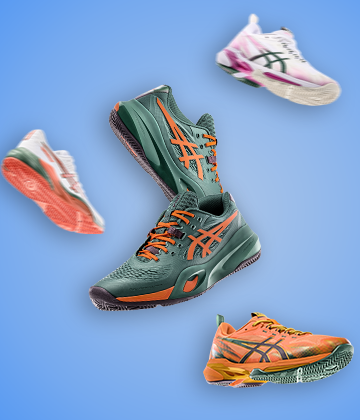
Padel shoes and tennis shoes are not interchangeable. Padel shoes use an omni or herringbone sole designed for sand-dressed artificial turf, with reinforced toes for the drag on serves.
Tennis shoes are built for clay, grass or hard court. On a padel court they mean less grip and quicker wear.
Can tennis players play padel?
Yes, and most take to it quickly. Tennis players transitioning to padel bring timing, footwork and court sense: a big head start.
The habits that hold them back are a long swing and an instinct to hit through the ball. Learning to let the ball come off the glass takes a few sessions.
Availability of courts
Tennis has a well-established global infrastructure with courts in many locations. Finding available padel courts can be challenging as they are fewer globally, though that gap is closing fast in Britain.
If you have played padel tennis on holiday, perhaps near a holiday home in Spain, you will find far more UK courts now than even two years ago.
Why padel is growing rapidly
Padel is growing rapidly across major cities in Britain because it is sociable, quick to learn and needs less space. Clubs fit two padel courts where one tennis court stood.
Free access sessions and pay-and-play courts make it easy to try, and being always doubles makes it easy to organise with friends.
The main differences at a glance
The key differences in one place, and the clear points where the two sports diverge.
Court: padel courts are 20m by 10m with 3m high glass walls and 4m back walls; tennis courts measure 23.77m by 10.97m for doubles and are played on open courts without walls.
Surfaces: padel uses artificial turf; the standard for tennis includes three primary court surfaces, hard, clay and grass.
Rackets: padel rackets are shorter and solid with no strings; tennis rackets are larger and strung for power.
Walls: in padel, players can use the glass walls as active surfaces during play. Padel rallies are often longer due to the wall rebounds keeping the ball in play.
Format: padel is always played in doubles format; tennis is played in singles and doubles.
Frequently asked questions
What is the difference between padel and tennis? Padel uses a smaller enclosed court with glass walls in play, a solid stringless racket, an underarm serve and lower-pressure balls. The scoring is the same.
Is a padel court smaller than a tennis court? Yes. A padel court is 20 by 10 metres, around 23% smaller than a tennis doubles court.
Can you use tennis balls for padel? Not ideally. Tennis balls have higher pressure and bounce too much off the glass walls.
Is padel easier than tennis? Easier to start, yes. Harder to master than it looks, because of the wall game and tactics.
Do padel and tennis use the same scoring? Yes, with the golden point at deuce as the main addition in padel.
Can I wear tennis shoes for padel? You can, but padel shoes grip better on sand-dressed artificial grass and last longer.
Final thoughts
Tennis and padel are cousins, not twins. They share a common ancestry rooted in racket sports and a scoring system, and almost nothing else: different court, racket, ball and serve.
If you play tennis and have not tried padel, the crossover is easy. Explore our padel rackets and padel shoes ranges.