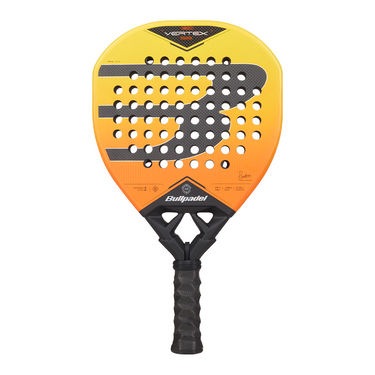
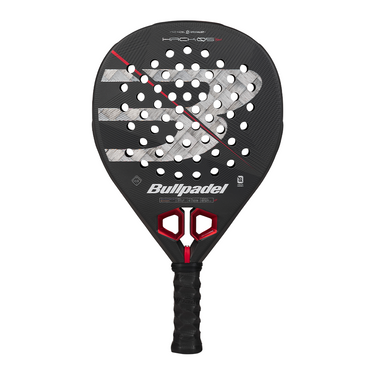
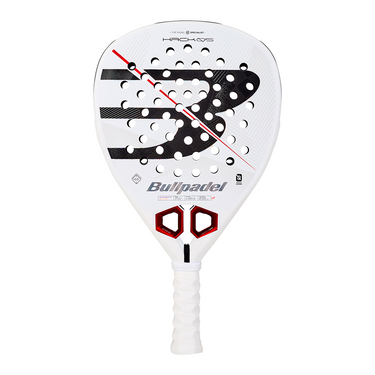
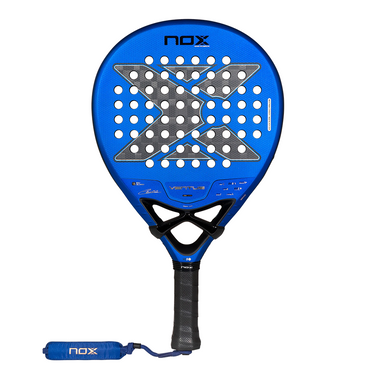
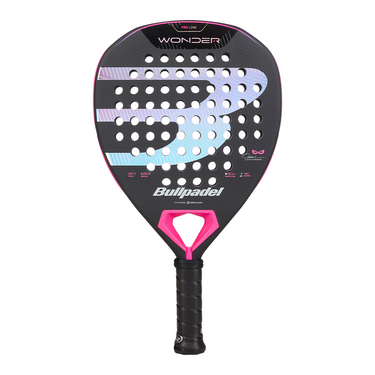
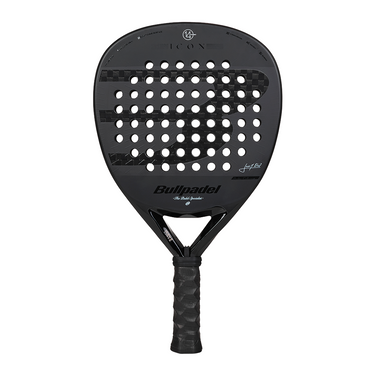
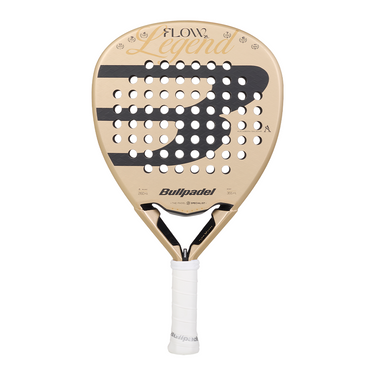
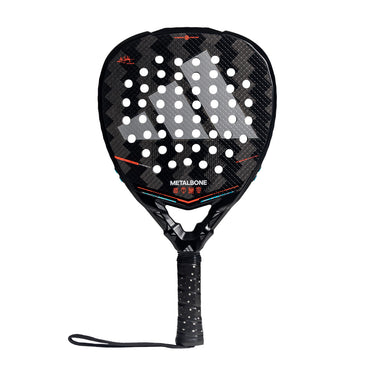
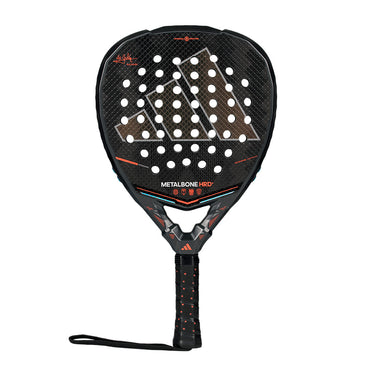
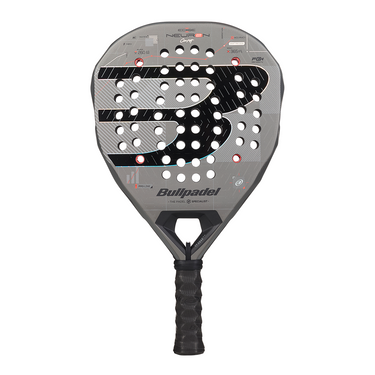
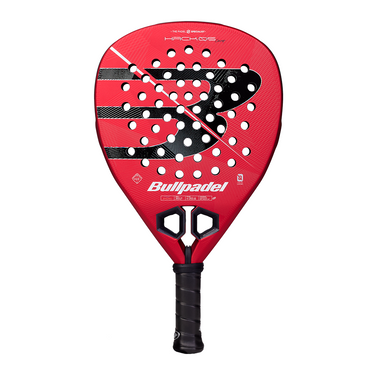
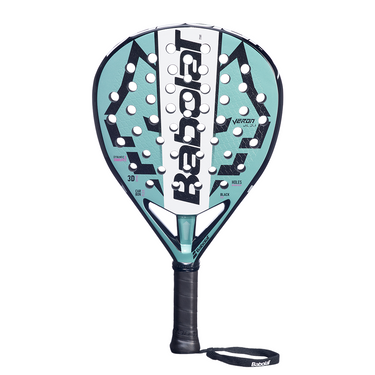
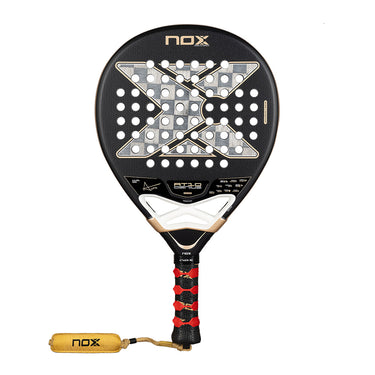
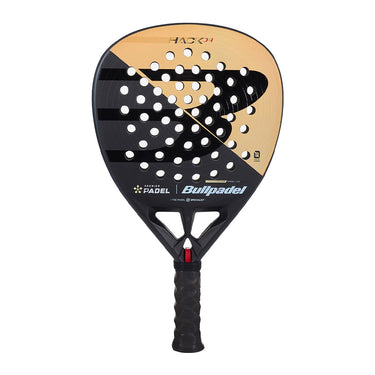
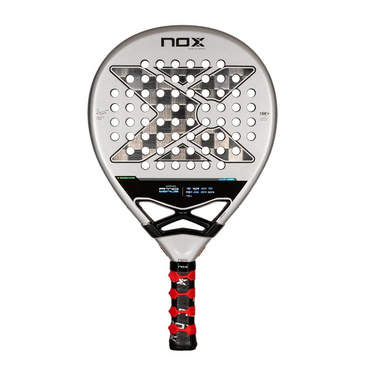
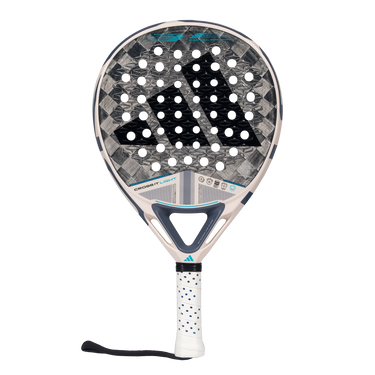
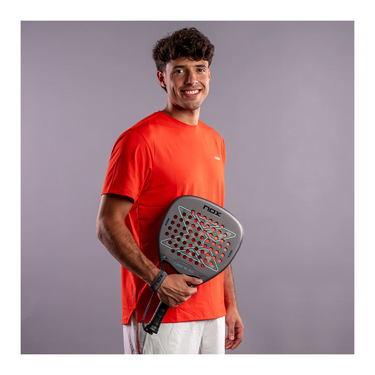
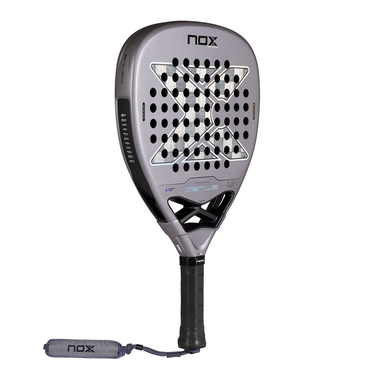
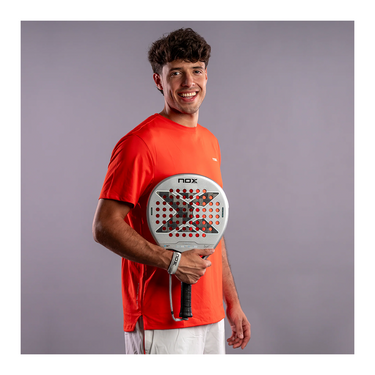
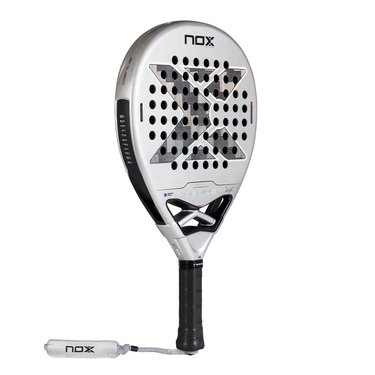
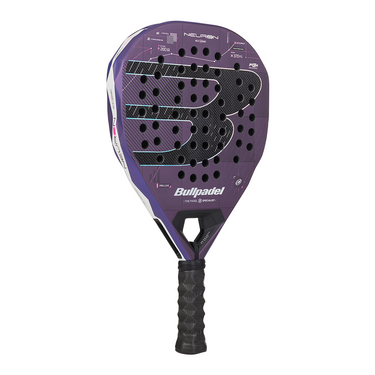
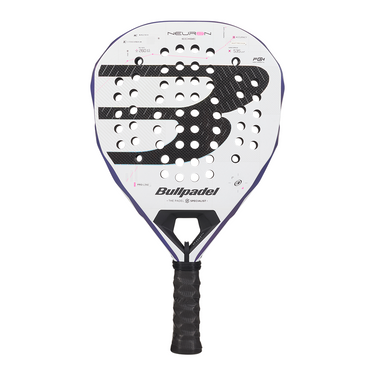
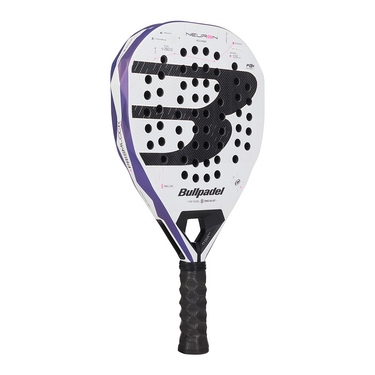
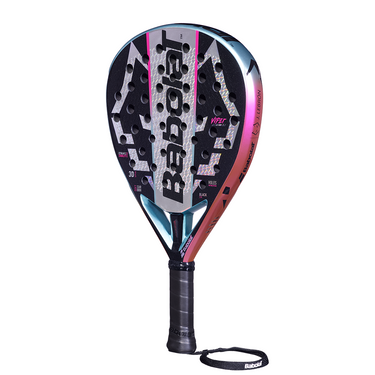
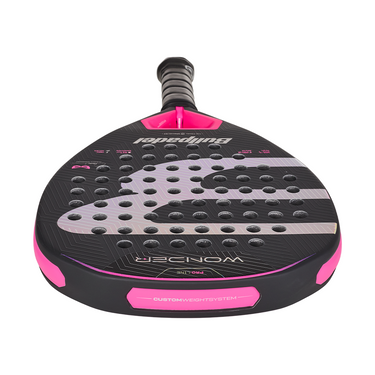
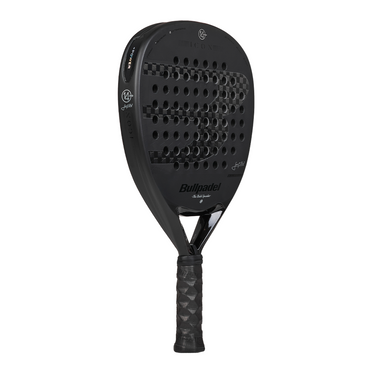
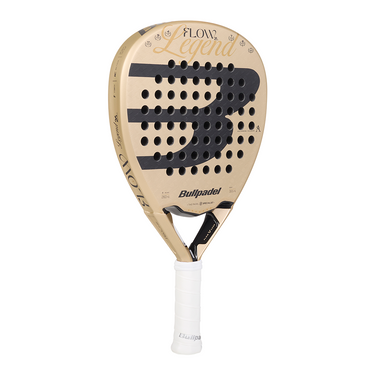
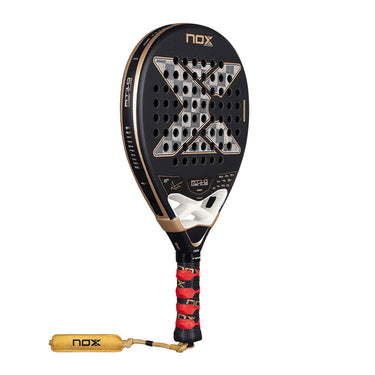
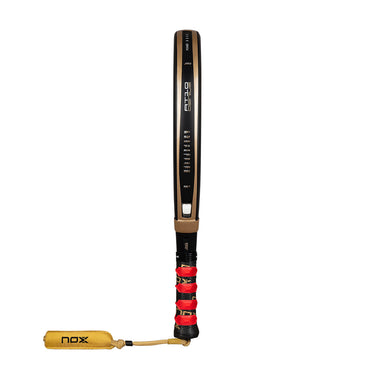
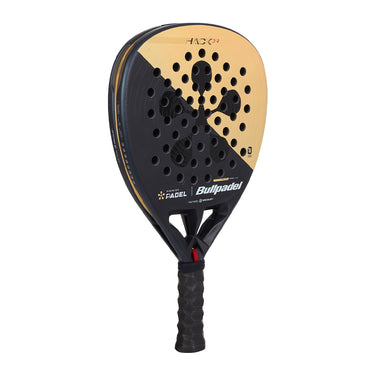
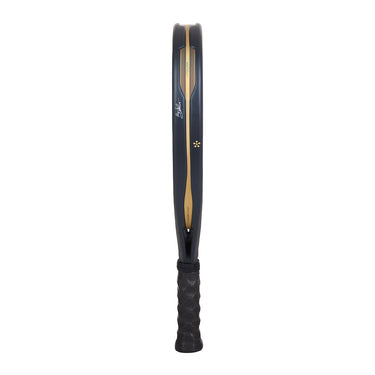
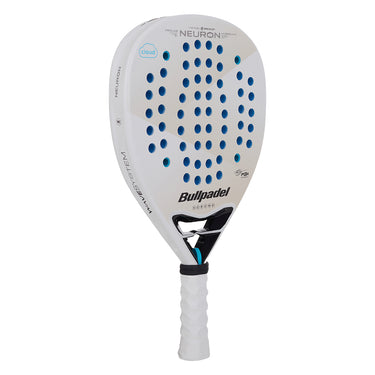
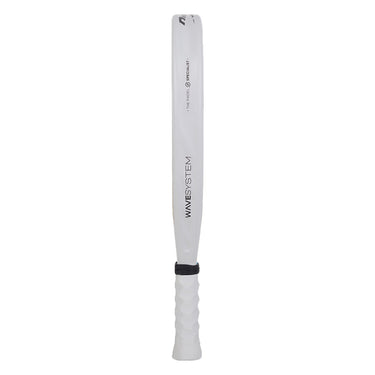
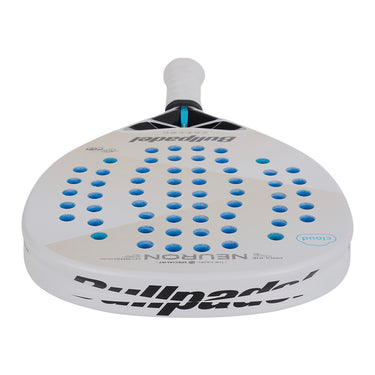
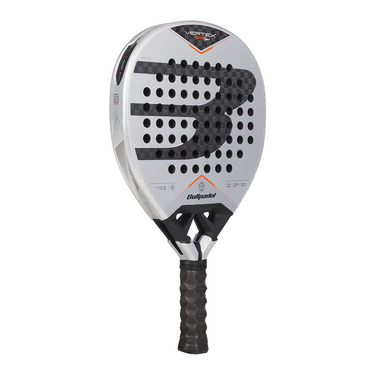
Pro Players: equipment associated with professional circuit players
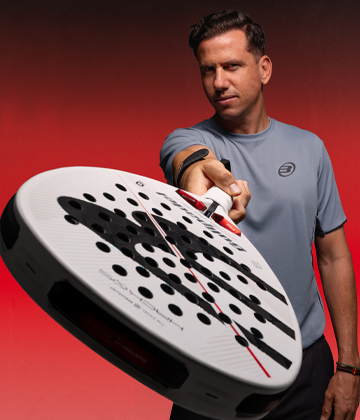
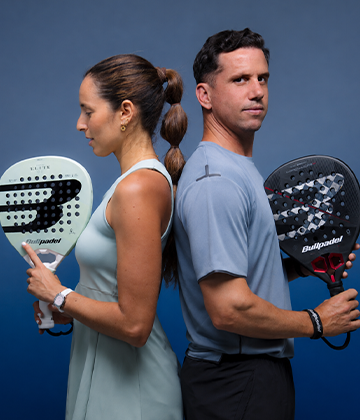
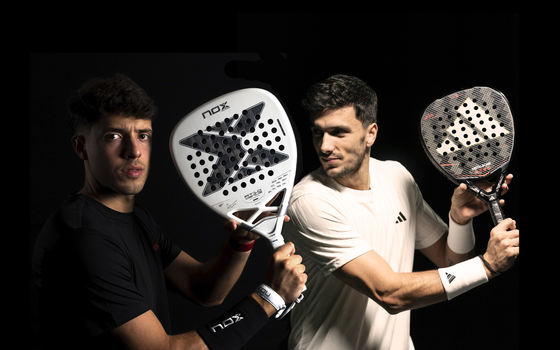
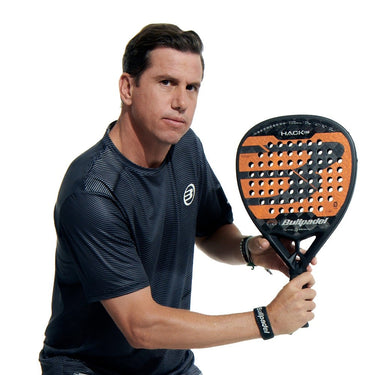
This category groups the padel equipment linked to active professional players. It offers a different way to browse the catalogue: rather than filtering by padel racket shape or sole type, you start from the player whose game interests you and reach the equipment associated with their name.
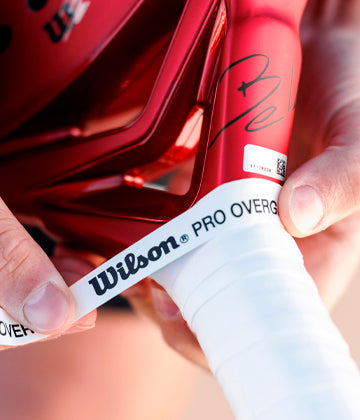
It should be understood for what it is: a navigation entry by affinity, not a guarantee that a specific product is exactly the one that player uses in a particular tournament. Professionals personalise their gear —added weight, grip, overgrip— and brands adjust their lines each season.
How to use this category sensibly
Professional equipment is not automatically right for you
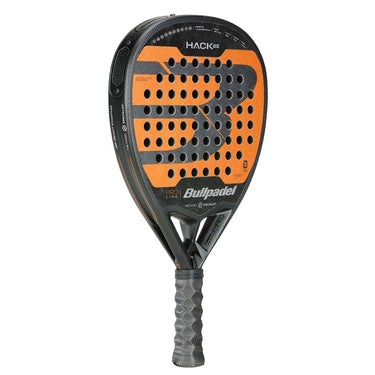
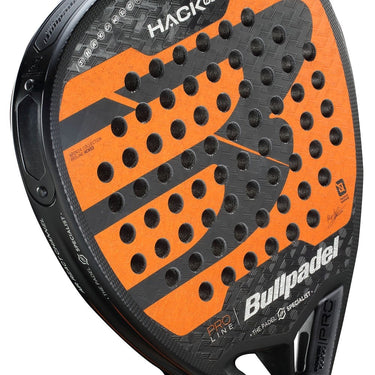
Equipment associated with elite players is often at the demanding end of the catalogue: padel rackets with a high balance, firm core densities and profiles designed for fast, consolidated striking. If your technique is still developing, that same equipment may deliver less performance than a more forgiving option. It pays to study the technical sheet rather than relying on the name.
But it is a good indicator of playing style
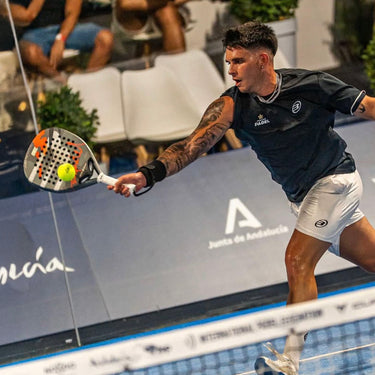
What does work well is using the player as a shortcut: if you identify with a defensive, placement-based game, equipment associated with players who play that way will generally point in that direction. If your game is finishing at the net, a different player profile will get you to the right options faster.
Who is represented
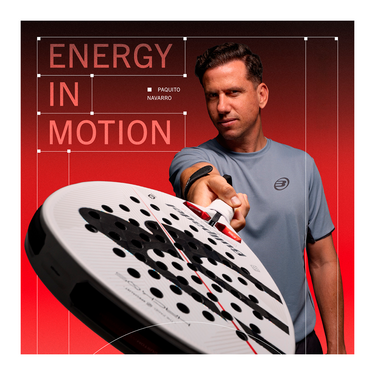
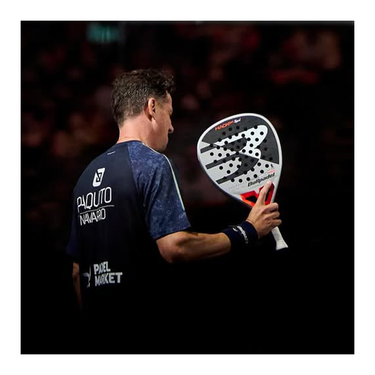
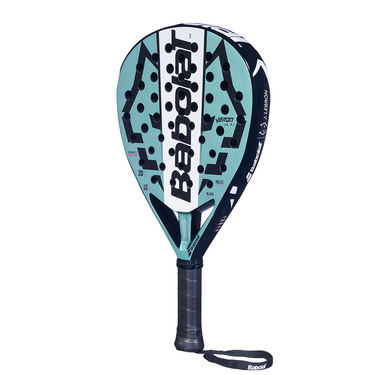
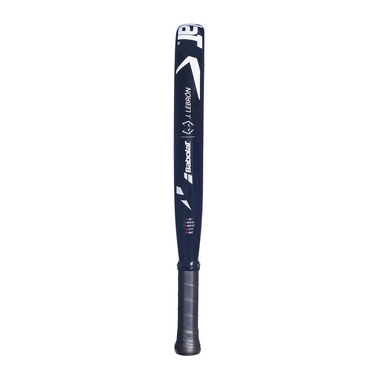
The player filter in the catalogue brings together collections linked to professionals on the circuit. Among them, on the men’s side, Agustín Tapia, Ale Galán, Arturo Coello, Juan Lebrón, Fede Chingotto, Paquito Navarro, Martín Di Nenno, Juan Tello, Pablo Lima and Coki Nieto; and on the women’s side, Alejandra Salazar, Bea González, Delfi Brea, Gemma Triay, Marta Ortega and Claudia Fernández. These are regular names on the Premier Padel circuit, and each has their own entry within the catalogue.
How professional padel is organised
Having a basic understanding of how the circuit works helps you navigate this category. Professional padel is played in pairs, and the ranking is individual but built from the points each player earns at tournaments during the season. That explains why partnerships change fairly often and why the equipment associated with a player is updated each year.
The reference circuit is Premier Padel, with tournaments across several countries and the International Padel Federation (FIP) as the organising body. Spain and Argentina concentrate a large share of the world top players, which is noticeable in the catalogue: most player collections correspond to professionals from those two countries.
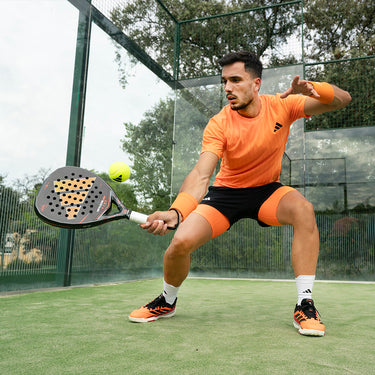
For followers of the sport, this category works as a bridge between what you see in the broadcast and what you can buy: the equipment from the player’s line, not an exact replica of their tournament padel racket.
What characterises top players’ equipment
Padel rackets associated with professionals share a number of traits worth knowing before you buy, because they explain both performance and demand.
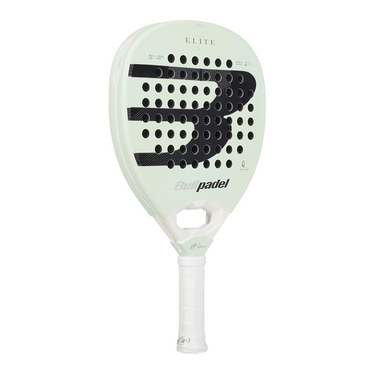
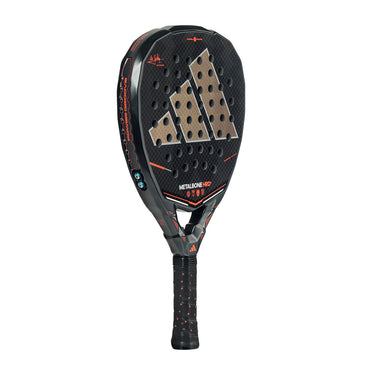
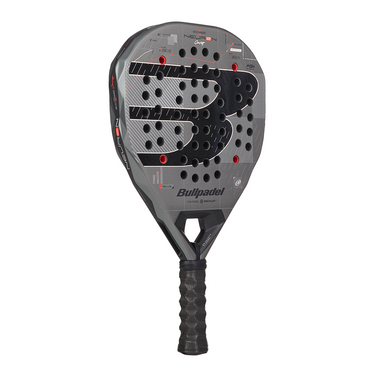
High-end and premium materials: high-density carbon faces and selected cores. The build quality is the highest in the catalogue, and so is the price.
High or mid-high balance: more mass in the head, more power on the smash and greater demand on the arm.
Firm cores: they return more energy when the strike is fast, and penalise more when it is not.
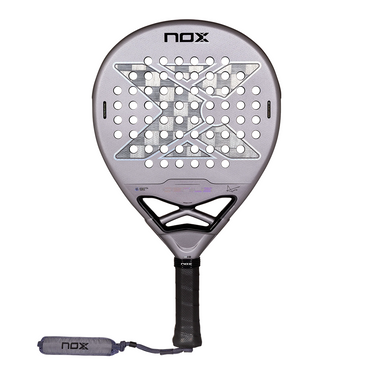
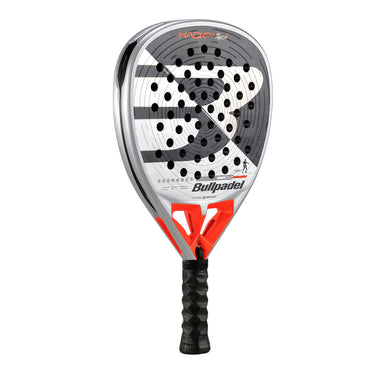
Diamond or teardrop shapes: a smaller sweet spot shifted upwards, designed for consolidated striking.
In other words: these are padel rackets built for players with an already established technique and a high striking ability. A keen amateur with a good level can enjoy them; someone still learning probably will not.
Choose by style affinity, not just by name
The most useful way to use this category is to start from the type of game, not from your favourite player. Circuit profiles roughly split between those who construct the point from the back with patience and placement, and those who look to finish it at the net with power. If you recognise yourself in the first style, equipment associated with those players will tend towards control and manoeuvrability; if you recognise yourself in the second, you will find profiles with more power and more mass towards the head.
The same criterion applies to court side. A player who covers the backhand needs a racket that is comfortable for defence and wall play; a right-side player needs one that responds on finishing shots. Many brands build their player lines precisely on that difference, with two versions within the same family.
Brands and player lines
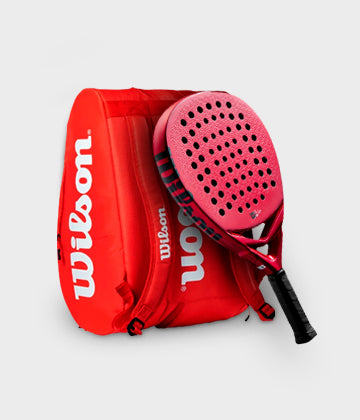
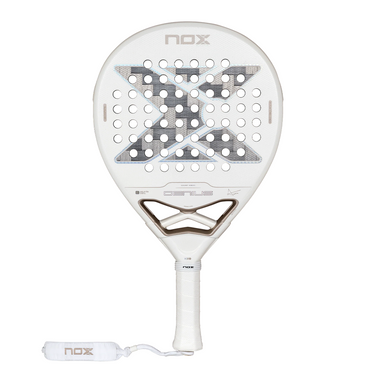
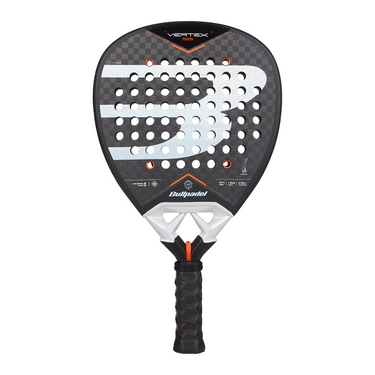
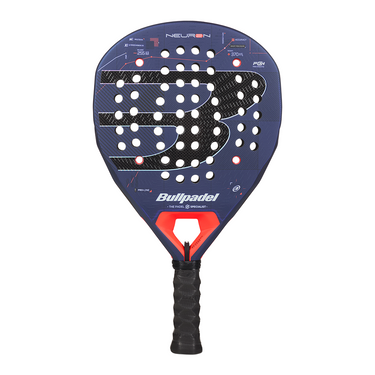
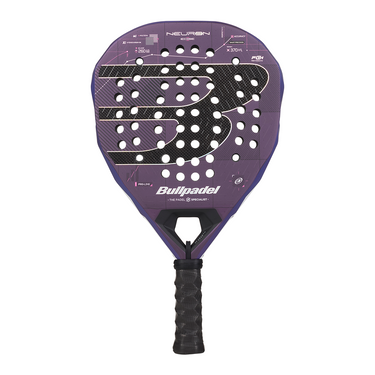
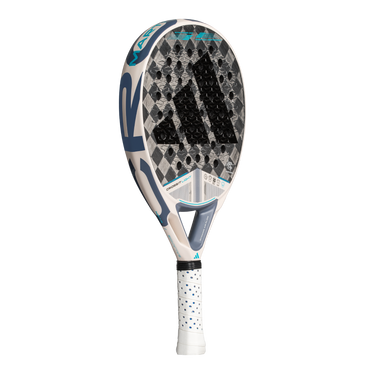
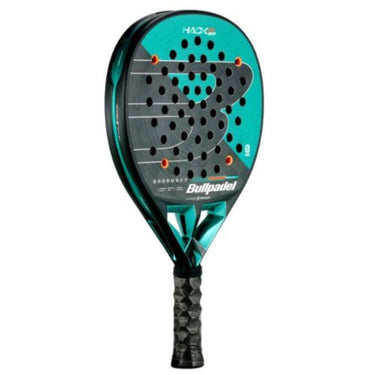
Each manufacturer organises its high-end catalogue around the professionals it sponsors, and those lines are renewed each season. In the Padel Market catalogue you will find brands such as Adidas, Bullpadel, Head, Nox, StarVie and Wilson, and several of their best-known series come from that relationship with circuit players.
A practical note: when a player line is renewed, the previous season’s version doesn’t stop being a good padel racket. It remains the same construction and often the same family of sensations. For many enthusiasts it is the most sensible way to access high-end equipment.
Fans and professional equipment: what to expect
It is sensible to have realistic expectations. Buying a top player’s padel racket does not transfer their game to your court: what it does transfer is the construction, balance and materials that work for them. Performance depends on whether that combination fits your technique, physique and hours of play.
If you are unsure, there are two reasonable approaches. One is to look within the same family for a version with a softer core or lower balance, which is common in large player lines. The other is to try the racket before buying, if it is available in the test racket collection.
The clothing and equipment you see on the circuit
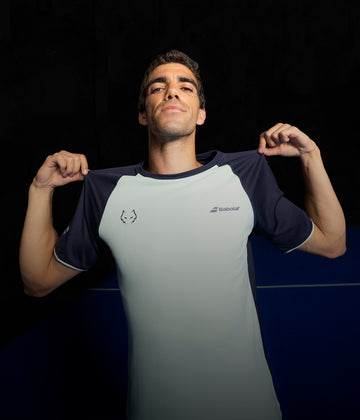
A large part of what people look for when they watch professionals is not the padel racket but the equipment: T-shirts, trousers and outfits they want to wear on their own court. For those items, the deciding criteria differ from those for playing equipment.
What makes a difference in textiles are the fabrics and how they handle sweat, ventilation zones that improve breathability where heat concentrates most, and a pattern that gives freedom of movement in the shoulder and stride. Added to that is seam durability, which separates a garment for daily training from one for occasional use.
Sizes are best selected using each product’s size chart rather than relying on the usual S, M or L reference, because the cut varies between brands. And if you seek comfort for long sessions, prioritise light weights and cuts that don’t pinch in the armhole.
Comfort and support
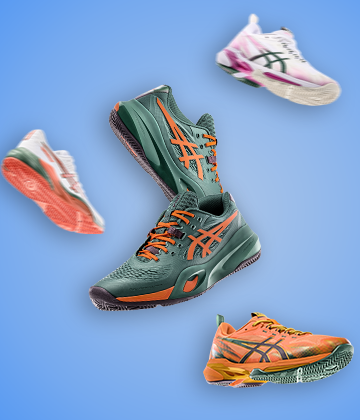
There is part of professional equipment that you don’t see on the broadcast but that matters: comfort and support during long sessions. Padel shoes with the appropriate sole and good lateral support, a quality overgrip and clothing that allows movement without chafing help maintain more consistent sensations during play.
The cushioning systems in footwear and the rubber of the racket core work in the same direction: absorbing impacts. It is the least visible part of kit selection and the one you appreciate most over months of use.
Is a player collection racket exactly the one they use in tournaments?
Not necessarily. Brands sell the series version of the player line, while the racket they use in competition usually includes personal adjustments to weight and grip. The shape, factory balance and materials are those of the line.
Is a professional’s equipment suitable for a mid-level player?
It depends on the specific model, not the player. Within the same line there are usually versions with different core firmness and balance, some perfectly manageable at intermediate level. The technical sheet and the level filter tell you more than the collection name.
Can I buy the exact padel racket a professional uses?
You can buy the commercial version of their line, which shares the shape, materials and factory balance. The exact unit they use in tournaments usually carries personal weight and grip adjustments that are not sold commercially.
Is a high-end padel racket worth it if I play as an amateur?
It depends on your level and playing frequency. If you have consolidated technique and play several times a week, you will make use of it. If you are just starting, a more forgiving racket will give better results and fewer arm issues.
How often are player collections renewed?
Usually once per season, coinciding with the circuit calendar. That is why different years’ versions coexist in the catalogue within the same family.
Why are there clothing and accessories as well as padel rackets?
Because sponsorship agreements usually cover the full equipment package. That is why a player collection can include garments or accessories as well as playing gear, depending on what the brand has released that season.