





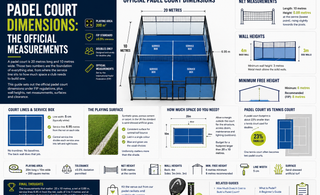
A padel court is 20 metres long and 10 metres wide. Those two numbers are the foundation of everything else, from where the service line sits to how much space a club needs to build one.
This guide sets out the official padel court dimensions under FIP regulations, plus wall heights, net measurements, surfaces and clearance.
Official padel court dimensions
The International Padel Federation sets the standard. A padel court is 20 meters long and 10 meters wide, giving a total playing area of 200 square metres.
Tolerances allow a deviation of ±0.5%, so a court can be marginally over or under and still meet official FIP regulations.
The net is situated across the middle, dividing the court into two halves of equal parts. Padel courts are designed exclusively for doubles play.
Net measurements
Padel court nets must be 10 metres long, spanning the full width. The net height is 0.88 metres at its lowest point in the middle, rising slightly towards the posts.
That is lower than a tennis net, part of why this racket sport plays differently despite the family resemblance.
Court lines and the service box
Padel court lines must be 5 cm wide and are typically white so they contrast with the court surface.
The service line is located 6.95 metres from the net on each side. A central service line runs from the net to it, dividing each service area into two equal parts: a left and right service box.
Those three lines are all a padel court needs: no tramlines and no baselines, because the back wall does that job.
Glass walls and solid walls
Padel courts are enclosed by a combination of glass panels and metal mesh, and padel incorporates the surrounding walls into active play, unlike tennis.
Padel court walls are typically made from transparent tempered glass or fibreglass, though other materials appear in older builds. The back wall is usually 4m high, a maximum matched by few designs, and the side walls are usually 3m, stepping down towards the net.
The minimum height for padel court walls is 3 meters. Above the solid walls, a metal mesh fence continues the enclosure, with doors set into the side walls for access.
Minimum free height above the court
Height above the playing surface is as crucial as the footprint. The minimum free height for a padel court is 6 metres, clear of any obstruction.
For new constructions the FIP recommends 8 metres. This catches out indoor projects: a building with a 6-metre ceiling qualifies but plays poorly on high lobs.
If you are converting an existing structure, check the ceiling height before anything else.
The playing surface
Padel courts use synthetic grass, porous cement or carpet. In the UK the standard is sand-dressed artificial grass, an artificial turf that gives the regular bounce and slight slide the game is built around.
Courts should have a consistent surface for optimal ball bounce, laid in a single colour and uniform across the whole playing surface. Blue and green are the usual choices.
Whatever the synthetic material, uniformity matters more than the shade: an inconsistent surface produces an unpredictable bounce and a worse playing experience.
How much space do you need?
The court occupies 200 square metres, but you cannot build to the exact edge. Allow a margin outside the court for the structure, access doors and maintenance, plus artificial lighting if outdoors.
Budget for a footprint larger than 20 x 10 metres once the frame and access are included. Location and the surrounding facility both affect how much space a construction really needs.
Padel court vs tennis court
A padel court footprint is about 23% smaller than a tennis court used for doubles. That is the single biggest reason clubs are converting.
Replacing one tennis court with two padel courts is common and often cheaper per court, because the existing concrete or cement base can be reused. Our padel court cost guide covers the numbers.
Indoor and outdoor courts
Padel courts can be built indoors or outdoors, and the court dimensions are identical either way. What changes is the structure, the lighting and, for indoor courts, the ceiling clearance.
Outdoor courts need drainage and weather-resistant materials; indoor courts need height, ventilation and lighting designed around the roof.
Frequently asked questions
What are the dimensions of a padel court? 20 meters long by 10 meters wide, a total playing area of 200 square metres, with a tolerance of ±0.5%.
How high is a padel net? 0.88 metres at the centre, running the full 10-metre width.
How far is the service line from the net? 6.95 metres, with a central service line splitting each side into two boxes.
How high are padel court walls? Back walls are typically 4m and side walls 3m, with a minimum of 3 metres, topped by metal mesh.
What is the minimum height above a padel court? 6 metres of free height, though the FIP recommends 8 metres for new facilities.
Is a padel court smaller than a tennis court? Yes, around 23% smaller, which is why one tennis court often becomes two padel courts.
How wide are the court lines? 5 cm, and typically white.
Final thoughts
The measurements that matter: 20 x 10 metres, a net at 0.88 m, service lines 6.95 m from the net, walls of 3 to 4 metres and at least 6 metres of clearance.
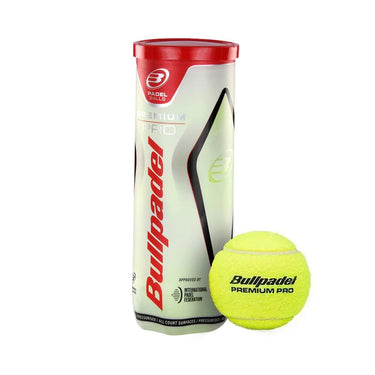
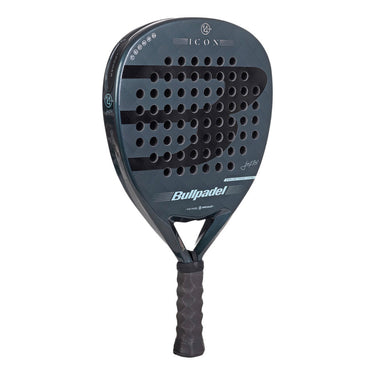
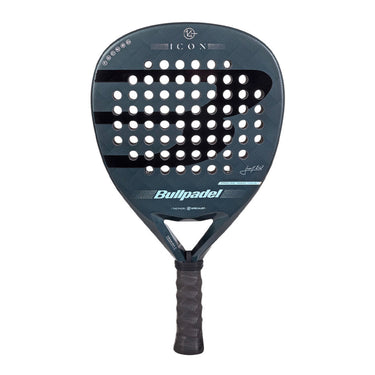
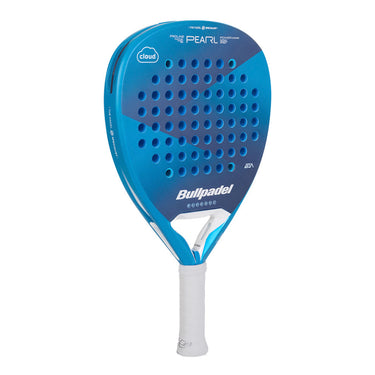
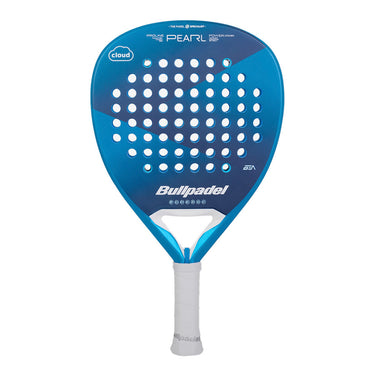
Get those right and the court delivers the exciting experience the game intends. Kit the venue out from our padel rackets and padel balls ranges.