






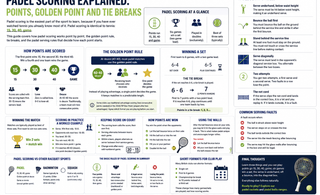
Padel scoring is the easiest part of the sport to learn, because if you have ever watched tennis you already know most of it. Padel scoring is identical to tennis: 15, 30, 40, game.
This guide covers how padel scoring works point by point, the golden point rule, tie breaks, and the padel serving rules that decide how each point starts.
The padel scoring system at a glance
Points run 15, 30, 40 and game. Six games win a set, with a two game lead required. Matches are typically played as best of three sets.
Padel is played exclusively in doubles on a 20m x 10m court, so every score belongs to a pair rather than an individual. A single game is won by the first pair to reach 4 points, and in padel a game must be won by at least a 2-point advantage.
How points are scored
The first point wins 15, the second 30, the third 40. Win a fourth and one team wins the game.
Scores are called with the serving team first, so 30-15 means the servers lead.
Love
Zero is called love, exactly as in tennis. A game starting 0-0 is called love-all.
Deuce
At 40-40 the score is deuce. At deuce, a team must win two consecutive points to win the game under traditional scoring: advantage first, then the game.
The golden point rule
At deuce (40-40), padel uses a golden point rule for the next point in most competitive play. Instead of playing advantage, a single point decides the game.
The receiving team chooses which player receives the golden point, and whoever wins that one point wins the game. It is the biggest difference between padel scoring and tennis, and it keeps matches to a predictable length.
Some clubs still use traditional advantage scoring where two consecutive points are needed, and apparent game formats may vary based on local rules or tournaments in padel. In the 2026 FIP scoring system, a Star Point is played at deuce to decide the game after two advantages. Agree which format you are playing before you start.
Winning a set
A set is won by the first team to win six games, provided they lead by a two game margin. At 6-4 the set is over; at 6-5 it continues to 7-5 or to a tie break.
The tie break
If a set reaches 6-6, a tie-break is played. The first team to reach 7 points with a two point lead wins the tiebreak in a set.
If the tie break reaches 6-6, play continues until one team establishes a two point margin. Points in a tie break are counted 1, 2, 3 rather than 15, 30, 40.
Winning the match
Matches are typically played as best of three sets, so the first team to win two sets wins the match.
Scoring in practice: a worked example
Say your team serves. You win the first rally: 15-0. Your opponents take the next two, 15-30. You level at 30-30, then win another for 40-30.
One more point and the game is yours. If instead they level it at 40-40, you are at deuce, and under the golden point rule a single rally decides the game.
Keeping score on court
The serving team calls the score, their own first. Calling it out loud before each point avoids most disagreements.
Serving alternates between teams each game, and within a team the two players alternate as server between their own service games. You also change ends after every odd-numbered game.
Padel serving rules
The serve is where most new players get caught out, because the padel serve is nothing like a tennis serve.
Serve underhand, below waist height
The serve must be hit below waist height, making it an underhand serve. Making contact above the waist is a fault.
Bounce the ball first
You must bounce the ball on the ground behind the service line and strike it after the first bounce. The ball must touch the ground before you make contact, so you cannot throw it up and hit it directly.
Stand behind the service line
The server must stand behind the service line with at least one foot on the ground, and must not touch or cross the line before making contact.
Serve diagonally
The serve must land in the opponent's diagonal service box. Each side has two service boxes, and you alternate between them as the score progresses.
Two attempts
You get two attempts, a first serve and a second serve. Two faults in a row result in losing the point, exactly as in tennis.
The net cord
If the serve clips the net cord and lands in the correct service box, it is a let and you replay it. If the ball touches the net and lands outside, it is a fault.
Common serving faults
A fault occurs when the ball is struck above waist height, when the server steps on the line, when the ball lands outside the correct service box, or when the serve directly hits the mesh fencing after bouncing.
A serve may hit the glass walls after bouncing in the service box and still be legal, but if the ball hits the mesh fencing it is a fault. That distinction catches out most beginners.
How points are won
A team wins the point when the ball bounces twice on the opponent's court, when the opponents hit the ball out, or when they hit into the net.
You also win the point if the ball hits your opponents, or if they commit an error such as double hitting the ball.
Using the walls
After the ball bounces once on your side, you may let it hit the glass walls and play it back. This is what makes padel unique and encourages longer rallies than other racquet sports.
What you cannot do is let the ball bounce twice, or hit your own back wall before the ball crosses the net.
Short formats for club play
Many British clubs run shorter formats to fit court bookings: a single set, first to four games, or a championship tie break to ten points instead of a third set.
None change how a game is scored, only how many games or sets it takes to finish.
The basic rules of padel scoring in summary
If you are new to playing padel, these are the essential rules of padel scoring in one place.
Four points win a game
You need four points to win a game: 15, 30, 40 and then the winning point. Reaching three points only puts you at 40, so the game is not over yet.
Deuce and advantage
Under traditional padel rules, whoever holds advantage wins the game if they take the following point. If the opponents win it instead, the score returns to deuce.
A legal serve
A legal serve bounces once behind the service line, is struck below the waist, and lands in the opponent's service box diagonally opposite. You cannot hit the ball directly out of your hand.
Losing the point
The opponents win the point if the ball bounces twice on your side, if you hit the ball out or into the net, or if you serve two consecutive faults.
Padel scoring vs other racquet sports
Padel shares its scoring with tennis but differs from other sports. Badminton scoring typically goes to 21 points, with points only scored when serving in older formats, and squash games traditionally use point-a-rally scoring up to 11 or 15.
Padel keeps the same scoring system as tennis precisely because it grew out of it, which is one of the key differences that makes the sport easy to pick up.
How padel scoring compares to badminton and squash
Padel borrows its fundamental structure and scoring terminology directly from tennis, which sets it apart from the other indoor racquet sports British players may know.
Badminton scoring typically goes to 21 points, and in older formats points could only be scored when serving. Squash games traditionally use point-a-rally scoring up to 11 or 15 points.
Padel keeps 15, 30, 40, game, and adds the golden point at deuce. If you already know tennis, there is almost nothing new to learn.
Why the court matters to scoring
A padel court measures 20 meters long by 10 meters wide, a smaller court than a tennis court, enclosed by glass walls 3 to 4 meters high plus mesh fencing. The net height in padel is 88 cm at the center. Because the walls keep the ball in play, rallies last longer and points are harder to end outright.
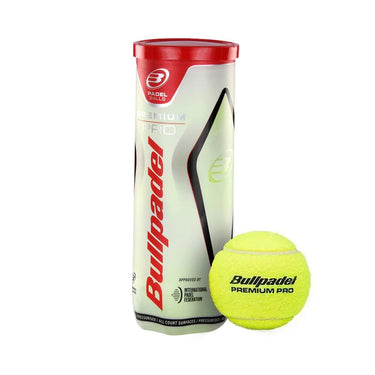
Padel balls are similar to tennis balls but with slightly lower pressure, another reason rallies extend. Both factors mean the scoring feels quicker to move even though each point takes longer.
Why the scoring suits the game
Padel is an exciting sport partly because the scoring keeps games short and deuces dramatic, the golden point turning one rally into a game-deciding moment.
Combined with walls that keep the ball alive, the basic rules produce long rallies inside a scoring system that still moves quickly.
Frequently asked questions
How does padel scoring work? Points run 15, 30, 40, game. Six games with a two game lead win a set, and matches are usually best of three sets.
What is the golden point in padel? At deuce, a single point decides the game instead of playing advantage. The receiving team chooses who receives it.
Is padel scoring the same as tennis? Almost. It uses the same scoring system, with the golden point at deuce as the main difference.
What happens at 6-6 in padel? A tie break is played to seven points, with a two point margin required.
How many serves do you get? Two. Two consecutive faults lose the point.
Can the serve hit the glass? Yes, after bouncing in the correct service box. If it hits the mesh fencing it is a fault.
How high can you serve in padel? Below waist height, after letting the ball bounce once behind the service line.
Final thoughts
Learn three things and you can play: points go 15, 30, 40, game; six games win a set; the serve is underhand, off a bounce, into the diagonal box.
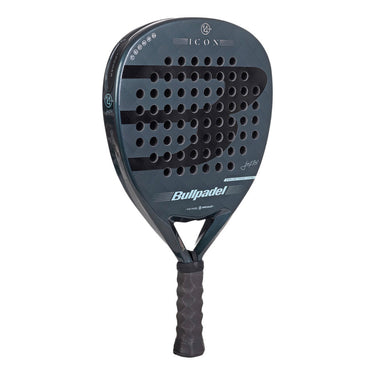
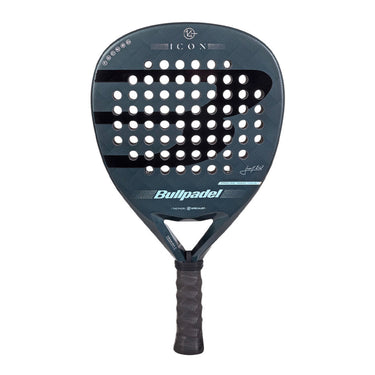
Everything else follows naturally. When you are ready to play, explore our padel rackets and padel balls ranges.