




Filter and sort 93 products
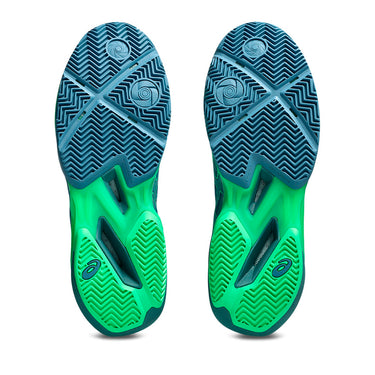
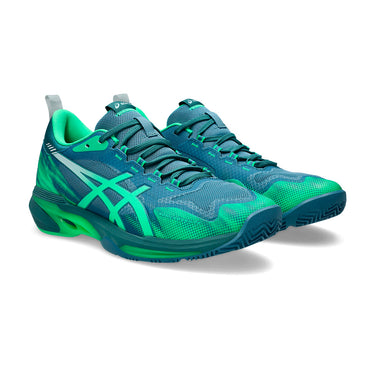
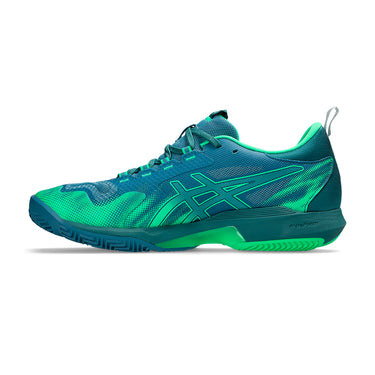
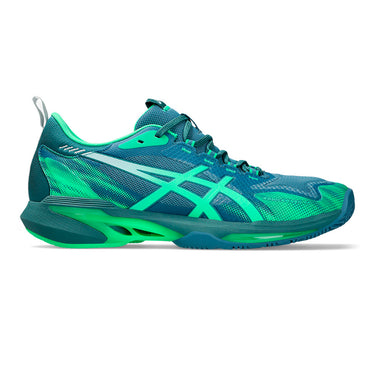
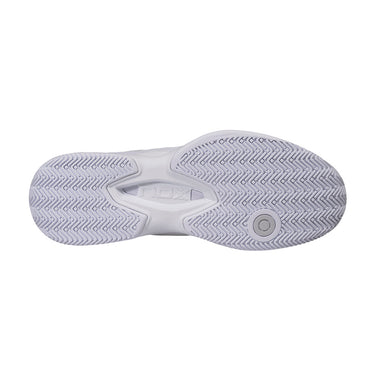
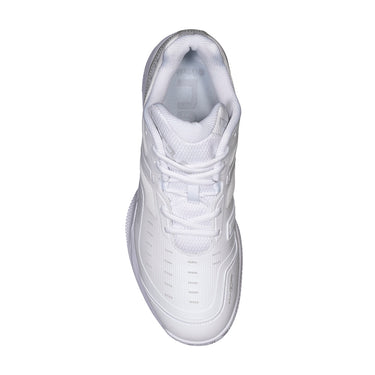
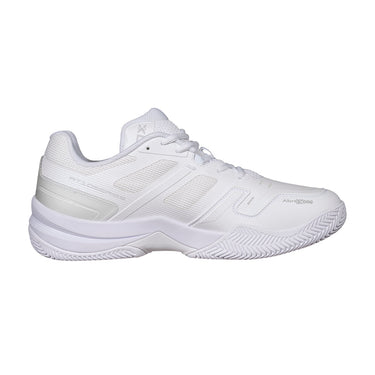
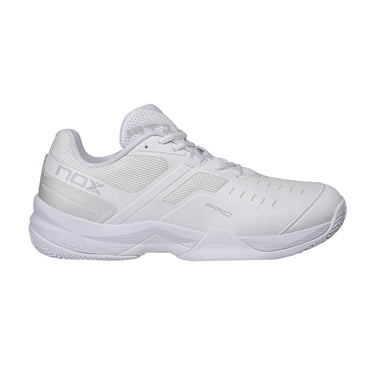

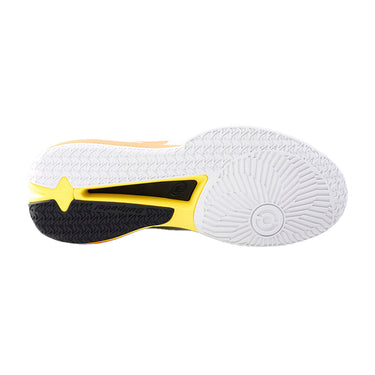
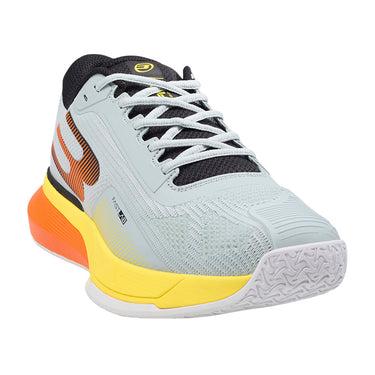
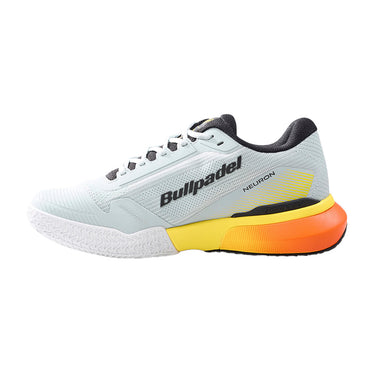
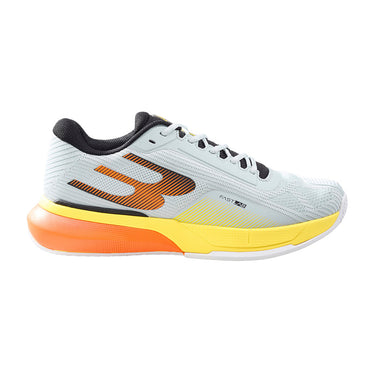
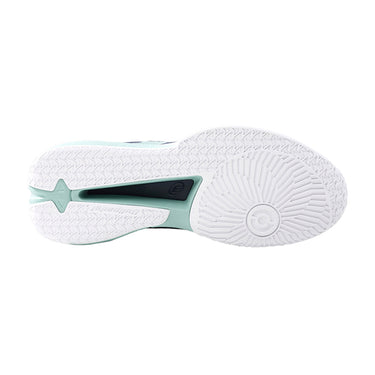
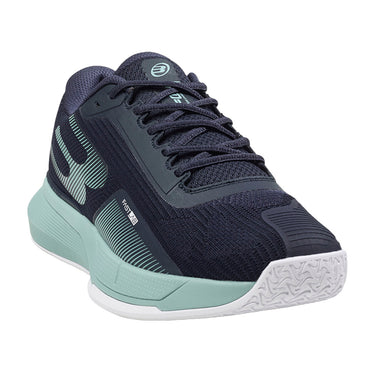
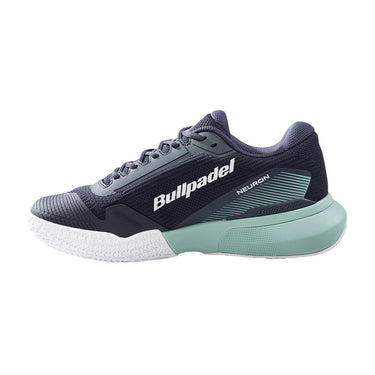
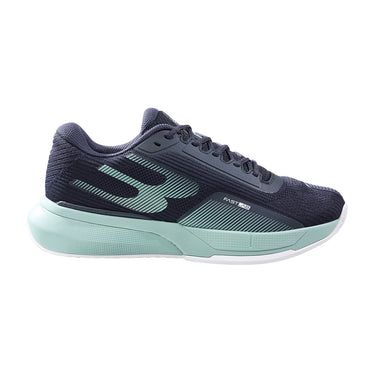
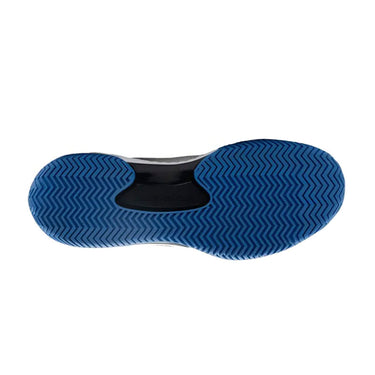
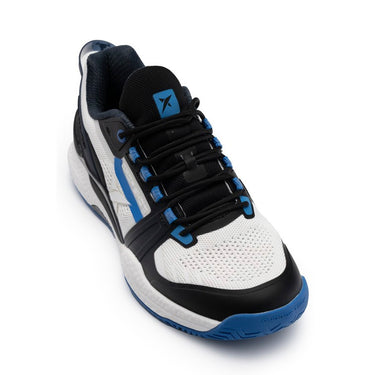
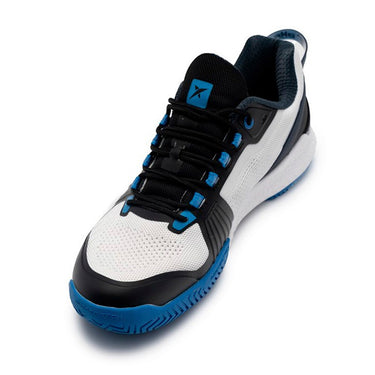
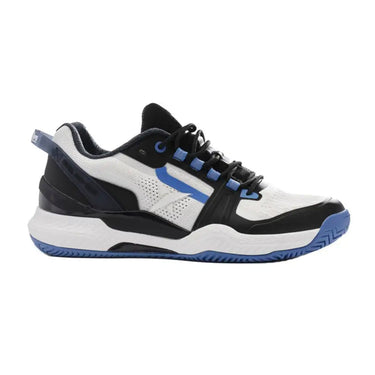
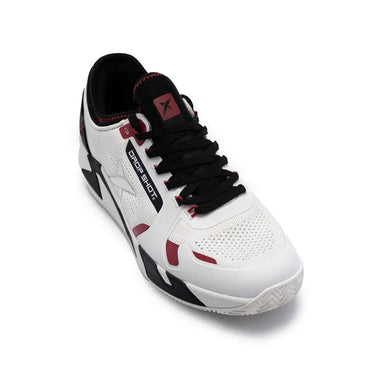
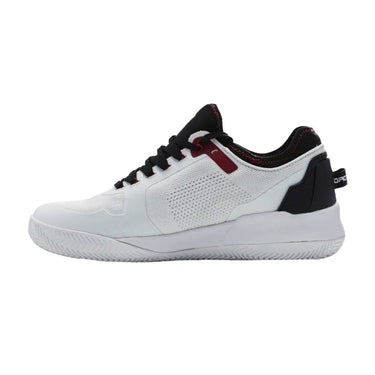
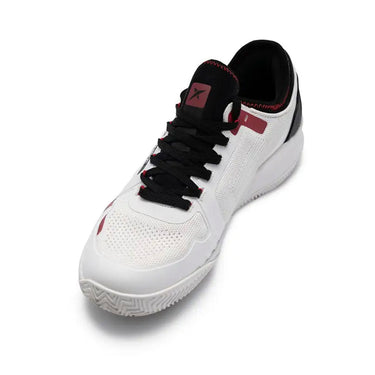
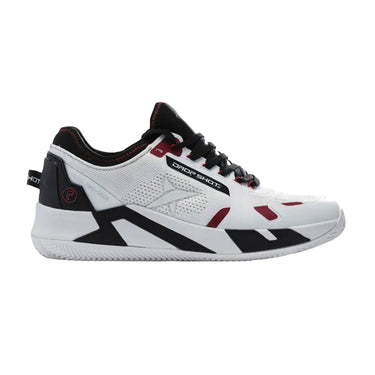
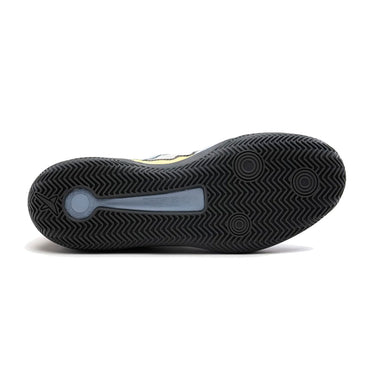
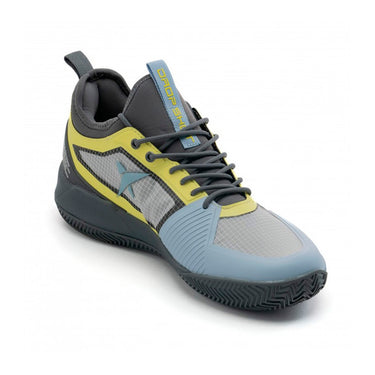
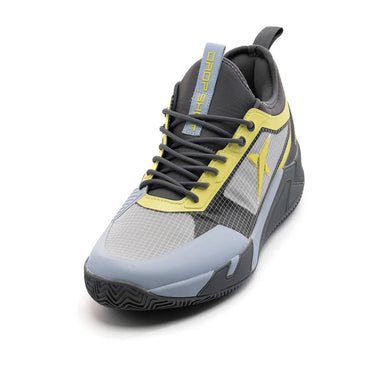
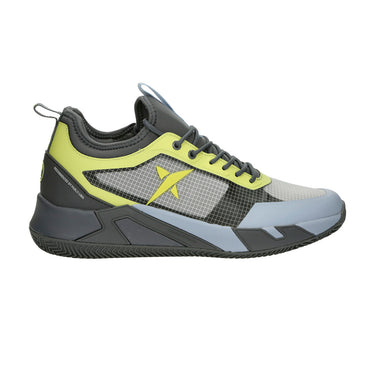
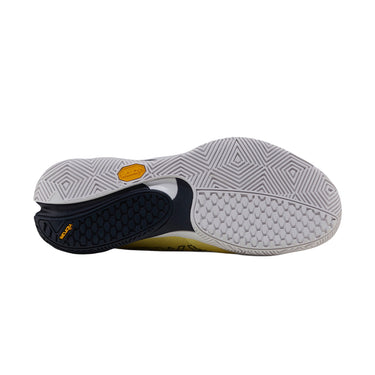
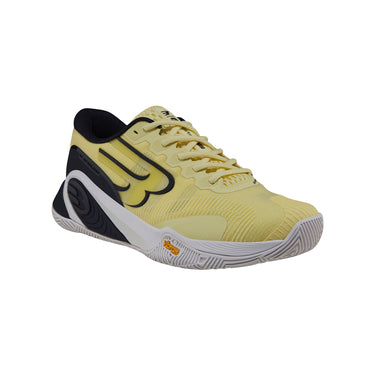
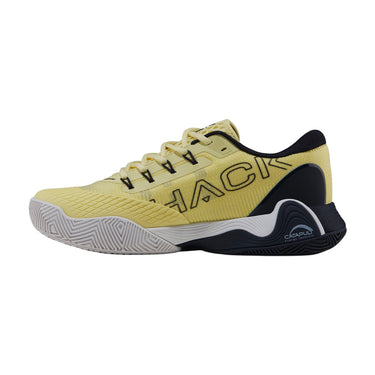

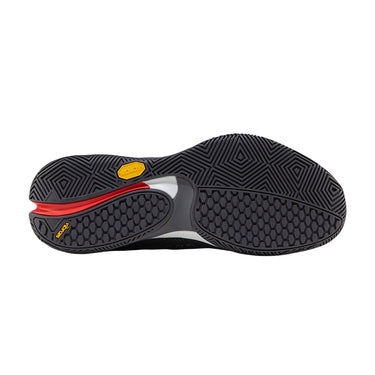
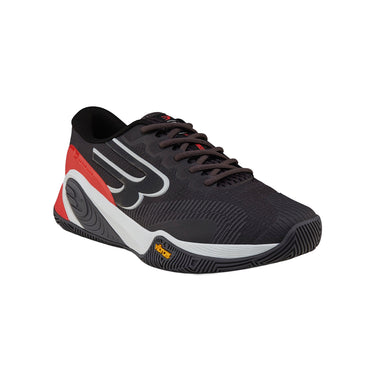
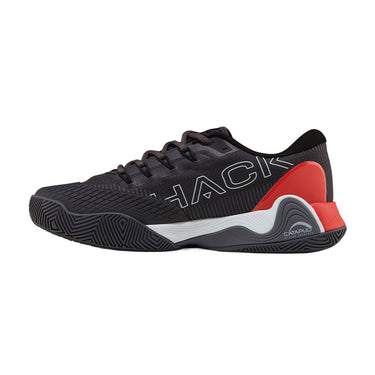

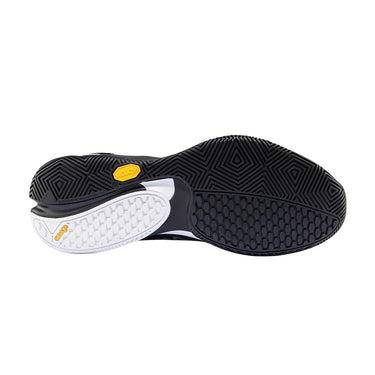
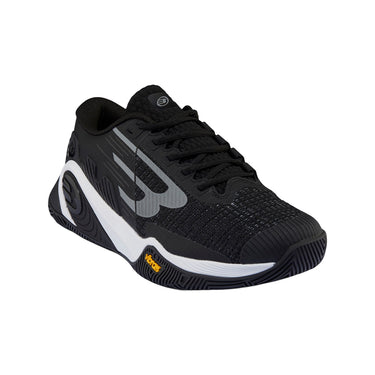
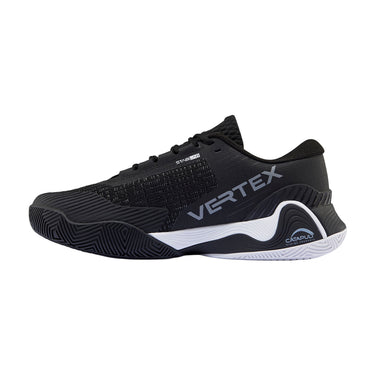

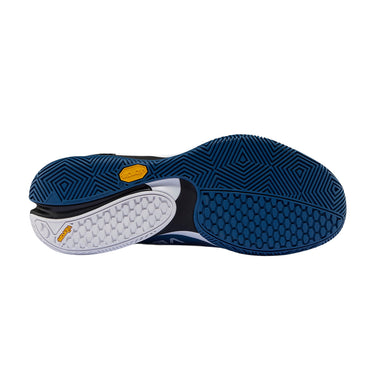
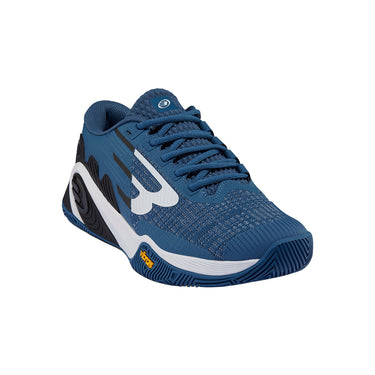
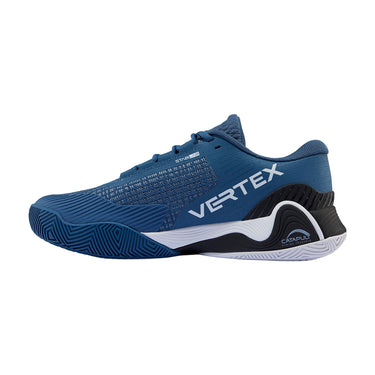

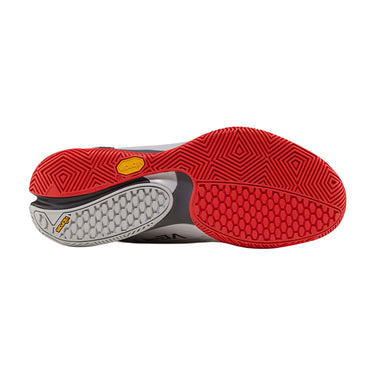
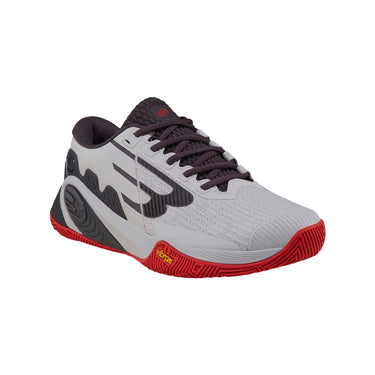
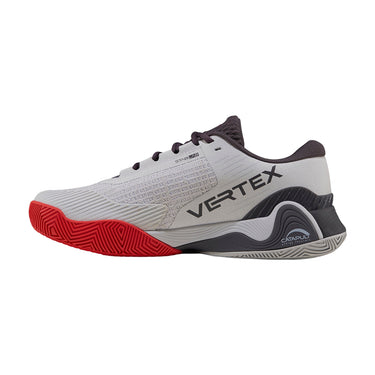

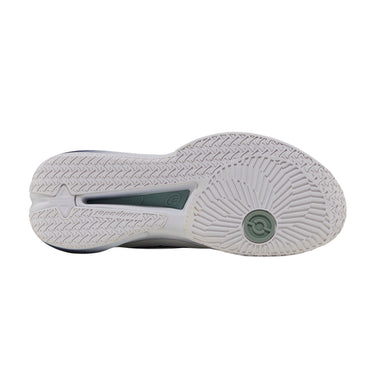
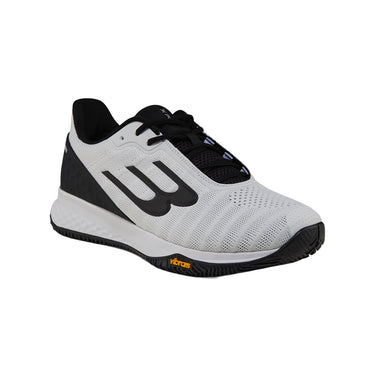
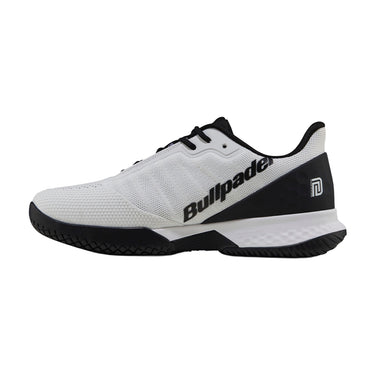

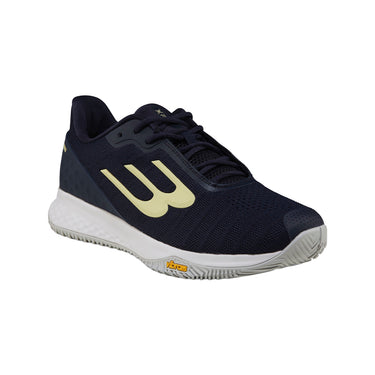
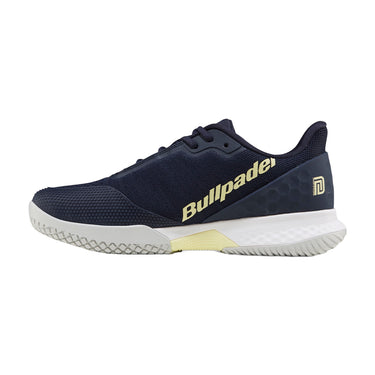

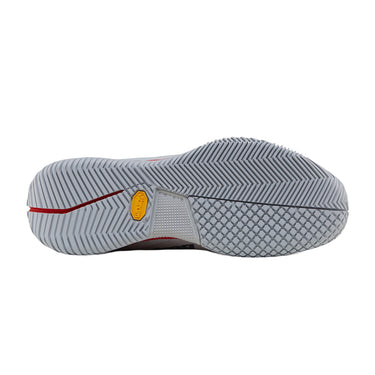
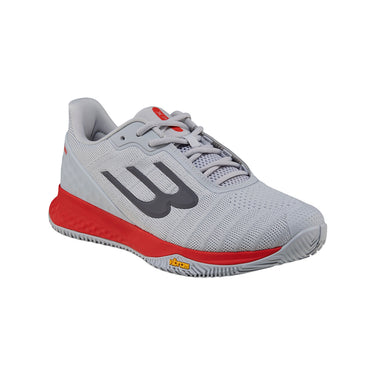
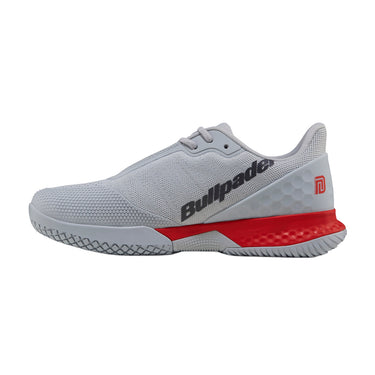

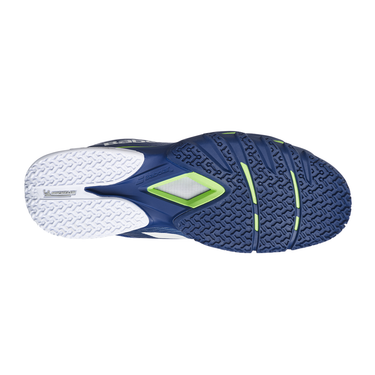
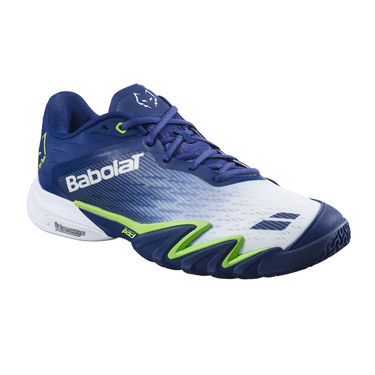
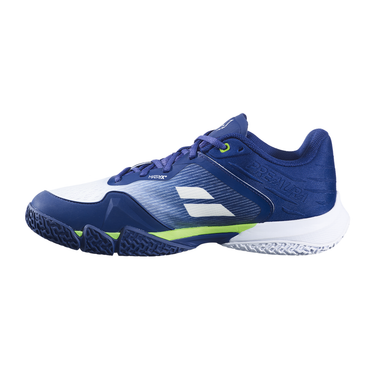

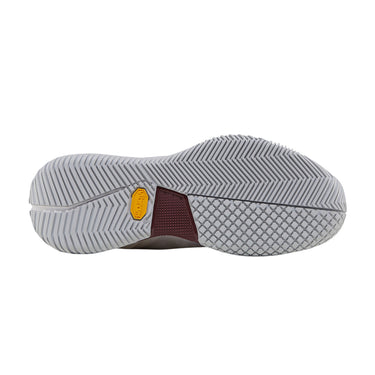
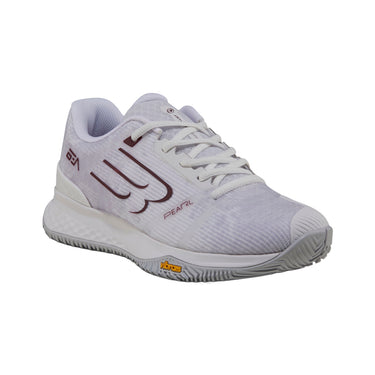
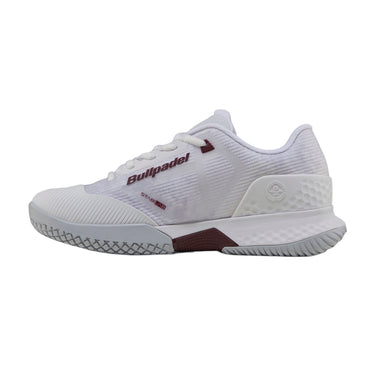

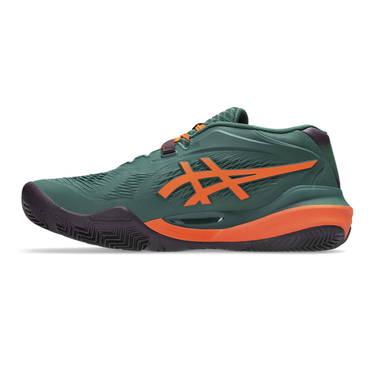
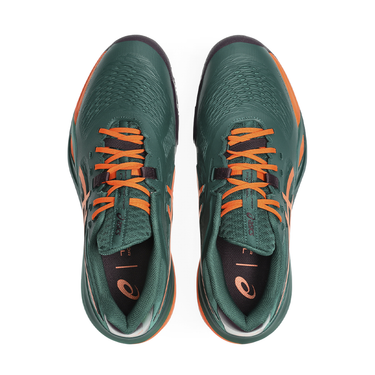
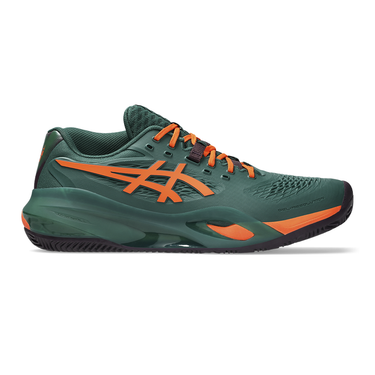
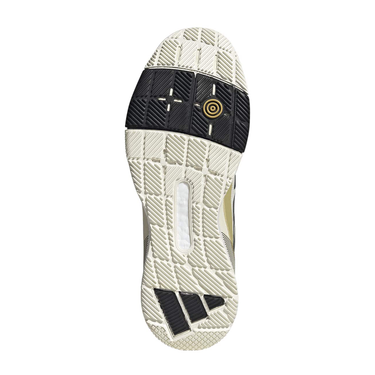
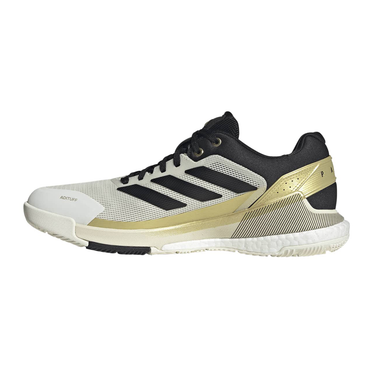
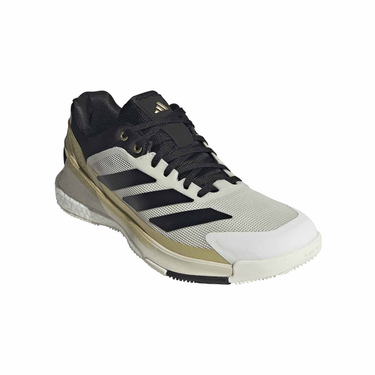
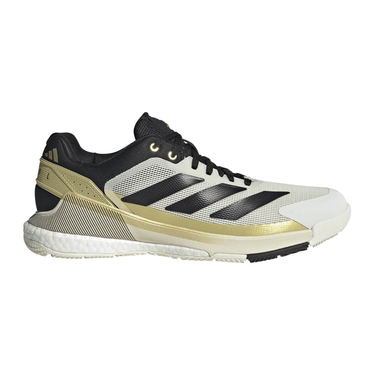
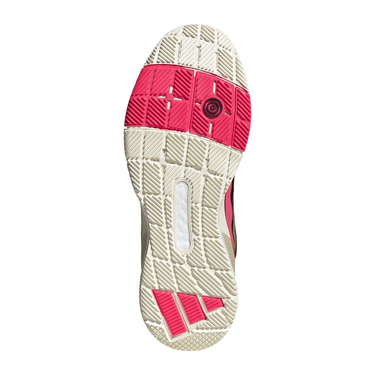
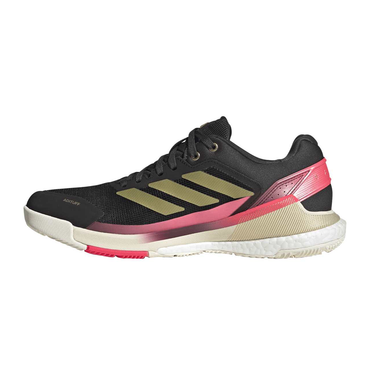
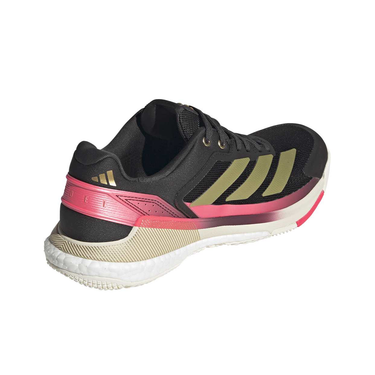
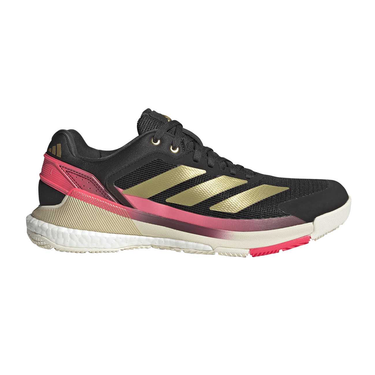
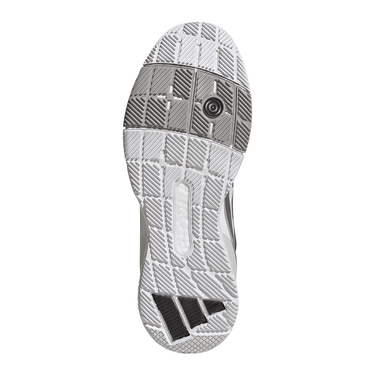
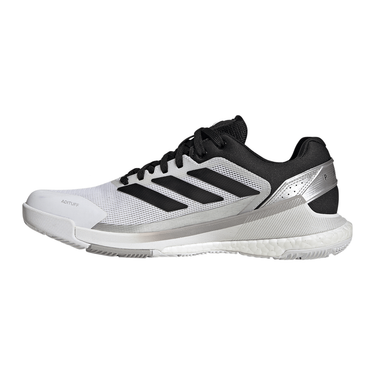
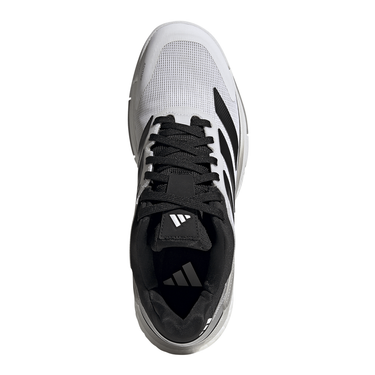

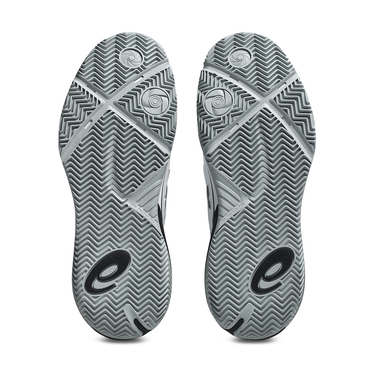
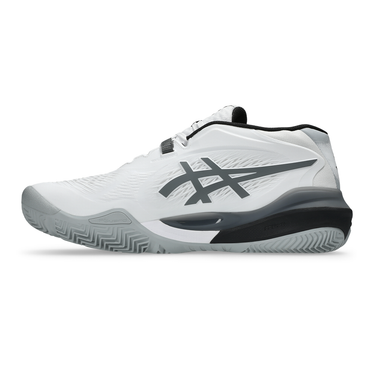
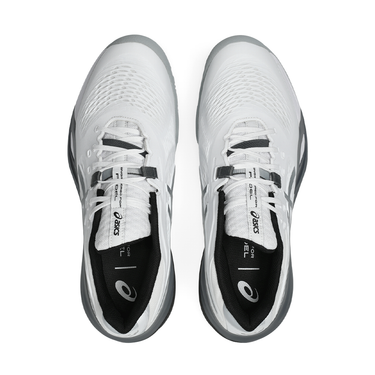
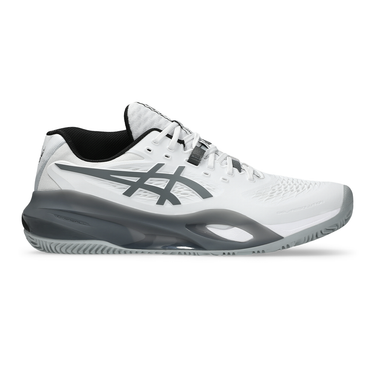
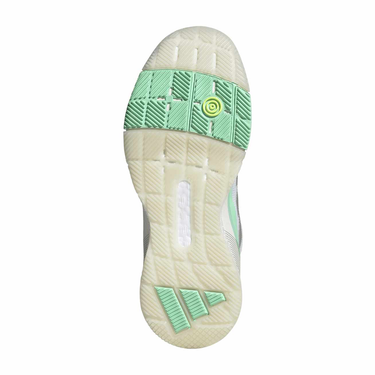
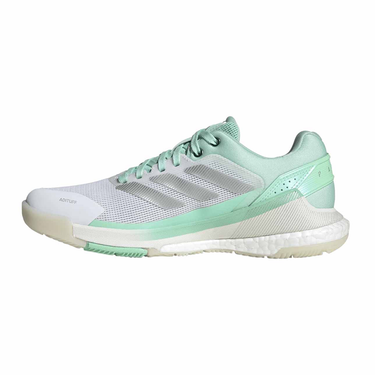
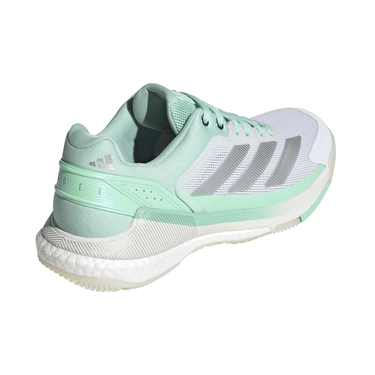

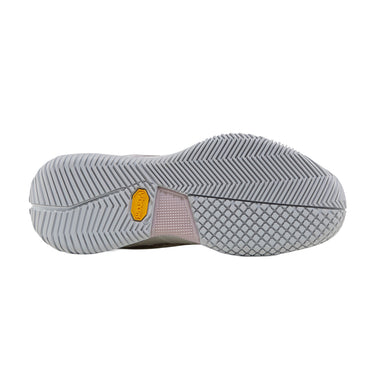
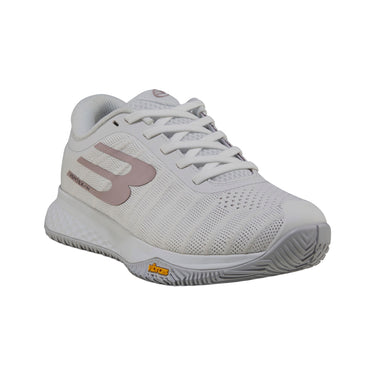
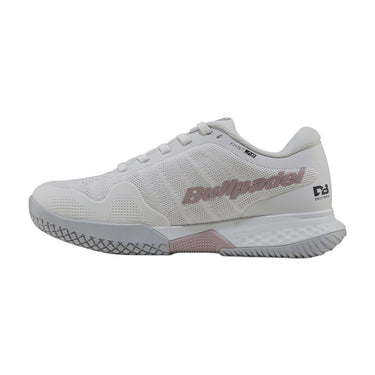

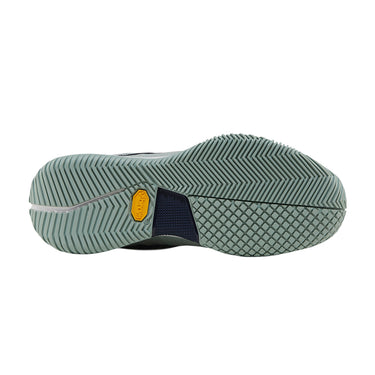
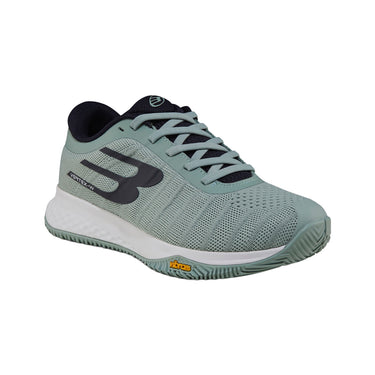
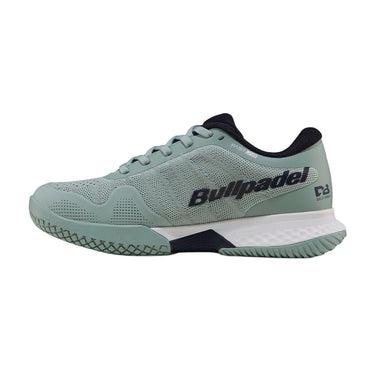

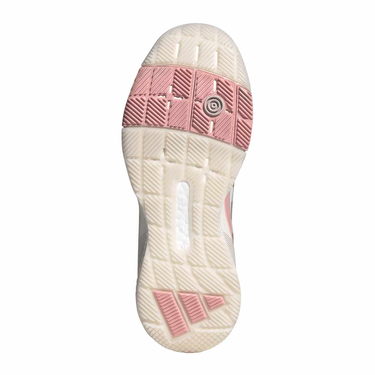
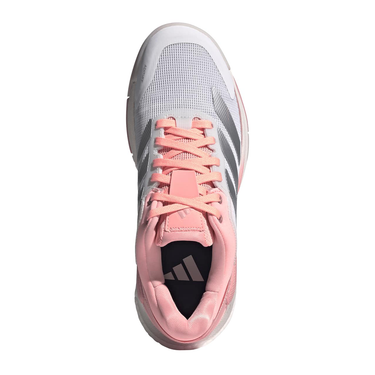
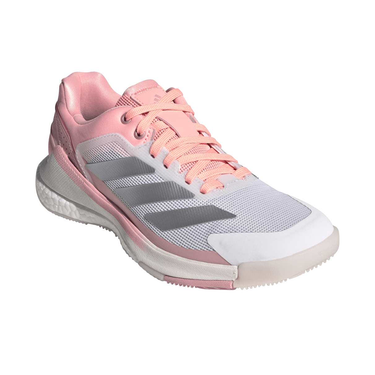

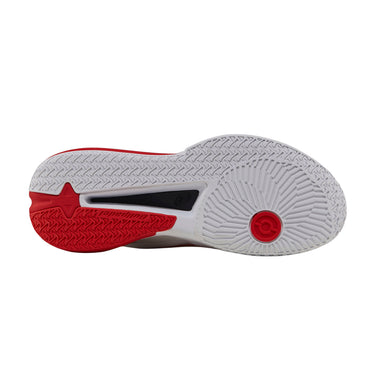
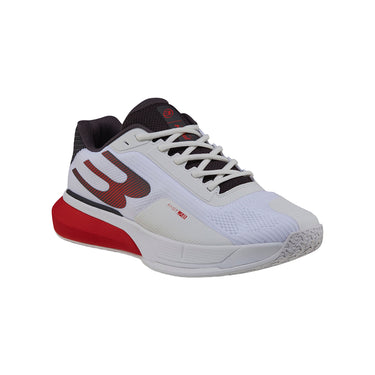
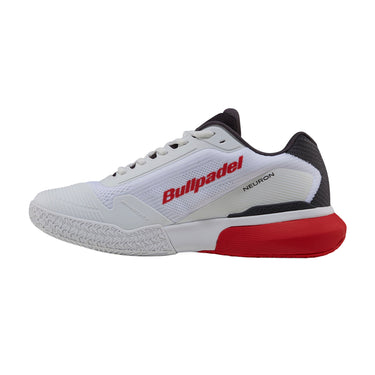

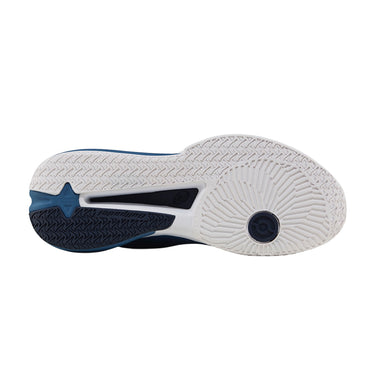
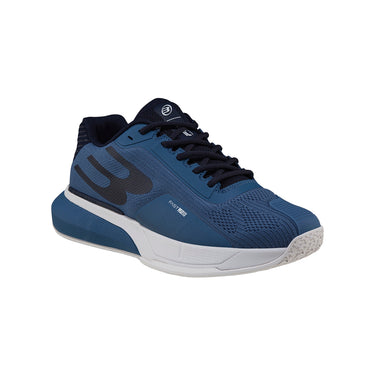
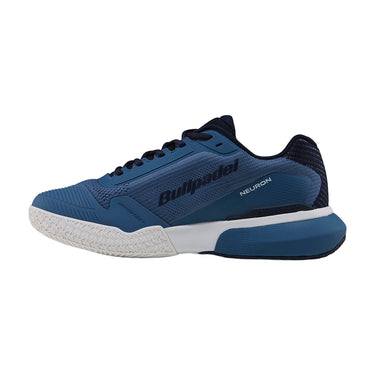

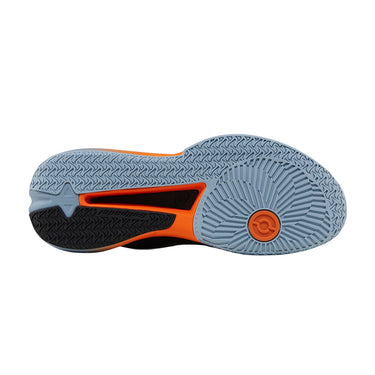
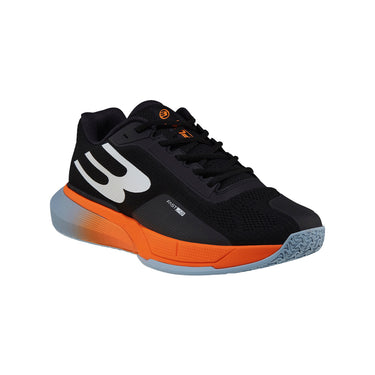
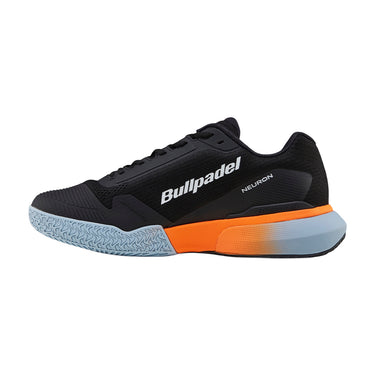

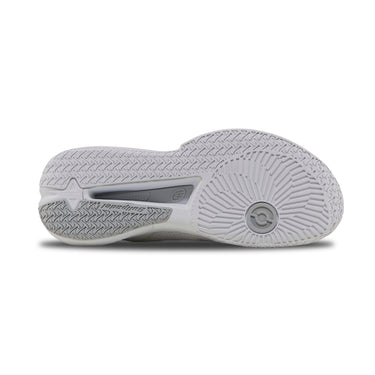
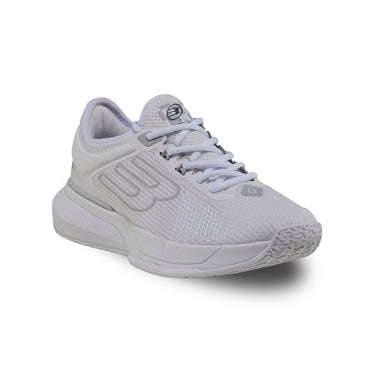
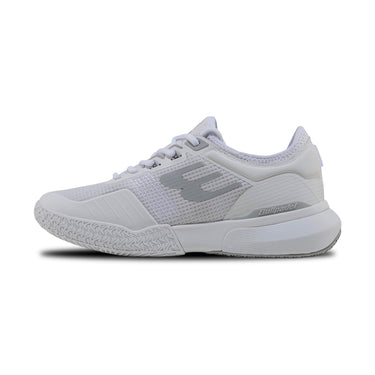

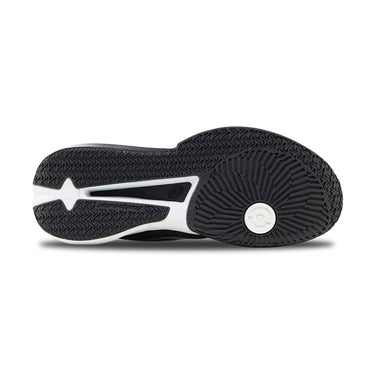
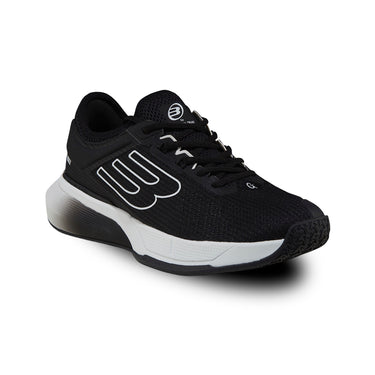
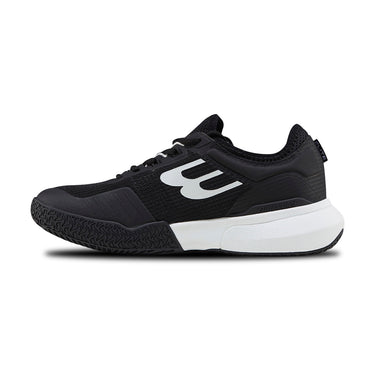


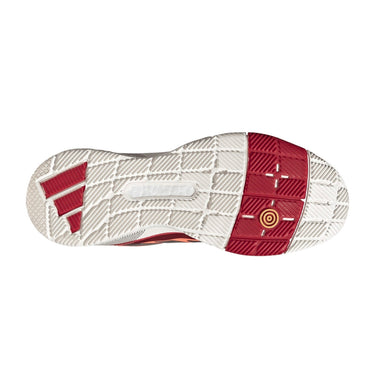
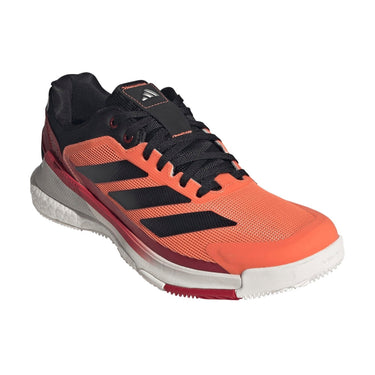
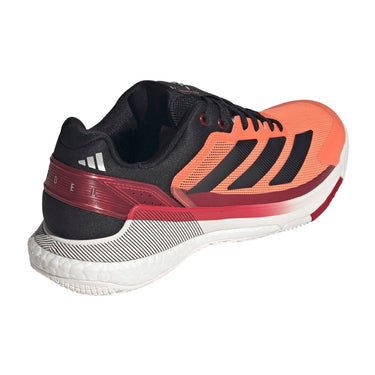
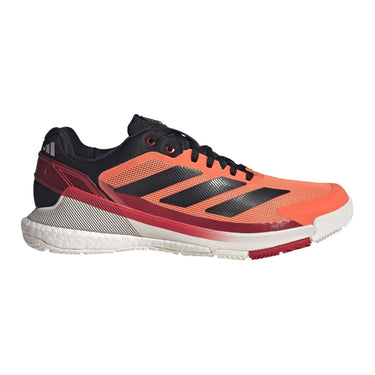
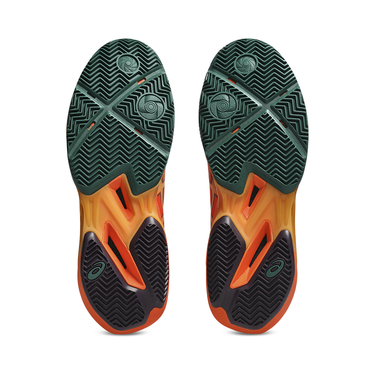
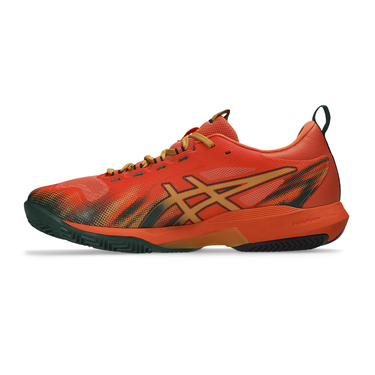
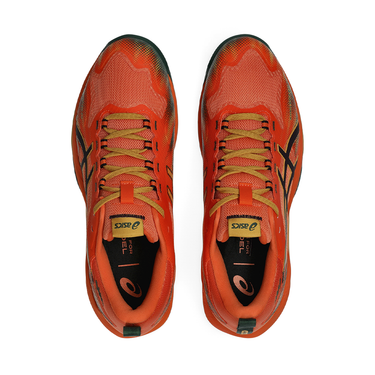
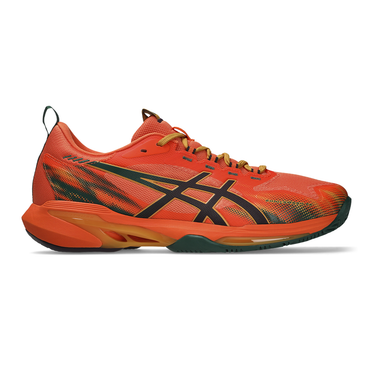
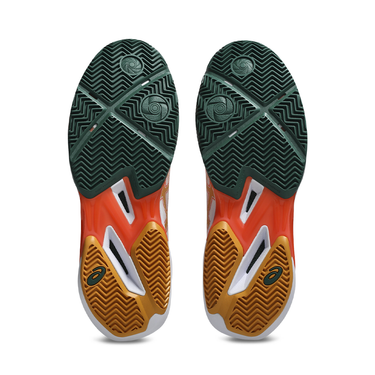
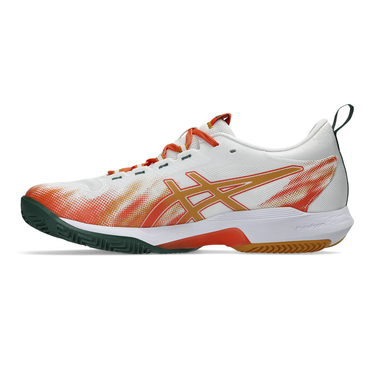
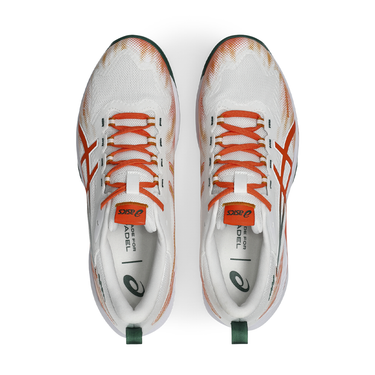
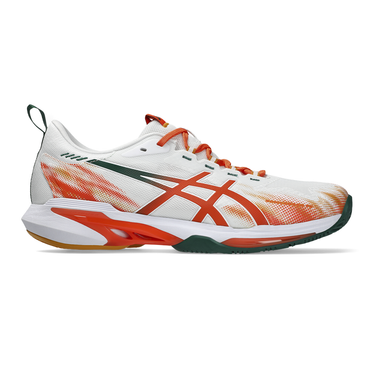
Padel shoes worn by professional players
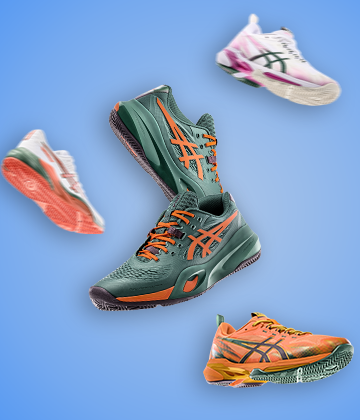
This collection groups the footwear models associated with players from the professional tour. It offers a different way to browse padel shoes: rather than starting from sole type or brand, you start from the professional whose game interests you.
There is a practical reason to look here even if you don’t follow any player in particular: the footwear you see on the tour is subjected to extreme use — several hours a day, constant changes of direction, different surfaces each week — so it tends to sit at the most demanding end of the catalogue in terms of support and durability.
What distinguishes a professional-profile model
- Reinforced lateral support. Greater containment in the midfoot and on the outer side, which is where the foot pushes when braking during a run.
- Toe reinforcements. The area that is dragged in volleys and when charging the net; under intensive use it is the first part to wear out.
- More durable sole compounds. Designed for many hours on court, although that can sometimes mean slightly more weight.
The trade-off: greater containment and reinforcement usually mean a shoe that is less flexible at first and requires a longer break-in period. If you play once or twice a week, a less extreme model may feel more comfortable from day one.
Who is included in the filter
The players filter for the footwear category includes male names such as Agustín Tapia, Ale Galán, Paquito Navarro, Juan Lebrón, Fede Chingotto, Martín Di Nenno, Juan Tello, Pablo Lima and Coki Nieto, and female names such as Alejandra Salazar, Bea González, Delfi Brea, Gemma Triay, Marta Ortega and Claudia Fernández. Brands present include Adidas, Asics, Babolat, Bullpadel, Drop Shot, Head, Joma, Lacoste, Nox and Wilson, and there are also junior sizes.
The sole still rules
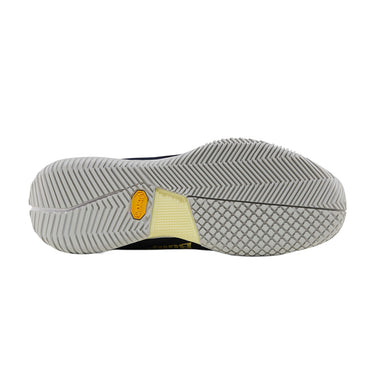
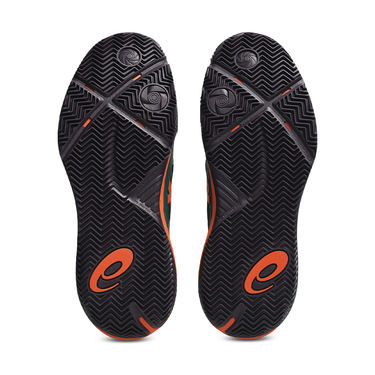
No matter how demanding the model, the factor that most determines grip is the sole pattern and how it matches the court you play on. Clay (herringbone) for surfaces with loose sand, all court if you alternate between different clubs, omni for courts with more loose sand and Padel Sole on designs specific to this sport. A professional-profile model with the wrong sole grips worse than a simple one with the right sole.
What professional padel demands from footwear
On the tour many matches are played in a row, with training sessions in between and surfaces that change from week to week. Movements are short and explosive, and within a single point there can be five or six changes of direction including braking.
That extreme use explains why models linked to professionals usually concentrate a brand’s technologies: more containment, more reinforcement and sole compounds designed to last. It also explains their counterpart, a shoe that is somewhat stiffer at first and has a longer adaptation period than a more versatile model.
Cushioning and energy return systems
The midsole is the component that absorbs impact and determines how you reach the end of the match. Each manufacturer’s cushioning systems work towards two opposing objectives: protecting the joints and returning energy on the next plant.
A denser midsole transmits ground information better, feels quicker and favours agility on the first step. A softer one cushions better and tires you less in long sessions. In competitive-profile models it is common to find mixed constructions, with greater density in the forefoot and more cushioning in the heel.
Stability, traction and fit
Lateral stability is the feature that most distinguishes padel footwear from a similarly styled sports shoe. Midfoot reinforcements and heel stabilisers prevent the foot from moving inside the shoe during a sudden support, and that containment is also what reduces strain on the ankle, one of the areas where most injuries occur in this sport.
Traction depends on the tread pattern and sole compound, and fit depends on each brand’s last. The three factors work together: the best sole in the catalogue is pointless if the foot moves inside the shoe.
Breathability and comfort
In long matches and hot conditions, the shoe’s upper has a big influence. Mesh and perforated areas improve breathability and prevent overheating; thermally bonded reinforcements add containment at the cost of some ventilation. Competition models usually seek a middle ground, with reinforcement where the foot pushes and mesh over the instep.
The sole: clay, all court and omni
No feature compensates for a poorly chosen sole. The clay or herringbone sole evacuates sand best and provides the most grip on the sand-based artificial grass courts. The all court combines patterns and is the option if you alternate between clubs or surfaces. The omni divides the grip across many small studs for courts with more loose sand.
Professionals change surface throughout the season and usually have several pairs; for an amateur player, the efficient choice is the pattern that matches the court you play on regularly.
Range and performance: what to expect
Models associated with professionals are almost always at the top end of the catalogue, which translates into lighter, more durable materials, more sophisticated cushioning systems and longer-lasting soles. It also means a higher price.
If you play twice a week, a mid-range model with the correct sole will give you very similar on-court performance. If you accumulate matches and training, the difference shows in how many months it takes before the toe area becomes worn.
Men, women and junior
Within lines linked to professionals there are versions for men and for women, and the main difference is the last: women’s models usually have a narrower forefoot and a slimmer heel. Sole and cushioning technology is usually the same. The audience filter also includes junior sizes.
Choose without focusing only on the player
A useful way to use this collection is to treat the professional’s name as a shortcut, not as a criterion. What still decides is the same as in the rest of the catalogue: the sole pattern suitable for your court, a last that holds without squeezing, and a level of cushioning appropriate to the hours you play.
If you like to follow Premier Padel and want to wear what you see in the broadcasts, this is the quickest entry point. Just check those three details before deciding and the choice will be sound for both reasons.
Where to follow
For the full catalogue with all filters, the entry is padel shoes. If you’re interested in the versatile sole, see all court shoes. And to view all the professional collections, Pro Players.
Frequently asked questions
Are these the same shoes used in tournaments?
They are the commercial models from the lines associated with those players. What a professional wears in a specific tournament may include customisations or correspond to a non-commercialised version, so we do not assert that exactly.
Do they last longer than normal shoes?
There is no general answer: durability depends on the sole compound, your foot strike and the abrasiveness of your court. What is common in these models is greater reinforcement in the wear zones.
Are these shoes better than the rest of the catalogue?
They are the highest performance level, which is not the same as being the best for you. If you play occasionally, a mid-range model with the right sole is more comfortable from day one.
Are they suitable for tennis?
It depends on the surface. Herringbone (clay) soles work well on clay courts, but they are not designed for hard courts, where wear is much greater and grip can be excessive.
Do I need this level of footwear if I play twice a week?
You probably do not need it, although it won’t harm you. At that frequency, lateral support and a sole suited to your court matter more than the reinforcement level designed for intensive daily use.
Top Ventas
Padel Market’s best-selling products.