




Filter and sort 1984 products
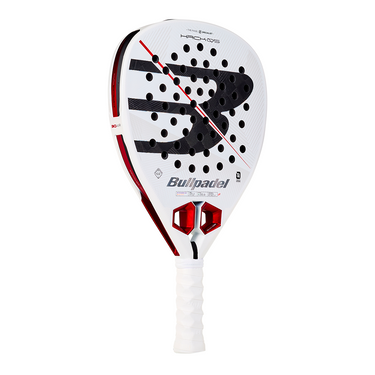
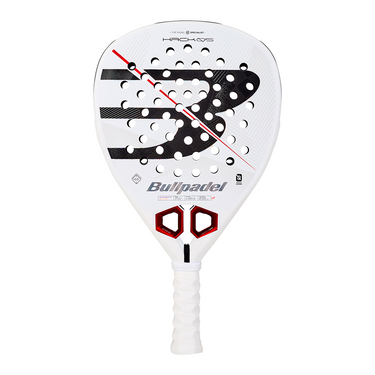
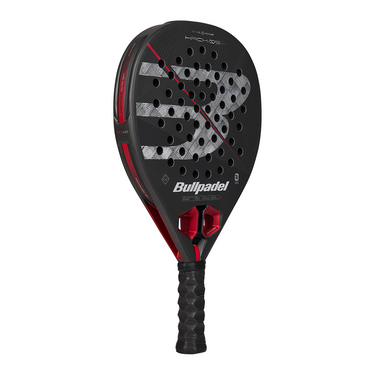
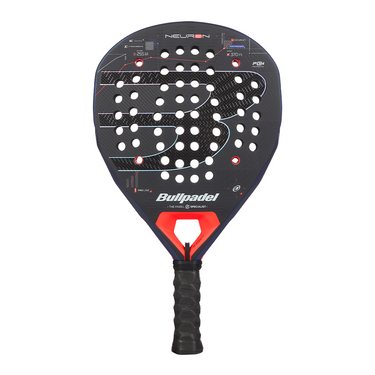
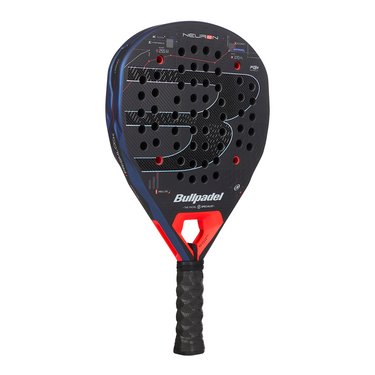
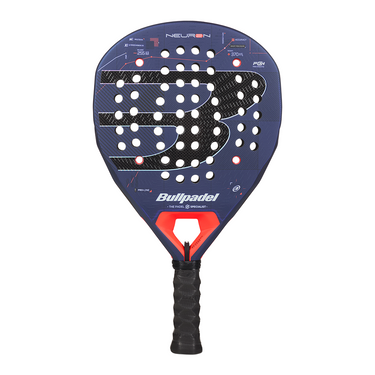
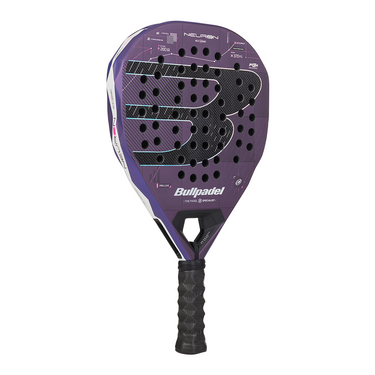
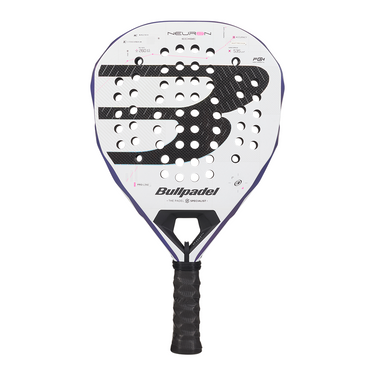
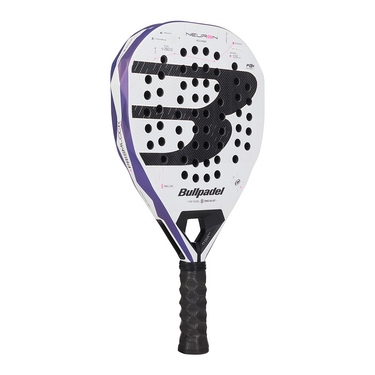
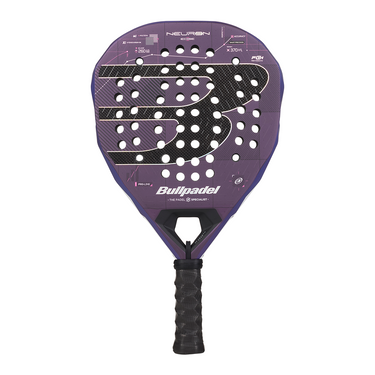
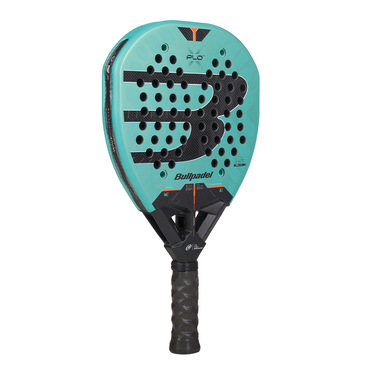



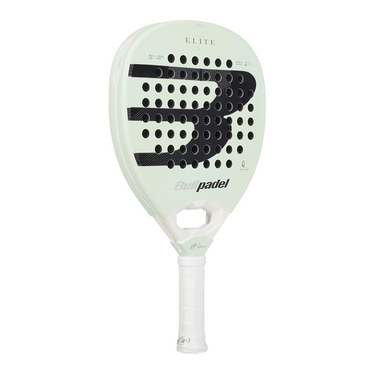
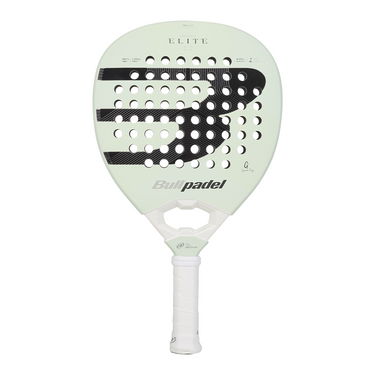
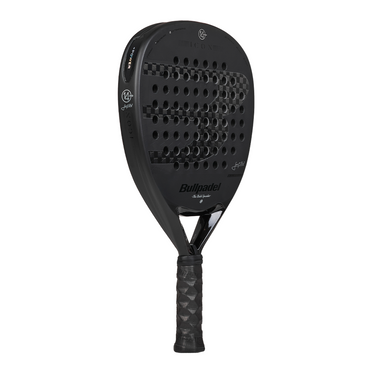

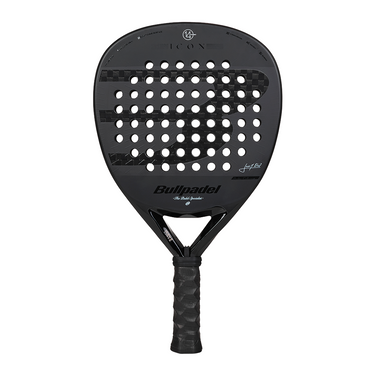
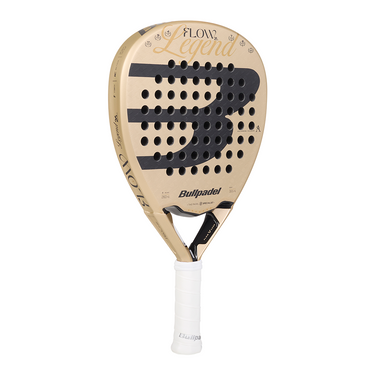
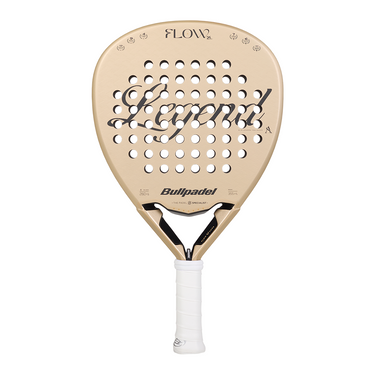
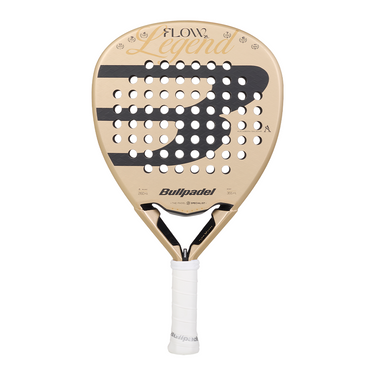
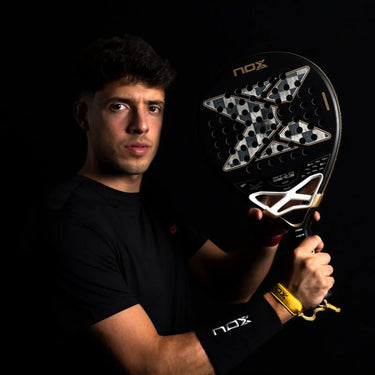
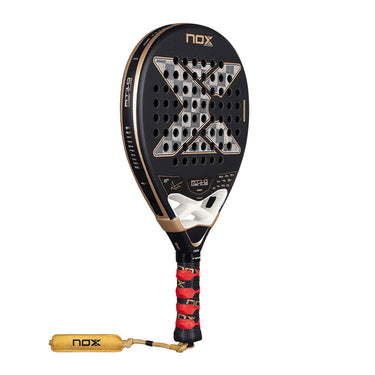
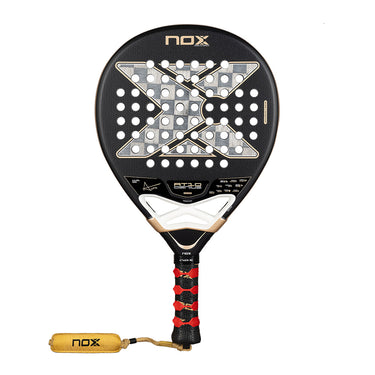
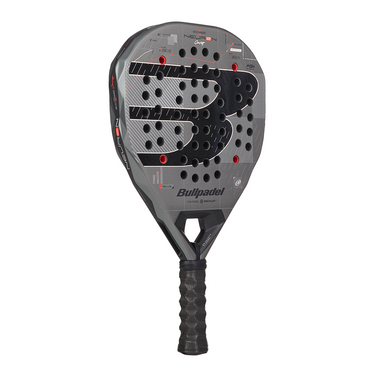
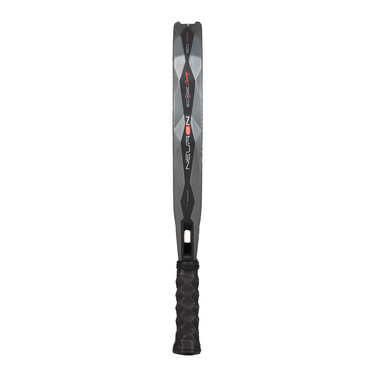
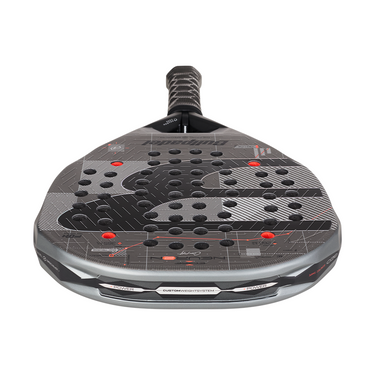
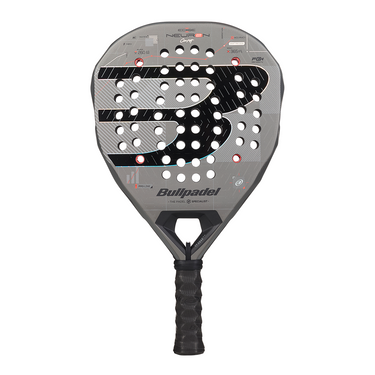
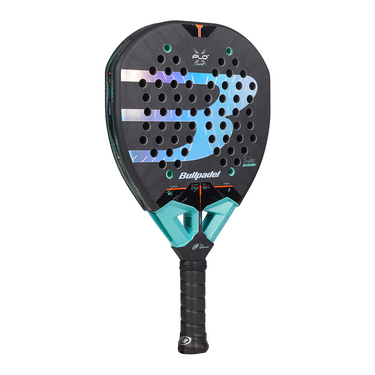
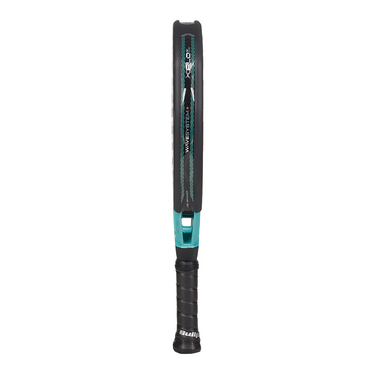
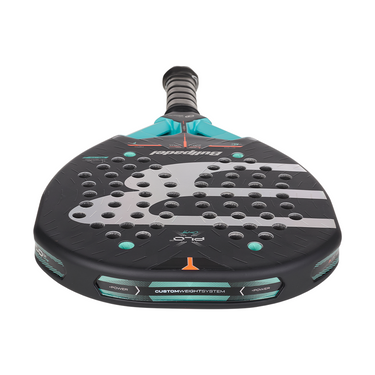
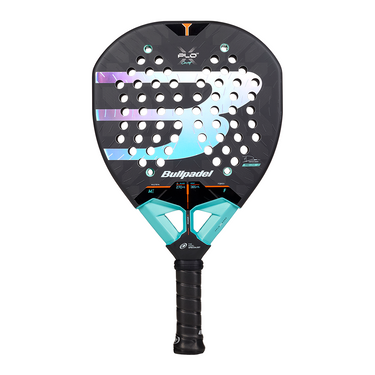

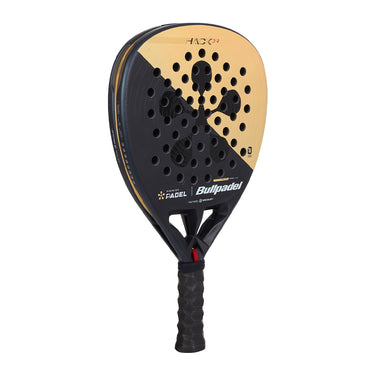
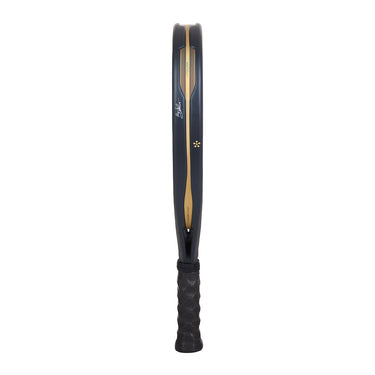

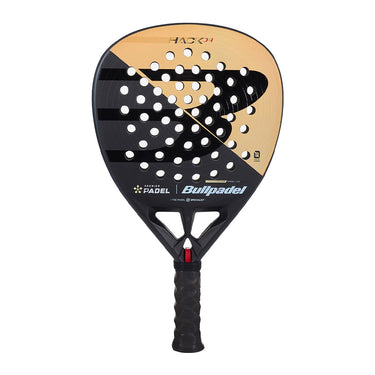
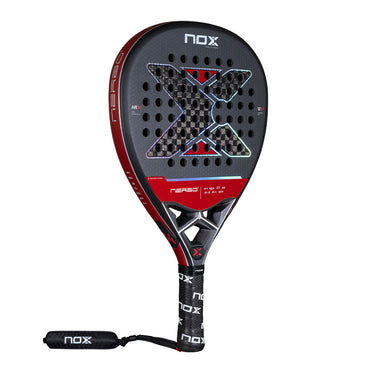
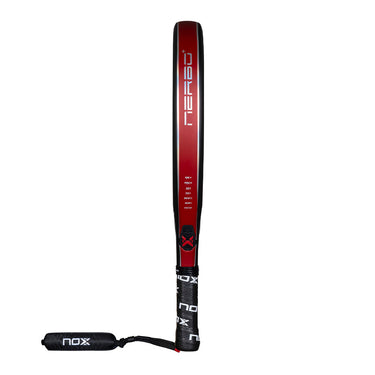

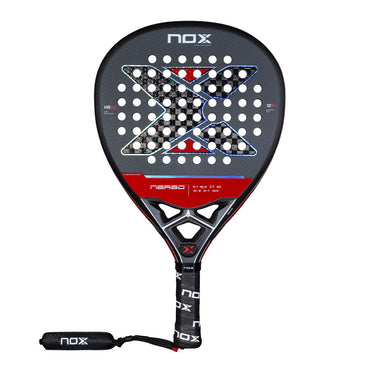
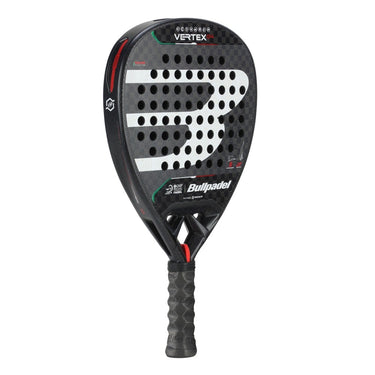
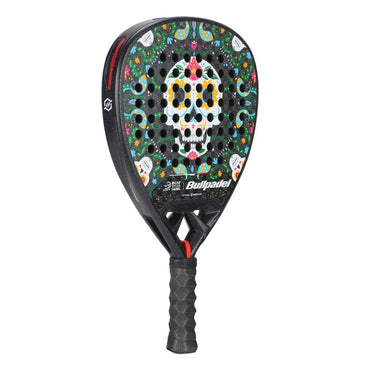
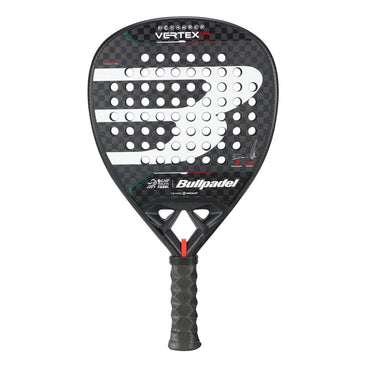
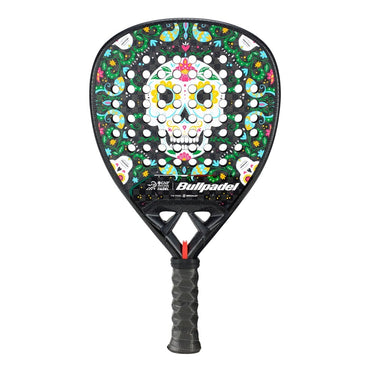
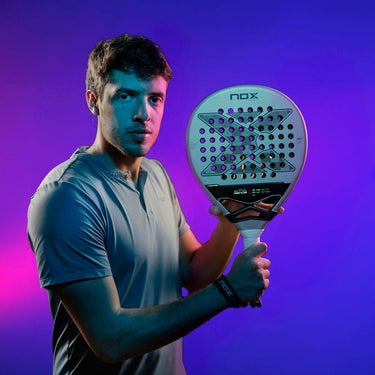
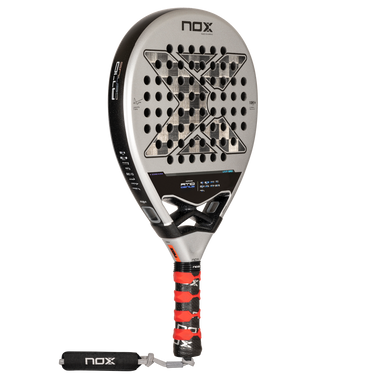
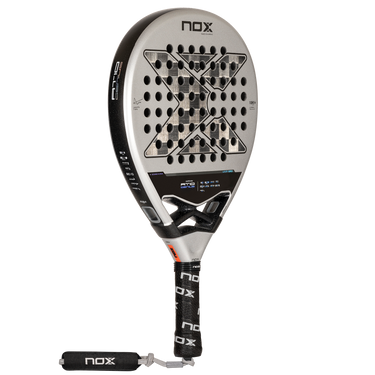
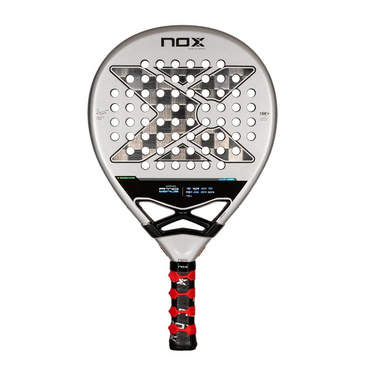

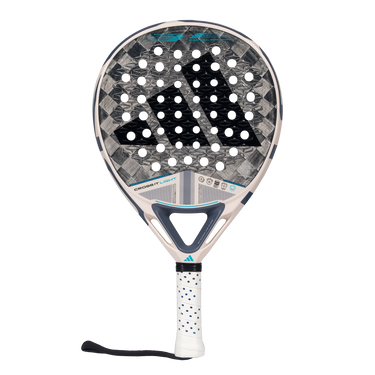


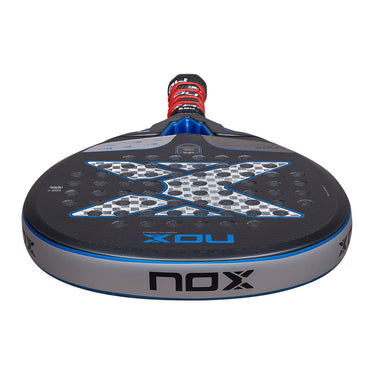
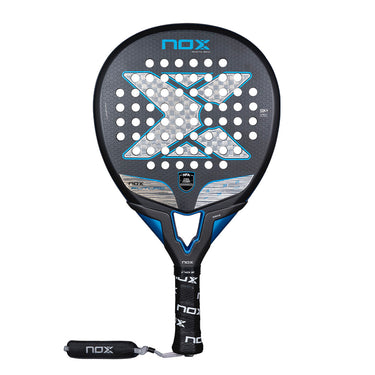
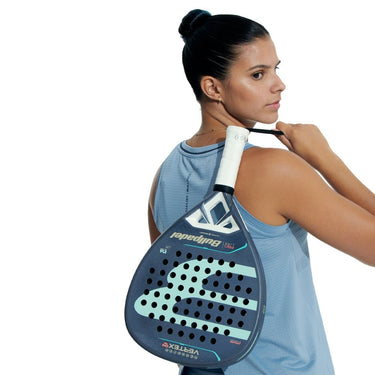


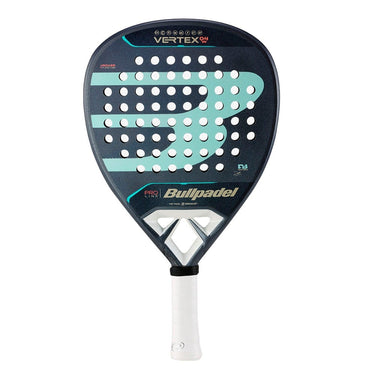
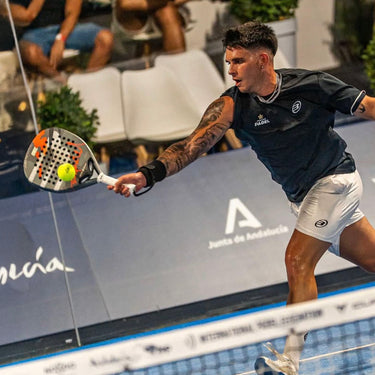
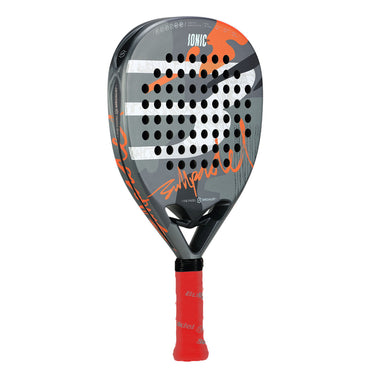
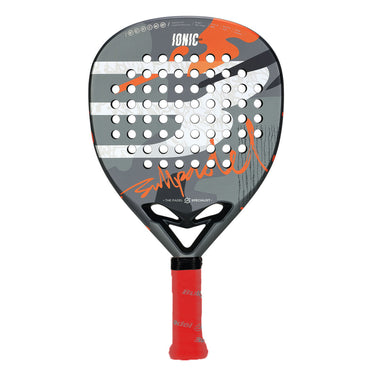
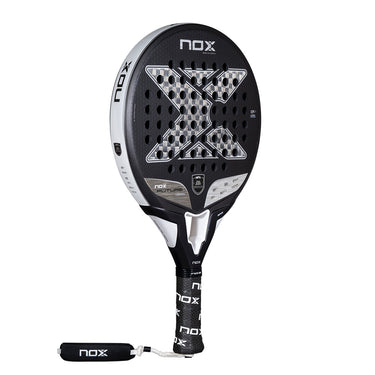
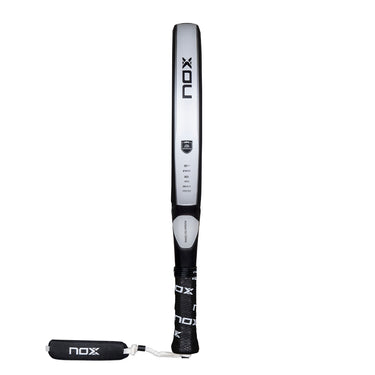
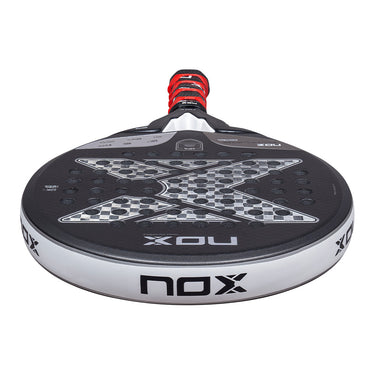
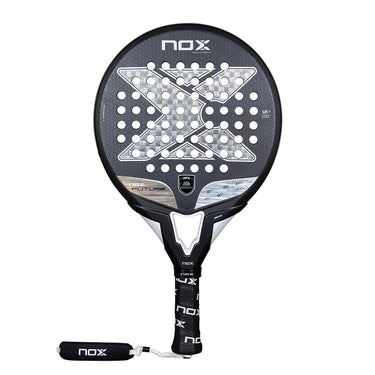
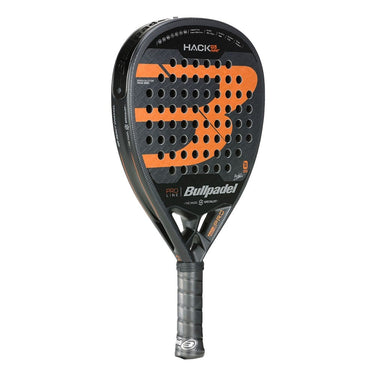
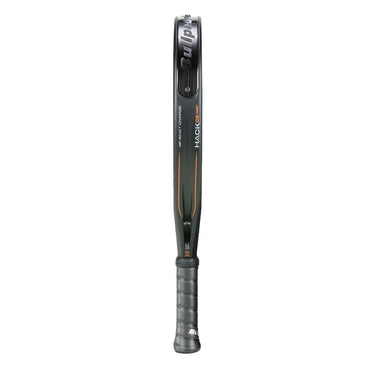
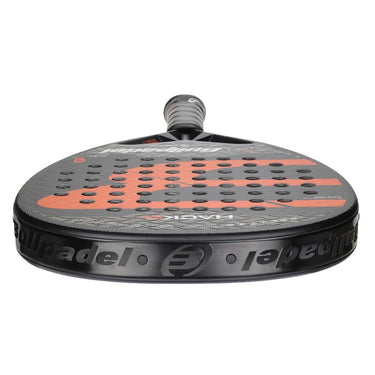
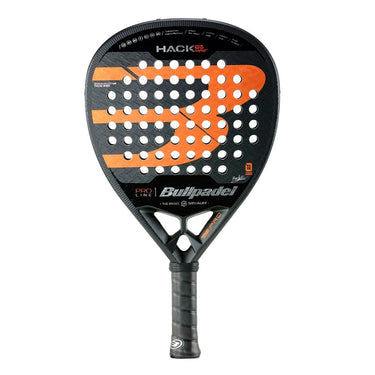
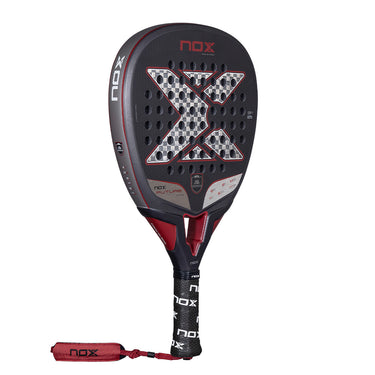
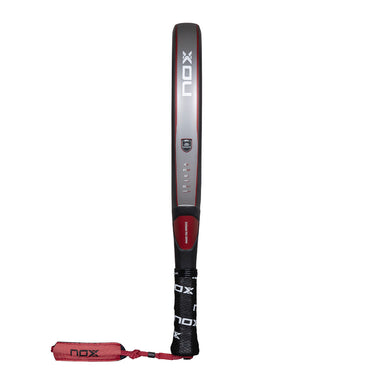
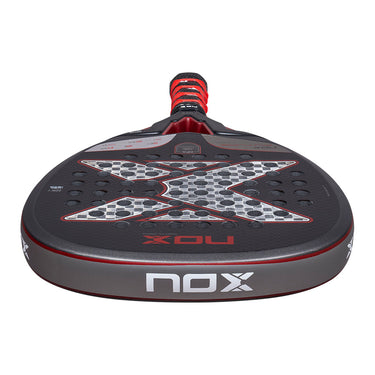
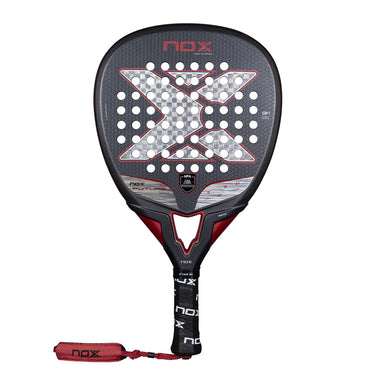
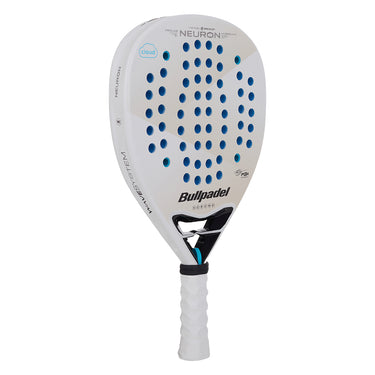

Padel brands: browse the catalogue by manufacturer
This page is the entry point by brand to the Padel Market catalogue. It is useful for anyone who already has a preference —because a previous padel racket worked well for them, because a footwear last suits their foot, or because they follow a sponsored player— and prefers to start there rather than filter by technical features.
It is a legitimate way to shop, but it helps to know what it gives you and what it does not. The brand is not in itself a technical criterion: within the same manufacturer you can find padel rackets that are round and diamond-shaped, shoes with clay or all-court soles, and clothing with very different cuts. If you search for the term 'padel racket' instead of another common name, it’s the same: both ways of naming it are covered here. What the brand does provide is continuity: similar lasts between models, a recognisable feel and a range structured by performance level.
Which brands are in the catalogue
Among the manufacturers available in the filters across categories are Adidas, Asics, Babolat, Belén Berbel, Black Crown, Bullpadel, Drop Shot, Head, Joma, Just Ten, Kombat, Lacoste, Lok, Nox, Paddle Coach, Puma, Royal Padel, ShockOut, Siux, StarVie and Wilson. Not all are present in every category: some focus on padel rackets, others on footwear and others on clothing, so the list changes depending on where you are browsing.
Within a single brand you will also find very different shapes —round, teardrop, diamond and hybrid— and materials ranging from carbon to fibreglass. For that reason the manufacturer name narrows the catalogue but does not decide the choice for you.
Specialist brands and general sports brands
Two manufacturer profiles coexist in the padel market and it helps to tell them apart before buying.
On one side are the specialist brands, born within the sport or dedicated almost entirely to it. They concentrate their catalogue on padel rackets, footwear and equipment, renew lines each season and usually have a strong presence on the professional circuit. On the other side are the general sports brands, with experience in other sports, which bring their know-how in footwear and technical clothing and apply constructions they already master to padel.
Neither profile is inherently better. Specialists tend to fine-tune playing performance; general sports brands often stand out in garment construction, lasts and quality control. The sensible approach is not to choose by manufacturer category but by what each does well in the type of product you want.
What really differentiates one brand from another
Design philosophy
Each manufacturer makes repeated decisions about how they build their products: which shapes they prioritise in their range of padel rackets, which stiffnesses they use, how they distribute weight, which last width they use in footwear. Those decisions remain fairly stable between seasons and are what players call a brand’s "feel".
On-court sensations
This is the hardest to explain and what creates the most brand loyalty. Two rackets with the same shape, weight and balance can feel different depending on how the face is constructed and what foam the core uses. That is why some players stick with a brand for years: not because it is objectively superior, but because the way it responds suits them.
Range structure
Almost all manufacturers organise their catalogue into three levels: entry, mid and high performance. The flagship model is usually the most demanding, with a high balance and a stiff construction; mid-range models share design and materials but with more forgiving builds. Looking at a brand’s full range, not just its top model, prevents buying a racket you cannot make the most of.
Presence on the circuit
That a brand sponsors top players says something about its development capacity and investment, but it does not automatically make all its products better. It is contextual information, not a purchasing criterion.
Continuity and replacements
A practical argument that almost nobody considers: brands with a stable catalogue make it easier to repurchase. If a shoe has worked for you, being able to find the equivalent model the following season saves time and reduces returns.
Choosing brand by category
In padel rackets
Here the brand should be the last thing to decide. First choose the shape —round for control, diamond for power, teardrop as a middle ground— then balance, weight and stiffness, and once you have those filters applied, consider the brand. When you look for "best padel rackets" what you are really seeking is the best racket for your playing style, and a logo does not resolve that.
In padel shoes
The brand matters more than with rackets because the last is specific to each manufacturer and determines whether the foot feels secure. If a model has fitted you well, sticking with that brand is a reasonable shortcut. But the sole type is still decisive: clay or all-court depending on your surface, and then the brand.
In clothing
This is where brand loyalty makes most practical sense, because patterning is often repeated across collections and you know what size to order. It is also the category where design and the personality of each label weigh more in the decision.
In bags and accessories
Brand is usually associated with the rest of the kit for aesthetic reasons. Functionally, what matters is capacity, interior organisation and the quality of zips and seams.
Brands and playing style
Although every manufacturer covers the full spectrum, there is a useful reading: within any brand’s range you will find models aimed at control and defence, with round shapes, low balance and good manoeuvrability, and models aimed at power, with more mass in the head and a higher sweet spot.
It is efficient to decide first which half of that spectrum you are in and then compare brands within that half. Comparing a control racket from one brand with a power racket from another will not lead to any useful conclusion, even if both are excellent.
Price, range and what to expect at each level
Price within a brand mainly reflects material quality and construction complexity. In padel rackets, entry-level ranges use more fibreglass and softer cores; high-end models use more carbon and more specific constructions. In footwear, what increases with price is cushioning, reinforcements and outsole durability.
Those looking for cheap padel rackets often find the best value in a brand’s entry-level range precisely because they share the design philosophy of the higher models. This is a safer route than chasing the lowest market price with no brand reference.
Seasons and line renewals
Manufacturers renew their collections each year, and that creates an opportunity. When a new season arrives, the previous one remains the same product: same construction, same materials, same feel. Buying last season’s high-end model often gives a better result than buying this season’s lower-range model.
The catalogue allows you to filter by season within each brand, which is a quick way to see what is available from each year.
How to compare two brands without getting lost
A working method: first set the technical characteristics you need —shape, balance, weight and stiffness for a padel racket; sole type, last and cushioning for footwear— and use those values as filters. Then look at which models from each brand meet them. Only then do the other factors come into play: price, design, availability of your size and, if it matters to you, affinity with a player or with a particular label.
This order avoids the most common error in the category, which is falling in love with a brand and then changing the technical criteria to justify it.
What you will find organised by brand
The catalogue includes brand collections in the different categories. In padel rackets you can browse Bullpadel, Nox, Wilson, Dunlop or Just Ten; in footwear, Lacoste or Asics; and in clothing, Bullpadel clothing or Babolat clothing.
There are also brand collections filtered by season, such as Adidas rackets 2025, Bullpadel rackets 2025 or Nox 2026. These are useful when you are looking for a specific season’s range rather than a brand’s complete history.
Choosing by brand without making mistakes
Start with the category, not the logo
A brand that is strong in padel rackets is not necessarily strong in footwear, and vice versa. If you are looking for trainers, the last and the sole type weigh more than the coherence of having all your kit from the same manufacturer.
Last continuity is a good argument
For footwear and clothing, sticking with a brand you know fits you saves returns. It is probably the best reason to choose by brand.
Look at the range, not only the top model
Almost every manufacturer structures their catalogue by levels. A brand’s flagship model is usually the most technically demanding; the brand’s mid-range products share the design philosophy and are more manageable.
What to check on the product page, whatever the brand
A complete product page is worth more than any reputation. These are the details you should find before you click buy, and they apply equally to an international label and to a small brand.
- For a padel racket: shape, weight in grams, balance, face material, core type and recommended level. If balance or the foam type are missing, you lack the information to decide.
- For shoes: sole type, cushioning system, reinforcements and a size guide for that specific brand.
- For a garment: fabric composition and a measurement table, not just the nominal size.
- For a bag: number of compartments, whether a thermal compartment exists and for how many rackets, and the carry system.
When two products from different brands are tied on those data, the decision is yours: price, design or personal preference, and any of the three is a valid reason.
Availability, sizes and stock
There is a practical factor that decides more purchases than it seems. A brand may suit you perfectly and not have your size available in the model you want, or it may have sold out the current season’s reference. This is most frequent with footwear and clothing because central sizes run out first.
Two common-sense tips. If you find the model and size you need from a brand that already fits you, don’t leave it for later: in clothing and footwear a specific season’s restock does not always arrive. And if your size is not available, check the previous season of the same line before switching brands; it is often the same product in a different colour.
Common mistakes when buying by brand
- Choosing the flagship model just because it is the flagship. It is the most demanding in the range, not the most suitable for most players.
- Transferring confidence from one category to another. That a brand works for you in padel rackets says nothing about how its footwear last will fit you.
- Discounting brands for being unknown. Technical criteria do not depend on the logo, and several specialist labels have excellent constructions with less sponsorship budget.
- Buying all your equipment from the same manufacturer for aesthetic coherence. It is a legitimate choice, but be aware you are choosing by design and not by performance.
- Trusting a generic ranking of best brands. Almost none take into account your level, playing style or budget, which are the three variables that truly decide.
Browse brands according to what you need
Filter combinations do almost all the work. If you are looking for kit for men, women or juniors, the audience filter narrows more than any other; if you are buying a gift, entering via a well-known brand is usually the safest bet because it covers all catalogue categories, from rackets to consumables.
And if what you want is to compete, bear in mind that each manufacturer’s high-end ranges are designed for quick shots and the pace of competition, while mid-range models suit weekend padel better. As an online padel shop, the advantage is being able to compare all those options under the same criteria rather than brand by brand.
Frequently asked questions about padel brands
Which padel brand is best?
There is no general answer because each manufacturer covers different profiles within its own range. A more useful question is: what shape, balance and stiffness are you looking for? Once that is clear, several brands will have a valid option.
Is it worth having all your kit from the same brand?
Aesthetically yes, technically it adds nothing. Racket, footwear and clothing respond to independent criteria, and it is sensible to choose each piece for what it does well.
Are there real quality differences between brands?
There are differences in construction and quality control, but among established sector brands the differences are smaller than those between ranges within a single manufacturer. A high-end range from a mid-sized brand is often above an entry range from a large brand.
Which brand should I choose if I am starting out?
Any brand that offers a well-designed beginner range. The important thing is not the name but that the racket is round, has a moderate weight and a medium or soft stiffness. With that filter, several brands will serve you well.
Can I trust a brand I don’t know?
You can, if the product page is complete and details shape, weight, balance, face materials and core type. A vague product page is a worse sign than an unfamiliar brand.
Are lesser-known brands worse?
Not necessarily. A brand’s size says more about its presence on the professional circuit and its sponsorship investment than about the construction of a specific model. Technical criteria —shape, balance, materials, stiffness— remain the same regardless of the logo.
Top Ventas
Padel Market’s best-selling products.