



Filter and sort 0 products
Test padel rackets: try before you buy
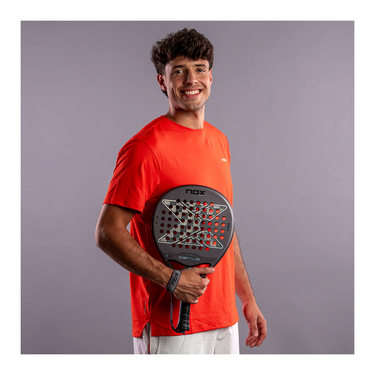
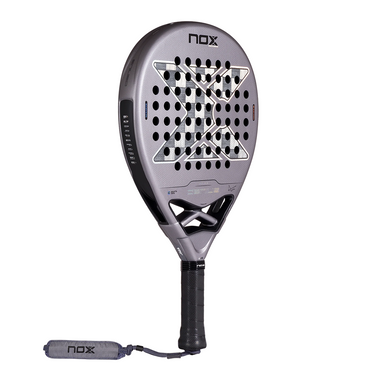
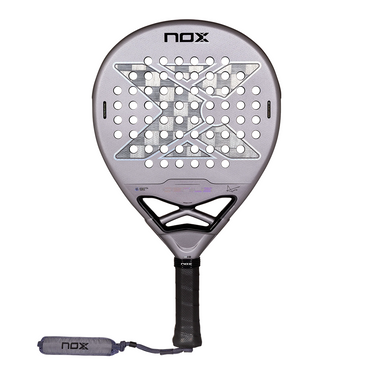
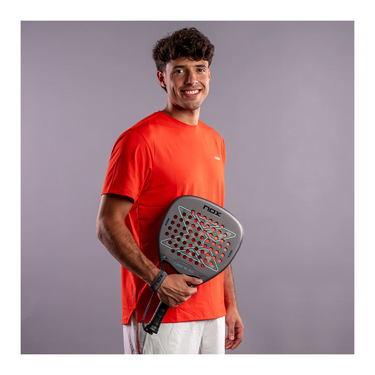
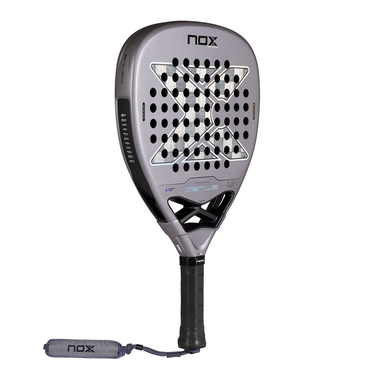
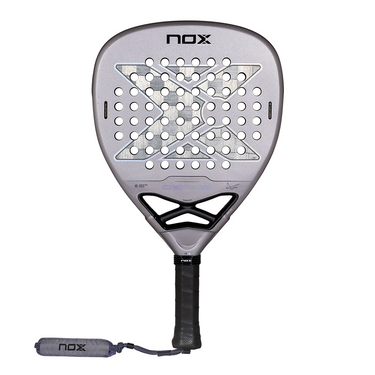
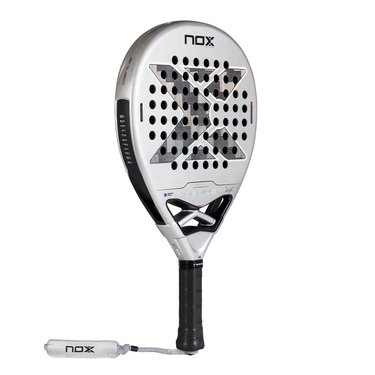
A test padel racket is a unit intended for you to assess on court how a model responds before committing to purchase. It’s the most reliable way to resolve the question that no spec sheet fully answers: how that padel racket feels in your hand and with your stroke.
Because that’s the trap of buying padel rackets by specifications. Two models with the same shape, almost identical weight and similar balance can feel very different, and there’s no way to predict it by reading. Frame stiffness, the mass distribution within the face and the core’s response are noticed when you hit, not by comparing figures.
When it’s really worth testing
- When you change shape. Moving from round to diamond, or vice versa, is the change you notice most and the one most often misjudged when buying blind.
- When you increase your demands. A stiffer padel racket or one with more head balance can seem perfect on paper and feel uncomfortable after forty minutes of play.
- When you’re carrying discomfort. If you’ve had elbow or shoulder problems, stiffness and residual vibration are things you should feel before deciding.
What to compare between two test padel rackets
If you’re going to try more than one, it’s worth being clear about what separates them on paper before stepping onto court. The four key details are shape, balance, stiffness and face material: carbon for a more direct response, fibreglass for a more flexible feel, or a combination of both. With those differences in mind, the test stops being “which do I like more” and becomes “what changes when I change this”.
It’s also the best way to discover whether what you’re after is a versatile padel racket or a specialised one. Many players think they want power and, when they try, realise what they were missing was control when the ball comes off the wall.
What you learn by testing that the spec sheet doesn’t say
There are four things that only appear on court. The first is real accuracy: where the ball goes when you don’t hit it centred. The second is versatility: whether the padel racket serves you both for defending from the back and finishing at the net, or if it only shines in one of those situations.
The third is fatigue: a padel racket can feel comfortable in the first twenty minutes and heavy by the third set. And the fourth is how your arm feels at the end of the match, which is the detail no specification anticipates and the one that matters most if you play several times a week.
That’s why a well-conducted test resolves doubts that comparisons between ranges and brands do not. Two teardrop padel rackets with the same weight can feel opposite depending on how the mass is distributed within the face.
The cost of getting it wrong
The financial benefit of testing is straightforward to calculate. A high-end padel racket represents a significant investment, and a wrong choice usually ends one of two ways: stored in the wardrobe or sold second-hand at a loss. The cost of a test is always less than that mistake.
And there’s an added factor: testing accelerates your learning about your own game. After comparing two or three options, most players can describe quite precisely what type of padel racket they need, something they only intuited before the test.
Who it makes most sense for
- Players renewing at the high end. That’s where the most money is at stake and where differences between models are subtle.
- Those coming from injury or experiencing discomfort. Stiffness and vibration are felt, not read.
- Those who change their playing style. If you’ve gone from playing from the back to coming to the net more, your previous padel racket may no longer suit you.
- Clubs and coaches. Trying different types helps to recommend with judgement to pupils.
For someone just starting, however, testing is less useful: without an established stroke, differences between models are barely perceived and almost any forgiving padel racket will do.
Caring for the equipment during the test
Two practical recommendations. Use the protector if the unit comes with one, because the edge is where damage starts and a low drop shot is enough to mark it. And avoid leaving the padel racket in the sun or inside the car between matches: heat degrades the core rubber and internal adhesives, and that affects the unit another person will later try.
Treat the test padel racket as you would your own and the experience works for everyone.
Conditions of the test
The condition of each unit, the period and the specific return conditions vary by reference and are part of the information on the product sheet and the store’s terms of sale. It’s advisable to check them before reserving, because they are not the same as in a conventional purchase.
How to make the most of a test
A couple of ideas that significantly change the outcome. Play a full match, not just a few rallies: handling differences show when fatigue sets in. And try the shots you struggle with, not the ones you already master, because that’s where a forgiving padel racket makes the difference versus a demanding one.
It’s also wise not to change two variables at once. If you try a new padel racket on the same day you debut new trainers or change courts, you won’t know what to attribute the feeling to.
Where to go next
If you already know which characteristics you’re looking for and prefer to go straight to them, the general category with the full filter for shape, balance, stiffness and level is padel rackets. And if you want to see what’s selling most before deciding what to try, you have the best-selling padel rackets.
Frequently asked questions about test padel rackets
How does a test padel racket differ from a new one?
It’s intended for testing, so it may have been used. Its condition and specific terms appear on the product sheet for each reference, which is where you should check them first.
How much time is needed to assess a padel racket?
A full match gives far more information than a few minutes of warm-up. Differences in handling and fatigue appear in the second half, not in the first shots.
What should I look for while testing?
Three specific things: whether the ball leaves cleanly when you hit off-centre, whether you reach the volley in time or the padel racket lags behind, and how your arm feels at the end. Those three answers are worth more than any specification.
Top Ventas
Padel Market’s best-selling products.