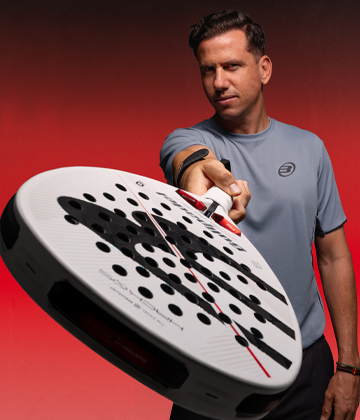
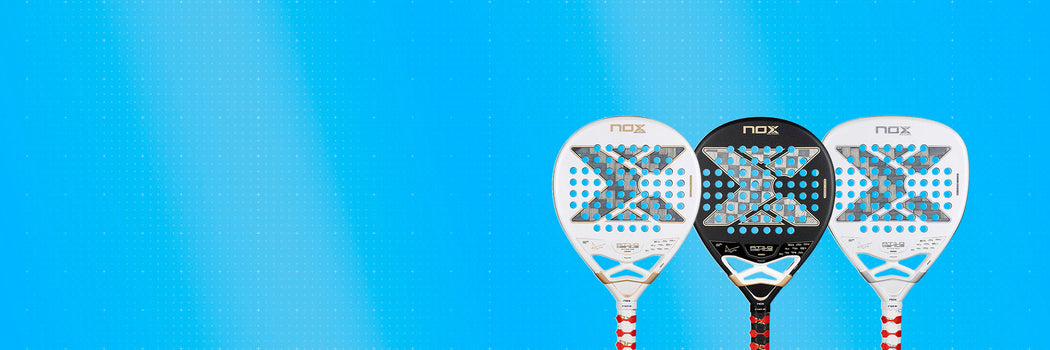
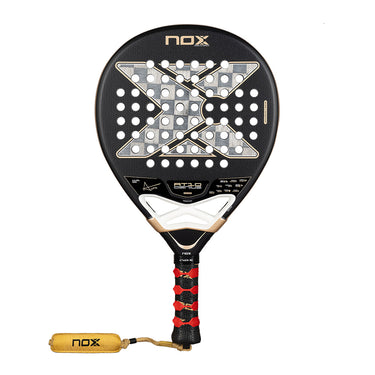
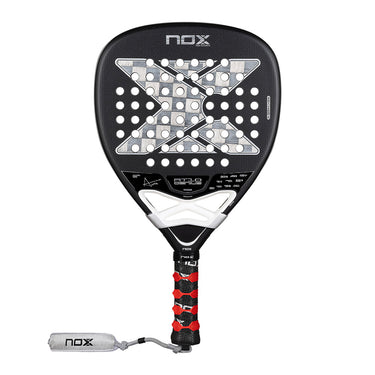
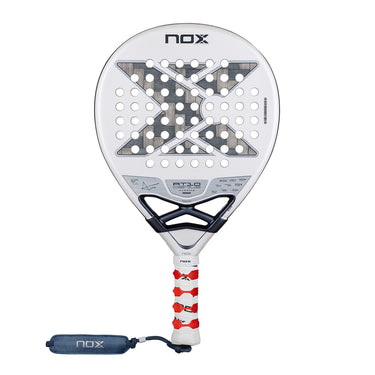
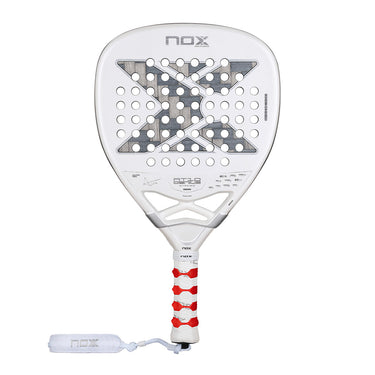
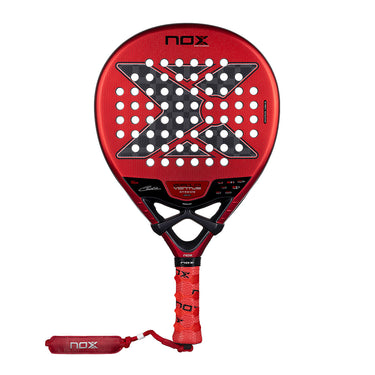
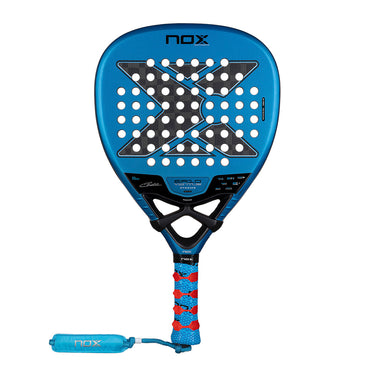
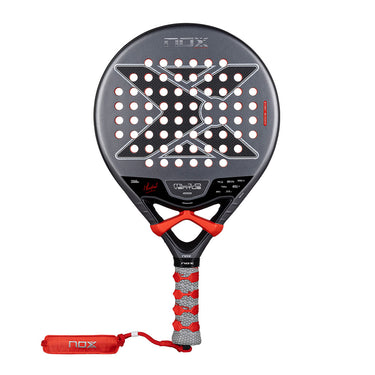
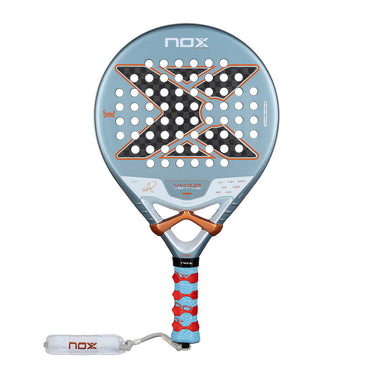
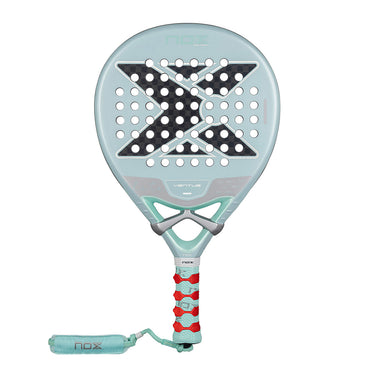
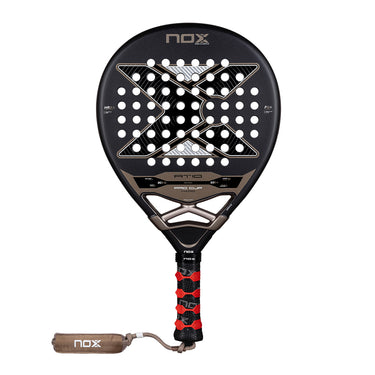
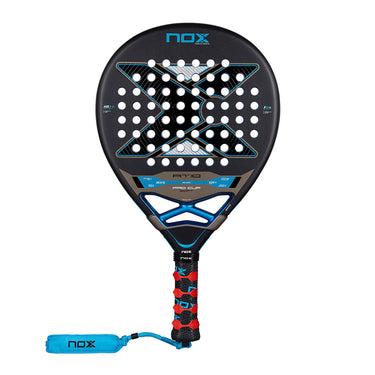
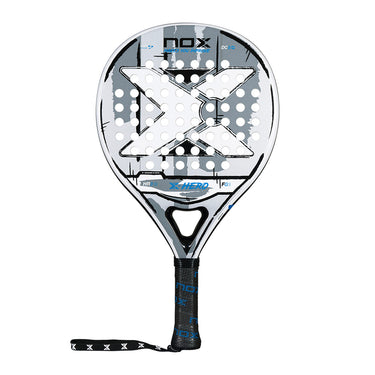
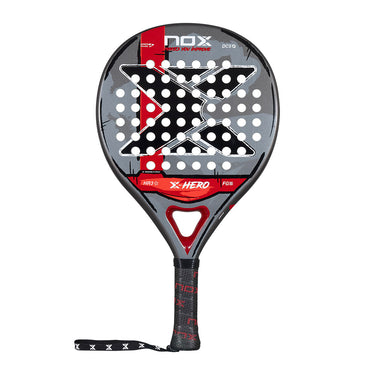
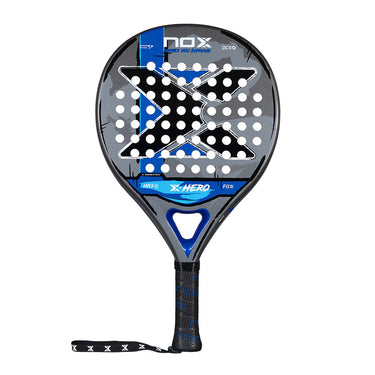
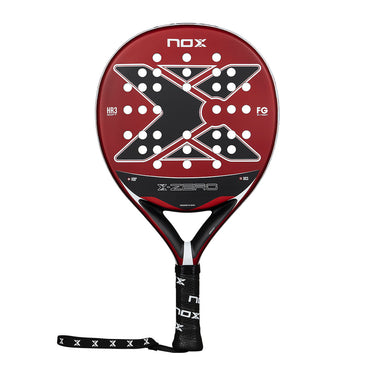
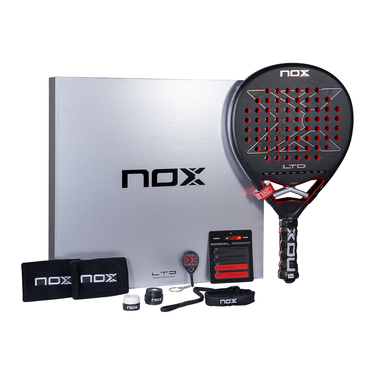
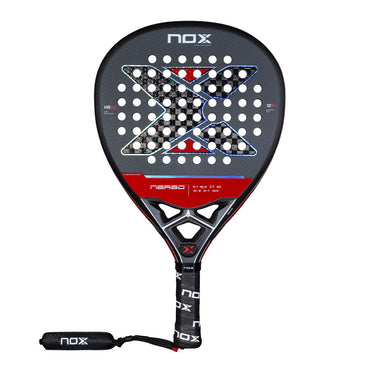
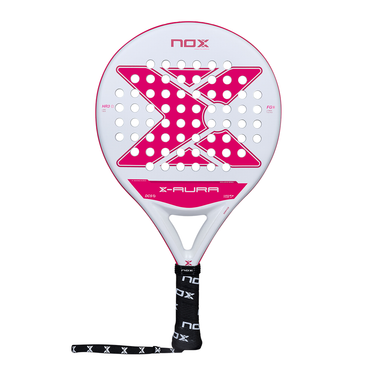
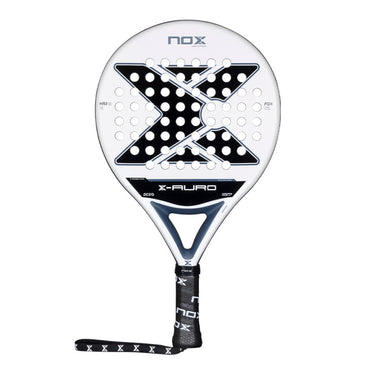
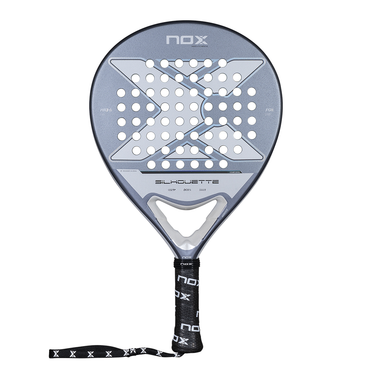
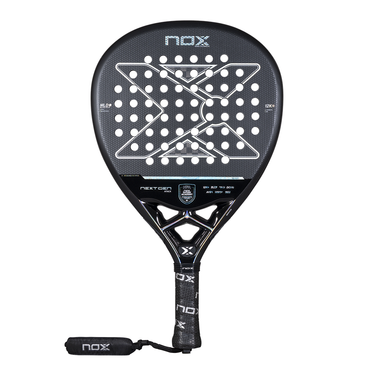
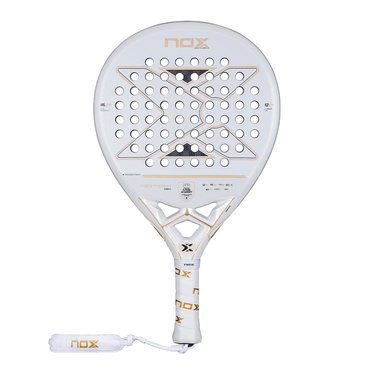
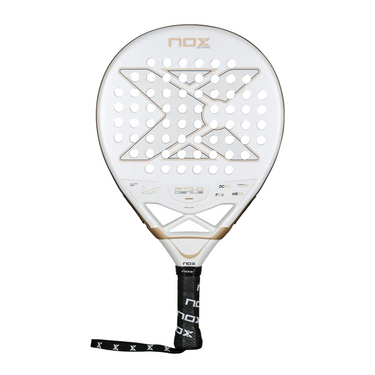
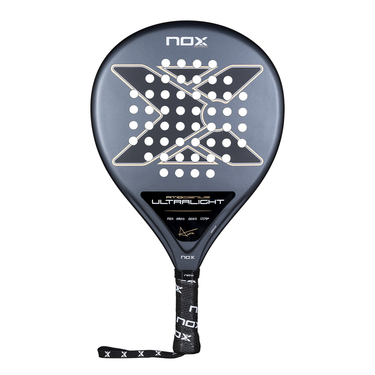
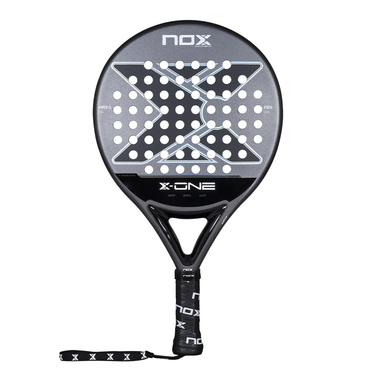
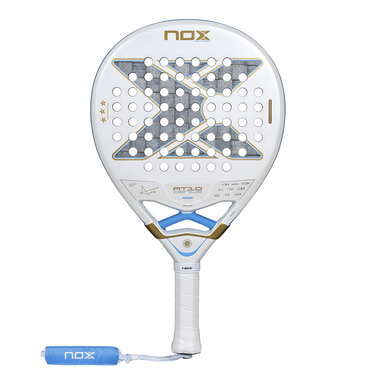
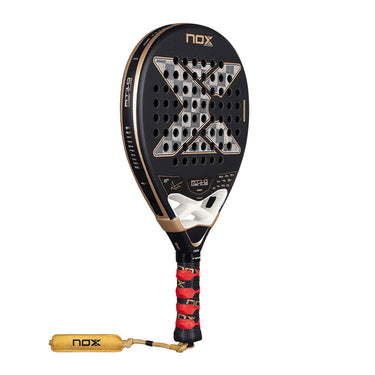
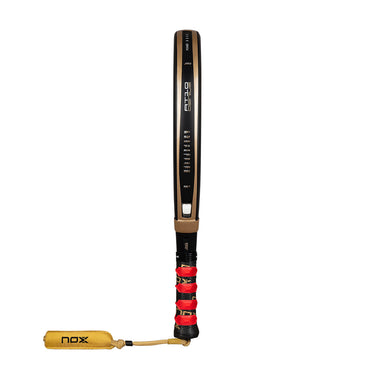
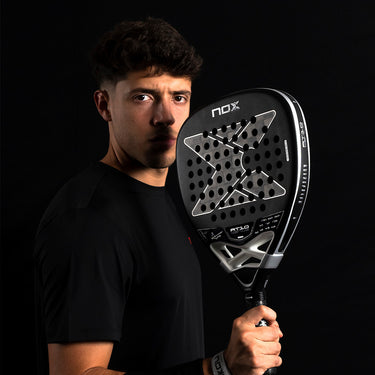
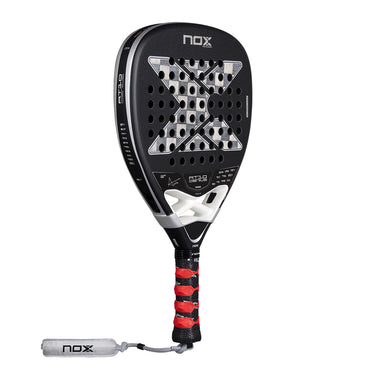
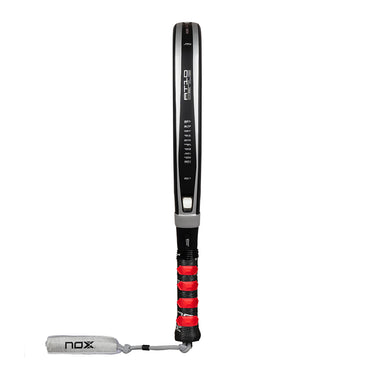
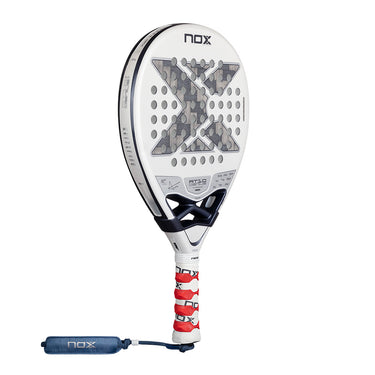
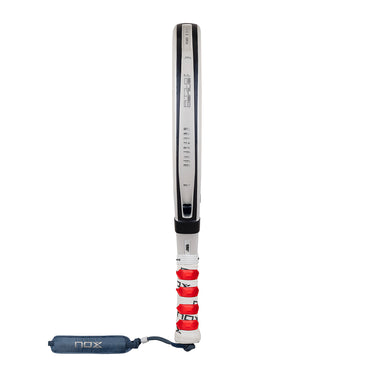
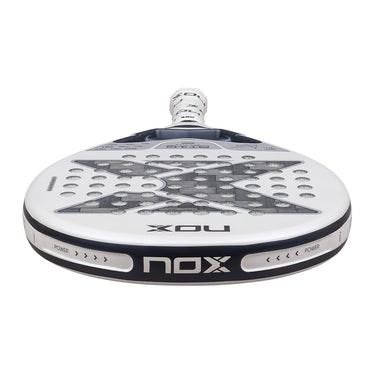
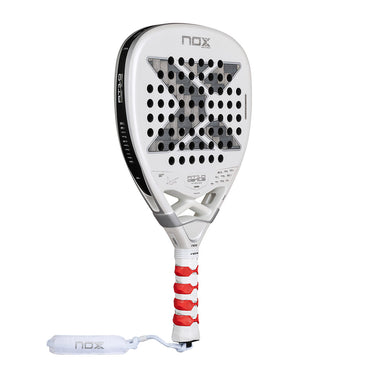
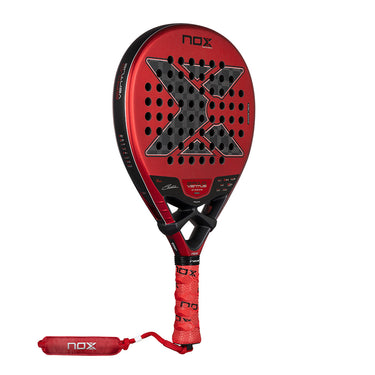
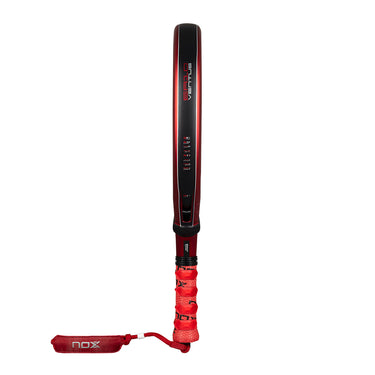
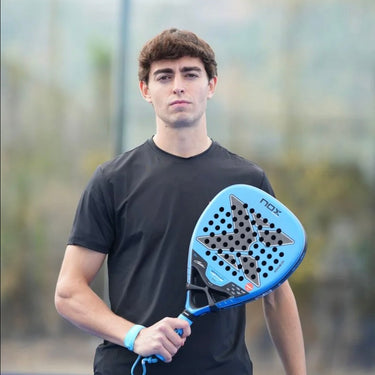
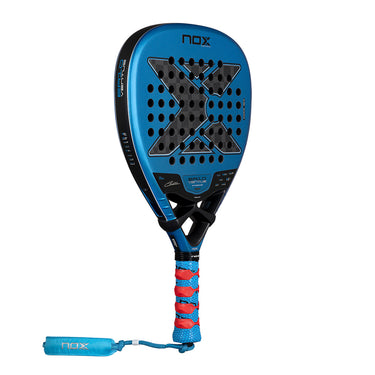
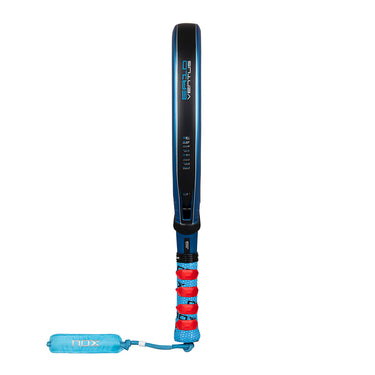
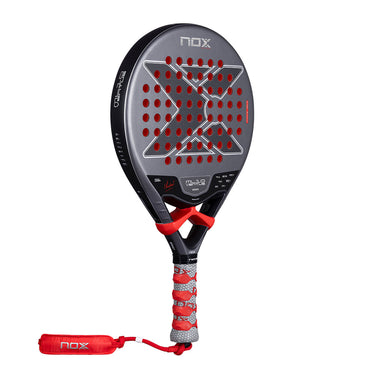
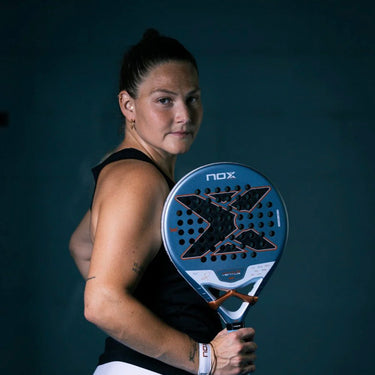
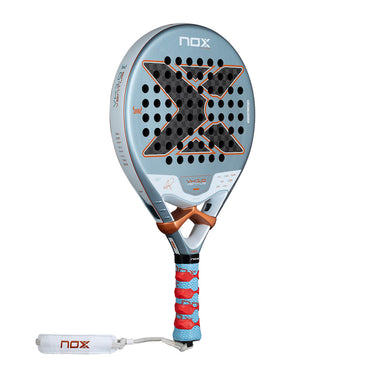
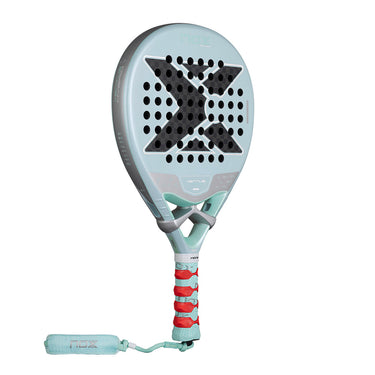
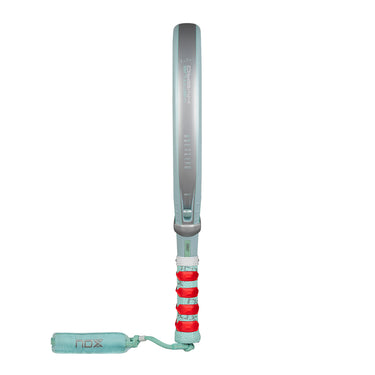
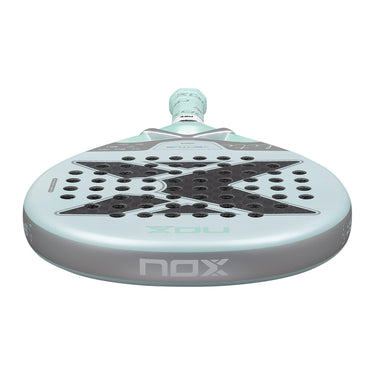
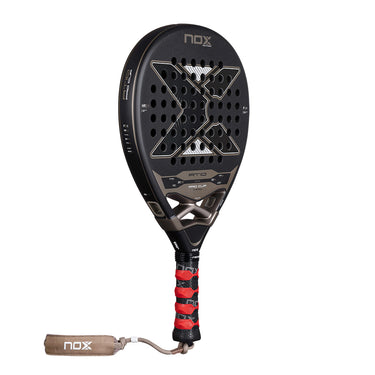
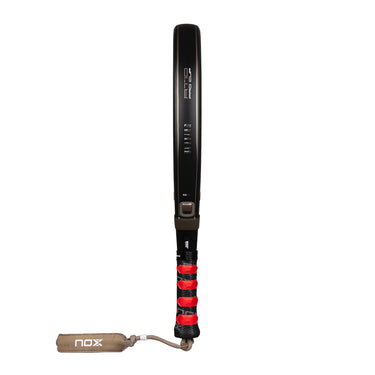
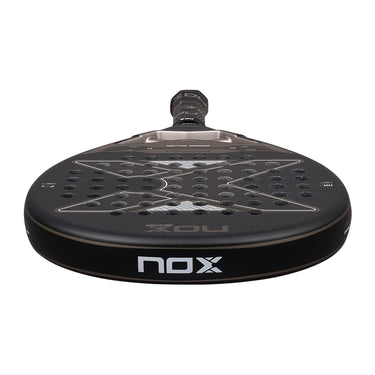
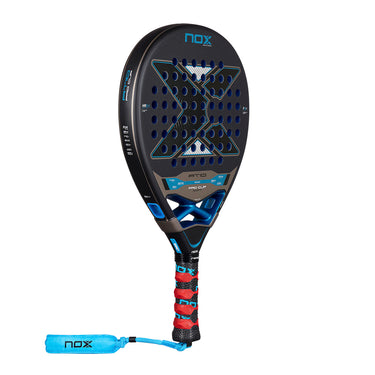
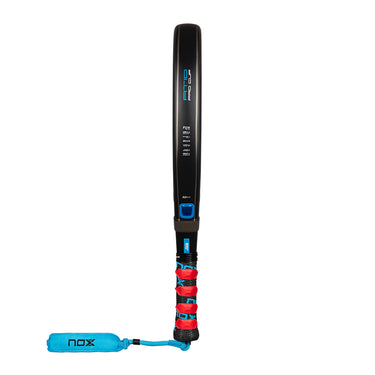
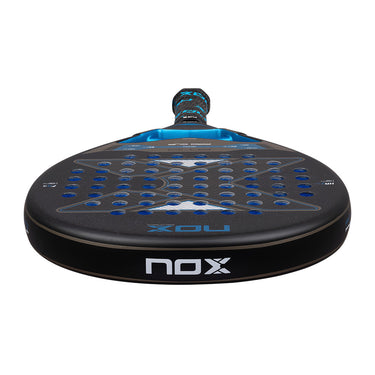
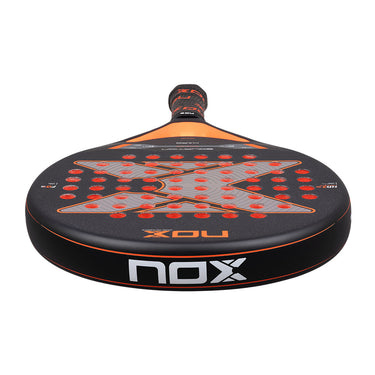
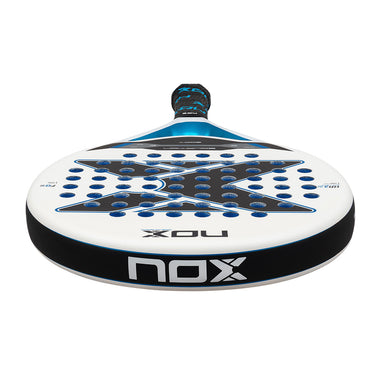
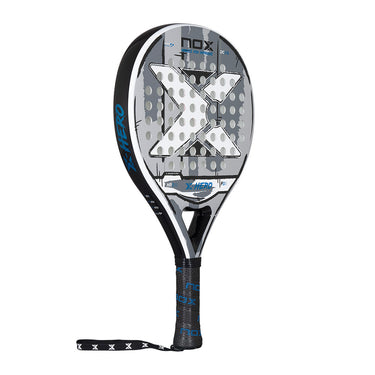
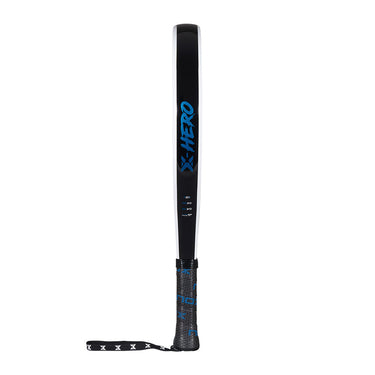
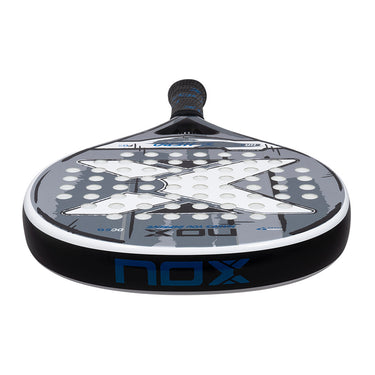
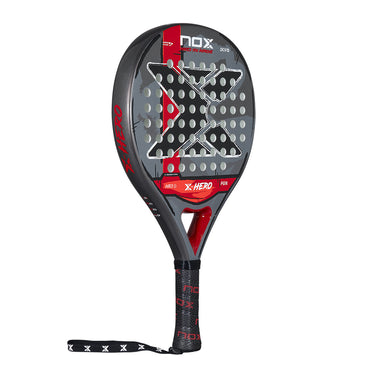
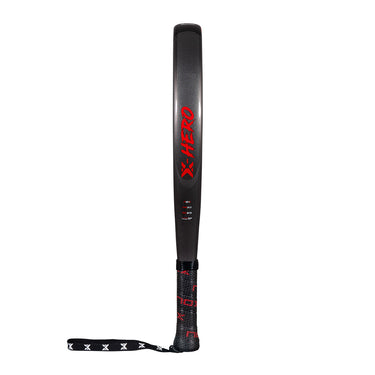
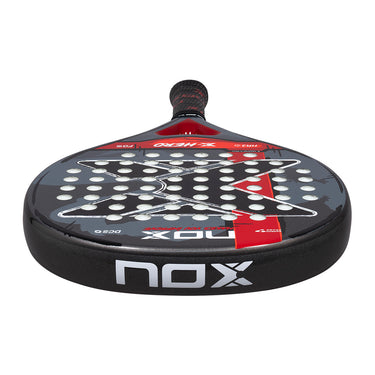
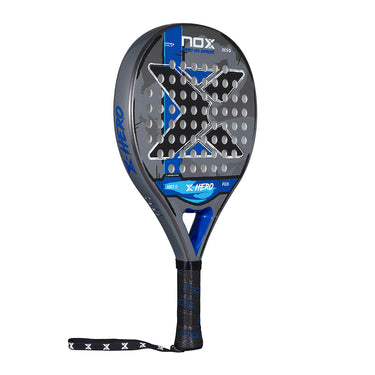
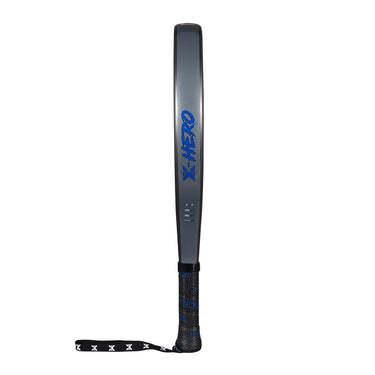
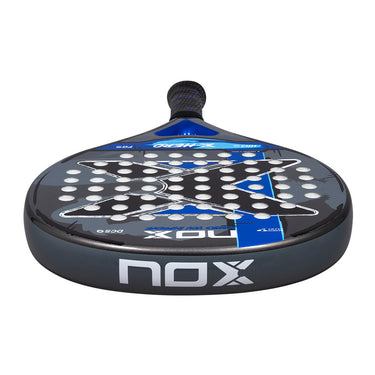
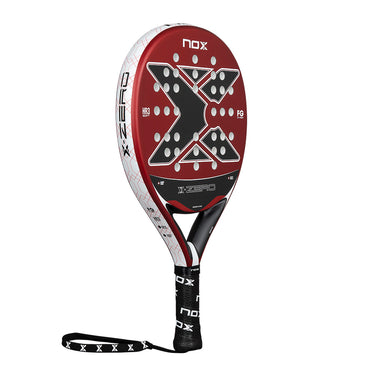
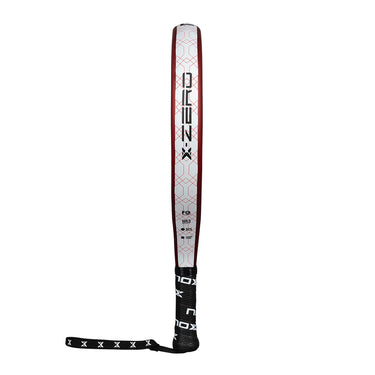
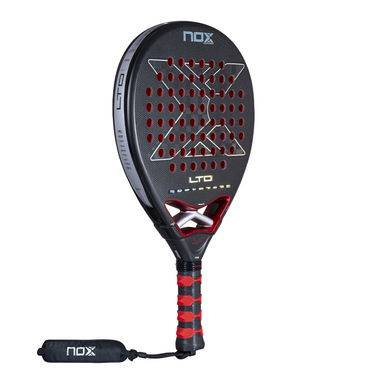
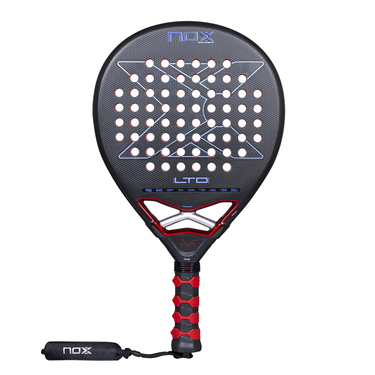
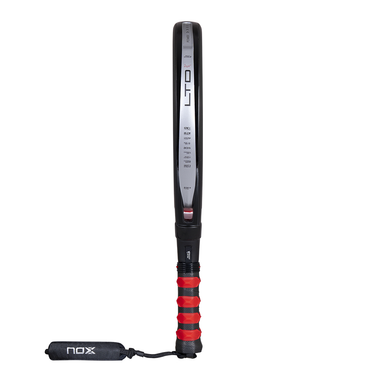
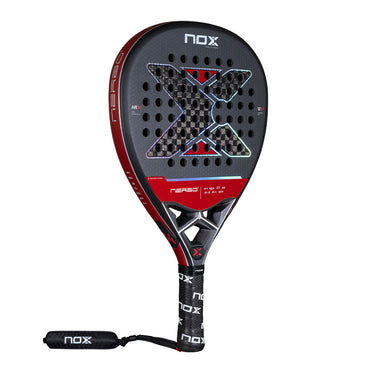
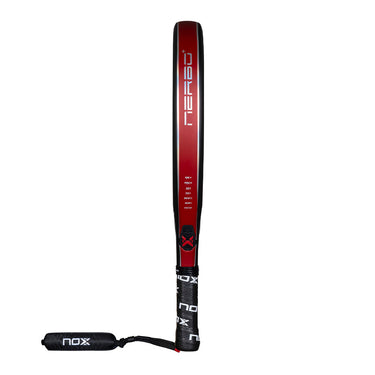
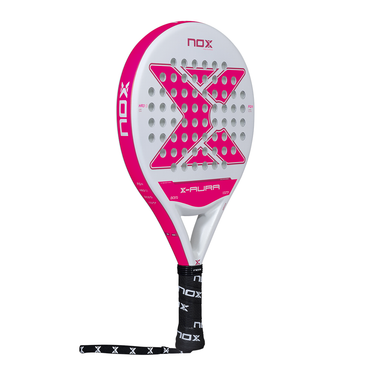
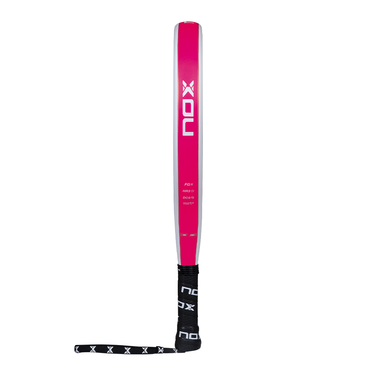
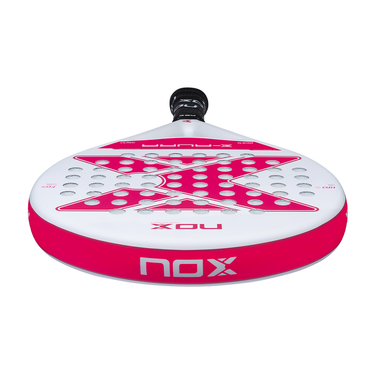
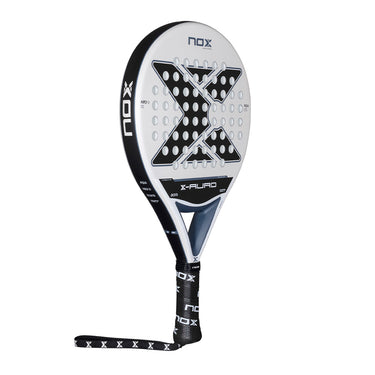
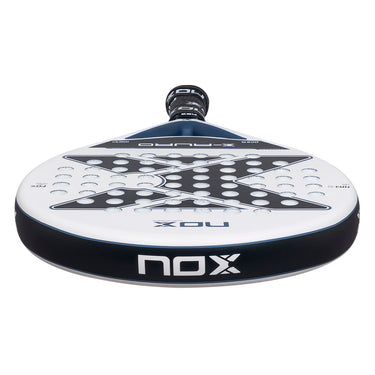
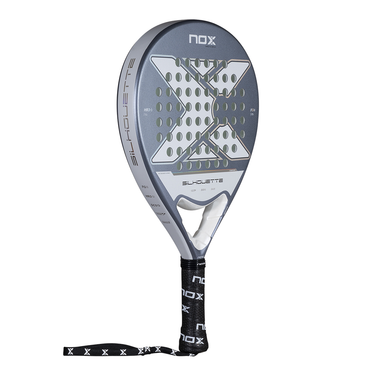
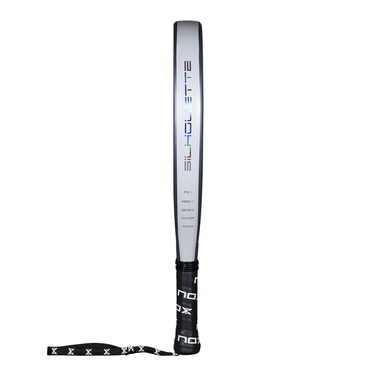
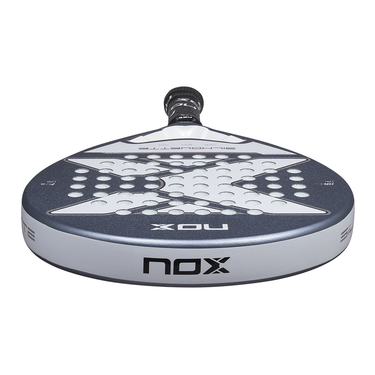
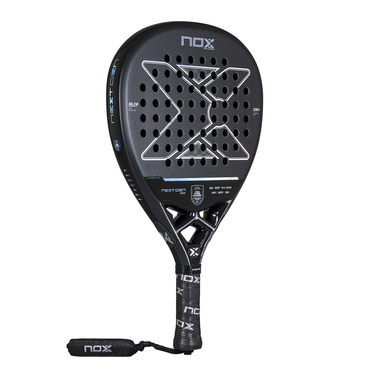
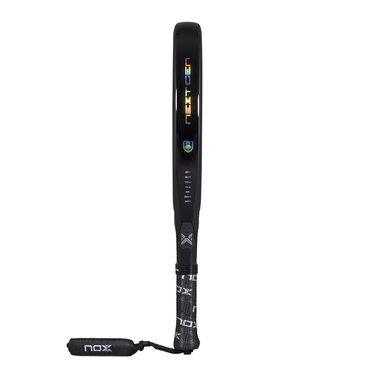
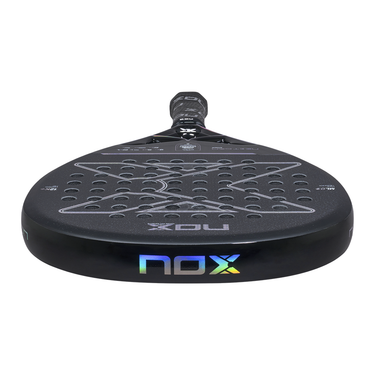
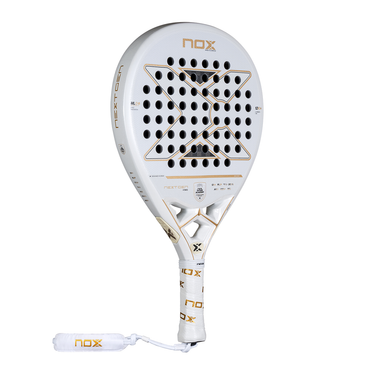
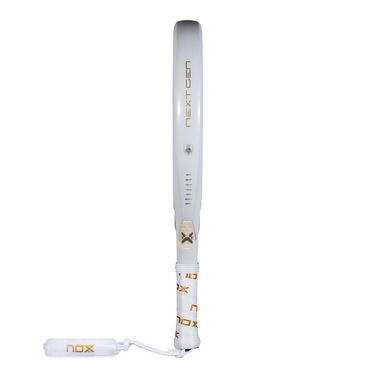
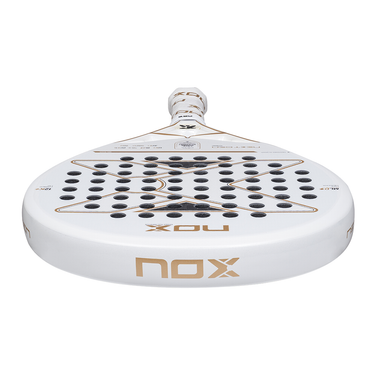
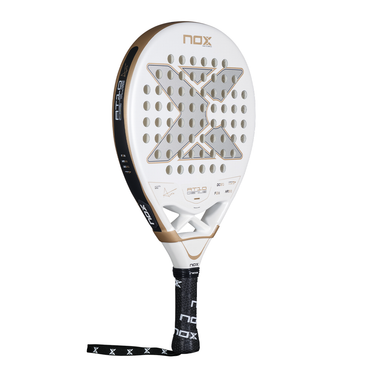
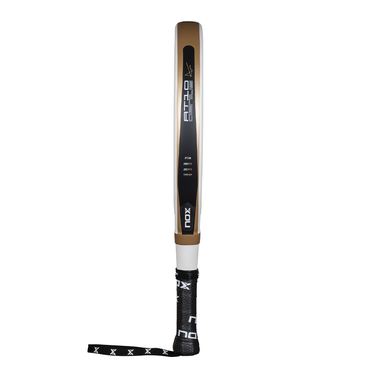
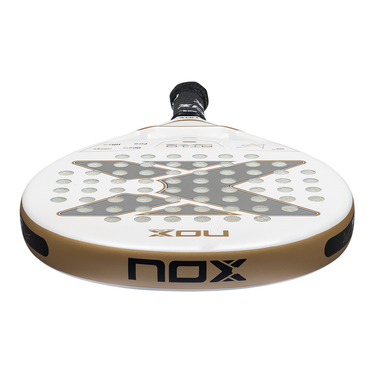
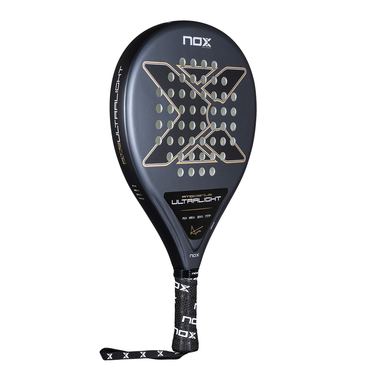
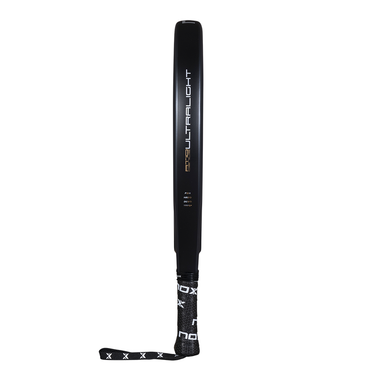
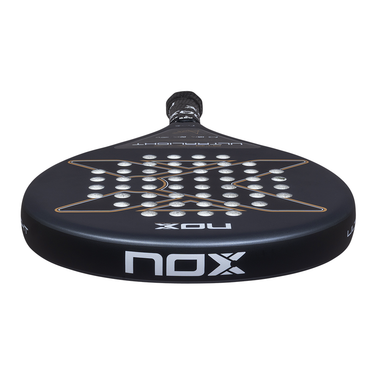
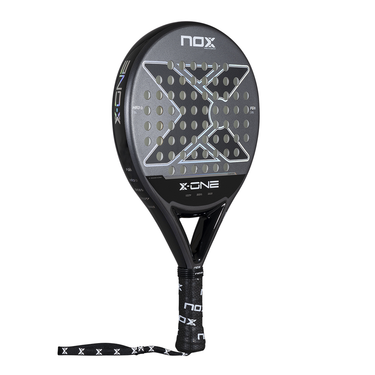
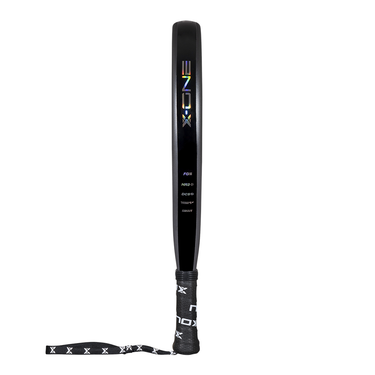
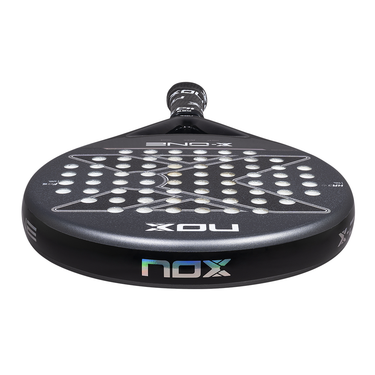
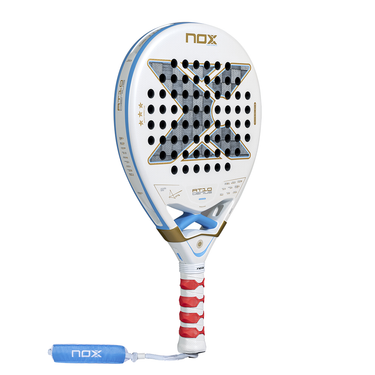
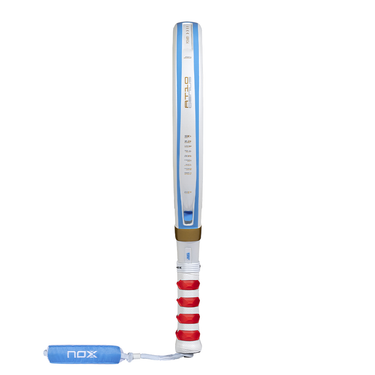
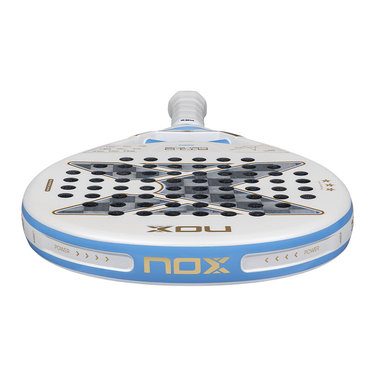
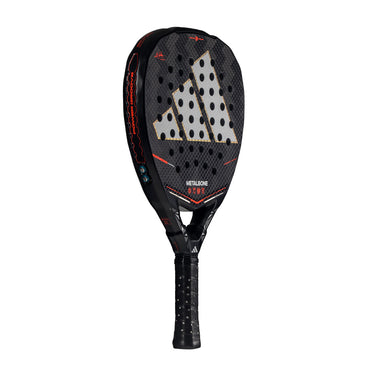
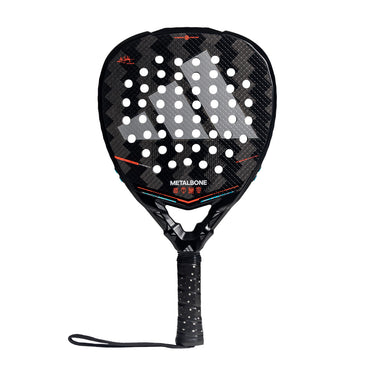
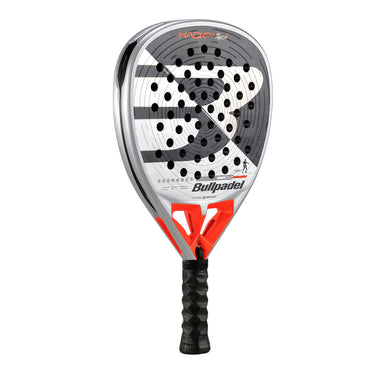
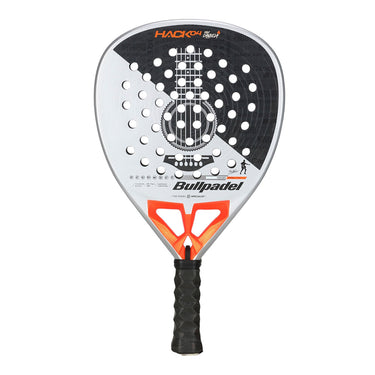
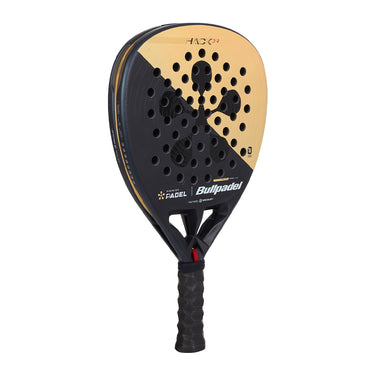
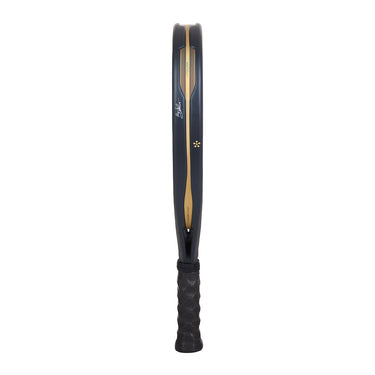
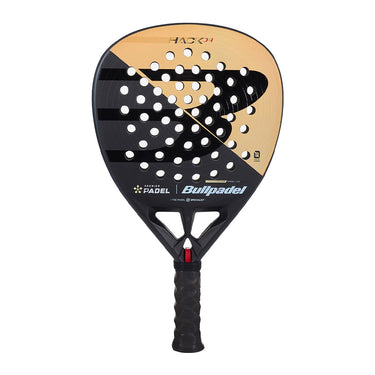
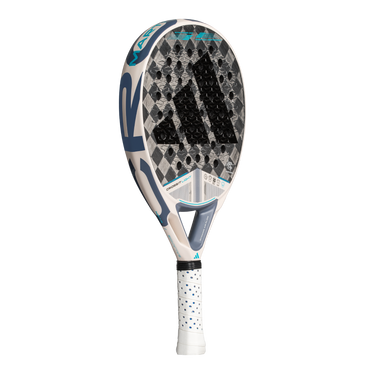
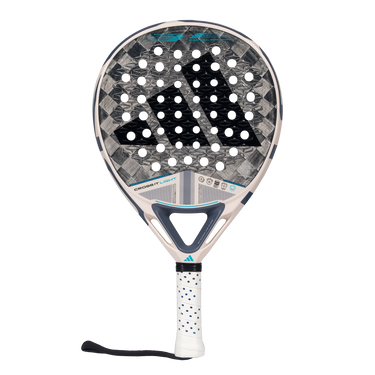
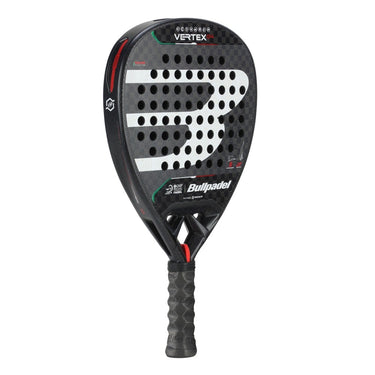
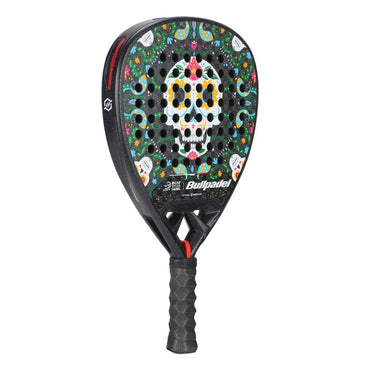
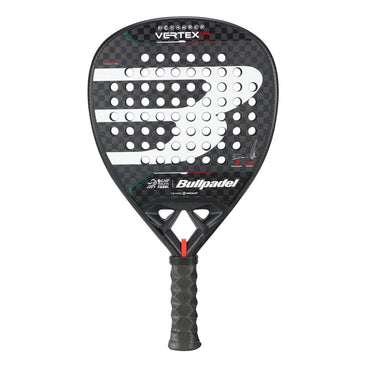
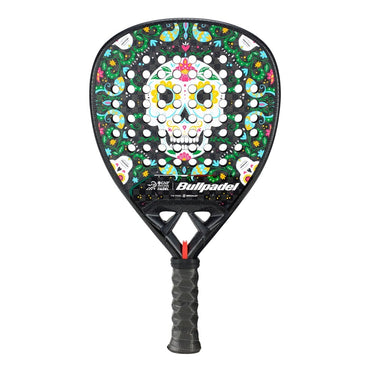
This page gathers the padel products from Nox corresponding to the 2026 season. It is a year‑limited entry: it lets you see what has entered the catalogue this campaign without mixing it with material from previous seasons.
Nox is one of the most influential brands in padel. If you have reached this page, it is most likely that you have already decided on the brand and only want to see what’s new.
Why the year is a useful criterion here
In padel the product cycle is annual, and brands review their lines each season. Filtering by year answers two distinct and valid intentions: wanting the most recent of a line you already know, or wanting to compare the new version with last year’s before deciding whether the change is worth it.
In the second case, it is worth reading both product pages in detail. Not every seasonal change implies a real difference on court: sometimes the finish varies and sometimes the construction, and only a direct comparison clarifies it.
Series and nomenclature
Part of the brand’s catalogue is organised into named series, and one of the most recognisable is the AT10, the series associated with Agustín Tapia, which has its own page. Within a series there are versions with different constructions, so the series name narrows the options but does not decide everything.
In the names of many carbon padel rackets a figure followed by K appears —12K, 18K—. It indicates thousands of filaments per thread in the face weave: the more filaments, the denser the weave and the stiffer the surface, which translates into more ball speed when hit quickly and a more demanding response if the hit is not. Together with shape and balance, it is the datum that most defines behaviour.
Moulds and shapes within a single brand
A brand with a broad catalogue works with several moulds, and that is the first difference between models. The diamond mould concentrates mass towards the head and moves the sweet spot upwards: it is the attacking format, with more power on volleys and less margin for error. The teardrop mould balances mass and tolerance, and adapts best to most styles. The round mould centres the sweet spot and prioritises control and manoeuvrability.
Within a single series several moulds usually coexist, so the line name narrows but does not decide: what decides is the specific shape of each reference and its balance.
Rigidity, feel and carbon
The face of the padel racket is where sensations are played out. Specifications often indicate the type of carbon weave with a figure followed by K —12K, 18K—, which refers to thousands of filaments per thread. A denser weave gives a stiffer surface, more precision on fast hits and a drier response; a more open weave, or the presence of fibreglass, provides a more flexible feel and greater tolerance.
That stiffness combines with the density of the rubber core. The sum of the two is what defines whether a racket feels fast and demanding or comfortable and forgiving, and for that reason it is worth reading both data points together rather than separately.
Surface roughness and spin
A less commented detail that you notice on court: the face finish. Rough or textured surfaces bite the ball a little more and make it easier to impart spin, especially on serves and tray shots. Smooth surfaces give a cleaner ball exit. With use, that roughness is lost, which is one reason a used racket feels different to a new one even if it has no visible damage.
Durability: what affects it
The life of a padel racket depends on three things: the materials, the use and impacts against the floor and the wall. The edge protector is the cheapest way to prolong it, because it covers the zone where breakages usually start. And there is a factor that almost nobody takes into account: heat. The rubber core and the adhesives that bond the layers degrade with sustained high temperatures, so leaving the racket in the boot in summer shortens its real life.
What a new season brings
Innovation in padel is incremental: each season brands adjust moulds, review rubber densities and try new surface finishes, but they rarely change the behaviour of a consolidated line completely. New releases typically bring performance nuances and aesthetic renewal.
For the buyer, that has a practical reading: if you want the latest and the exact variant you need, the current season is the one with full availability. If you are looking for performance per pound, the previous season of the same line is usually the most efficient decision.
What player profile each range targets
High-end ranges are designed for a formed and fast hit: more stiffness, more precision and more demand. Mid ranges are the territory of the developing player, with a balance between control and power. Entry-level models prioritise tolerance and comfort, which is exactly what someone in training needs.
Buying above your level is the most common mistake in this category, and the most expensive: a demanding racket in the hands of a developing hitter gives less performance and more arm discomfort.
What to look for within the collection
Criteria depend on the type of product. For a padel racket: shape, balance, hardness and face material, with the level filter as the first discard. In footwear: type of sole and last, which determine grip and fit. In clothing: cut and size, with the size chart taking precedence over your usual size.
The year narrows the listing; it does not replace any of those data points.
Beyond Nox padel rackets
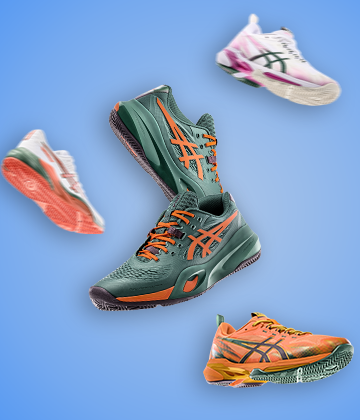
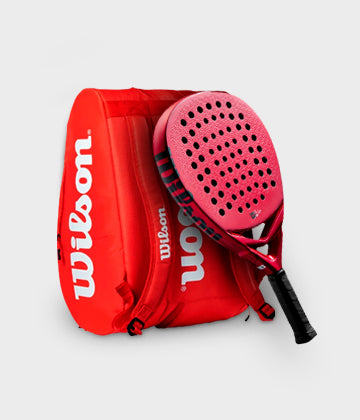
A season collection from a large brand is not limited to game equipment. Depending on what has entered each campaign, it may include padel shoes, clothing, bags and accessories, so it is possible to complete the whole equipment within the same product family. The listing on this page reflects what is available in the store right now.
Criteria change according to the article: in footwear the type of sole and support dominate; in clothing, the fabric and cut; and for accessories, the frequency with which you replace them. Only padel rackets require the full technical specifications to come into play.
How to read the specifications
The product pages in this category usually detail shape, weight, balance, hardness and the composition of the faces. With those data you can place any model at its real playing level, which is more reliable than the product’s position within the commercial range.
The innovations each season —frame systems, surface treatments, new rubber densities— add nuances on that basis, not a radical behaviour change. That is why the practical recommendation is the same as always: start from the characteristics you already know work for you and compare from there, using build quality and your previous experience as a reference.
Where to follow
For the brand’s padel racket catalogue without a year filter, the entry is Nox padel rackets. If you are interested in a specific series, you have the AT10 collection. And to compare with the rest of the catalogue by characteristics, padel rackets.
Frequently asked questions
What is the difference between the 2026 collection and the previous one?
It depends on the specific line. Some changes affect the finish and others the construction; comparing the specifications of the two versions is the only reliable way to know.
Does it include only rackets?
The collection groups the brand’s products corresponding to that season that are available, and we do not assume which categories it contains: the listing on this page is the reference.
Is it worth waiting for the next season?
If your current equipment works, waiting costs nothing. If you need to renew now, the current season is the one with complete availability of variants.