



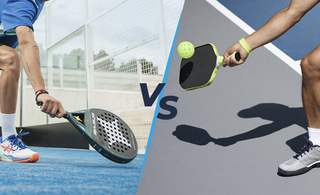
Padel and pickleball are two of the fastest-growing racket sports right now, and more and more players across the UK are wondering which one to try first. The short answer: padel is played on an enclosed court with glass walls, a solid stringless racket and a low-pressure ball, while pickleball is played on an open court about the size of a badminton court, using a solid paddle and a plastic ball with holes. Both sports are social, easy to pick up and gentler on the joints than tennis, but they differ significantly in equipment, court size and rules.
This guide explains what padel and pickleball actually are, how their courts, equipment and rules compare, why both sports are growing so fast, where they overlap, and which one might suit your playing style, goals and local facilities best.

What Is Padel?
Padel is a racket sport that combines elements of tennis and squash. It's played in doubles on an enclosed court surrounded by glass walls and metal mesh, which are very much part of the game since the ball can bounce off them. Players use a solid, stringless racket with holes, and a low-pressure rubber ball similar in size to a tennis ball.
Padel originated in Mexico in the 1960s and went on to become hugely popular in Spain, Argentina and Italy. In recent years it's also taken off across the UK, with new padel clubs opening up and down the country. It's known for being easy to learn, highly social, and tactically demanding, since wall play adds a strategic layer that most other racket sports simply don't have.
Let's look at the key differences with pickleball.
What Is Pickleball?
Pickleball is a paddle sport that blends tennis, badminton and table tennis. It's played on a court roughly the size of a badminton court, using a solid paddle (usually made from composite materials or graphite) and a lightweight plastic ball with holes, similar to a wiffle ball.
Pickleball was invented in the United States in 1965 and has exploded in popularity there over the past decade. It's now growing steadily in the UK too, with the first dedicated courts starting to appear in leisure centres and clubs. It can be played in singles or doubles, and its underarm serve combined with a smaller court make it especially beginner-friendly.
Main Differences Between Padel and Pickleball
When comparing padel and pickleball, the biggest differences come down to court structure, equipment and playing style. Here's a clear breakdown:
| Aspect | Padel | Pickleball |
|---|---|---|
| Court type | Enclosed, glass and mesh walls (ball can bounce off them) | Open court, no walls involved in play |
| Court size | 20m x 10m, almost twice the size of a pickleball court | 13.4m x 6.1m |
| Equipment | Solid, stringless, perforated racket | Solid paddle (composite, graphite or fibreglass) |
| Ball | Low-pressure rubber ball | Hollow plastic ball with holes |
| Racket core | EVA or foam rubber core | Solid, rigid surface |
| Game format | Almost always doubles | Singles or doubles |
| Scoring system | Traditional tennis scoring: 15, 30, 40, game | Games are played to 11 points, win by 2 |
| Special rule | Ball can be played off the walls after bouncing | No volleys allowed inside the "kitchen" (non-volley zone) |
While the sports differ in these key areas, they also share similarities: both are doubles-friendly, both are easier on the joints than tennis, both emphasise strategy over raw power, and both suit players of all ages and abilities.
Equipment Comparison: Padel Racket vs Pickleball Paddle

The padel racket vs pickleball paddle comparison is one of the most common questions among newcomers, especially since both sports use solid paddles rather than strung rackets.
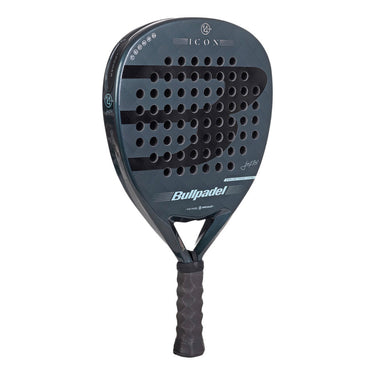
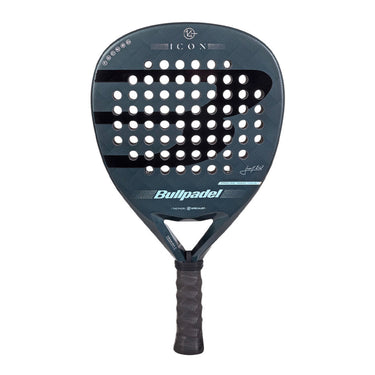
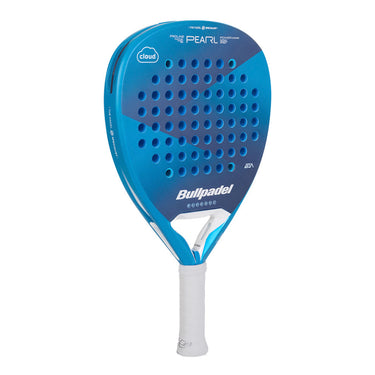
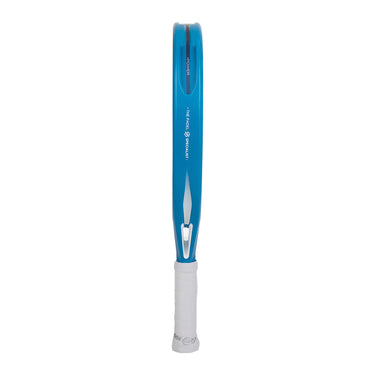
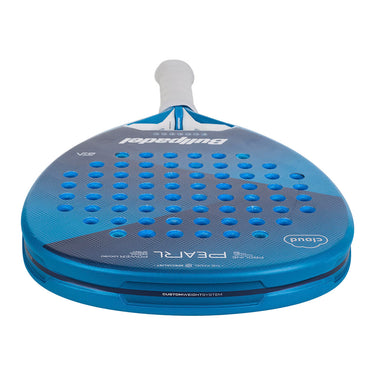
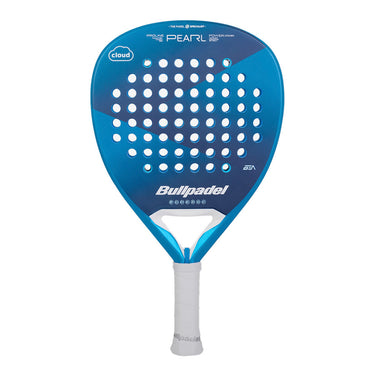
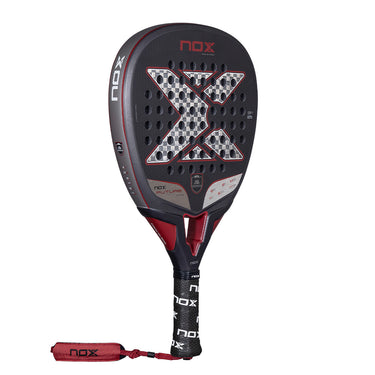
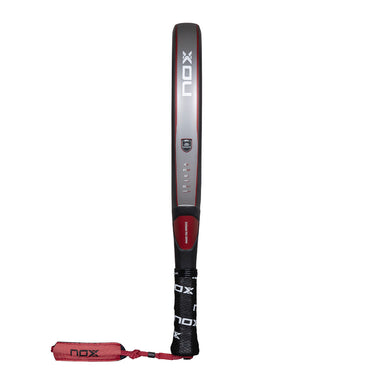
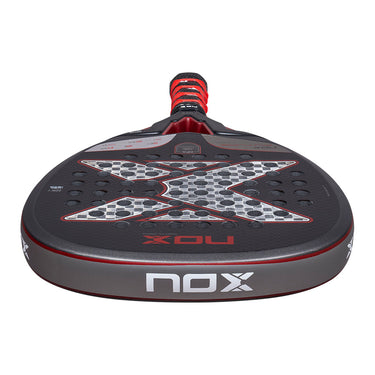
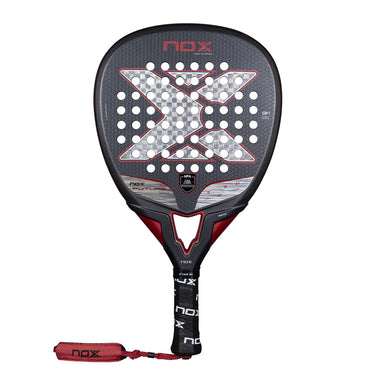
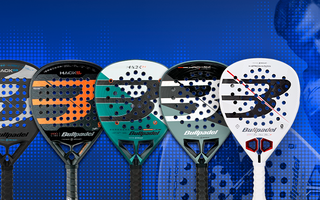
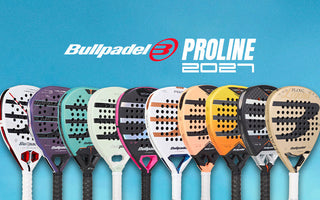
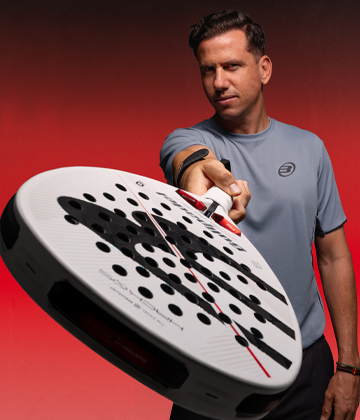
A padel racket is solid, stringless and perforated with holes to reduce air resistance and improve control. Rackets vary in shape (round, teardrop or diamond) depending on whether a player prioritises control, balance or power.
A pickleball paddle is also solid, often built with composite materials or carbon fibre for a lighter, more responsive feel, and is generally lighter and smaller than a padel racket, since pickleball involves faster hand-to-hand exchanges at the net.
If you're getting started in padel, choosing the right racket shape and weight makes a real difference to your game. At Pádel Market you'll find the official selection of rackets for every playing style and level, from control-oriented models for beginners to power rackets for advanced players.
Differences Between the Courts

The padel court vs pickleball court comparison highlights one of the clearest structural differences between the two sports.
A padel court measures approximately 20 metres by 10 metres and is fully enclosed with glass walls and metal mesh. These walls are part of active play, since the ball can bounce off them before crossing the net, adding a strategic, squash-like element. Unlike padel, pickleball courts have no walls, and tennis, for its part, is played on a considerably larger court.
A pickleball court measures 13.4 metres by 6.1 metres, making it a badminton-sized court, with no walls. It includes a "non-volley zone" near the net, commonly called the kitchen, where players cannot hit the ball out of the air.
Because padel courts are enclosed and pickleball courts are open, the two sports require different facilities, which is why more and more UK clubs are now building dedicated padel courts to meet growing demand, while pickleball courts are still few and far between by comparison.
Game Rules
Padel vs pickleball rules follow different scoring systems and serving styles.
| Rule | Padel | Pickleball |
|---|---|---|
| Players per match | Doubles only | Singles or doubles |
| Scoring system | Tennis-style (15, 30, 40, game) | Point system, usually to 11 |
| Serve type | Underarm, after a bounce, hit below waist height; players generally get two serve attempts | Underarm, diagonal; players get one serve attempt unless a let occurs |
| Wall play | Ball can be played off the walls after bouncing on the court | Not applicable, no walls in play |
| Non-volley zone | Not applicable | "Kitchen" zone near the net, no volleys allowed inside it |
| Who can score | Either team can score points | Only the serving team can score points |
| Match format | Best of 3 sets, with sets of 6 games like tennis | First to 11 points, win by 2 |
| Serve accessibility | Beginner-friendly underarm serve | Beginner-friendly underarm serve |
In padel, after deuce, the game continues until a side leads by two points; if one side has advantage by one point, the next point decides whether they win the game or return to deuce.
Both sports require an underarm serve, which makes them more accessible to beginners than tennis, but the wall play in padel and the kitchen rule in pickleball are the defining tactical elements that set them apart.
Which Sport Is Growing Faster?
Pickleball has been one of the fastest-growing sports in the United States for several consecutive years, driven by its low barrier to entry, affordable equipment and widespread court availability. In the UK, pickleball is still at an earlier stage, with a growing but still limited number of dedicated courts, often shared with tennis or badminton facilities.
Padel, meanwhile, is the fastest-growing racket sport globally, and the UK has become one of its most active markets in Europe, with new dedicated padel clubs opening across major cities and regional towns alike. Its social format, dynamic gameplay and strategic wall play continue to attract former tennis players and complete beginners alike, while global growth continues across Europe, Latin America and the Middle East.
Both sports are expected to keep growing steadily in the UK over the coming years, and a number of clubs now offer both, letting players enjoy the best of each.
Padel and pickleball are both accessible, social and exciting racket sports, but they offer different experiences. Padel delivers a dynamic, strategic game built around enclosed glass courts and wall play, while pickleball offers fast-paced, straightforward action on an open court. Neither sport is objectively "better", it comes down to personal preference, available facilities and playing style.
If you're ready to try padel, having the right racket is essential to enjoy your first matches and improve faster. At Pádel Market you'll find the official range of padel rackets, bags, shoes and apparel for every level, with expert guidance to help you choose the right equipment for your game.
Frequently Asked Questions
What sport is easier, padel or pickleball?
Both sports are considered beginner-friendly and involve groundstrokes, volleys and net play, but pickleball is often seen as slightly easier to learn at a basic level thanks to its straightforward rules and smaller court. Padel places more demand on fitness and movement, so players often build up a sweat faster. Padel still has a short learning curve, especially for players with a background in other racket sports or tennis, though mastering wall play does take some practice, while pickleball's pace makes timing easier for beginners.
Which burns more calories, padel or pickleball?
Padel generally burns more calories per hour than pickleball, since it involves more running, lateral movement and longer rallies due to the wall play. Pickleball is still an effective cardio workout, but its smaller court means less overall movement.
Is pickleball similar to padel?
Pickleball and padel share some similarities, such as underarm serves, doubles play, similar shot types, strategic play and a lower-impact style compared to tennis. However, they differ significantly in court size, equipment and the use of walls, which only exist in padel. Pickleball belongs to the same family of racket sports but, unlike padel, doesn't use walls at all.
What sport is more popular, padel or pickleball?
Padel is the fastest-growing racket sport worldwide, with particularly strong footholds in Spain, Italy and Latin America. In the UK, padel has grown rapidly and now has hundreds of courts nationwide, while pickleball is still in an earlier stage of adoption but gaining attention.
Can you play pickleball with a padel racket?
No, a padel racket isn't suitable for pickleball. Pickleball uses lighter, purpose-built paddles designed around a different ball. Padel rackets are heavier, larger and designed for a low-pressure ball, while pickleball paddles are lighter, often built with composite materials such as carbon fibre, and made for a perforated plastic ball. Using the wrong equipment can affect performance and increase injury risk.
What sport is better for beginners?
Both sports are excellent for beginners thanks to their underarm serve and social, doubles-friendly format. Pickleball may have a slightly gentler learning curve for absolute beginners, so players who prefer simpler positioning may find it easier to start with, while those who enjoy net play and controlling the kitchen area may also find it intuitive early on. Padel asks a bit more of hand-eye coordination and footwork, and while pickleball still rewards quick reflexes, padel offers a more dynamic and strategic experience that many players find more engaging over time.