





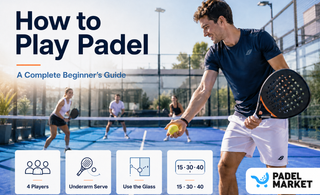
Learning how to play padel takes about ten minutes. It is the reason the sport is gaining popularity faster than any other racket sport in Britain: four players, a smaller court, an underarm serve and tennis scoring you probably already know.
How to play padel, in short: two teams of two play on an enclosed 20 x 10 metre court. You serve underarm after bouncing the ball behind the service line, into the diagonal service box. The ball must bounce once on your side before you hit it, and after that bounce the glass walls are in play. You win the point when the ball bounces twice on the opponent's court or they hit it into the net or out. Scoring is 15, 30, 40, game, exactly as in tennis.
This matters because padel is the fastest way into racket sport for a complete beginner: courts are cheap to book, you only need one racket and a tube of balls, and unlike tennis you can hold a rally on your very first visit. Getting the rules right on day one is the difference between an enjoyable first hour and a frustrating one.
This guide covers everything you need for your first match: the court, the basic padel rules, how to serve, how to win the point, and how scoring padel works. It is written for complete beginners playing in the UK.
How to play padel step by step
1. Get four players. Padel is doubles only, two a side.
2. Serve underarm. Bounce the ball behind the service line and hit it below waist height into the diagonal service box.
3. Let it bounce. Every ball must bounce once on your side before you play it, including the return of serve.
4. Use the walls. After that bounce the ball can come off the glass and stay live.
5. Win the point. The rally ends when the ball bounces twice, goes into the net, or leaves the court.
6. Keep score like tennis. Games follow the same scoring system: 15, 30, 40, game.
Everything else is detail. Know those six steps and you can walk on court and have a rally.
The padel court
A padel court is 20 metres long and 10 metres wide, roughly a quarter the size of a tennis court. It is a much smaller court, which is why four players fit comfortably and why rallies stay close.
The court is enclosed by glass walls at the back and part of the sides, with wire fence, or mesh fencing, above and along the rest. A net crosses the middle at 0.88 metres, and a service line runs 6.95 metres from the net on each side.
Why the walls matter
The back wall and back glass are in play. That single rule is what makes padel unique: a ball that would be a winner in tennis comes off the glass and the rally continues.
What you need to play
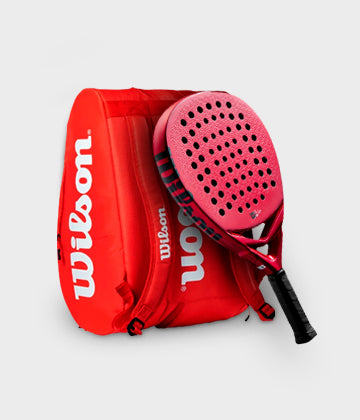
You need a padel racket, padel balls and a pair of padel shoes. That is the whole kit.
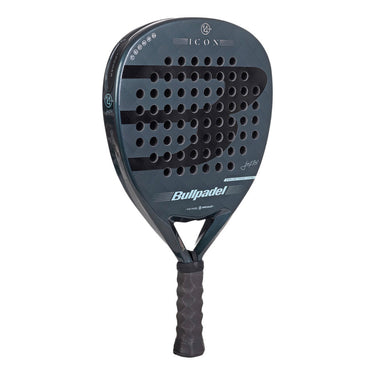
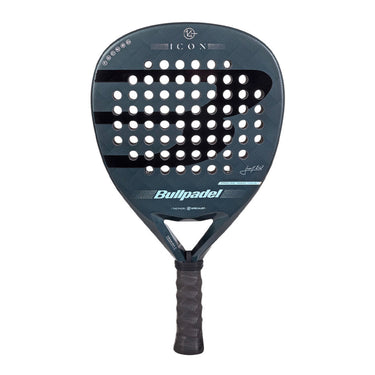
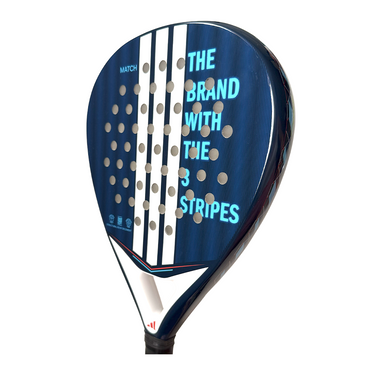
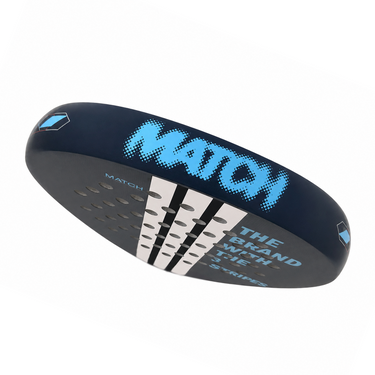
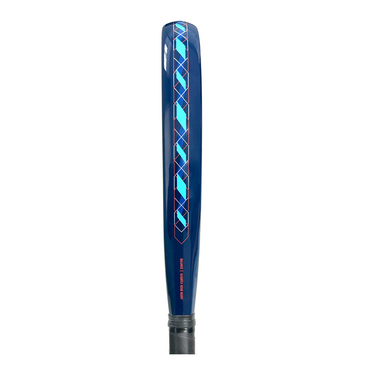
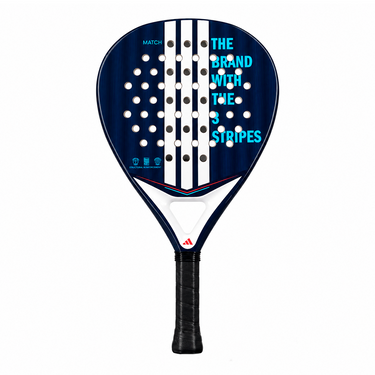
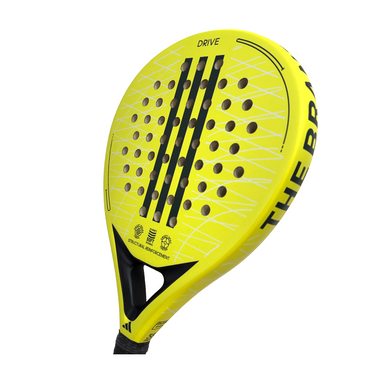
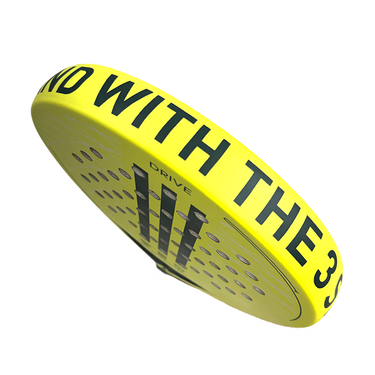
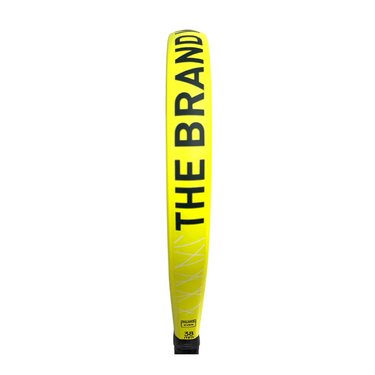
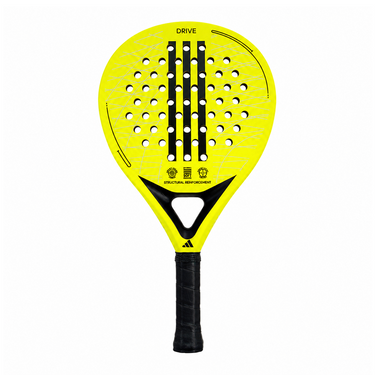
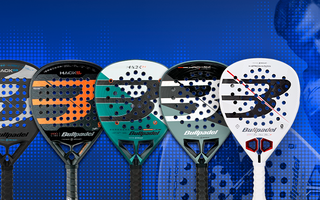
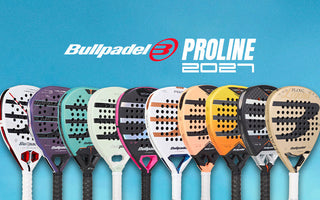
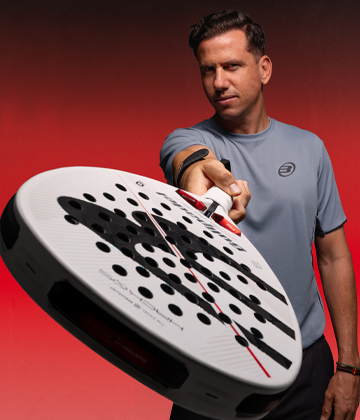
A padel racquet is solid, with no strings and a perforated face, and it is much shorter than a tennis racquet. Beginners should look for a round shape with a large sweet spot and a weight around 355 to 365 grams, which gives more control and is kinder on the arm.
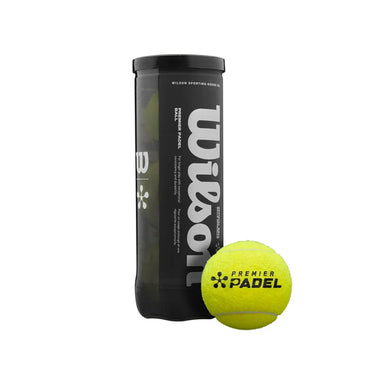
Padel balls look like tennis balls but run at slightly lower pressure, so they sit up a fraction longer. Padel shoes use a herringbone or omni sole built for the lateral sliding the game demands.
Team play and positions
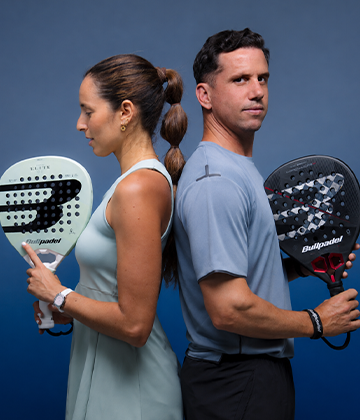
Padel is played almost exclusively in doubles, so team play matters more than individual power. Four players, two a side, and you move as a pair.
The standard advice is simple: both players advance to the net together, both retreat together, and you stay level with each other. A team split front and back gets picked apart down the middle.
The basic rules of padel
Here are the rules of padel you need on day one.
Serving
The serve is underarm. Stand behind the service line, keep at least one foot on the ground, bounce the ball once, and strike it at or below waist height into the correct service box diagonally opposite. The first bounce is compulsory.
You get two attempts. If the first serve is a fault, you take a second serve; two faults in a row lose the point and the next point starts on the other side. Unlike tennis, you cannot hit the ball out of the air on the serve, and the receiver must let it bounce.
Returning
After the ball bounces once on your side of the court, you may play it directly or let it come off the glass walls first. What you cannot do is let it reach a second bounce.
Once the ball has bounced, it may hit the back glass and you can still play the next shot. If the ball hits the mesh fencing on your own side before you play it, the point is over.
Winning the point
You win the point when the ball bounces twice on the opponent's court, when the opponents hit the ball into the net or out of the court, or when they let it hit the wire fence on their side.
Opponents win the point the same way. Aim for depth and let the walls do the work rather than hitting for outright winners.
Scoring padel
Padel uses the same scoring system as tennis: 15, 30, 40 and game. The first team to six games with a two-game margin wins the set, and matches are best of three sets.
At 40-40 most padel competitions play a golden point: one decisive point instead of advantage, with the receiving team choosing who takes it. At 6-6 a tie break decides the set.
The shots to learn first
Three shots will get you through your first month.
The lob
The lob is the most valuable shot in padel. It pushes the opposing team off the net and lets your team move forward, and it wins more points at club level than any smash.
The volley
At the net, keep the racket in front of your body and block rather than swing. Stay light on your feet and let the racket head do the work. Short, controlled volleys keep you at the net, which is where points are won, and they leave you balanced for the next point.
The wall shot
Let the ball pass you, wait for it to come off the back wall, and hit it as it drops. This feels wrong for the first hour and natural after that.
Padel and tennis: the key differences
Padel and tennis share similarities, and knowing where they diverge saves a lot of confusion.
Padel tennis, as it is sometimes called, uses a solid racket, a smaller court, an underarm serve and walls that are part of play. Tennis uses a strung racquet, an overhead serve and out-of-bounds lines with no walls.
The scoring is the one thing that carries over unchanged, which is why tennis players pick padel up in a single session.
Common beginner mistakes
New players hit too hard. On a court this size, power gives your opponents a faster ball to counter, and the walls give them time to reach it.
They also panic when the ball goes past them, instead of waiting for the wall. And they stay at the back. Move to the net as a team as soon as you can and your win rate climbs immediately.
Your first match: a checklist
Book an hour, find three others, and take a racket, a tube of balls and court shoes. Agree before you start whether you are playing golden point.
Serve underarm, keep the ball deep, let the walls work, and move forward together. That is how to play padel.
Frequently asked questions
How many players do you need for padel? Four. Padel is played in doubles, two players a side.
Is padel easy to learn? Yes. Most people can rally in their first session because the court is small, the racket is short and the ball travels slower than in tennis.
Can you use a tennis racket for padel? No. A padel racket is solid, stringless and much shorter, and tennis racquets are not permitted.
How do you serve in padel? Bounce the ball behind the service line and hit it underarm, below waist height, into the diagonal service box.
Are the walls in play? Yes, after the ball bounces on your side. The wire fence and mesh fencing are not, on your own side.
How does padel scoring work? 15, 30, 40, game. Six games win a set, and most matches use a golden point at deuce.
Final thoughts
Padel rewards patience, position and teamwork over power, and that is exactly why beginners enjoy it from the first point.
Get kitted out with our padel rackets and padel balls ranges, and read our guide to padel scoring before your first match.