



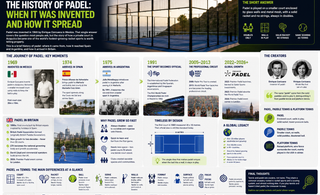
Padel was invented in 1969 by Enrique Corcuera in Mexico. That single answer covers the question most people ask, but the story of how a private court in Acapulco became one of the world's fastest-growing racket sports is worth telling properly.
This is a brief history of padel: where it came from, how it reached Spain and Argentina, and how it arrived in Britain.
When was padel invented?
Padel was invented in 1969 in Acapulco, Mexico, by Enrique Corcuera. The house owned by the Corcuera family in Acapulco had no room for a full tennis court, so he built something smaller and worked around the constraints. What he created is still sometimes called padel tennis, because it borrowed so much from traditional tennis.
Corcuera designed an enclosed court using walls to keep the ball in play. Rather than let the ball go out of bounds, he made the walls part of the game, which is the single idea that separates padel from every other racket sport.
The first padel court
The first padel court measured 20 by 10 metres, and that first official padel court size is still the standard today. When the ball hits a wall it stays live, which is the rule that separates padel from traditional tennis entirely. He surrounded it with walls and a wire fence, used solid paddles rather than strung tennis rackets, and hung a tennis net across the middle.
The name padel came from the solid paddles used to play it, distinguishing it from paddle tennis and platform tennis, two earlier American games that padel is often confused with.
Who wrote the rules?
The first set of rules for padel was written by Viviana Corcuera, Enrique's wife. Those early rules established the format that survives today: an enclosed court, an underarm serve, and tennis scoring.
How padel reached Spain
Padel was introduced to Spain in 1974 by Prince Alfonso de Hohenlohe, a friend of Corcuera who played on the original court while on holiday in Mexico.
He brought the new sport home to Marbella and built two courts at the Marbella Club Hotel, adapting the design slightly. Those were the first padel courts in Spain, built in 1974, and the sport spread from that private club outwards through the Spanish coast.
Padel quickly spread along the Costa del Sol, and Spain took to the game faster than anywhere else. Building courts became standard at hotels and tennis clubs along the Costa del Sol, and from there the sport moved inland.
How padel reached Argentina
Julio Menditeguy introduced padel to Argentina in 1975 after seeing it in Marbella. Argentina proved even more fertile ground than Spain.
By 1991, padel was the second most popular sport in Argentina, behind only football. Argentina has over 10,000 padel courts today, and Argentinian players still dominate the upper reaches of the professional game.
The Argentinian Padel Association became one of the sport's founding national bodies, and South America remains one of padel's strongest regions.
The sport becomes official
The International Padel Federation was established in 1991, founded by the Spanish, Argentinian and Uruguayan associations. It gave padel a governing body and a route to international competitions.
The first World Padel Championships were held in 1992 in Madrid. Padel became officially recognised as a sport in Spain in 1993, when the Spanish sports council formally accepted it, and the Spanish Padel Association took its place as national governing body. Spain recognised paddle, as the game was still often spelled then, alongside its established racket sports.
That decade of the early 1990s turned padel from a popular sport in two countries into an organised international sport with rules, rankings and championships.
The professional circuit
The Padel Pro Tour was created in 2005, giving the sport its first proper professional circuit and a structure for the best players to compete year-round.
The World Padel Tour was established in 2013 and became the dominant professional tour for a decade, raising the sport's profile far beyond Spain and Argentina.
In 2022 Premier Padel launched, backed by Qatar Sports Investments and sanctioned by the International Padel Federation, and in 2023 it absorbed the World Padel Tour to create a single unified circuit.
Padel in Britain
Padel arrived in Britain late and quietly. The first courts were built in the 1990s, often by passionate British expats who had played the sport on summer holidays in Spain and wanted their own courts at home.
The British Padel Association, originally the British Paddle Association, was formed to organise the small community that existed. Growth was slow for two decades: for a long time Britain had only a handful of courts.
The LTA takes padel on
Everything changed when the Lawn Tennis Association became the national governing body for padel in Britain. LTA padel brought funding, coaching pathways and competition structure to a sport that had been run by volunteers.
Commercial operators followed. David Lloyd Leisure began building courts across its clubs, and independent venues opened in London and other major cities. Court numbers went from fewer than 50 to well over a thousand in a few years.
In 2026 the sport reached a new milestone with a Premier Padel event coming to London, bringing the professional circuit to Britain for the first time.
Padel, paddle tennis and platform tennis
Padel is regularly confused with two American games, and the names do not help.
Paddle tennis is played on a smaller court without walls, with solid paddles and a deadened ball. The US Padel Association and the American Padel Association have both used the name over the years, adding to the confusion.
Platform tennis is played on a raised, heated platform surrounded by a wire fence, mostly in the north-eastern United States in winter. The fence is in play, which makes it padel's closest cousin.
Padel is the sport invented by Corcuera: a 10x20m enclosed court, glass walls, solid rackets and lower-pressure balls. The International Paddle Federation name is sometimes used interchangeably with the International Padel Federation, but they refer to the same body.
How the game itself has changed
The fundamentals have barely moved since 1969. Padel is played on a 10x20m enclosed court, players can only serve underarm, scoring in padel is the same as in tennis, and padel is typically played in doubles format.
What has changed is the equipment and the setting. Early courts used solid walls throughout; the modern glass court uses tempered glass, and a transportable glass court now allows tournaments in city-centre arenas.
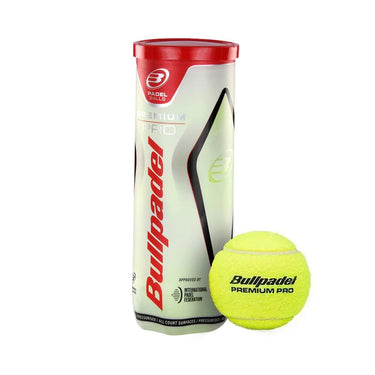
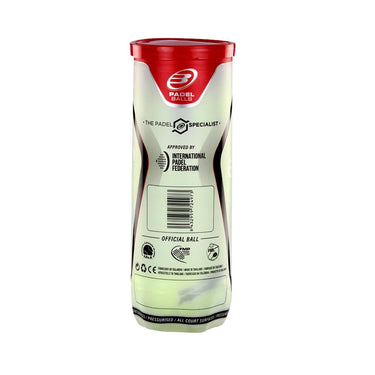
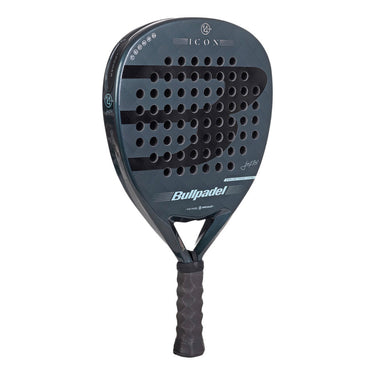
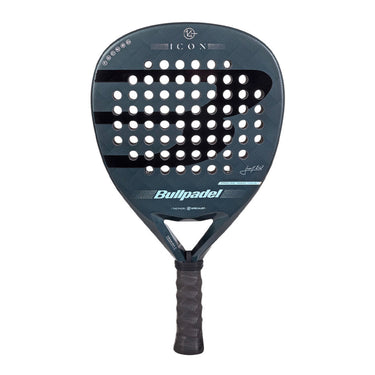
Padel rackets have moved from wood to carbon fibre and EVA foam. Padel balls remain similar to a tennis ball but with lower pressure, exactly as Corcuera intended.
The golden point
One meaningful rule change arrived with the professional era. The golden point, where a single point decides the game at deuce, was adopted to keep matches to a predictable length for broadcast. It is now standard in most competitive play.
Where padel is played today
Padel is played in over 60 countries worldwide, and tens of millions play padel globally. It is one of the world's fastest-growing racket sports.
Spain has more than 20,000 padel courts today and remains the sport's heartland. Argentina follows with over 10,000. Beyond the Hispanic nations, padel expanded rapidly through Italy, Sweden and the Middle East, and international expansion continues through northern Europe and Asia. Other countries are building courts faster than they can fill them.
Competition has grown with it: world championships, a world junior championship, and a professional circuit that visits venues from Las Arenas in Barcelona to Doha.
Will padel become an Olympic sport?
The International Padel Federation has made Olympic recognition a stated goal, and the sport's growth at international level strengthens the case each year.
Padel has not yet been included in the Olympic programme, but the professionalisation of the circuit, the growth in female players and the spread to over 60 countries are exactly the criteria that matter.
Padel's history in Britain, decade by decade
Britain's padel story is short but steep, and it is worth setting out separately because it explains why courts are still hard to book.
The 1990s: the first courts
The earliest British courts were built by individuals who had discovered the sport abroad. There was no national structure, no coaching pathway and almost no equipment available domestically. Players imported rackets from Spain.
The 2000s: a small, fixed community
For most of this decade Britain had fewer than 50 courts. The British Padel Association kept the sport alive on a volunteer basis, running small tournaments for a community that knew each other by name.
The 2010s: commercial interest arrives
Racket clubs began to look at padel as a way to fill underused land. Court numbers climbed slowly, then accelerated as operators saw the booking rates: a padel court fills four players per hour where a tennis court fills two.
The 2020s: mainstream
The LTA taking padel under its governance changed the trajectory. Funding, coach qualification and a competitive calendar arrived at once, and commercial operators built at pace. Britain now has well over a thousand courts and remains one of the fastest-growing markets in Europe.
Equipment then and now
The gear tells the same story as the courts. Corcuera's players used solid paddles cut from wood, heavy and dead in the hand, with no real difference between one racket and the next.
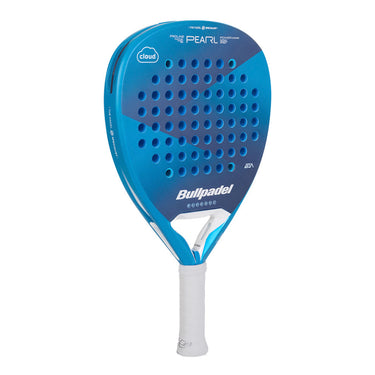
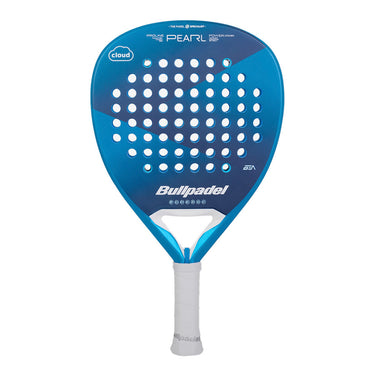
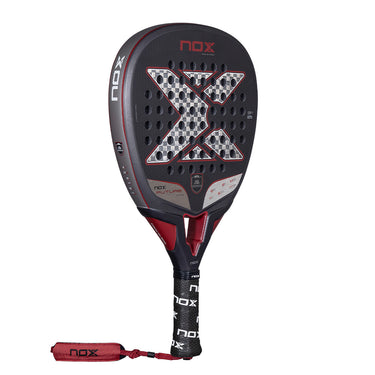
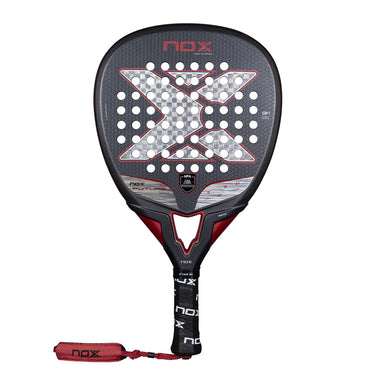
Modern padel rackets are moulded from carbon fibre and fibreglass around an EVA or foam core, and shape alone changes how a frame plays: round for control, diamond for power, teardrop in between. A beginner and a professional now buy genuinely different equipment.
Padel balls have changed least. They remain close to a tennis ball with slightly lower pressure, exactly as they were in 1969, which is why the game still rewards placement over raw power.
Court construction has changed just as much. Early courts used solid rendered walls; today tempered glass is standard, which lets spectators watch from outside and lets broadcasters film through the back wall. Surfaces moved from concrete to sand-dressed artificial grass, giving the consistent bounce and slight slide the modern game depends on.
Lighting, drainage and panoramic single-pane designs have all arrived in the last decade. A court built in 2026 would be recognisable to Corcuera in its dimensions and unrecognisable in almost every other respect, which is a fair summary of the sport's whole history: the idea has not changed, everything around it has.
Why padel grew so fast
Plenty of racket sports have been invented and forgotten. Padel's rapid growth comes down to a handful of design decisions Corcuera made almost by accident.
It is easy to start
A beginner can rally on their first visit. The court is small, the racket is short and solid, and padel balls travel slower than a tennis ball. Traditional tennis takes months before a rally is possible; padel takes about ten minutes.
The walls keep the ball alive
When the ball hits the glass walls it stays in play, so points last longer and mismatched players can still enjoy a game. This is the single feature that keeps new players coming back.
It is inherently social
Padel is typically played in doubles format, which means four people per booking rather than two. Clubs fill courts faster, and players arrive with a group already formed.
Courts fit where tennis courts do not
An official padel court needs a fraction of the land a tennis court needs, and a transportable glass court can be installed in a car park or a shopping centre. That has driven much of the international expansion into other countries with expensive urban land.
Prominent figures in padel's history
A handful of people moved the sport forward at each stage.
Enrique Corcuera invented the game in 1969. Viviana Corcuera wrote the first rules. Prince Alfonso de Hohenlohe took padel to Spain in 1974 and built the first two courts at the Marbella Club. Julio Menditeguy carried it to Argentina in 1975, where it found its largest early audience.
In the modern era the prominent figures are players rather than founders. Argentinian and Spanish professionals have dominated the world rankings for three decades, and the growth in female players has been one of the sport's defining recent trends, with women's draws now matching the men's at the top events.
A timeline of padel history
1969 — Enrique Corcuera builds the first enclosed court at his home in Acapulco, Mexico.
1974 — Prince Alfonso de Hohenlohe builds the first padel courts in Spain, at the Marbella Club Hotel.
1975 — Julio Menditeguy introduces padel to Argentina.
1991 — The International Padel Federation is formed. Padel is the second most popular sport in Argentina.
1992 — The first World Padel Championships are held.
1993 — Spain formally recognises padel as a sport.
2005 — The Padel Pro Tour launches the first professional circuit.
2013 — The World Padel Tour is established.
2022 — Premier Padel launches, backed by Qatar Sports Investments.
2023 — Premier Padel and the World Padel Tour merge into a single circuit.
What padel's history tells you about playing it
Knowing where the sport came from explains most of its quirks. The underarm serve exists because Corcuera's court was too small for a tennis serve. The scoring is borrowed wholesale from tennis because he was adapting a game he already played.
The glass walls exist because a private court needed a boundary, and turning that boundary into part of the game was the stroke of genius that made padel a new sport rather than a compromise.
Everything that makes padel accessible today was originally a workaround. That is why it travels so well: the constraints that shaped it in 1969 are the same constraints most people face when they want to play a racket sport near where they live.
Frequently asked questions
When was padel invented? In 1969, by Enrique Corcuera at his home in Acapulco, Mexico.
Who invented padel? Enrique Corcuera. His wife Viviana wrote the first set of rules.
Where did padel originate? Mexico. It spread to Spain in 1974 and Argentina in 1975.
Who brought padel to Spain? Prince Alfonso de Hohenlohe, who built two courts at the Marbella Club Hotel in 1974.
When did padel become an official sport? The International Padel Federation formed in 1991, the first World Championships were held in 1992, and Spain recognised padel as a sport in 1993.
Is padel the same as paddle tennis? No. Paddle tennis has no walls and uses a different court. Padel is played on an enclosed 20x10m court with glass walls in play.
How many countries play padel? Over 60, with tens of millions of players.
Final thoughts
Padel's origins come down to one man solving a practical problem in 1969: not enough space for a tennis court, so build a smaller one and make the walls part of the game.
Fifty-odd years later that improvised solution is a global sport with a professional circuit and a growing British following. When you are ready to play, explore our padel rackets and padel balls ranges.