





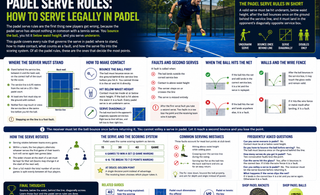
The padel serve rules are the first thing new players get wrong, because the padel serve has almost nothing in common with a tennis serve. You bounce the ball, you hit it below waist height, and you serve underarm.
This guide covers every rule that governs the serve in padel: where to stand, how to make contact, what counts as a fault, and how the serve fits into the scoring system. Of all the padel rules, these are the ones that decide the most points.
The padel serve rules in short
A valid serve in padel must be hit underarm, below waist height, after the ball bounces once on the ground behind the service line, and it must land in the opponent's diagonally opposite service box.
You get two attempts, exactly as in tennis, and no other of the racquet sports starts a point this way. Padel is played exclusively in doubles, so the server's partner stands on the same side of the court while the two opponents wait to receive.
Where the server must stand
The server must stand behind the service line, between it and the back wall, on the correct half of the court for the score. The service line sits 6.95 metres from the net on a 20 by 10 metre padel court.
At least one foot must stay on the ground until contact, and neither foot may touch or cross the service line or the centre line before you hit the ball. Stepping on the line is a foot fault.
How to make contact
Contact is where the essential rules of padel serving live, and where most faults happen.
Bounce the ball first
You must let the ball bounce once on the ground before hitting it. The first bounce is compulsory: you cannot throw the ball in the air and strike it directly as you would in tennis.
You may drop the ball or throw it down, but it has to hit the ground and come back up before your racquet touches it.
Hit below waist height
Contact must be made at or below waist height. If your racquet meets the ball above the waist it is a fault, however clean the shot looks.
This is why every padel serve is an underarm serve. There is no overhead serve in the rules of padel, at any level of play, from club matches to Premier Padel.
Serve diagonally
The serve must travel diagonally and the ball must land in the correct service box on the opponent's court. Each side has two service boxes, and you alternate between them point by point.
Serving from the right box, you aim at the receiver's left box, and vice versa. Direction matters as much as height. The net is 0.88 metres high at the centre, so a flat serve clears it easily and the risk is depth, not height.
Faults and second serves
A fault is called when the ball lands outside the correct service box, when contact is above waist height, when the server steps on the line, or when the serve is missed entirely.
After the first serve fault you take a second serve. Two faults in a row lose the point, and the receiving team wins it outright, so the next point begins with the same server on the other side.
When the ball hits the net
If the ball hits the net and still lands in the correct service box, it is a let and the serve is replayed. If the ball hits the net and lands anywhere else, it is a fault.
Walls and the wire fence
Here is the rule unique to padel. After the ball bounces in the service box, it may touch the glass walls and remain valid. If it hits the wire fence, or the metal mesh, after landing, it is a fault even though the bounce itself was good.
The receiver, meanwhile, must let the ball bounce once before returning it. You cannot volley a serve in padel under any circumstances, and if you let it reach a second bounce you lose the point. Only in certain circumstances, such as a let, does the serve get replayed.
How the serve rotates
Serving rotates between teams every game. Within a team, the two players alternate: whoever serves the first game of their team's turn will serve again two games later.
The order chosen at the start of a set must be kept for that set, though teams may change it at the start of the next set. Over a full match the total number of service games is split evenly between all four players.
The serve and the scoring system
Padel uses the same scoring system as tennis: 15, 30, 40 and game, with six games and a two-game margin winning a set. At 6-6 a tie break decides it, played to seven points with a two points margin.
At deuce, most padel competitions play a golden point: a single decisive point instead of playing advantage. The receiving team chooses which of the two players takes it, so the serve direction is decided by the opponents rather than the server.
Common serving mistakes
Three faults account for most lost points at club level: hitting above waist height while adding pace, creeping over the service line during the swing, and serving too flat so the ball hits the back wall hard and sits up for an easy return.
The fix for all three is the same: slow down, bounce the ball properly, and aim for depth and angle instead of power.
Frequently asked questions
Can you serve overarm in padel? No. Contact must be at or below waist height, so every serve is underarm.
Do you have to bounce the ball before serving? Yes. The ball must bounce once on the ground behind the service line before you hit it.
How many serves do you get in padel? Two. Two consecutive faults lose the point.
Can the serve hit the glass? Yes, after it bounces in the correct service box. If it hits the wire fence it is a fault.
Can you volley a serve in padel? No. The receiver must let the serve bounce before returning it.
What happens if the serve clips the net? If it lands in the correct box it is a let and you serve again. Otherwise it is a fault.
Final thoughts
Bounce, below the waist, behind the line, diagonally across. Learn those four and the padel serve rules are done.
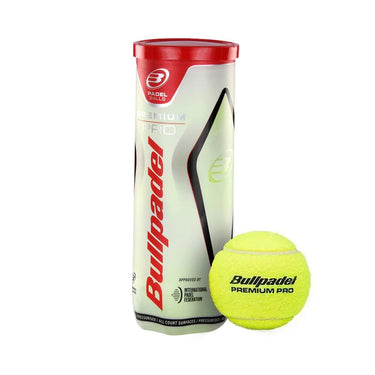
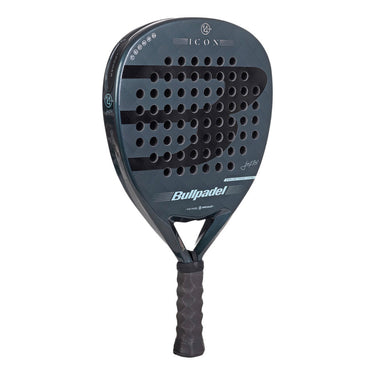
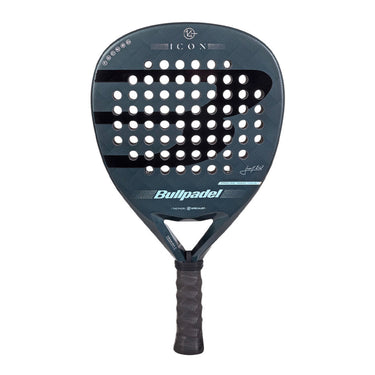
Ready to play? Explore our padel rackets and padel balls ranges.