


Filter and sort 262 products





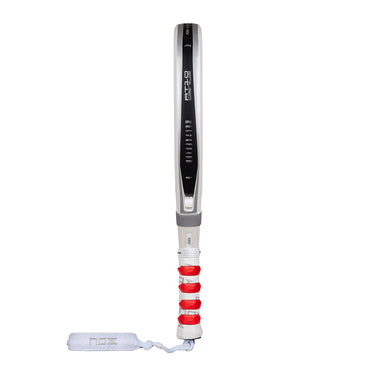
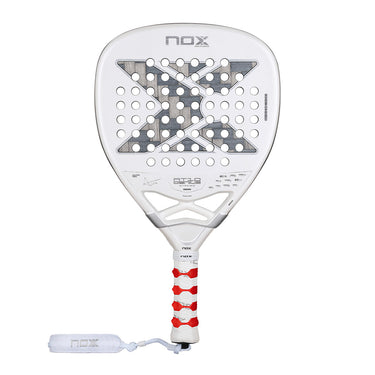
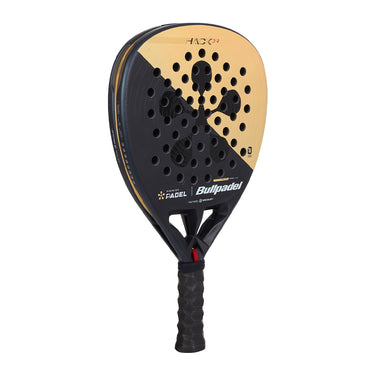
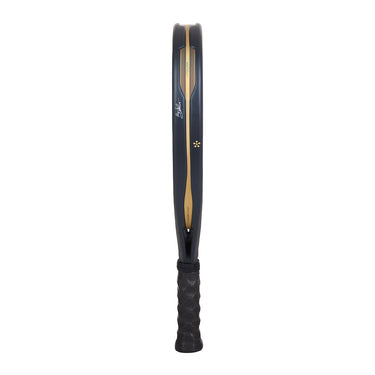


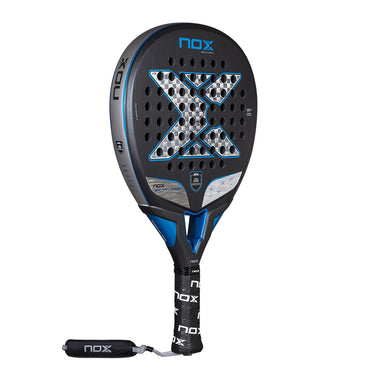
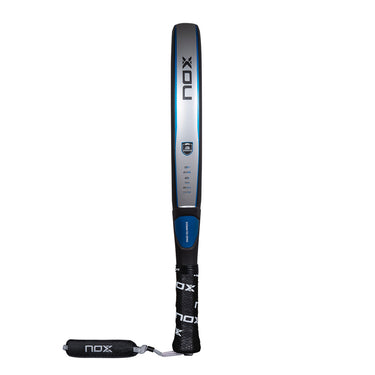
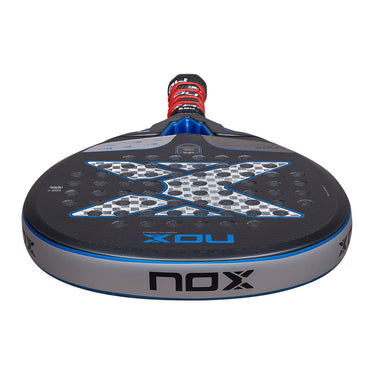
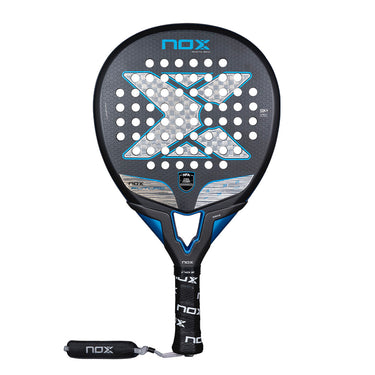



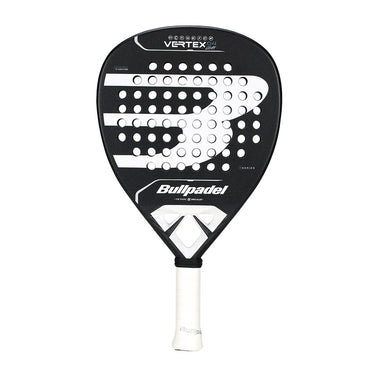
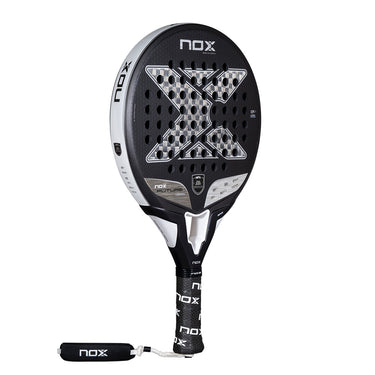
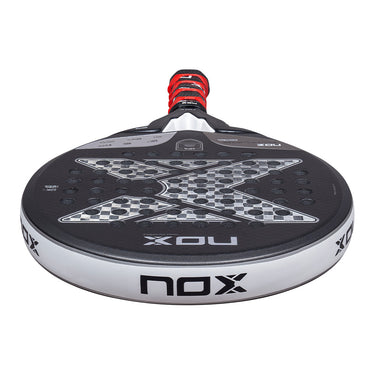
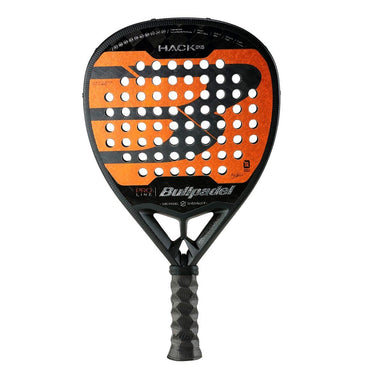
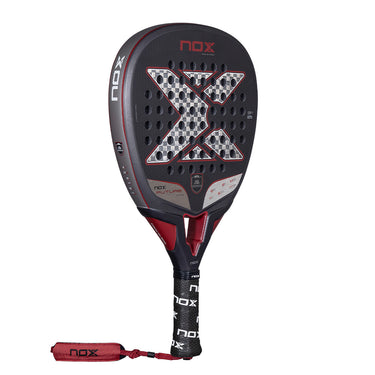
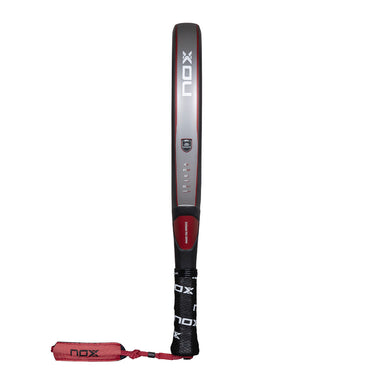
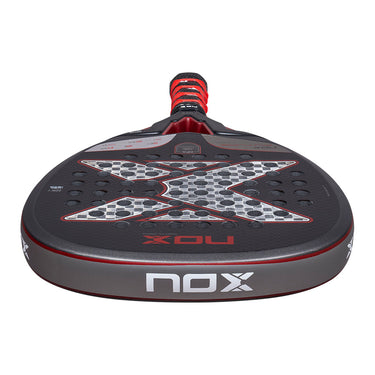
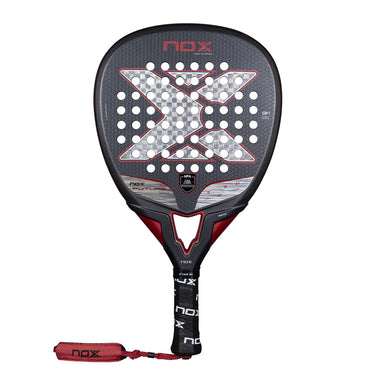


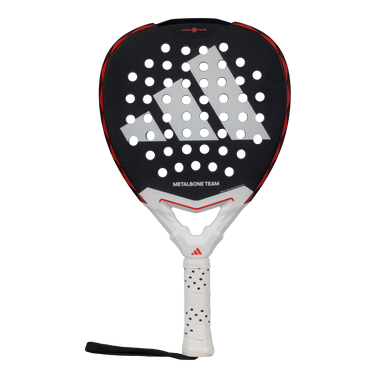

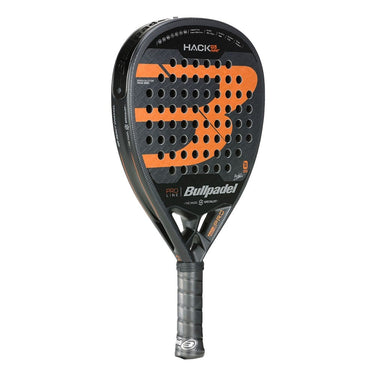
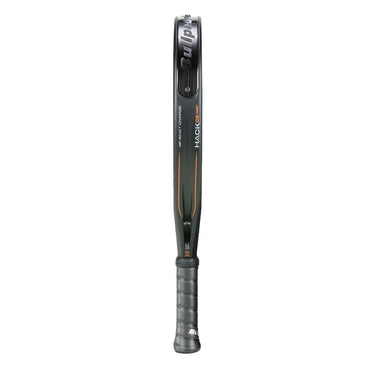
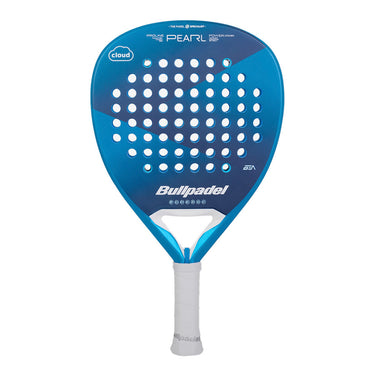
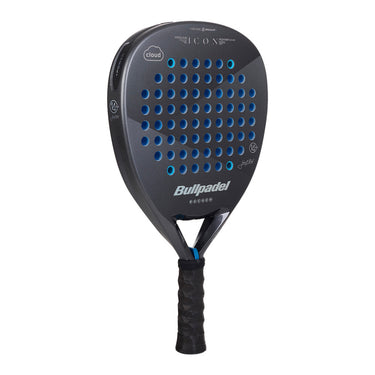
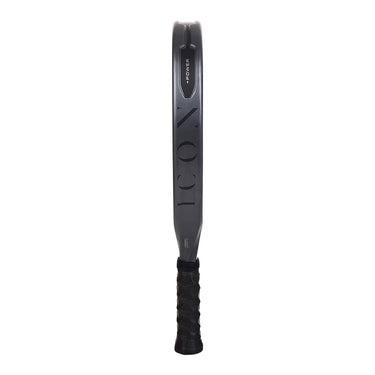

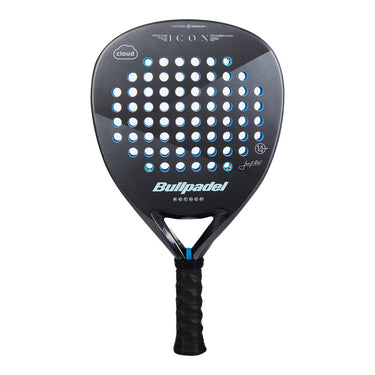

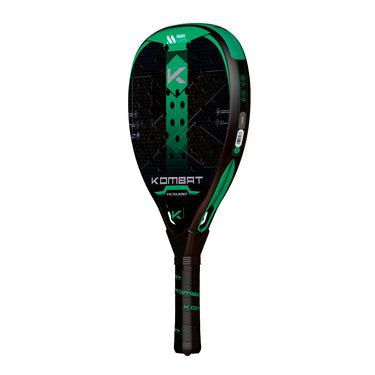

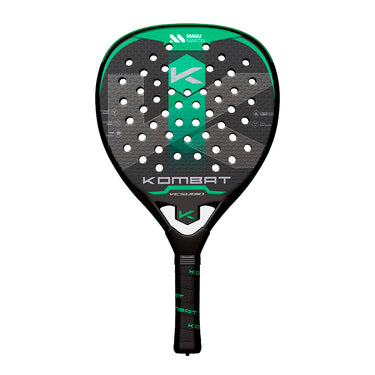
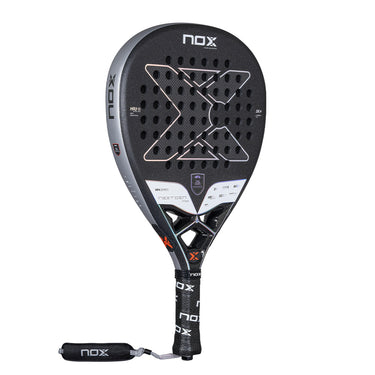
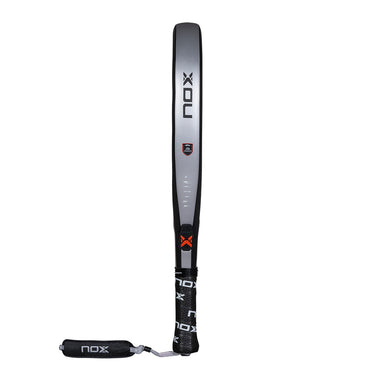








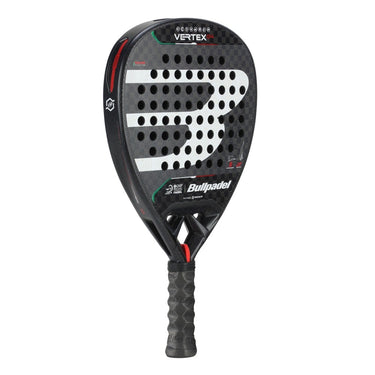
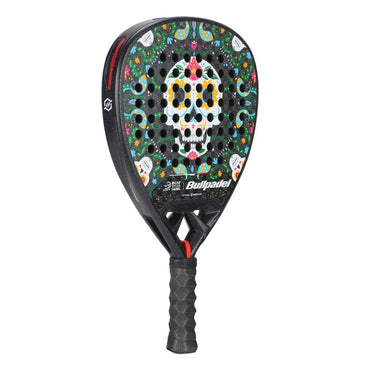
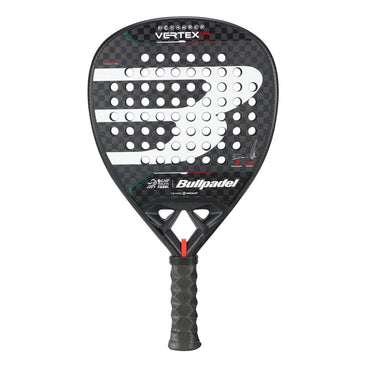
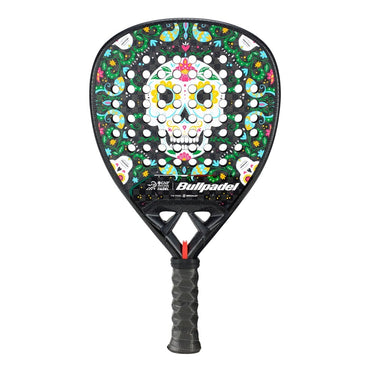
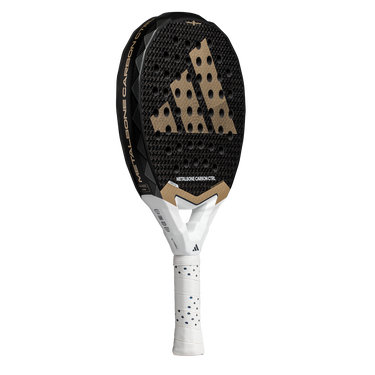
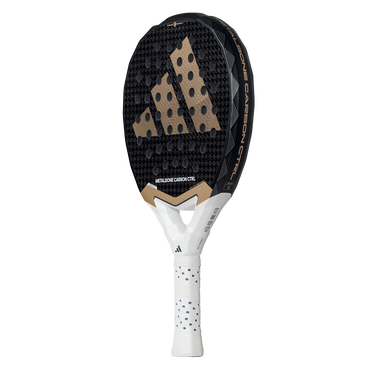
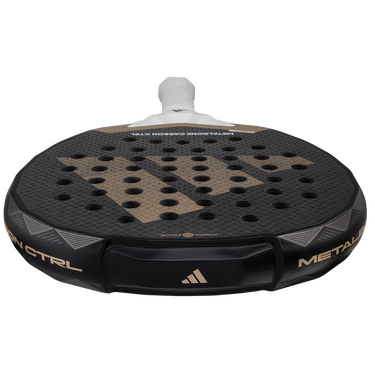
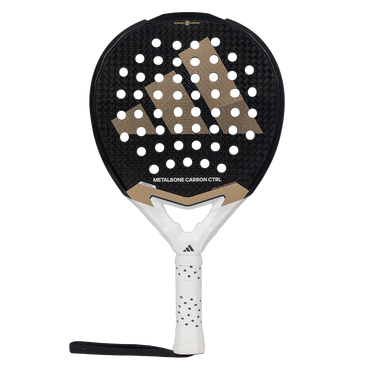


Padel Rackets Shapes: How to Choose the Right Shape for Your Game
Choosing the right padel racket shape is one of the most important decisions you'll make as a player, whether you're just starting out or already competing on court. It's not just about looks: the shape of a padel racket determines its balance, the size of the sweet spot, and ultimately whether you get a racket built for control or one built for raw power.
At Padel Market, as an official stockist of the world's leading padel brands, we've put together this technical guide to help you understand the different padel racket shapes on the market and how each one can either enhance your strengths or expose your weaknesses on court. If you've been wondering how to choose a padel racket, the answer starts with understanding its shape.
What padel racket shapes are there?
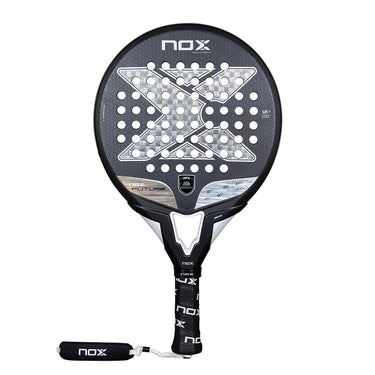
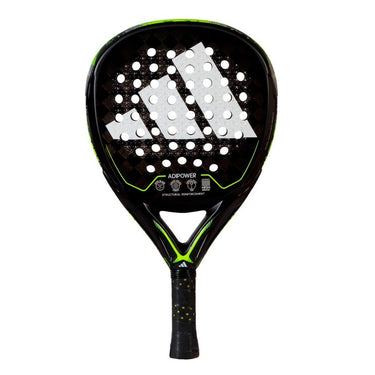
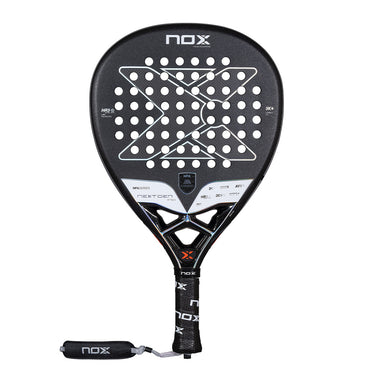
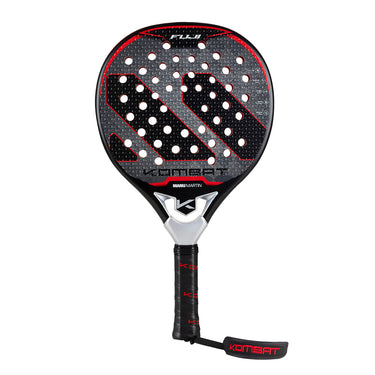
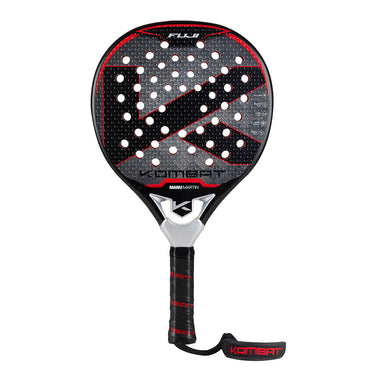
There are three main shapes on the market today (round, teardrop and diamond), though racket technology has evolved to bring us a fourth category too: hybrid padel rackets. Each shape is built for different playing styles and skill levels.
What are the 3 main types of padel rackets?
The three traditional main shapes that dominate the sport are:
-
Round padel racket: Built for more control and manoeuvrability.
-
Teardrop padel racket: Offers a balanced mix of power and control for all-round play.
-
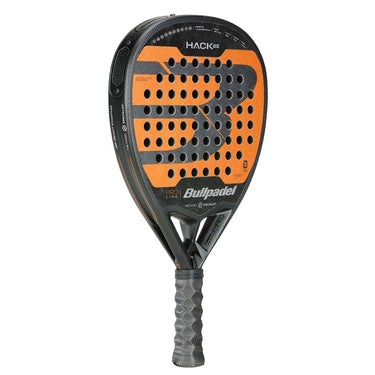
Diamond padel racket: Designed for more power on the smash.
Below, we break down each of these padel racket shapes in detail, along with the hybrid variations now available.
1. Round padel racket: total control
The round shaped racket is the foundation of technical play. Its defining feature is that weight is distributed towards the handle (low balance), making it the most manoeuvrable shape on the market.
-
Sweet spot: A large sweet spot, sitting right in the centre of the face. This makes it more forgiving on off center hits, so even if your technique isn't perfect, your shots will still come off with good direction and pace, though with less power than diamond models.
-
Who it's for: The ideal choice for beginner padel rackets, and it also suits beginner players and defensive players. Its even weight distribution delivers maximum control with less physical demand, while helping build good habits early. They're also popular with advanced players whose game is built around consistency, court coverage and a rock-solid defence.
-
Key benefit: Easier on the arm, reducing the risk of elbow strain (padel elbow) thanks to the low effort needed to move the racket.
2. Teardrop padel racket: the all-rounder
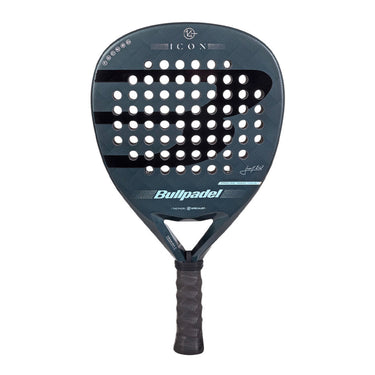
What is a teardrop padel racket? Teardrop rackets are the natural evolution that brings together the best of both worlds. Shaped like an inverted droplet, it places the weight in a mid-point on the racket (medium balance).
-
Sweet spot: A moderate sweet spot with a medium-sized hitting area positioned slightly above the centre of the face.
-
Who it's for: The most popular shape among UK players. Teardrop rackets offer a versatile option for intermediate and experienced players who’ve already nailed the basics of defence and are ready to develop a more aggressive all-court game.
-
Key benefit: A perfect balance between power on the volley and control from the back of the court, making them a smart fit for different playing styles.
3. Diamond padel racket: pure power
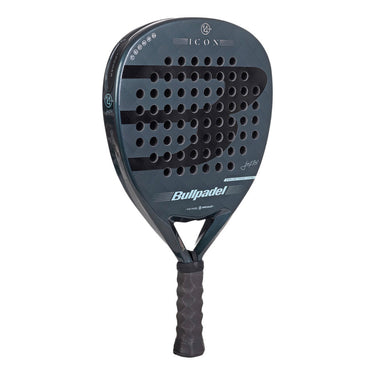
The diamond shape padel racket is the weapon of choice for big hitters. Its structure widens towards the top of the head, shifting weight right up towards the tip (high balance).
-
Sweet spot: It has a smaller sweet spot positioned higher up the face. That setup rewards clean, precise technique, since off-centre shots cost you far more in control.
-
Who it's for: Aggressive backhand players and advanced or competitive players who want to bring the ball back into their own court or fire winning smashes with ease. Many professionals and other professional players favour this shape, but it demands good technique and can be more physically taxing over long matches.
-
Key benefit: Superior leverage, with more weight in the head to help generate powerful shots and spin on smashes and overheads.
4. Hybrid padel racket: the new generation
Hybrid padel rackets don't fit neatly into the three categories above. They might combine a teardrop shape with diamond-style balance, or a round shape with a stiffer, more powerful construction.
-
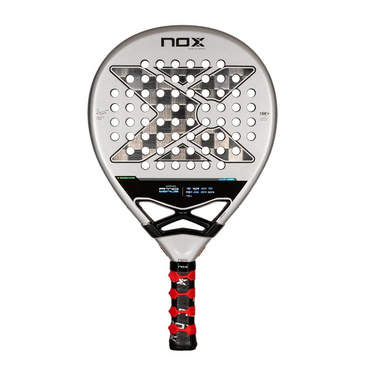
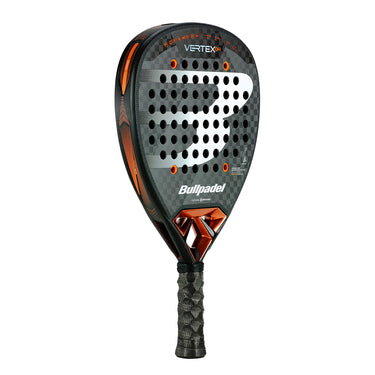
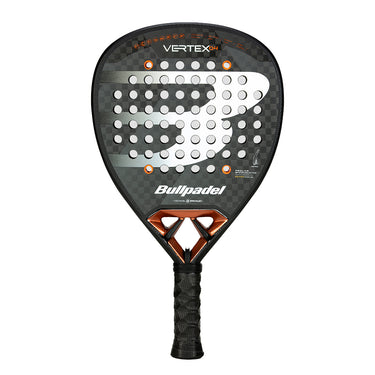
The goal: To fine-tune the playing experience down to the smallest detail. Brands like Nox, Bullpadel and Adidas use hybrid shapes to build rackets tailored to the specific needs of players competing at Premier Padel level.
Comparison table: shape and performance
The main difference between the different shapes is where the balance point sits and where the sweet spot lands, so different rackets can feel and respond very differently in play.
|
Racket Shape |
Balance |
Sweet Spot |
Playing Style |
Manoeuvrability |
|---|---|---|---|---|
|
Round |
Low (towards handle) |
Large / centred |
Control / Defence |
Very high |
|
Teardrop |
Medium |
Mid-sized |
All-round |
High |
|
Diamond |
High (towards tip) |
Small / high |
Power / Attack |
Medium to low |
|
Hybrid |
Variable |
Tailored |
Versatile |
Variable |
How do I choose a padel racket for my level?
With hundreds of models to choose from, don't let looks be your guide when buying a padel racket, because the best choice depends on your level and playing style. Here's the progression that tends to work best, based on what we see at Padel Market:
-
Beginners: Start with a round padel racket. You need a racket that helps you keep the ball in play and protects your arm while your technique develops. They're also ideal for players coming from other racket sports such as tennis, because the forgiving sweet spot makes the transition easier.
-
Intermediate players: A teardrop padel racket is the natural next step. It'll help you work out whether you're more comfortable attacking or defending, without giving up too much of either.
-
Advanced players: This is where a diamond padel racket comes in, provided your fitness and technique can handle the high balance. The shape you choose should also match your physical capacity, because some models are more demanding than other rackets. Or you might stick with a premium teardrop or hybrid model to keep that all-round edge.
EVA or foam: which is better?
Once you've settled on a shape, the core is the second big factor to consider, and a racket's foam type plays a big part in how the core and faces affect performance. It's one of the most common questions we get asked.
-
EVA rubber: The most widely used core material. Firmer and more durable, it gives a crisper feel on impact and better control at high speeds. Available in different densities (soft, medium, hard).
-
Foam rubber (Polyethylene): A softer, more flexible material. It produces exceptional ball pop (the ball flies off the face with minimal effort) and absorbs vibrations far better than EVA. It's a great option for players managing arm issues, though it tends to be less durable than EVA. Many comfort or beginner-focused rackets pair this core with fibreglass faces, since fibreglass is flexible yet hard-wearing.
The bottom line: There's no single "best" option, it depends what you're after. Want power and durability? Go for EVA. Want comfort and effortless ball pop? Go for foam.
Best padel rackets by shape
As official stockists, we test every model on court ourselves at Padel Market. Here are our current top picks:
Best round padel rackets (control)
-
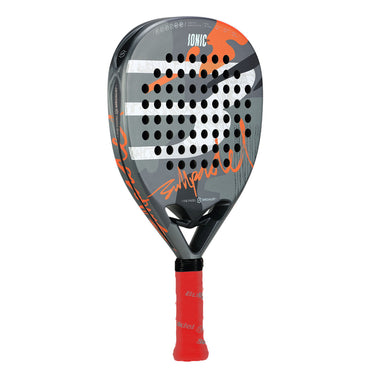
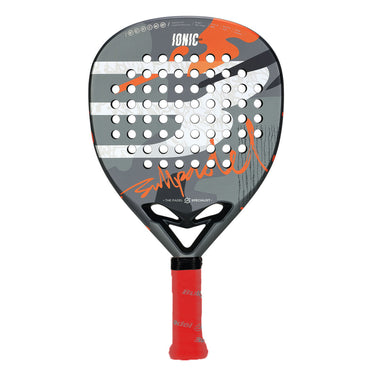
Bullpadel Ionic Control 2025: Built for intermediate to advanced players who value precision over power.
-
Adidas RX Series Red 2024: The go-to choice for developing players wanting a balanced, easy-to-handle racket that supports their progression on court.
Best teardrop padel rackets
-
Wilson Blade V4 Padel Green 2026: A racket that represents the cutting edge of aggressive all-round play, built for competitive players who demand a firm, stable response on every shot.
-
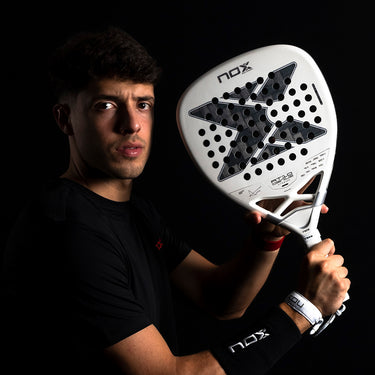
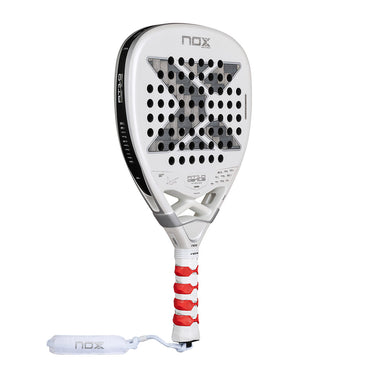
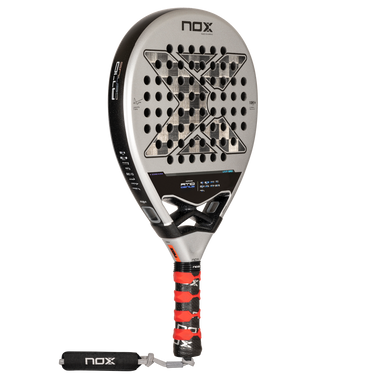
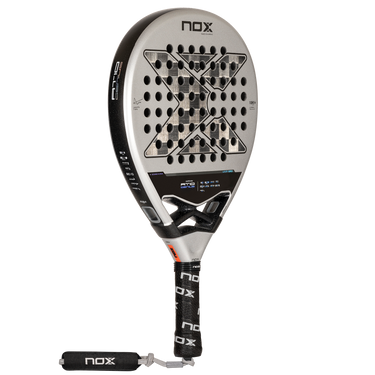
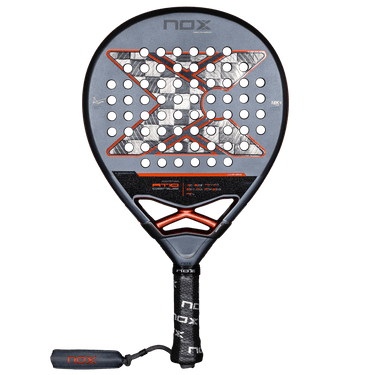
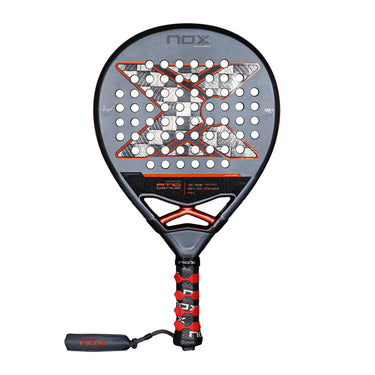
Nox AT10 Genius 18K 2024 (Agustín Tapia): Arguably the most versatile racket on the market, a genuine do-it-all option for all-round players.
Best diamond padel rackets (power)
-
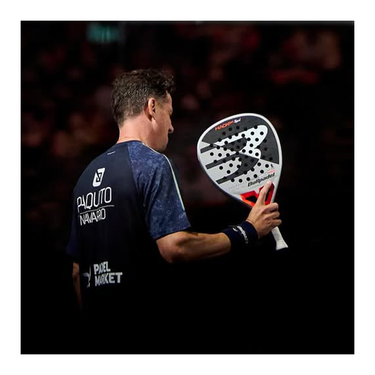
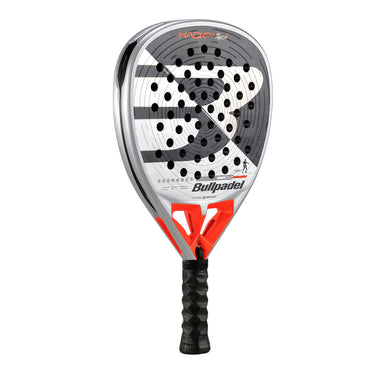
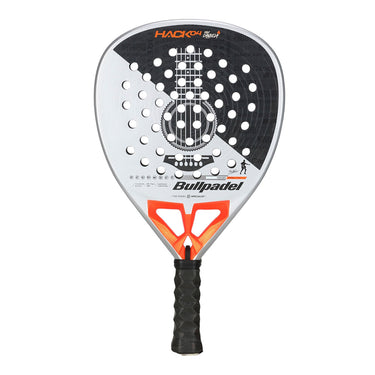
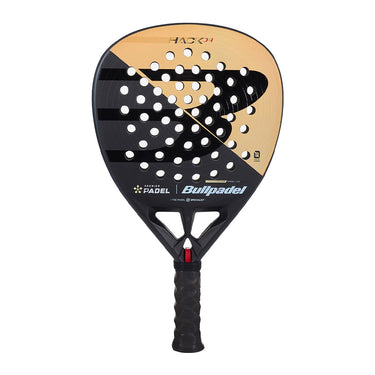
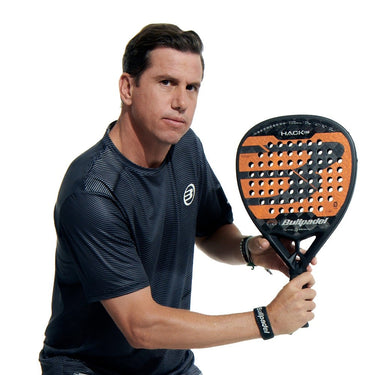
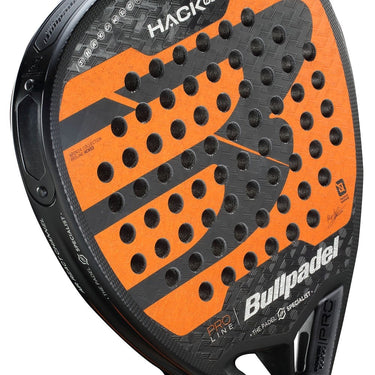
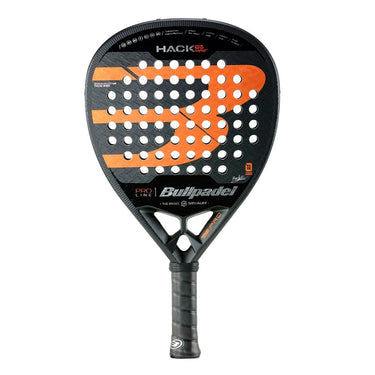
Bullpadel Hack 03 2024 (Paquito Navarro): A beast of a racket built purely for attacking play, an example of a high-power diamond model preferred by advanced attackers.
-
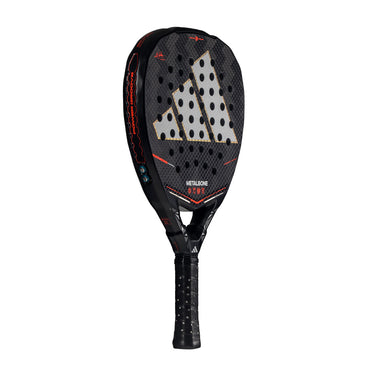
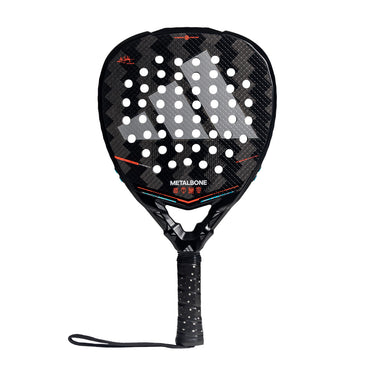
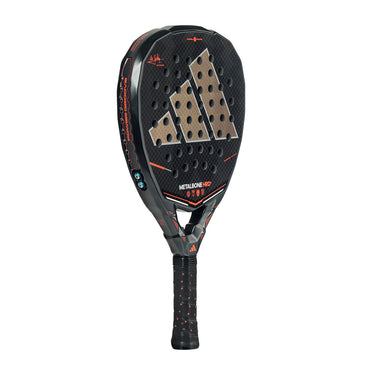
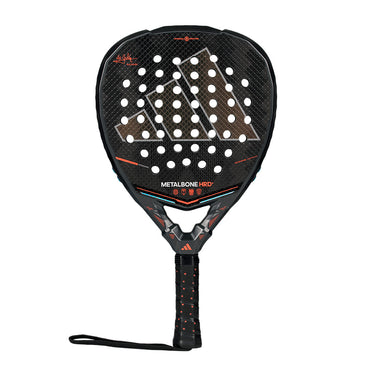
Adidas Metalbone HRD+: Maximum stiffness for the most demanding smashers.
Features and technologies that shape performance
A racket's shape doesn't work in isolation. It's shaped further by technologies that work with the shape of the racket rather than replacing it:
-
12K vs 18K carbon: The higher the number, the denser the carbon weave. An 18K carbon diamond padel racket will be extremely stiff and powerful, while a 3K weave will feel more flexible and comfortable. These technologies matter across padel shapes because stiffness changes the feel of each design differently.
-
Rough textures (sand / 3D): Most modern round and teardrop padel rackets feature textured surfaces to help generate more spin (slice and topspin), with texture and shape working together, allowing players to create more spin on clean contact.
-
Anti-vibration systems: Especially important on diamond rackets, helping offset the harsher impact felt at the top of the frame.
Buy padel rackets at Padel Market
Why buy from us? As an official stockist, we guarantee every racket is 100% genuine and covered by the manufacturer's warranty. Our team of padel experts is also on hand to offer personalised advice, whatever your level.
-
Fast delivery: Get your gear delivered quickly so you don't miss a match.
-
Real stock: If it's on the website, it's in our warehouse.
-
Expert advice: We don't just sell rackets, we help you find the right tool to elevate your game, alongside all the essentials: clothing, bags, shoes and balls.
FAQs
What padel racket shape is best?
There's no single best shape, it all comes down to how you play and the differences between each design. If you're a beginner, round is your best bet. If you're an advanced attacking player, diamond will be your best ally.
What is a teardrop padel racket?
Teardrop padel rackets are all-round models with their balance point sat in the middle of the frame. They combine the control of a round racket with the power of a diamond, making them the most balanced option for the average player.
How do I choose my padel racket?
Base your decision on three things: your level (beginner, intermediate, advanced), your physical condition (to avoid a racket that's too heavy or head-heavy for you), and your playing style (are you more of a defender or an attacker?), as well as how you hit the ball and how much control or power you need.
What is the "sweet spot" on a padel racket?
It's the area on the face of the racket where contact is optimal, giving you the best combination of direction, power and comfort. Where you hit the face matters too, because contact in the sweet spot improves accuracy and comfort. Round rackets have the largest, most central sweet spot.
Does shape affect the weight of a racket?
Shape doesn't change the total weight (usually between 350g and 380g), but it does change how heavy the racket feels. A 365g diamond racket will feel heavier than a round racket of the same weight, because the balance sits closer to the tip.
Ready to find your perfect shape? Browse our full range and discover the best padel racket shapes on the market. At Padel Market, we help take your game wherever you want it to go
Top Sellers
Padel Market’s best-selling products.