



The padel racket control vs power debate is one of the most important decisions every padel player faces when choosing a new frame. Should you pick a racket that helps you place the ball precisely, or one that lets you hit with maximum power?
Get this decision right and the racket will feel like a natural extension of your arm; get it wrong and you will spend every match fighting your equipment. This guide explains the difference clearly and helps you decide which side of the control-power spectrum suits your playing style. The truth is that every padel racket sits somewhere on a sliding scale between pure control and raw power, and the right racket depends on your level, your style and your body. You can compare options in our padel rackets collection as you read.
What do control and power actually mean?
In padel, control refers to how precisely you can place the ball, how forgiving the racket is on off-centre hits, and how much feel you have at the net and in defence. Power refers to how much force the racket adds to your shot, particularly the maximum power you can generate on the smash and fast, flat drives.
A control racket helps you keep the ball in play, reduce unforced errors and direct it where you want; power rackets help you finish points decisively with direct impact. Most rackets lean towards one or the other, and understanding that lean is the key to choosing the best racket for your game.
The main shapes and what they do
Shape is the biggest single factor separating the different shapes of racket. There are three main shapes. A round racket carries its weight low near the handle, giving a low balance, a larger sweet spot and the most control. A diamond racket places more weight high in the head for a head heavy balance and maximum power, at the cost of a smaller sweet spot size.
The teardrop shape sits in between with a medium balance, offering a genuine mix of the two. So the quickest way to read a racket's character is to look at its shape. Shop directly by round shape, teardrop and diamond racket types.
Balance: where the weight sits
Closely linked to shape is balance, which describes whether more weight sits towards the head or the handle. A head heavy racket delivers more power but is slower to manoeuvre and less forgiving. A head light racket is quicker, encourages quick reactions, and gives better control that is easier on the arm.
Balance fine-tunes the control-power character set by the shape, so a head light teardrop plays more like a control racket, while a head heavy balance leans towards power. It is why two rackets of the same shape can feel like different models in the hand.
The role of materials
Materials shift the balance too. Stiffer, high-modulus carbon faces and firmer cores made of hard foam return more energy for a powerful, responsive hit, but they demand good technique and cleaner contact.
Softer carbon and fibreglass faces with soft foam cores flex more, absorb vibrations and give a forgiving feel with a softer touch that is easier to place. In short, hard foam and firmer cores usually mean more power and more demand, while soft foam usually means more control and more comfort.
Why beginners should prioritise control
If you are new to padel, control should be your priority, without question. As a beginner, the challenge is simply getting the ball back consistently and learning proper technique, and a forgiving, control padel racket makes that far easier. A round racket with a larger sweet spot delivers easier power and reduces unforced errors while you learn.
Power is the last thing you need early on, because it magnifies mistakes and encourages wild swings. Start with a round, control-focused racket and you will improve faster and enjoy the game more. Control builds the foundation that power is added to later.
When power starts to make sense
As your technique matures and you begin to time the ball reliably, a little more power becomes useful. Once you can consistently middle your shots and you want to finish points at the net rather than just keep rallies going, a teardrop or hybrid racket adds punch without abandoning control.
Power becomes genuinely valuable for intermediate players whose foundations are solid enough to handle a smaller sweet spot. Add it gradually rather than jumping straight to an extreme frame with more weight in the head.
Who should choose a pure power racket?
Pure power rackets, typically stiff diamonds with a high balance, suit advanced players with an aggressive play style who generate their own pace and can reliably find the sweet spot. In the right hands, they deliver fast balls, devastating smashes and penetrating drives with real greater precision.
These are heavier rackets that reward strong technique, so in the wrong hands they punish every mistake and can contribute to arm injuries. If you are not yet at that level, a power racket will hold your game back rather than help it. This is one of the most common mistakes new players make.
Control for defensive players and comfort
Control and comfort tend to go together, and this matters more than many players realise. Softer, control-oriented rackets absorb vibrations and are far gentler on the elbow and shoulder, reducing the risk of padel elbow. They suit defensive players who value placement, greater precision and a forgiving feel over raw power.
Stiff power rackets transmit more shock, especially on off-centre hits. If you play frequently, have any history of arm trouble, or simply want better control, that is another strong argument for a control racket. A softer touch is a great example of comfort improving your game.
Finding your balance on the spectrum
Most players are best served not at the extremes but somewhere along the spectrum. A control-leaning teardrop, for example, gives you a forgiving feel and precision with a useful dose of power, which suits the majority of intermediate players and different playing styles.
Think of it as a dial rather than a switch: decide how much control you need to play consistently, then add as much power as you can handle without sacrificing that consistency. The right padel racket matches your playing style, not someone else's.
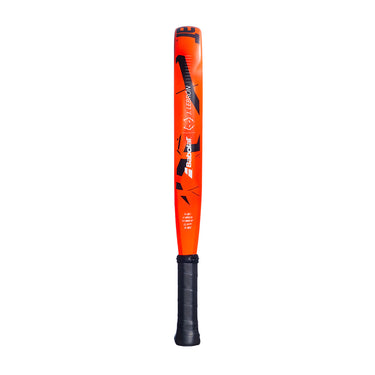
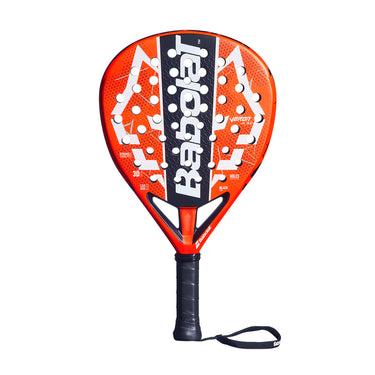
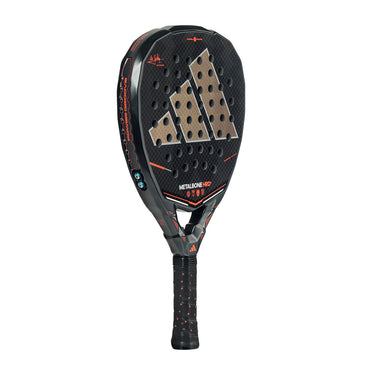
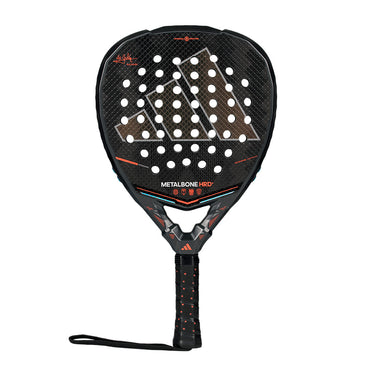
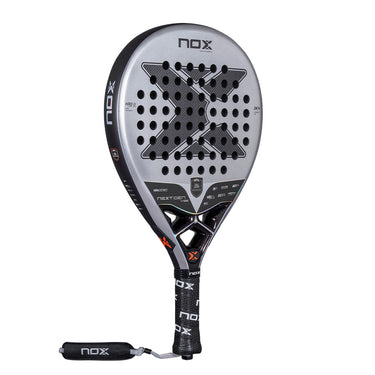
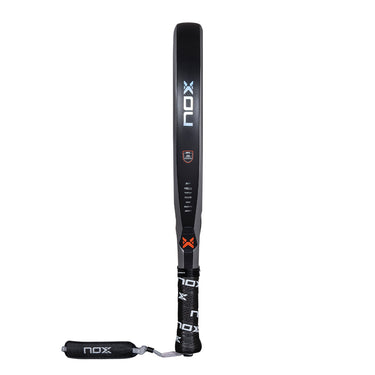
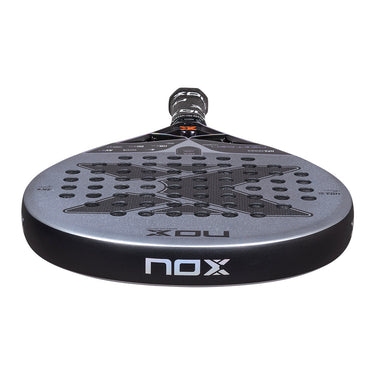
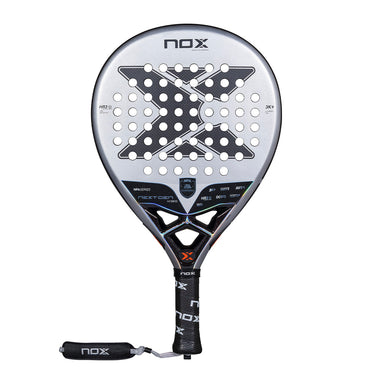
To put the spectrum into real frames, if control is your priority Juan Lebrón's Babolat Veron 3.0 2026 delivers precision and a forgiving, comfortable feel; if you want maximum power on the smash, Ale Galán's Adidas Metalbone HRD+ 2026 is built for attacking play; and for a balanced middle ground the Nox Nextgen Pro Hybrid 3K blends control and power in one versatile frame. Compare these and every other option in our padel rackets collection.
How to decide: a simple test
Ask yourself two honest questions. First, how consistently do I hit the middle of the racket? If the answer is "not very", prioritise control. Second, what loses me more points, unforced errors or a lack of power?
If mistakes cost you more, choose control; if you are consistent but cannot finish points, add power. For the vast majority of players, control wins this test, which is why control and all-round rackets remain the most popular choice among different models.
Control vs power for your playing position
Your position on court can influence the choice too. Players who spend more time defending and setting up points often prefer control for its precision and feel, while players who attack the net and look to finish with the smash may want more power and more weight in the head.
In a pair, it is common for one padel player to favour control and the other power, complementing each other. Consider how you and your regular partner play when choosing, so your rackets suit your roles.
Padel's rise in the UK
More British players than ever are weighing up control vs power as padel booms across the country. The sport is now the fastest-growing in Britain, governed here by the Lawn Tennis Association and globally by the International Padel Federation, with the elite Premier Padel tour showcasing how the best players blend control and power.
Whatever your level, understanding this trade-off will help you buy smarter and play better. As clubs fill with new players, the control-first approach remains the surest path to steady improvement.
Frequently asked questions
What are the different padel racket shapes? There are three main shapes: round for control, teardrop for balance and diamond for power, with hybrids in between. These racket types are the heart of the control vs power decision.
Is a control or power padel racket better? Neither is universally better; it depends on your level and playing style. Control suits beginners and consistent players, power suits advanced players. Most players are best with a control-leaning or all-round racket.
Should a beginner choose control or power? Control, without question. A forgiving control padel racket helps you learn proper technique, keep the ball in play and avoid arm strain.
Which racket shape is best for control? A round shape offers the most control, thanks to its larger sweet spot and low balance. Teardrop shapes balance control and power, while diamond shapes prioritise maximum power.
Do power rackets cause injuries? Heavier rackets with firmer cores transmit more shock, especially on off-centre hits, which can contribute to padel elbow if your technique is not ready. Control rackets are more comfortable and forgiving.
Can one racket offer both control and power? Yes, to a degree. Teardrop and hybrid rackets are designed to balance the two, making them a versatile choice for intermediate players and all-round players.
How do I know if I am ready for a power racket? If you consistently hit the middle of the racket and have the control but lack the power to finish points, you are ready. Until then, prioritise control.
Glossary of key terms
Control: how precisely and forgivingly a racket lets you place the ball. Power: the raw power a racket adds to your shot. Sweet spot: the area of the face that gives the cleanest hit; a larger sweet spot is more forgiving. Balance: whether more weight sits towards the head (head heavy) or handle (head light). Core: soft foam favours control and comfort, hard foam favours power. Diamond, teardrop, round: the three shapes, from most powerful to most controllable.
Final thoughts
The control vs power decision comes down to an honest assessment of your game. For most players, and almost all beginners, control is the wiser choice, offering consistency, comfort and the foundation to improve. Power rewards advanced players who have earned it through good technique.
Decide where you sit on the spectrum, and you will choose the right racket that helps rather than hinders. Explore the full range in our padel rackets collection and find your perfect balance.